A powerful portrait of Black American life in the South
- Text by Miss Rosen
- Photography by Baldwin Lee

As a first-generation Chinese American growing up in New York’s Chinatown, Baldwin Lee promised his father he would attend MIT. However, after enrolling, he was absolutely miserable until he took a photography class with Minor White. Lee quickly abandoned his studies of science and technology in favour of the arts, before going on to pursue his MFA, studying with Walker Evans at Yale.
In 1982, Lee became a Professor of Art at the University of Tennessee in Knoxville and travelled for the first time to the Deep South. Excited to get to know the environs, he set off on a 10-day, 2,000-mile road trip, visiting Louisiana, Florida, and Georgia, photographing everything he found interesting along the way.
“Walker Evans had photographed in this area 50 years earlier,” Lee says. “When I was travelling and looking at places he had gone, it shocked me that absolutely nothing had changed. You believed you had stepped back into 1935.”
After processing the film, Lee realised what he loved most: his encounters with Black Americans throughout the South. “I was exposed to situations that made me realise for the first time in my adult life something about political awareness and conscience,” he says.
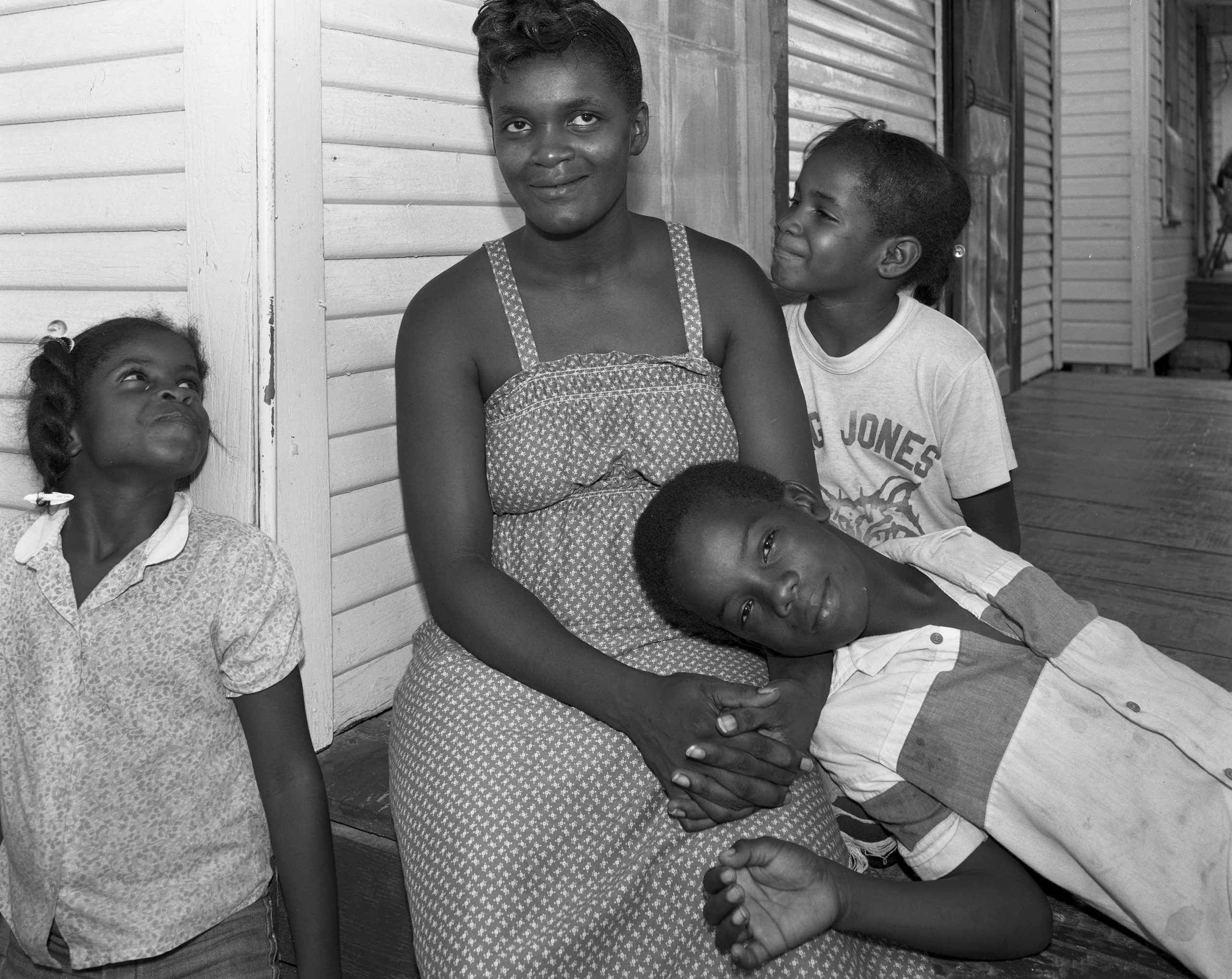
Monroe, LA (Mother and Children) 1985
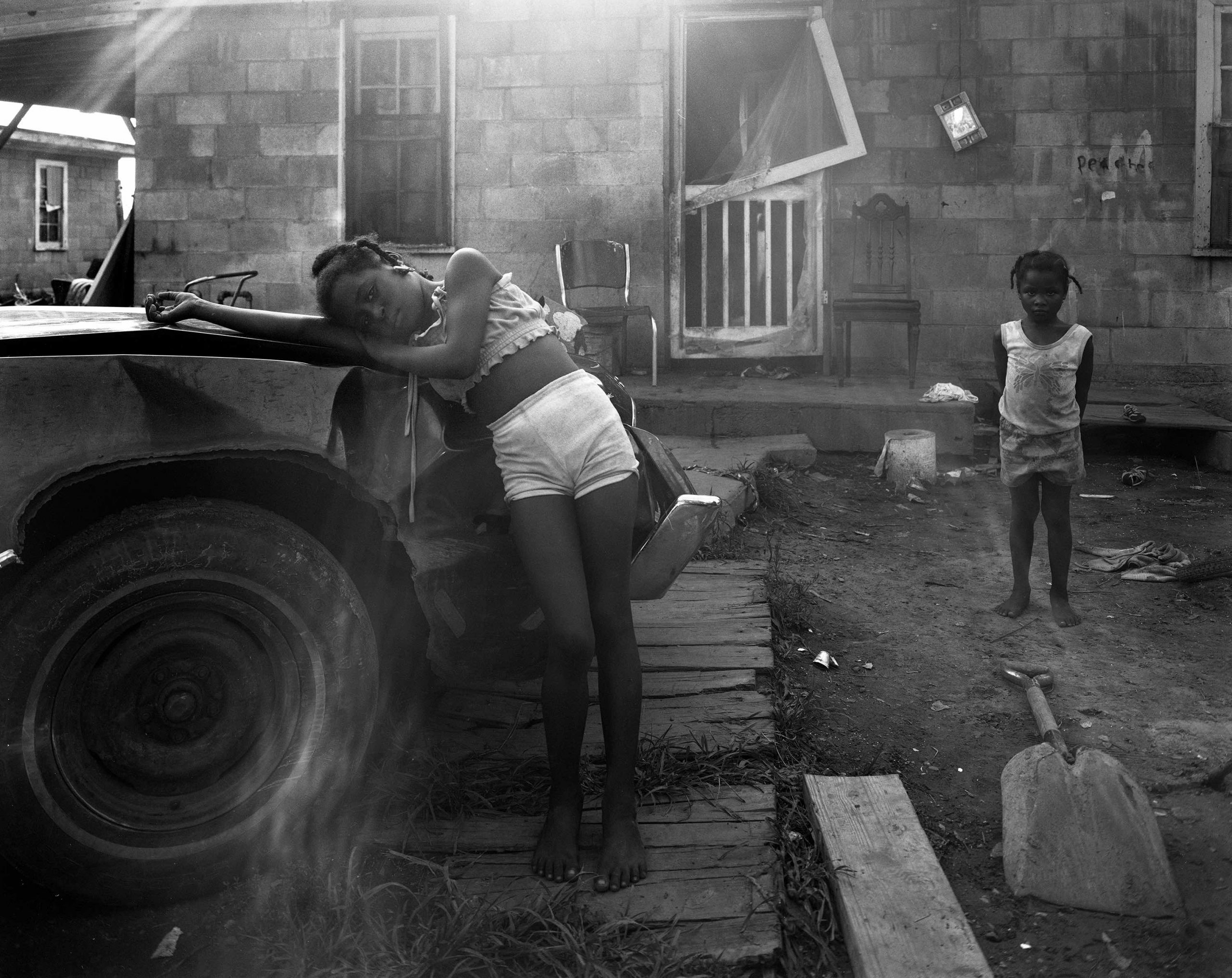
Walls, MS (flared) 1984
Over the next seven years, Lee would embark on a journey of discovery, creating a series of breathtaking portraits now on view in the new exhibition, Black Americans in the South.
“My work is different from a lot of other people’s work in that I was not particularly interested in the general situation,” Lee says. “It was not my goal to document poverty or economic injustice. It was always based on a very specific human aspect.”
Drawn to authentic human experiences and emotions, Lee would approach a stranger, introduce himself, ask to take their portrait, and then set up his medium or large format camera on a tripod.
“I would then attempt to recreate what it was that I had seen that was so remarkable,” he continues. “Although I knew when I approached people what I wanted, as soon as I began to direct them – because I am an amateur director and they are amateur actors – they would never do exactly as I wanted. They would always do something a thousand times better than what I wanted. Everything was like Christmas morning: you just didn’t know what you were going to get.”
“That’s why artists do art. They are always working in the hope that what they are doing will lead them to something they hadn’t done or seen before. The great power of working in art is that you are dealing with the unexpected.”
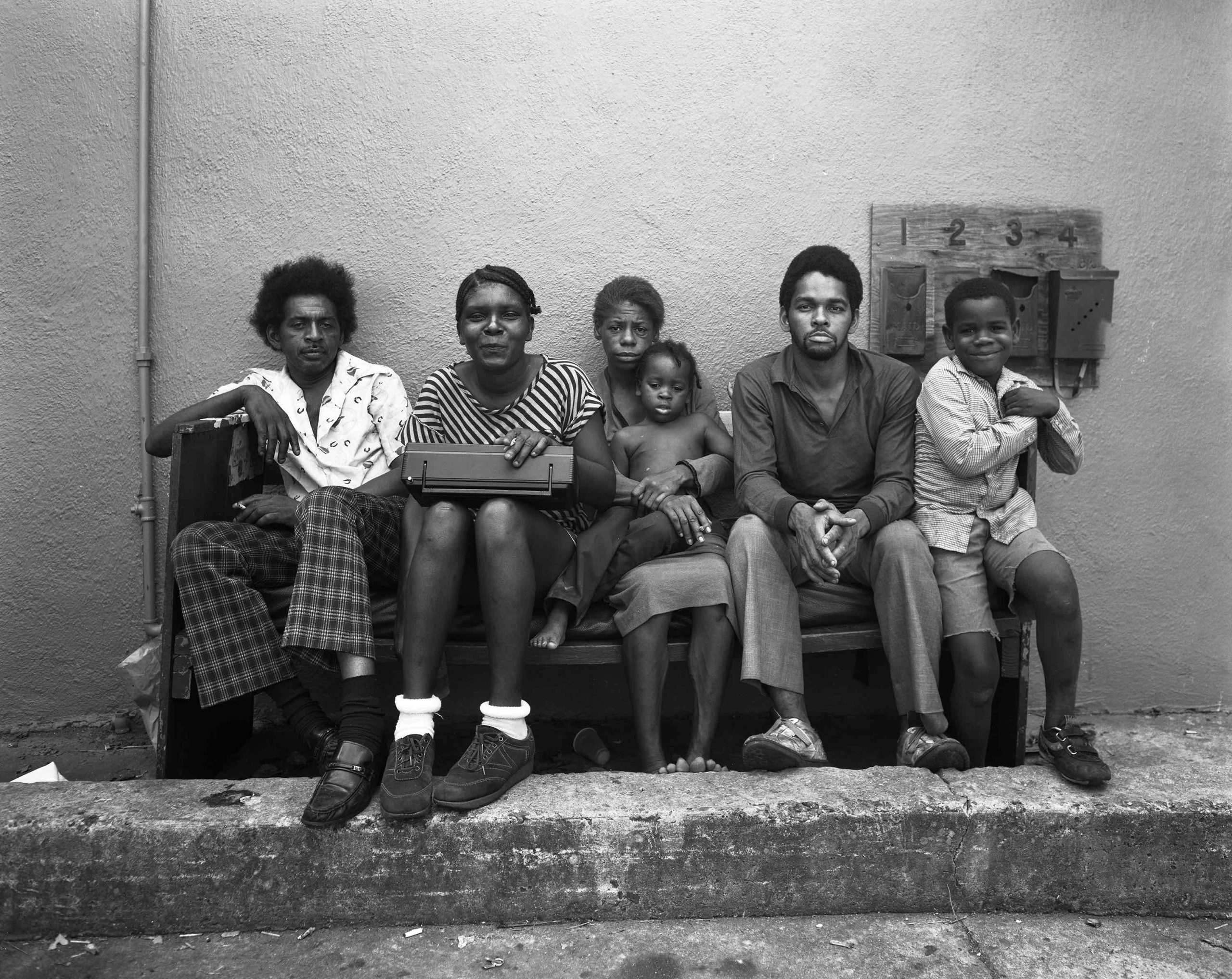
New Orleans, LA (Family on Bench) 1984
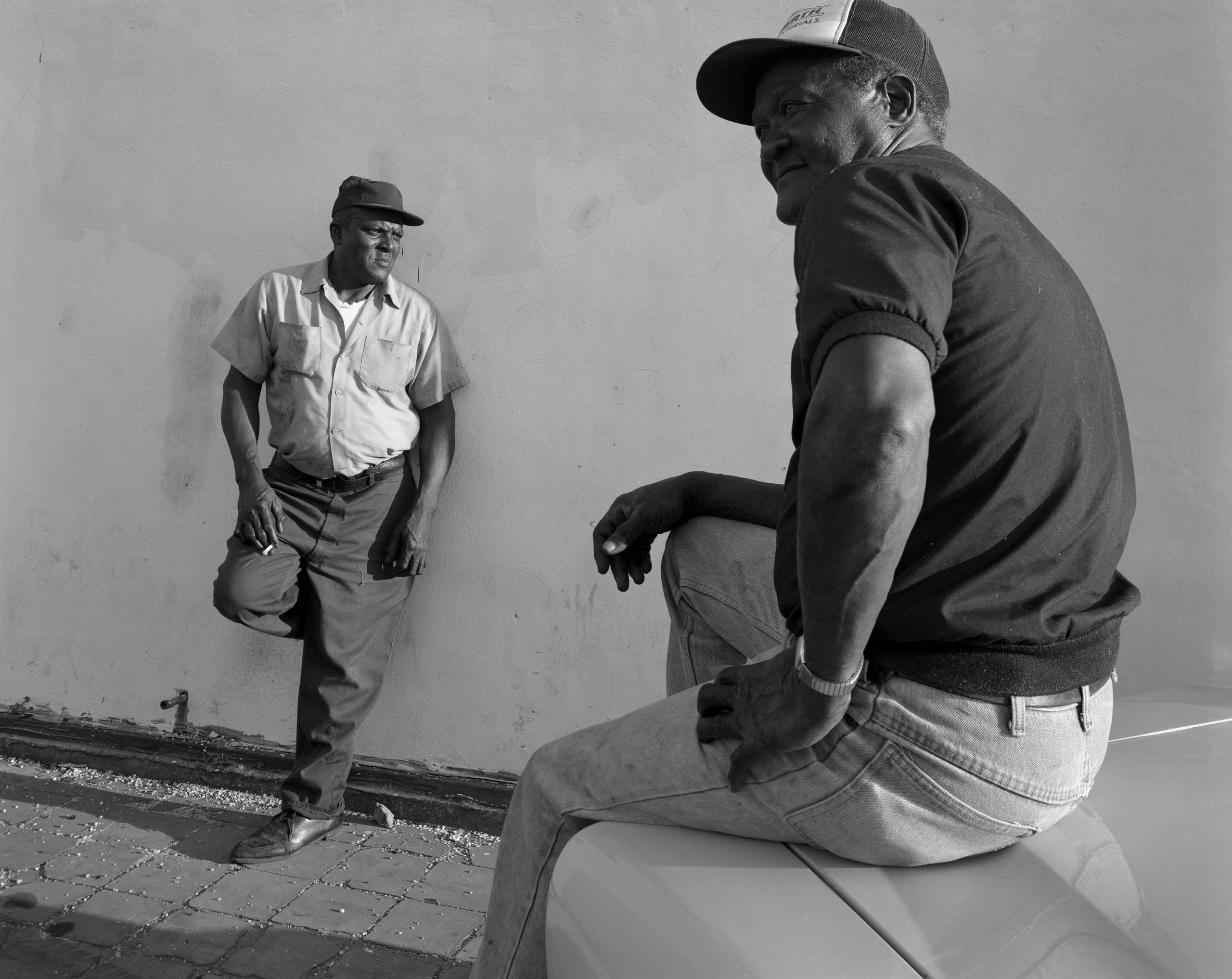
Baton Rouge, LA (Men in Scale) 1985
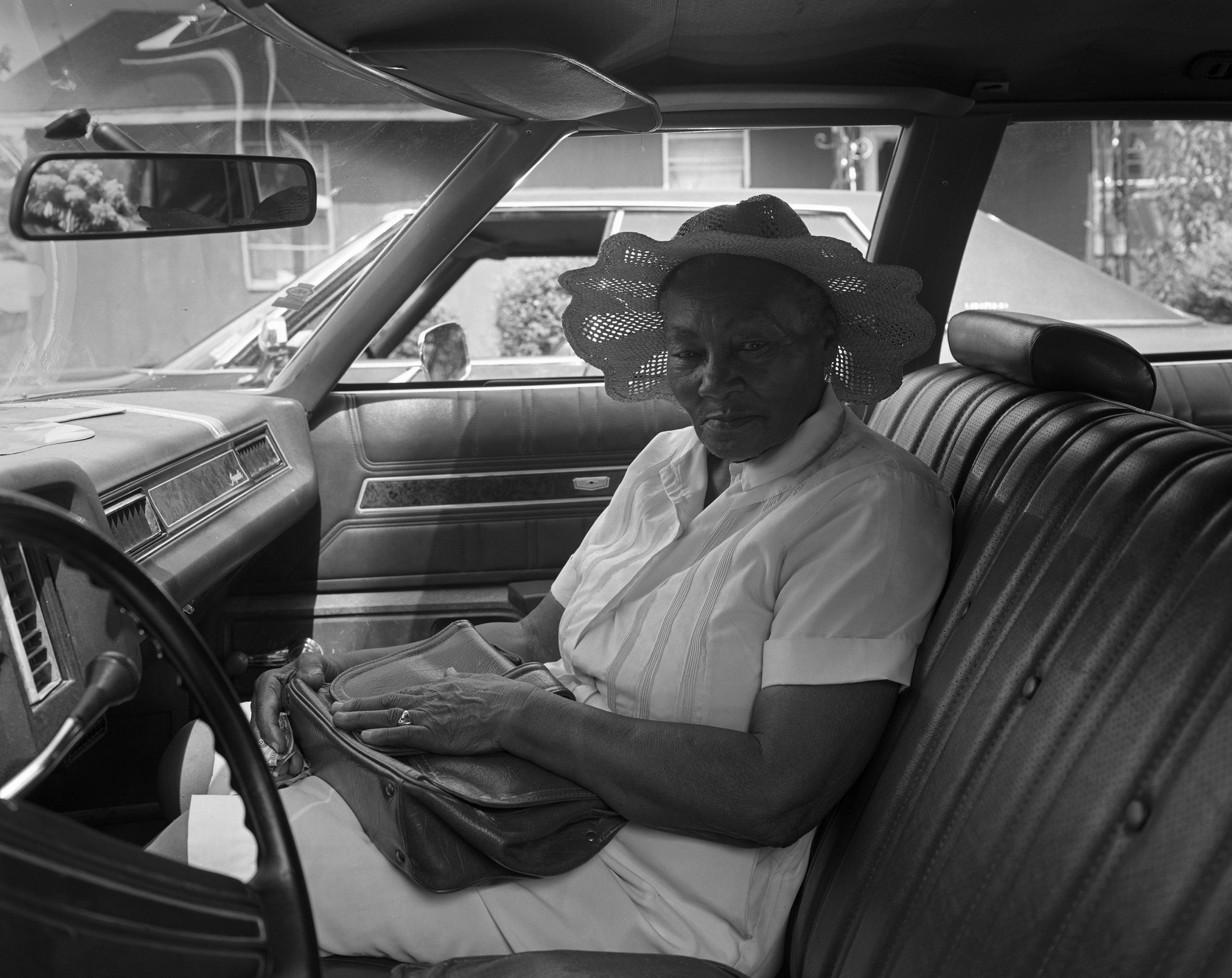
Lula, MS (Woman Hat) 1984
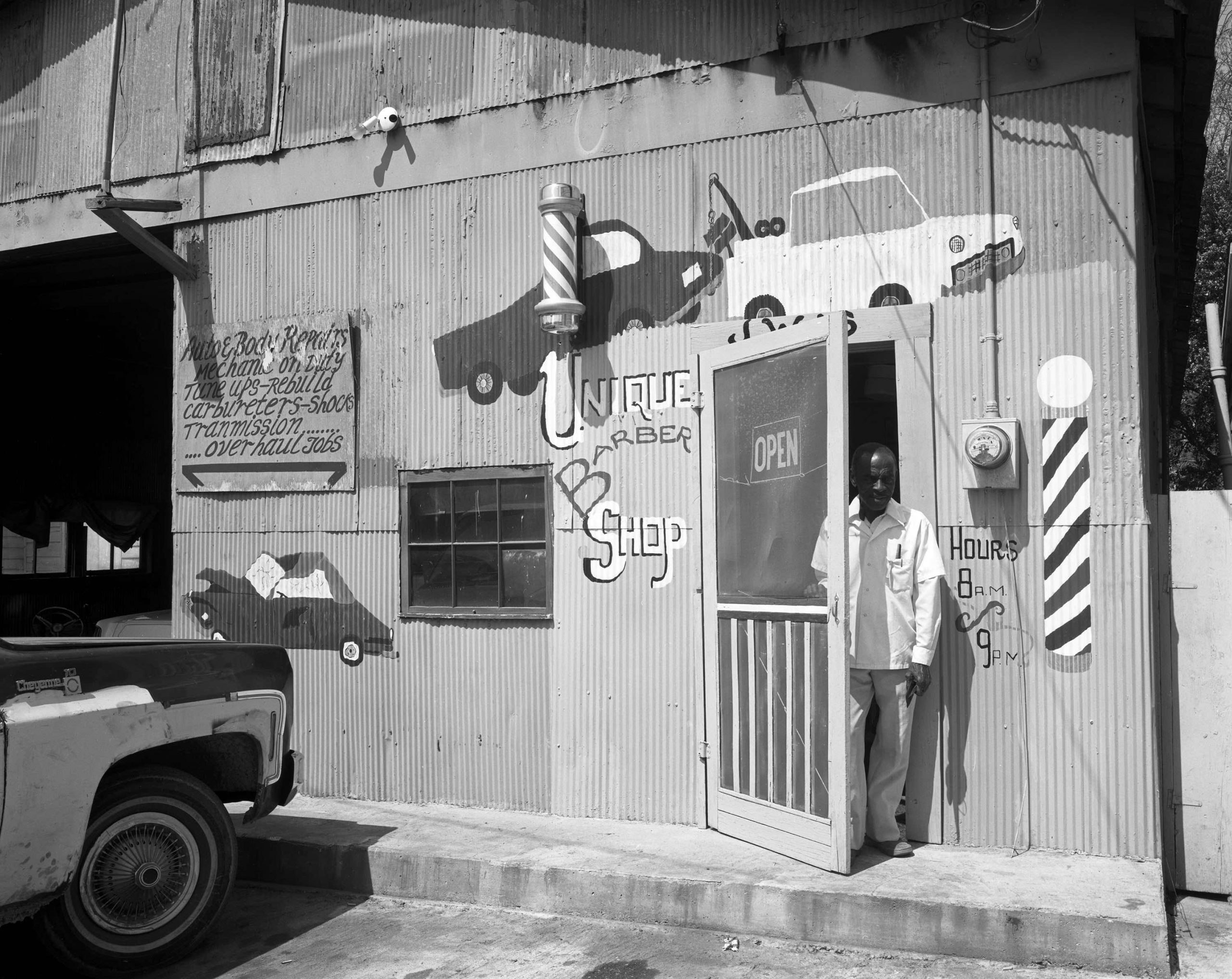
Vicksburg, MS (Barbershop) 1983
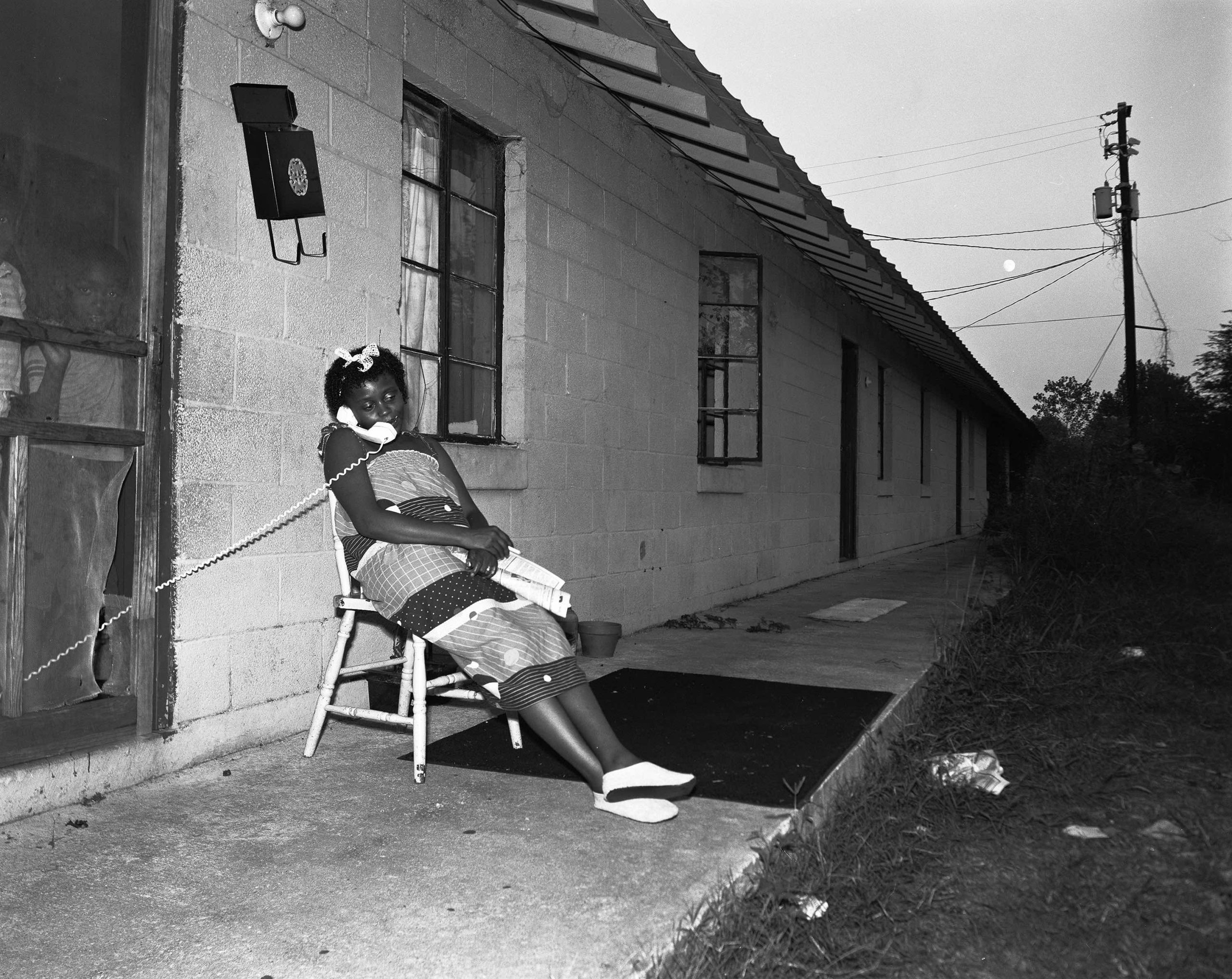
Bessemer, AL Phone Moon) 1984
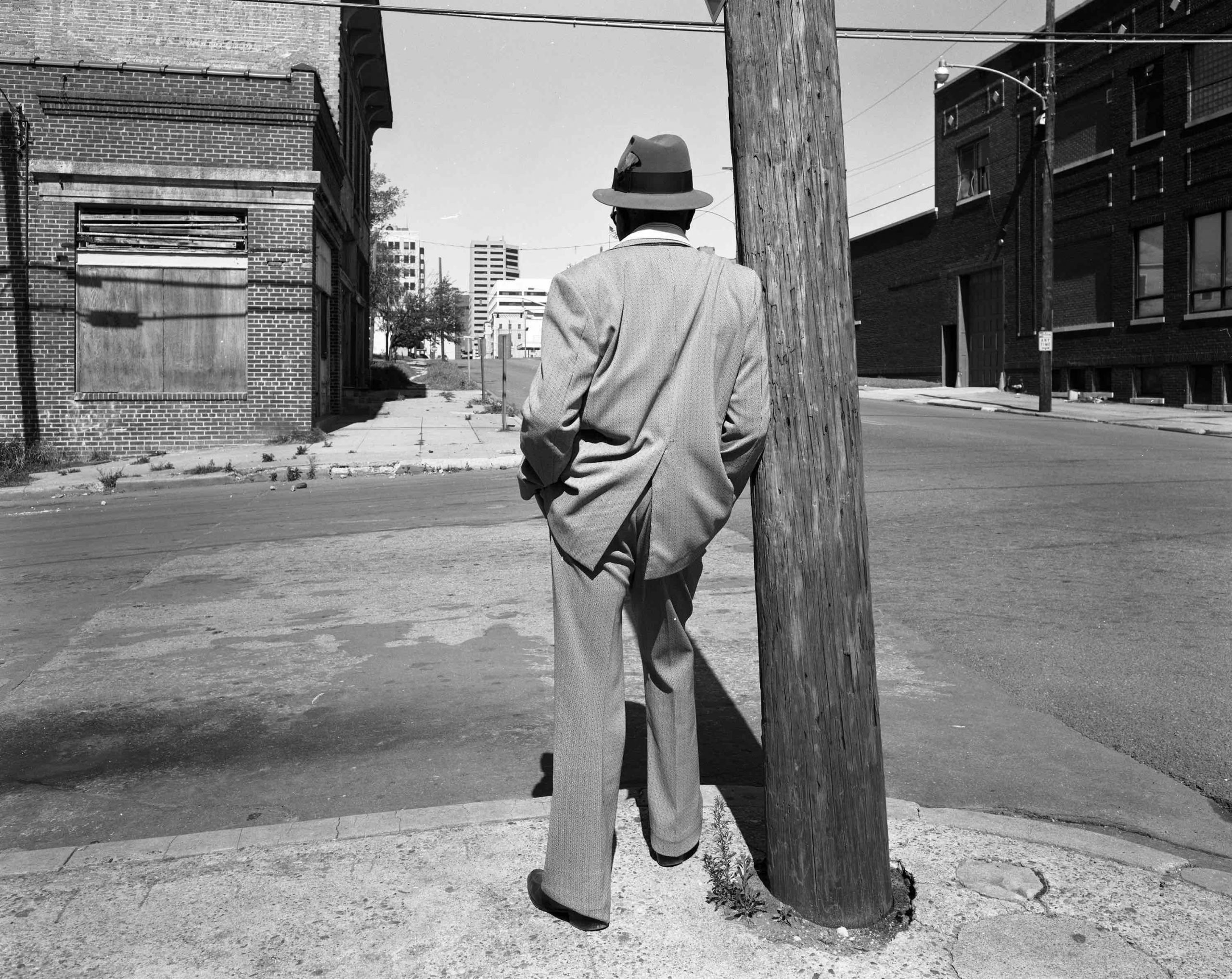
Shreveport, LA (Man’s Back Suit)
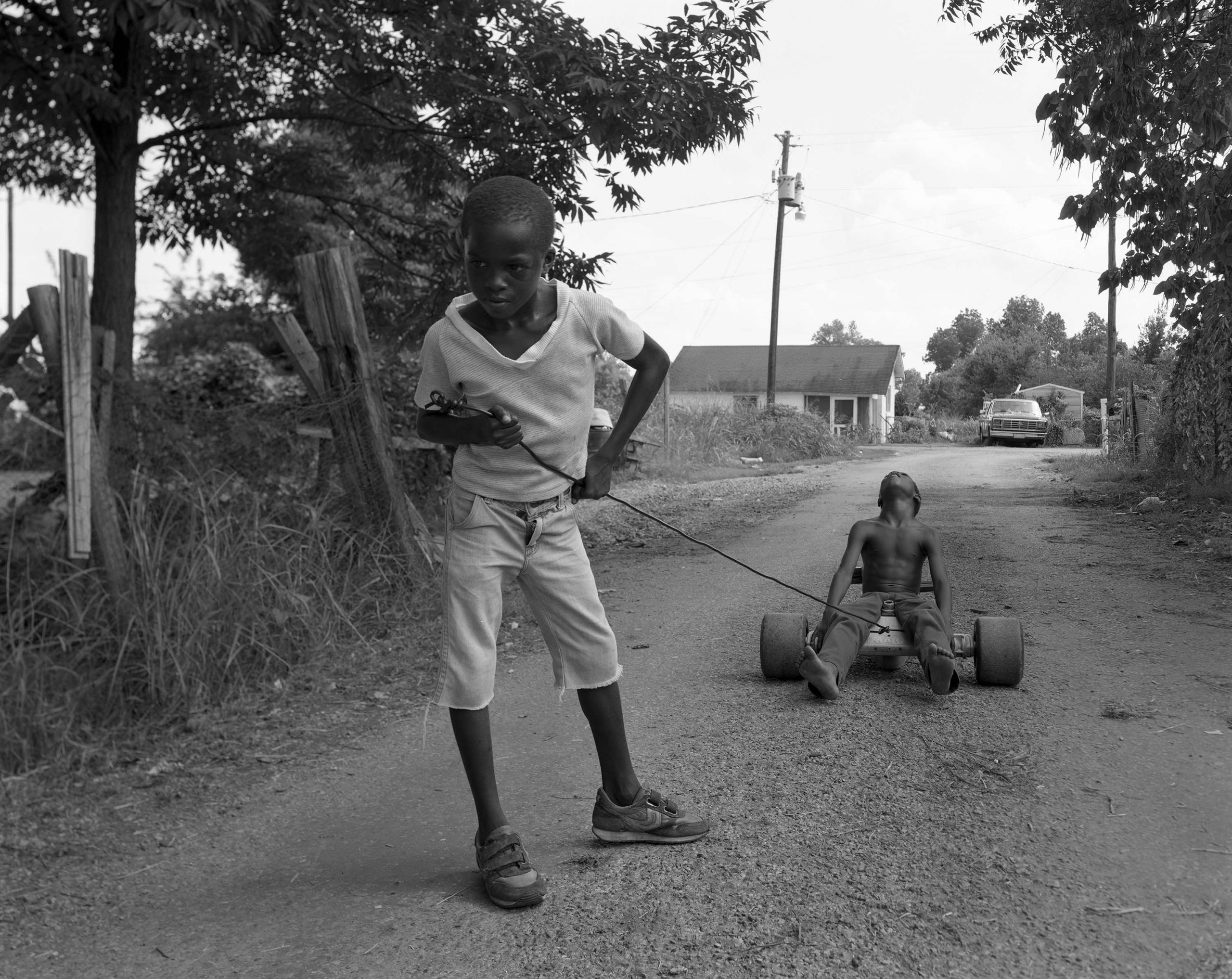
Vicksburg, MS (Alan Pulling Friend) 1984
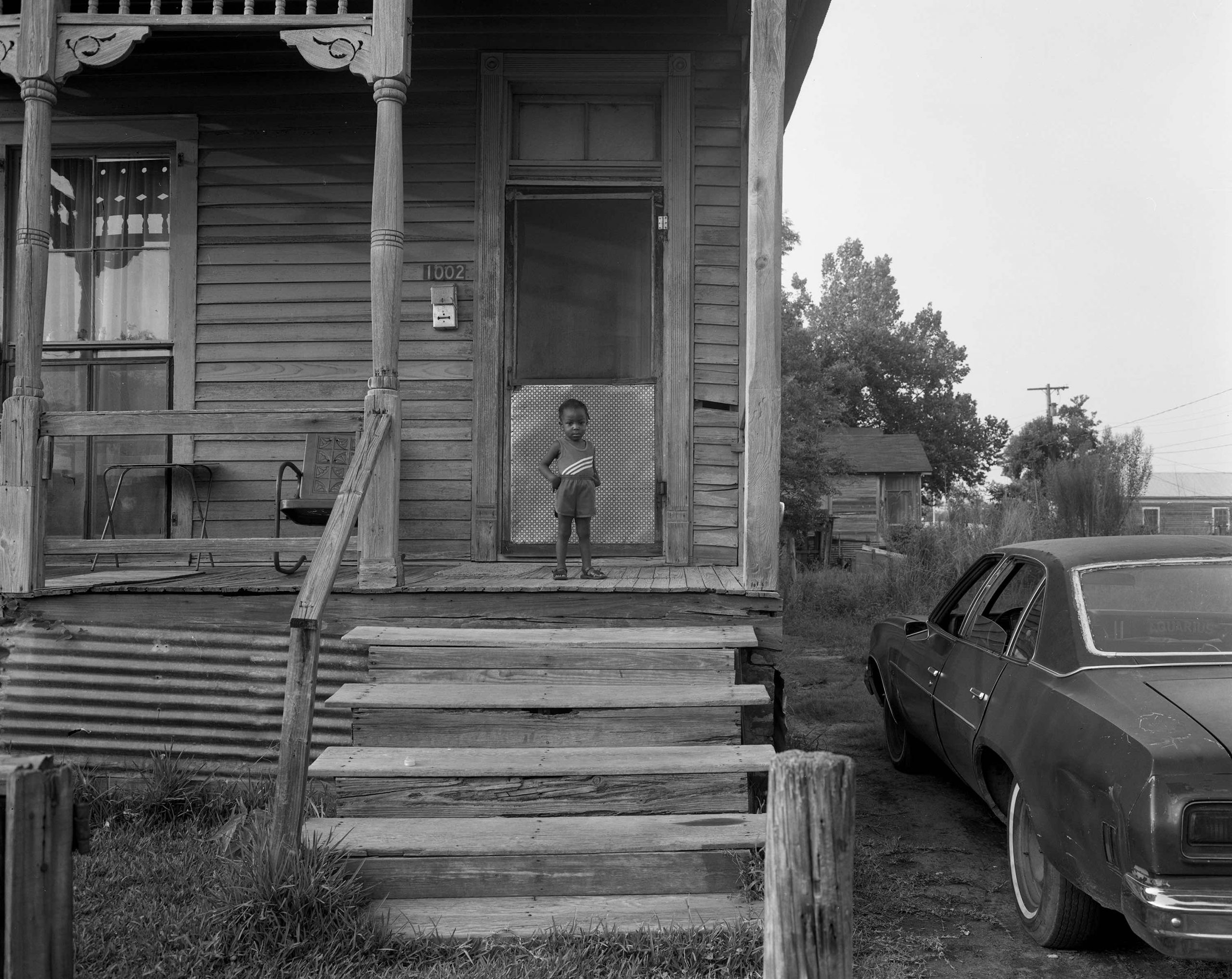
Pascagoula, MS (Little Baby Porch) 1985
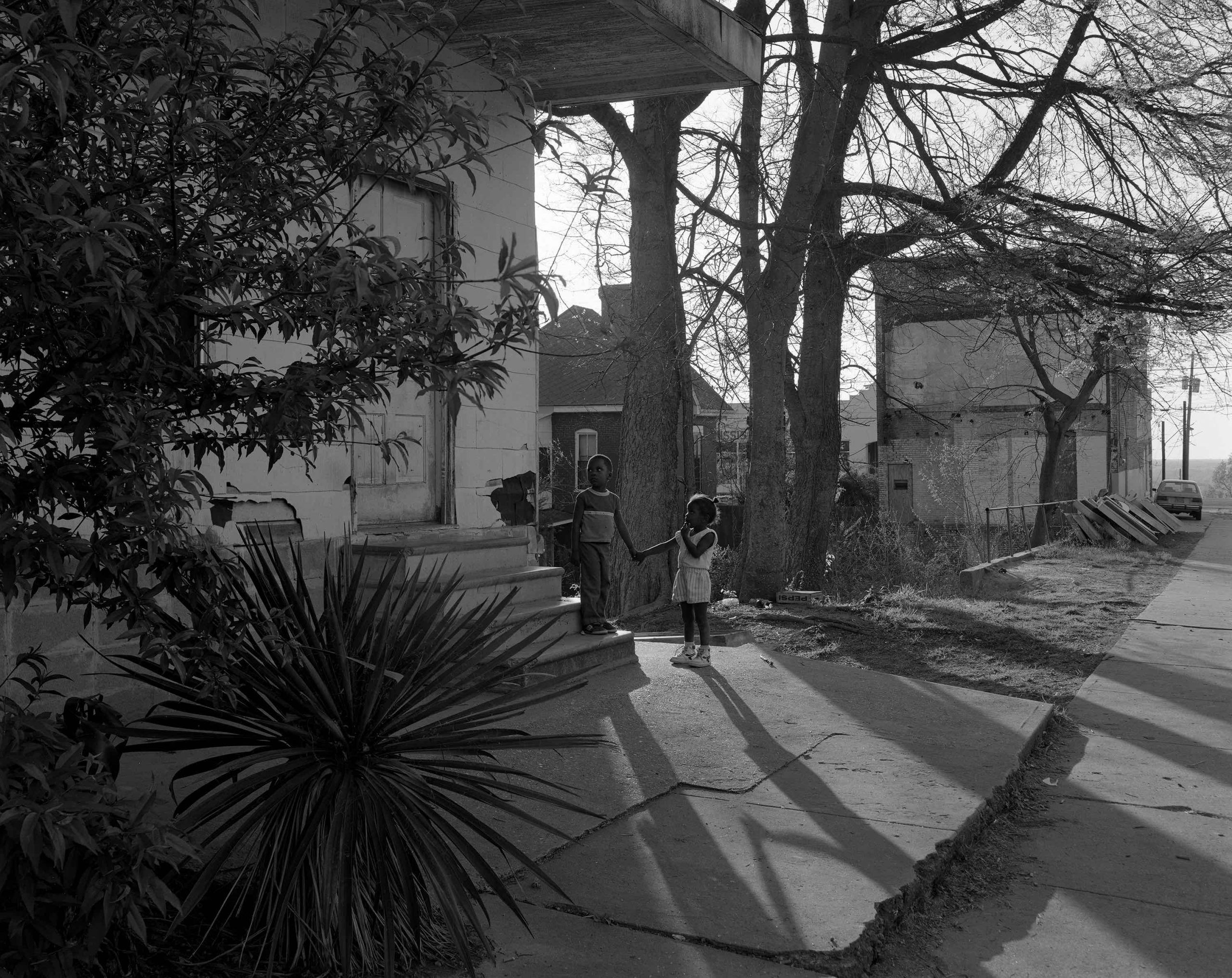
Vicksburg, MS (Children Holding Hands) 1984
Baldwin Lee: Black Americans in the South is now on view online at Joseph Bellows Gallery.
Follow Miss Rosen on Twitter.
Enjoyed this article? Like Huck on Facebook or follow us on Twitter.
You might like

Jesse Glazzard’s messy portrait of queer friends, lovers and chosen family
The Sound of Dirt and Beauty — The photographer’s debut monograph explores tender, unpolished moments shaped by the people who he surrounds himself with, while offering a window into the UK’s working-class LGBTQ+ community.
Written by: Sunny Sunday

Behind the curtain at Alternative Miss World 1981
Olympia glamour — Running a subversive take on the traditional beauty pageant, the Andrew Logan organised event prioritised underground creativity and invention. Photographer David Corio went behind the scenes at its biggest edition.
Written by: Miss Rosen

New exhibition highlights British radical living over 200 years
Earthly Paradise — Taking place at the William Morris Gallery, it explores the homes and lives of artists, writers, musicians and more, as well as the conditions that allowed them to thrive.
Written by: Isaac Muk

What life on the Strait of Hormuz is really like
Southern Winds — Bandar Abbas based photographer Morteza Niknahad has been capturing the diverse communities and stories of his local region since he first picked up a camera. His new series highlights the human impact of war.
Written by: Isaac Muk

Nick Haymes’s intimate portrait of his family’s life
Chronograph — Over 25 years, the photographer documented his son’s lives as they grew into adults. The resulting photobook is an exploration of the passage of time, as well as the optimism of youth.
Written by: Miss Rosen

Kristina Rozhkova’s scatty, confronting portrait of captivity
Gut Feeling — The Russian artist’s 2024 arrest and subsequent detention opened her eye towards the omnipresent dynamics of power and control. Her new photobook is a stark exploration of being trapped.
Written by: Isaac Muk


