Best photography of the month
- Text by Andrea Kurland
- Photography by Mikhael Subotzky / Goodman Gallery

In a month rocked by earthquakes, protests and a tragic wake-up call in the Mediterranean Sea, the documentary photography community has rallied together, as always, to focus our attention on the stories that matter. It’s been a good month for recognition too, with stacks of worthy winners at prestigious awards, great interviews and killer self-assignments.
These are some of our personal highlights from the past month.
Deutsche Börse Prize
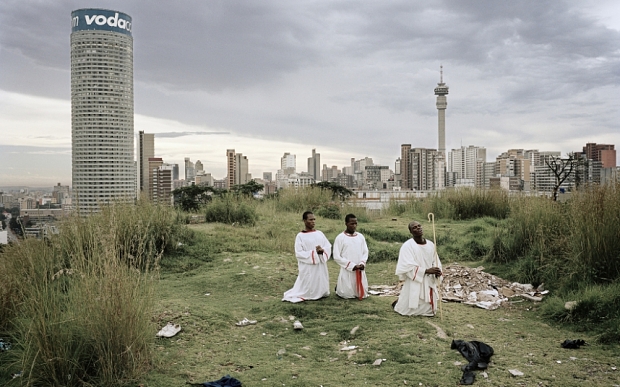
Ponte City, 2008. Mikhael Subotzky / Patrick Waterhouse, Courtesy Goodman Gallery.
One of the most eagerly anticipated art events of the year announced a tight line-up of finalists that critics have deemed “the most exciting in decades”. For 17 years, the prize has pushed the boundaries of contemporary photography by appreciating bodies of work that flit between genres to make a significant contribution to the form.
Richard Mosse, last year’s winner, set the bar head-high with The Enclave, a psychedelic portrait of war-torn Democratic Republic of Congo – shot on discontinued infra-red military surveillance film – that sprang to life as an immersive exhibition of multi-layered soundscapes and moving images.
This year, two South Africans make the cut. Visual activist Zanele Muholi has been recognised for her work on LGBTI identity: black and white portraiture accompanied by first-person testimonies of homophobia, discrimination and violent attacks that delve into the complex realities of post-apartheid life.
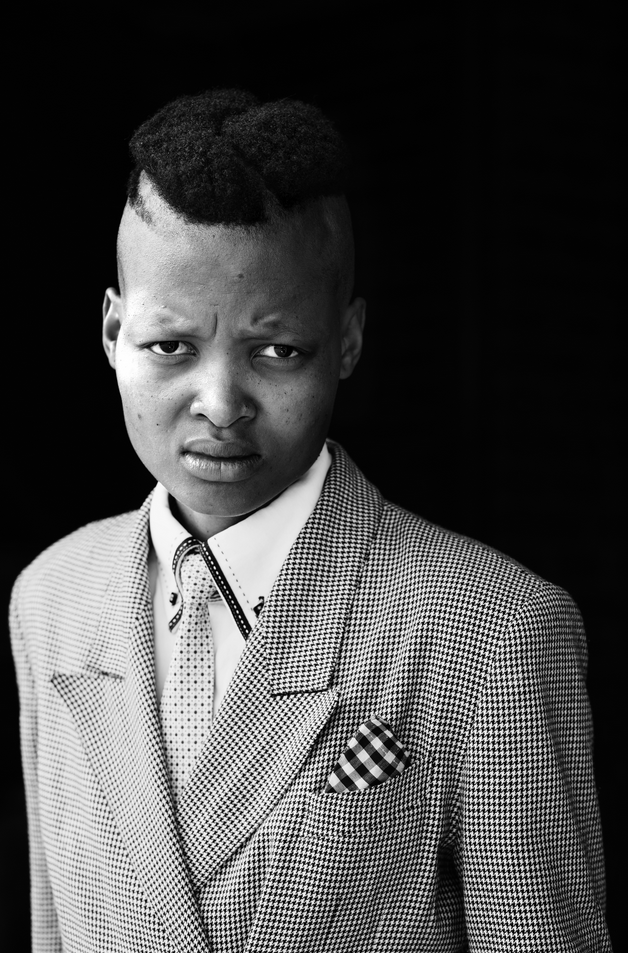
Zanele Muholi from the series Faces and Phases, 2013. Courtesy of Stevenson, Cape Town and Johannesburg.
Mikhael Subotzky – who was a breakout name in 2004 when his images of Pollsmoor Prison staked his claim as one of South Africa’s most urgent voices – has been nominated for Ponte City, a soaring documentary project on life in a Johannesburg tower block, produced in collaboration with Colors magazine editor Patrick Waterhouse, that combines essays, personal stories, photography and maps.
Dutch photographer Viviane Sassen’s Umbra takes a more conceptual approach, blending abstract photography, drawings and light installations. And Russia’s Nikolai Bakharev, who was a mechanic in a previous life, has been chosen for his portraits of Russian bathers in the 1980s, which were deemed outlandish in an era when nudity was strictly banned.
Diana Markosian
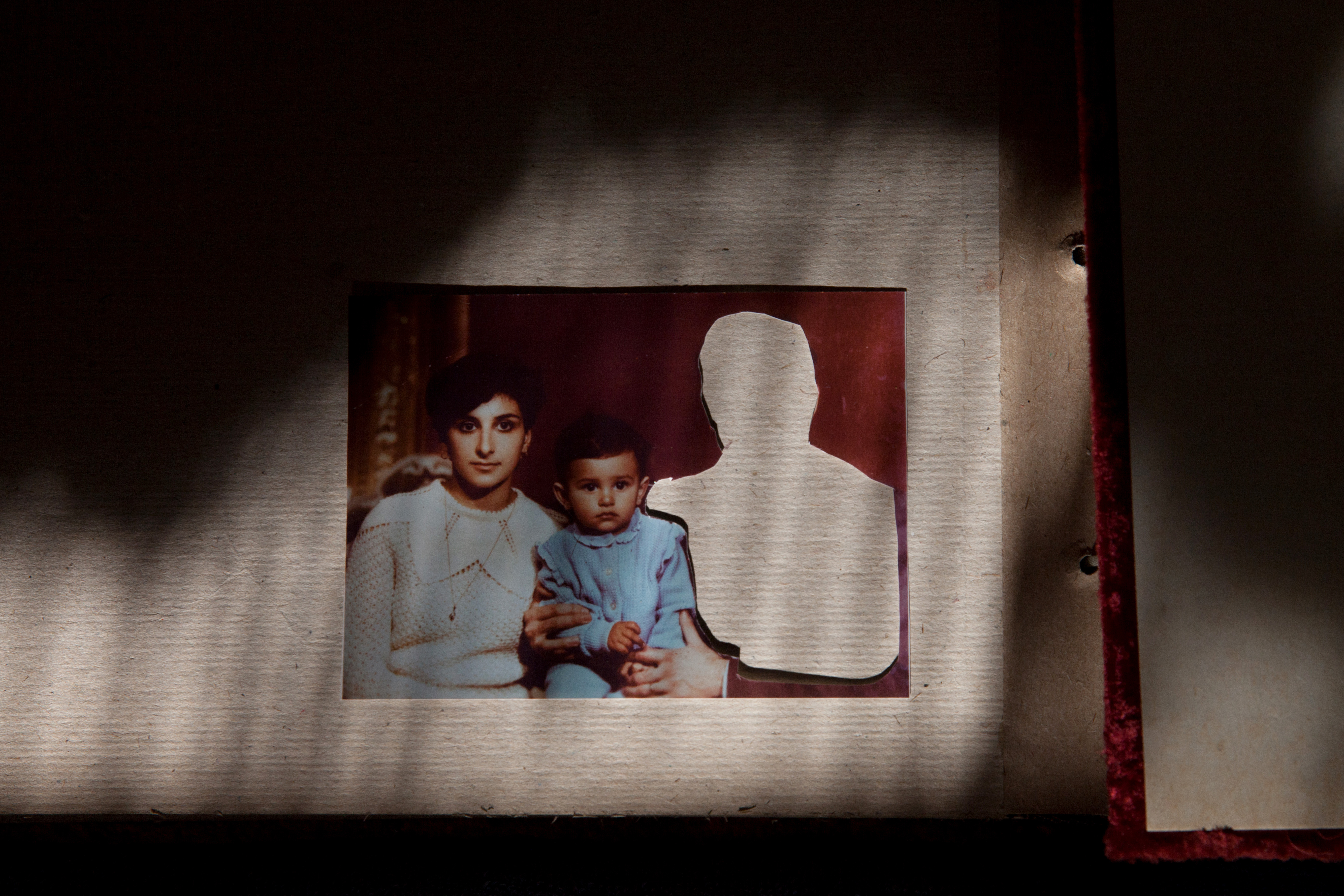
Inventing My Father by Diana Markosian, from Huck 48.
Armenian-American photographer and Huck contributor Diana Markosian received the first Chris Hondros Emerging Award, set up to honour the legacy of the Pulitzer Prize-winning war photographer who was killed alongside Tim Hetherington in Libya on April 10, 2011. And it couldn’t have gone to a better home.
Diana’s self-assigned projects are intimate portraits of the spaces words can’t reach; the fallout of trauma and broken family ties. In Huck 48: The Origins Issue, she shared the personal backstory behind Inventing My Father, which traces her journey to reconnect with her dad in Armenia, who she lost touch with when her mother moved her and her brother to the States. Pick up the issue to read more.
Devin Allen
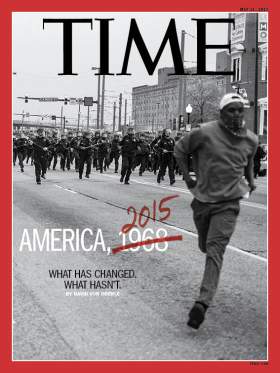
Photography Devin Allen
Sometimes the Internet reconnects with its integrity and sends something other than a tiny hamster eating tiny burritos viral. And this month that something was the work of a 26-year-old West Baltimore street photographer called Devin Allen, whose images of the protests that erupted in his home city – following the death of 25-year-old Freddie Gray, who died while in police custody – didn’t just grab headlines and a shedload of shares; they even made the cover of Time. Read Devin’s interview over on Time Lightbox now.
Heaven, by Dennis McGrath
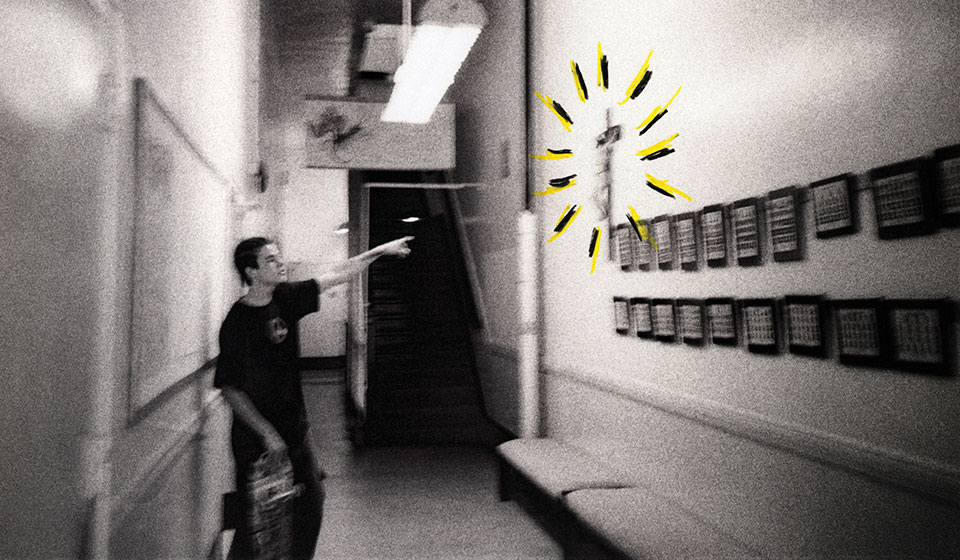
Lennie Kirk by Dennis McGrath.
For Huck 45, curated by Ed Templeton, photographer Dennis McGrath sat down with us on his Los Angeles stoop and recounted tales from his many former lives – from growing up immersed in the skateboarding scene, to shooting behind the curtain of the shady world of porn. But McGrath sees clear parallels between these outsider worlds. His latest book, Heaven – edited and designed by Ed Templeton, and released this month by Seems Books – tells the story of former professional skater Lennie Kirk, currently in prison serving a 13-year sentence. Collating letters, found objects, family photos, and documentary work, it’s a delicate portrait of an unravelled life.
John Moore
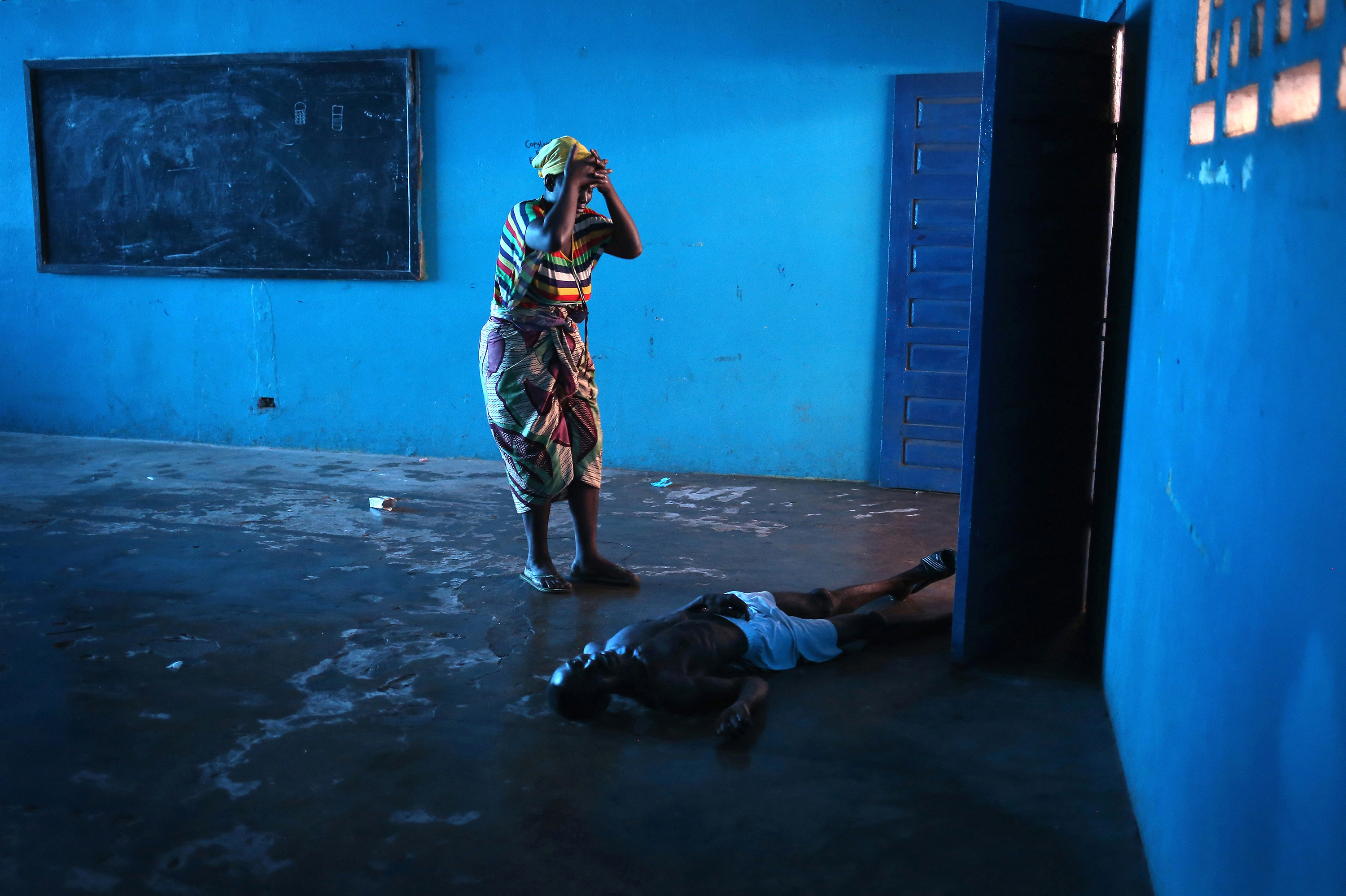
Omu Fahnbulleh stands over her husband Ibrahim after he fell and died in a classroom used for Ebola patients. John Moore / Getty Images, US, L’Iris d’Or, 2015 Sony World Photography Awards.
Another notable award landed rightfully with John Moore, whose tireless coverage of the ebola crisis was recognised at the Sony World Photography Awards 2015, where he received the prestigious L’Iris D’Or. His images of the fallout of the greatest health epidemic of our time – shot in Liberia in the summer of 2014 – are a vital document of a still unfurling crisis. And his ability to capture them, despite the constant threat to his own health, has earned the admiration of the photography community and audiences beyond.
“The scenes of sickness and death I witnessed were devastating for me to see and to photograph.” says Moore. “I will always be grateful to those grieving family members who agreed to allow me into their lives to document such powerful moments, in order to show the world that their country needed more international assistance.”
Nepal Photo Project
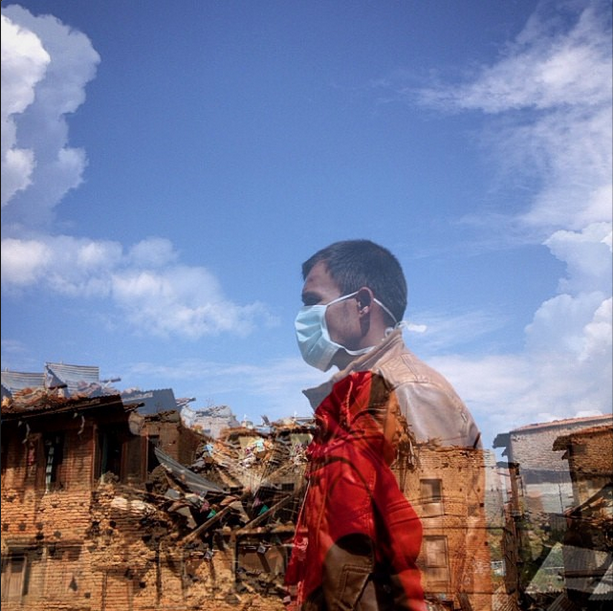
Photography by @zishaanakbarlatif c/o @nepalphotoproject.
When Kathmandu was struck with a 7.8-magnitude earthquake on April 25, 2015, people around the world came together in unique ways to offer assistance or support to the thousands affected in post-catastrophe Nepal. One response was the Nepal Photo Project, started by a group of 10 photographers working in and around Kathmandu, who have been sharing images that act as eyewitness accounts in a situation that’s still cloaked in chaos and mass confusion – and that urgently needs attention and help.
The Deutsche Börse Photography Prize 2015 runs at The Photographer’s Gallery, London, April 17 – June 7, 2015.
The Sony World Photography Awards 2015 runs at Somerset House, London, April 24 – May 10, 2015.
You might like

Nick Haymes’s intimate portrait of his family’s life
Chronograph — Over 25 years, the photographer documented his son’s lives as they grew into adults. The resulting photobook is an exploration of the passage of time, as well as the optimism of youth.
Written by: Miss Rosen

Kristina Rozhkova’s scatty, confronting portrait of captivity
Gut Feeling — The Russian artist’s 2024 arrest and subsequent detention opened her eye towards the omnipresent dynamics of power and control. Her new photobook is a stark exploration of being trapped.
Written by: Isaac Muk

UK’s first ever Latino film festival is coming to London
LoLaFF — Taking place between October 2-6, it will feature 55 filmmakers from Latin America, with an opening night at the Barbican.
Written by: Isaac Muk

Shawn Walker’s layered, psychedelic vision of Harlem’s streets
From BeBop to Illusion — Using glass as a means to illuminate the city’s different layers, the longtime photographer and filmmaker is publishing his first monograph at the age of 86.
Written by: Miss Rosen

In photos: The enduring resistance of Notting Hill Carnival
Carnival of Resistance — A new photobook by Wayne Campbell and Wayne Crichlow reflects on the protest beginnings of Europe’s biggest street festival, along with the traditions keeping its original spirit alive today.
Written by: Isaac Muk

Washing strangers’ feet at Houghton Festival
Pedilavium — As part of artist Henry Krokatsis’s performance piece at the weekender, we sat down with over 30 others to clean the dusty digits of passersby, while reflecting on the power of collective ritual and human connection.
Written by: Isaac Muk


