Behind closed doors with Andy Warhol’s right-hand man
- Text by Huck
- Photography by Bob Colacello

Throughout the late ’70s and early ’80s, Bob Colacello was synonymous with America’s VIP culture.
As Andy Warhol’s trusted right-hand man, the writer, editor and photographer was firmly embedded in high society, accompanying the pop artist to lofty parties, full of designers, politicians and film stars.
It was at these gatherings that Colacello took the photos that make up Pictures From Another Time, a new exhibition currently showing at New York’s Vito Schnabel gallery.
 Working with a Minox 35 EL – the camera favoured by spies during the Cold War – he shot some of pop culture’s most significant figures, capturing them as partied together.
“I liked to be in the middle of the party, and to give that feeling to the viewer,” he says.
“Many of my best photos, I think, are multilayered, with faces half-blocked by a waving hand or overly large hairdo. I often deliberately tilted the camera to create the sensation of being caught in a crush or slightly tipsy.”

 Pictures From Another Time features the likes of Liza Minnelli, Cher, Truman Capote and Mick Jagger – as well as Warhol himself – taken at events that range from late-night jaunts at Studio 54 to presidential inaugurations.
And, though he shared his taste in cameras with agents of espionage, Colacello – who wrote for the likes of Village Voice and Vanity Fair, and edited Interview from 1971 to 1983 – never saw his work as covert. (“No one seemed to care, because I was the editor of Interview magazine, not an invasive paparazzo.”)
Together, the images form a candid portrait of a bygone era. As far as Colacello is concerned, it’s a series that wouldn’t be possible in today’s age.
“Well, I’d be competing with everybody’s phone,” he says. “And [nowadays] people tend to mix it up a lot less, to stick with their own kind, whether that be class, race, religion, sexual preference, political party, or profession. Such a bore! And intrinsically divisive.”


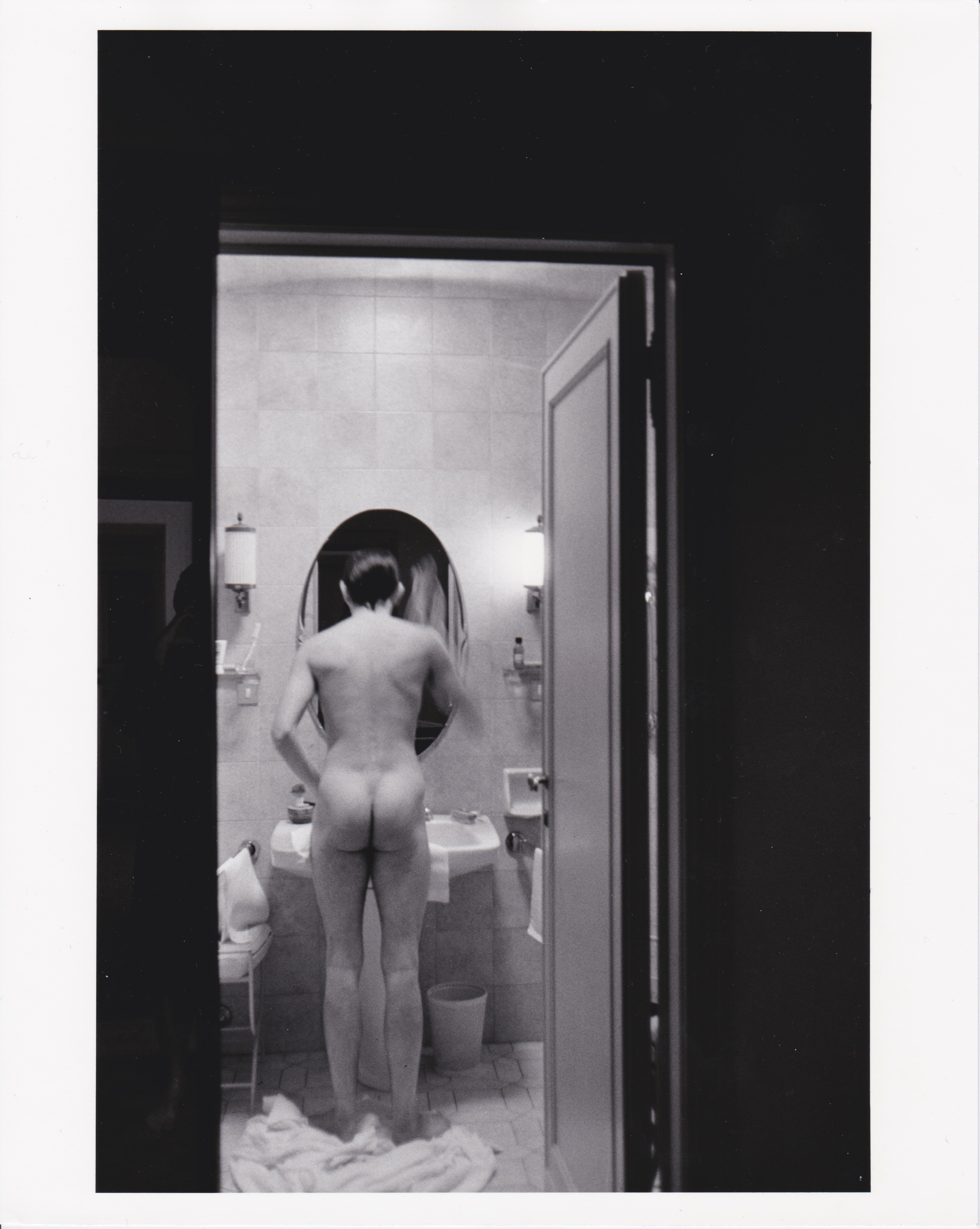
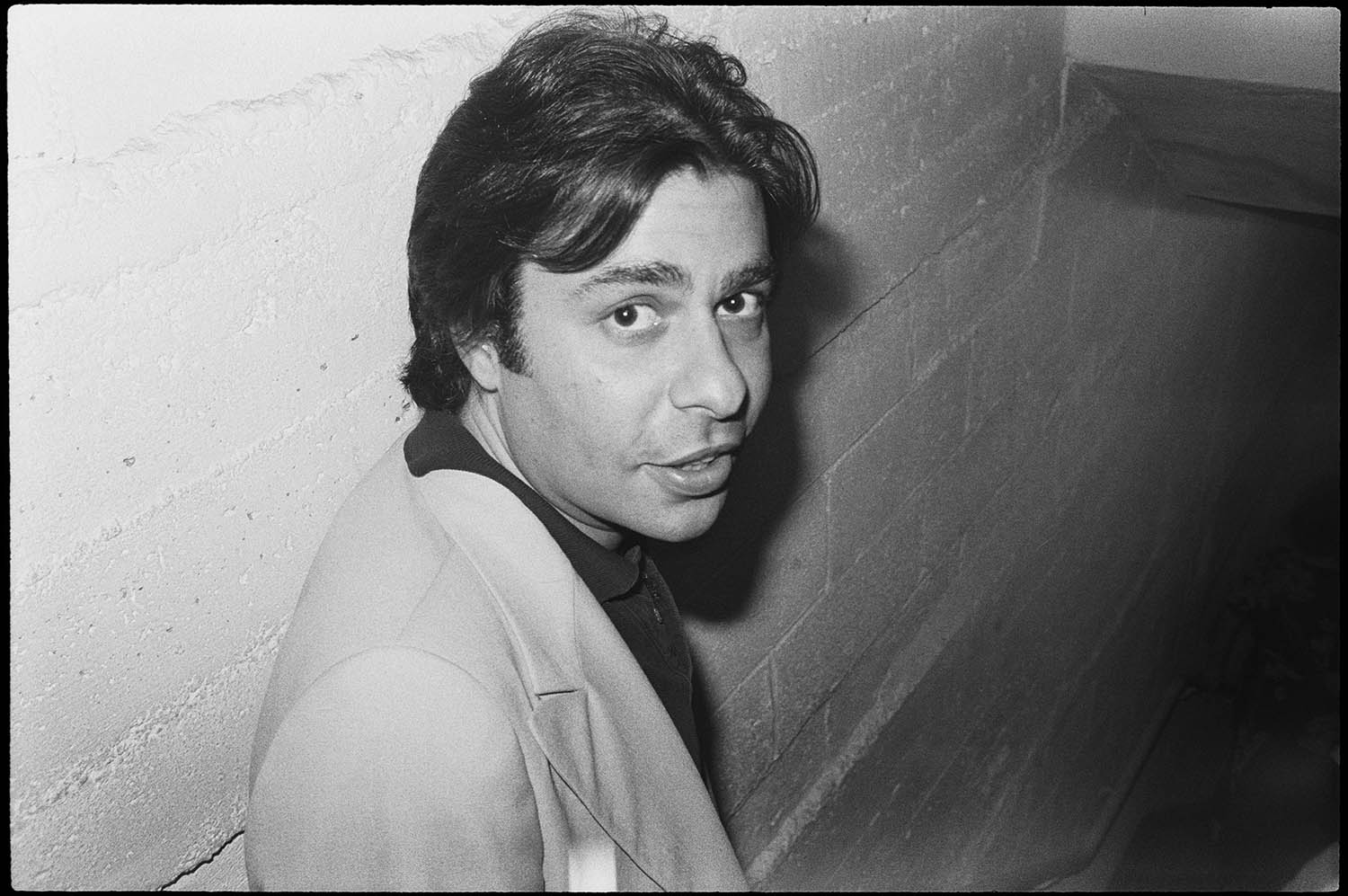

 Pictures From Another Time is showing at New York’s Vito Schnabel gallery until June 21, 2019.
Enjoyed this article? Like Huck on Facebook or follow us on Twitter.
You might like

Jesse Glazzard’s messy portrait of queer friends, lovers and chosen family
The Sound of Dirt and Beauty — The photographer’s debut monograph explores tender, unpolished moments shaped by the people who he surrounds himself with, while offering a window into the UK’s working-class LGBTQ+ community.
Written by: Sunny Sunday

Behind the curtain at Alternative Miss World 1981
Olympia glamour — Running a subversive take on the traditional beauty pageant, the Andrew Logan organised event prioritised underground creativity and invention. Photographer David Corio went behind the scenes at its biggest edition.
Written by: Miss Rosen

New exhibition highlights British radical living over 200 years
Earthly Paradise — Taking place at the William Morris Gallery, it explores the homes and lives of artists, writers, musicians and more, as well as the conditions that allowed them to thrive.
Written by: Isaac Muk

What life on the Strait of Hormuz is really like
Southern Winds — Bandar Abbas based photographer Morteza Niknahad has been capturing the diverse communities and stories of his local region since he first picked up a camera. His new series highlights the human impact of war.
Written by: Isaac Muk

Nick Haymes’s intimate portrait of his family’s life
Chronograph — Over 25 years, the photographer documented his son’s lives as they grew into adults. The resulting photobook is an exploration of the passage of time, as well as the optimism of youth.
Written by: Miss Rosen

Kristina Rozhkova’s scatty, confronting portrait of captivity
Gut Feeling — The Russian artist’s 2024 arrest and subsequent detention opened her eye towards the omnipresent dynamics of power and control. Her new photobook is a stark exploration of being trapped.
Written by: Isaac Muk


