Your boss has earned more in 2017 already than you will all year
- Text by Paden Vaughan

The chances are you’re already feeling crap today. It’s Wednesday, the middle of the working week, which is never where you really want to be. Add to that the post-Christmas blues, the alarmingly empty bank account, and the fact it’s barely above freezing outside, who could blame us for being a little down.
But if you thought these first few days back at the office were hard for everyone, think again. Yes, it’s that time of year again when we remember just how much more than us our bosses earn. While many of us struggle to simply make ends meet, the UK’s top bosses will have already earned more than the average worker’s annual salary by lunchtime today. Happy New Year!
The latest report from the High Pay Centre, the independent think-tank that analyses pay gaps between low and high earners, estimates that the average FTSE100 CEO now earns roughly £1000 per hour, meaning only 28 hours of work is enough for them to surpass the average yearly UK salary of £28,000. And that’s an average overall: for those aged 22-29 in Britain, the average salary is more like £21,000, meaning this milestone was passed hours ago.
“There is apparently no end yet in sight to the rise and rise of FTSE100 CEO pay packages,” says Stefan Stern, Director of the High Pay Centre. “In spite of the occasional flurry from more active shareholders, boards continue to award ever larger amounts of pay to their most senior executives.”
Despite statements from Prime Minister Teresa May describing the gaps between top bosses and workers as “irrational, unhealthy and growing”, executive pay has grown exponentially in the past few years, jumping to an annual average of £5.48 million in 2015 from £4.96 million in 2014.
But rather than attempt to dampen our spirits as we head back into an even more unequal workplace, the High Pay Centre hopes that the findings can provide a much-needed wake-up call to a government that has put low earners on the back burner.
And on the upside, you’ll probably feel a little less guilty about pulling a sickie tomorrow, right?
Enjoyed this article? Like Huck on Facebook or follow us on Twitter.
You might like
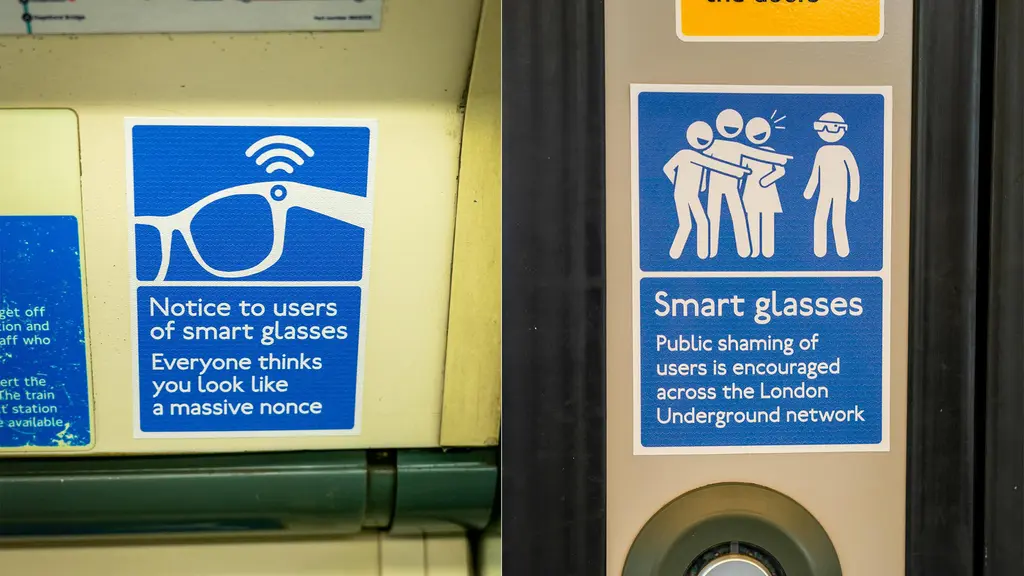
Activists slam “pervert glasses” in new guerrilla campaign
Everyone Hates Elon — Stickers have appeared on the London Underground network, criticising the wearable technology’s covert filming capabilities.
Written by: Isaac Muk

New exhibition highlights British radical living over 200 years
Earthly Paradise — Taking place at the William Morris Gallery, it explores the homes and lives of artists, writers, musicians and more, as well as the conditions that allowed them to thrive.
Written by: Isaac Muk

Pink Floyd’s Roger Waters joins team of new Palestinian resistance documentary
Freedom Theatre — Directed by Rishi Pelham, the film spotlights a theatre operating in the Jenin refugee camp.
Written by: Ella Glossop

Just Stop Oil holds first protest in 17 months
No new drilling — Having previously said that it was “hanging up the hi-vis”, the climate activist group has blocked a road outside Parliament to protest Andy Burnham opening the door for new oil and gas extraction licenses in the North Sea.
Written by: Ella Glossop

In photos: The enduring resistance of Notting Hill Carnival
Carnival of Resistance — A new photobook by Wayne Campbell and Wayne Crichlow reflects on the protest beginnings of Europe’s biggest street festival, along with the traditions keeping its original spirit alive today.
Written by: Isaac Muk

Tens of thousands gather to remember Jason Arday at London vigil
Stand Up to Racism — It took place in Trafalgar Square, with speakers paying tribute to the former Cambridge professor’s life and achievements, while calling for accountability over the reporting he faced from the mainstream press.
Written by: Ella Glossop


