
Fun for all the family: colourful shots of Butlin’s in the ’80s

Billy Butlin launched his eponymous package holiday empire back in the 1930s, opening his first camp in Ingoldmells, Skegness. His idea for Butlin’s was simple: fun for all the family, in one place, whatever the weather.
By 1966, there were ten camps in total – including one in Ireland and the Bahamas. It was that summer that Barry Lewis bagged himself a job as an assistant cook at the Bognor Regis site, on Britain’s south coast. He was 17 years old – due to start university that autumn – and it would mark his first time living away from home.
“Our family holidays had usually been spent in smaller, cheaper holiday camps – but Butlin’s was another world,” he remembers. “A huge bustling village of 10,000 people all determined to have fun. It was loud and raucous, with everything an exaggerated assault to the senses. Six days a week, I would start at 7am, serving some of the 5,000 full English breakfasts to the campers – after a full English hangover.”
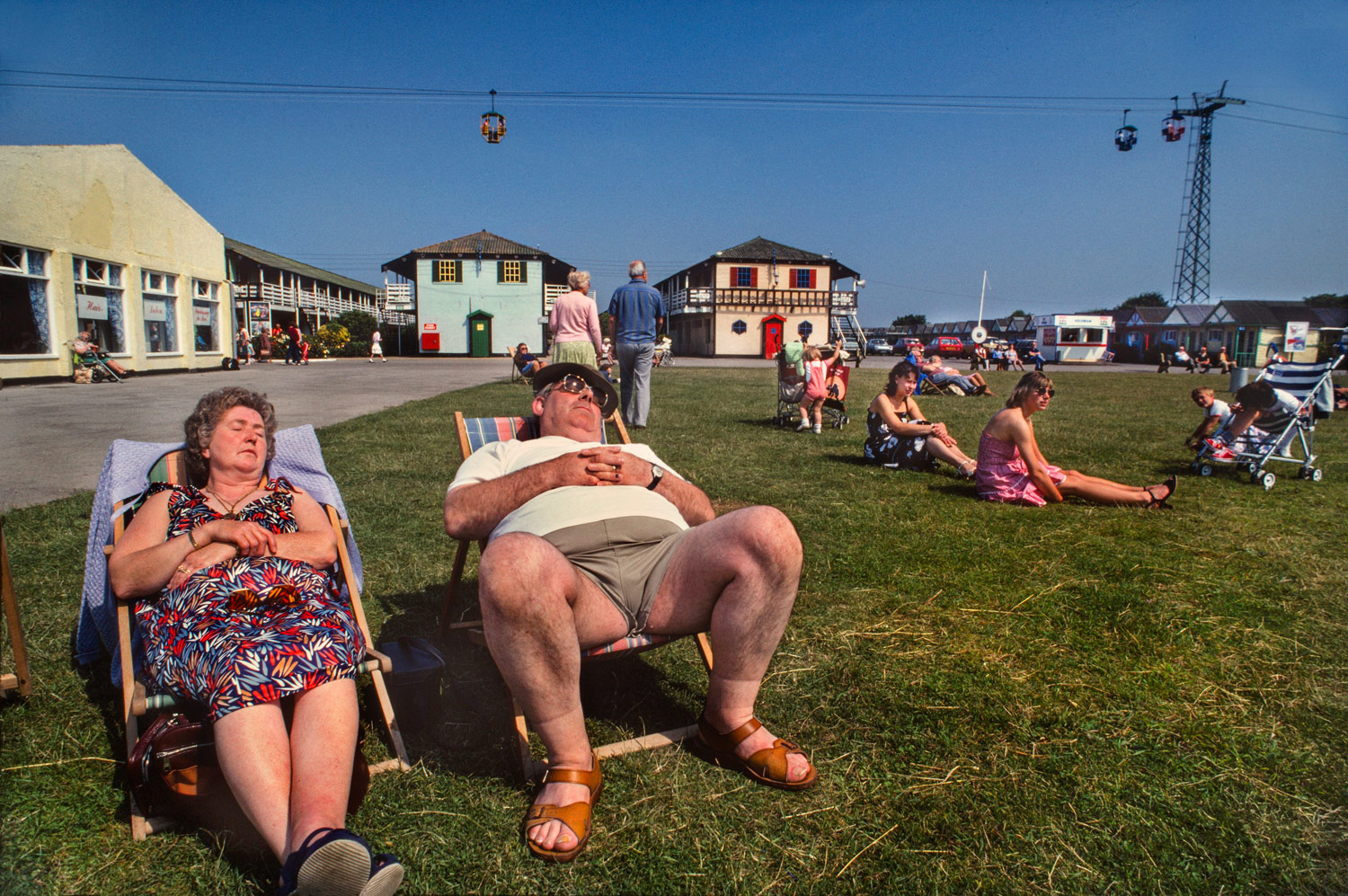 The summer he spent there wasn’t exactly a relaxing one, which was fine by him. “I wanted to escape from my family,” he continues. “To live independently, and, to be honest, to fall in love – or at least get laid!” When he eventually returned home and completed his studies, he found work as a scientist, inventor and then a chemistry teacher. However, after growing disillusioned with the teaching profession, he made the jump into photography – which had long been a hobby – after a “fortuitous series of events” earned him a place at the RCA under the tutorship of Bill Brandt.
By 1982, Lewis had worked for the likes of Vogue and founded Network Photographers. While he was flying, though, Butlin’s had seen better days: cheap foreign travel and bad British weather meant that Billy Butlins’ original vision was under threat. But when Lewis was offered an assignment which would see him shooting at the original Skegness camp, he jumped at the chance. “16 years later, married with a child, I had the opportunity to return to my field of dreams thanks to the Observer Magazine, as a photographer with a writer friend, to explore in detail ‘The Butlin’s experience.’”
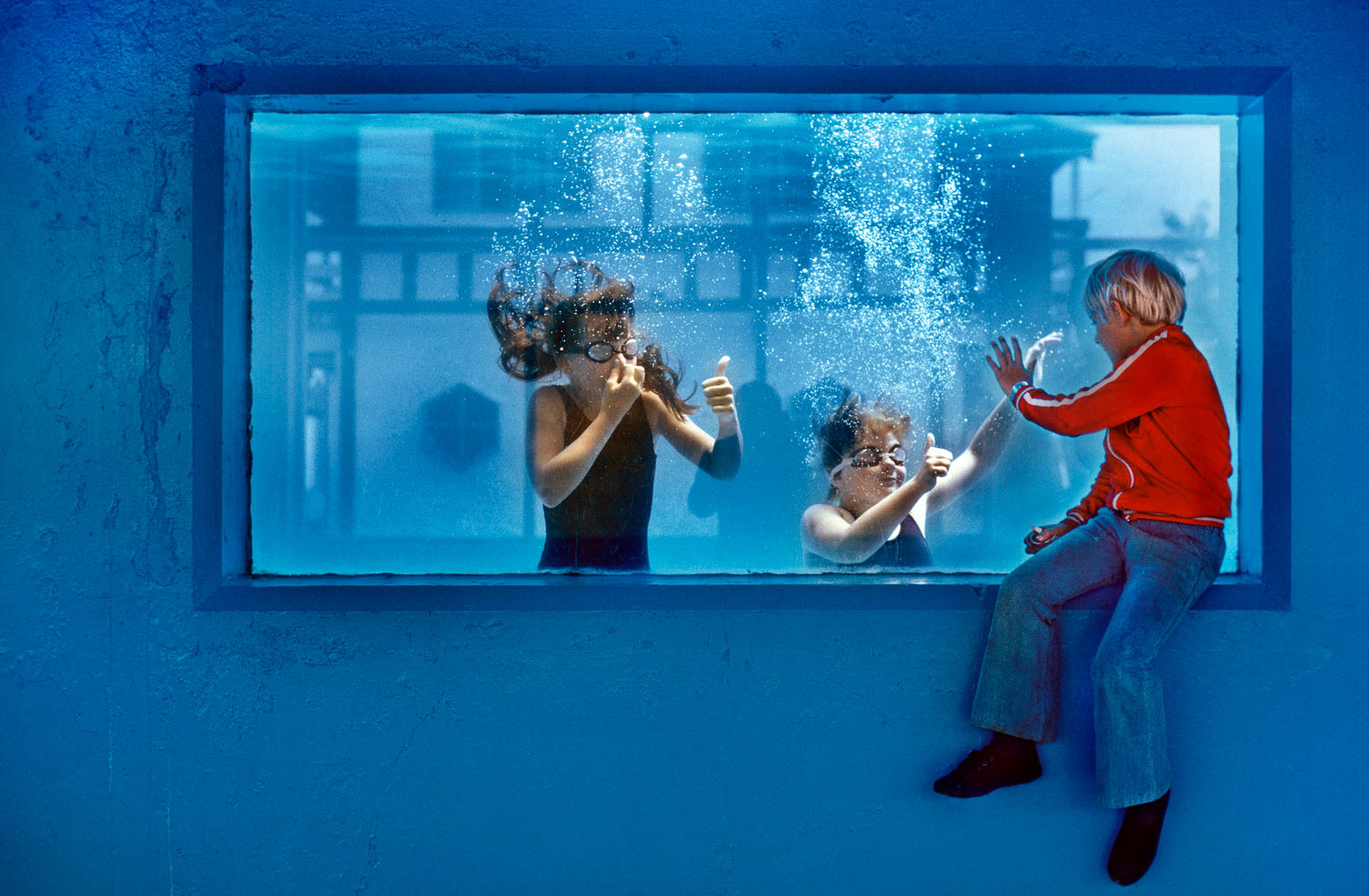
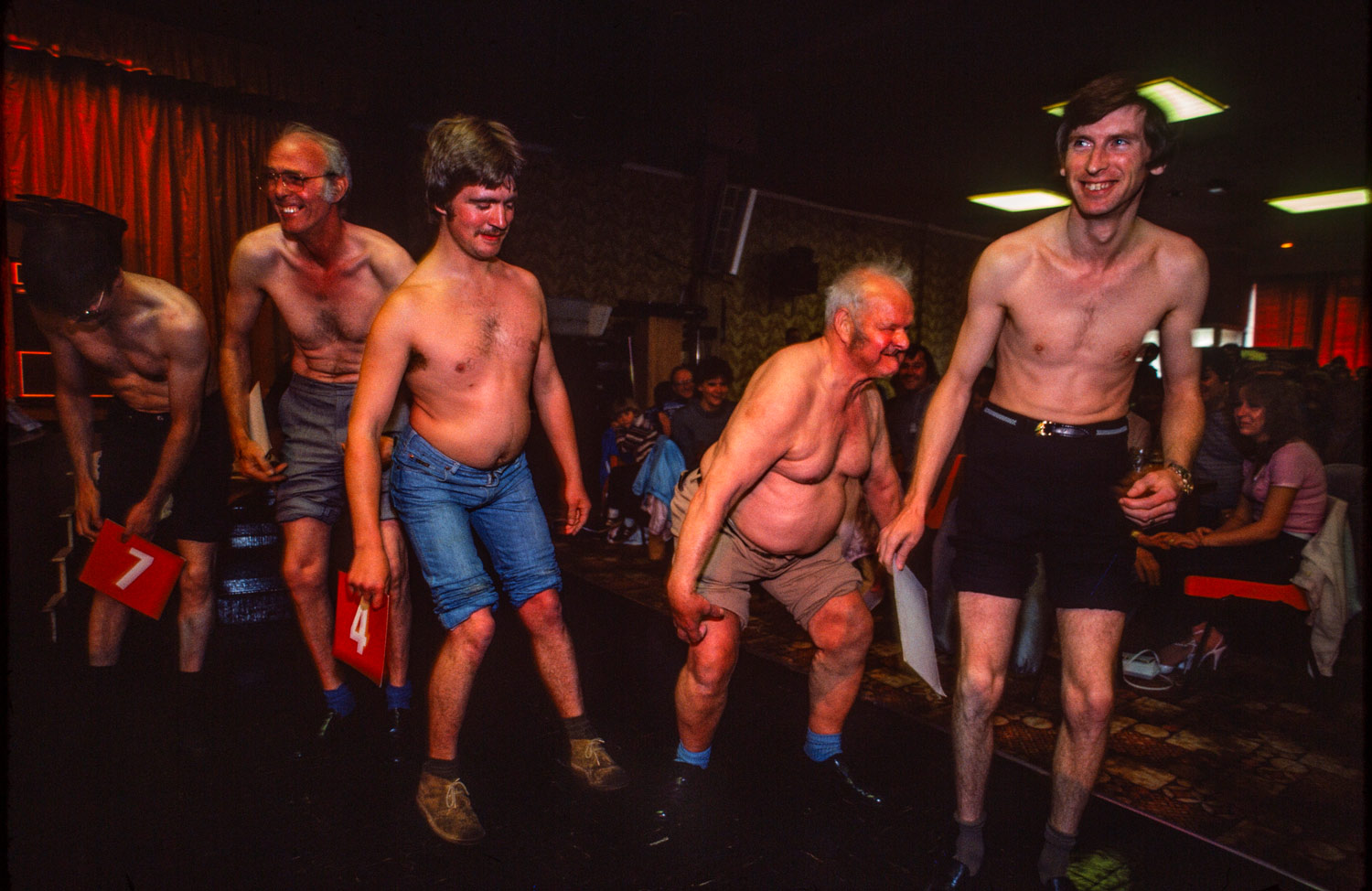
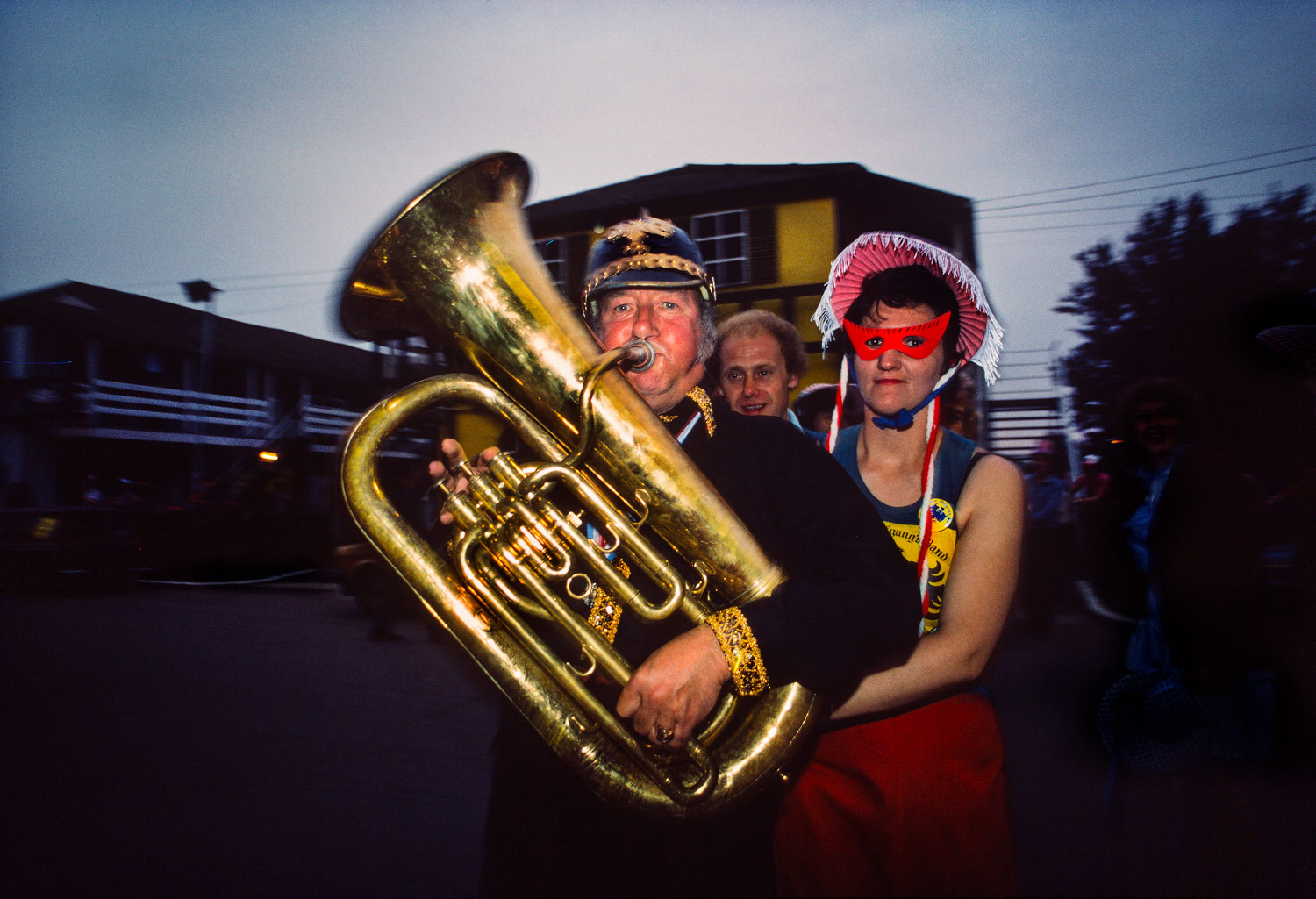 Today, those images come together to form Butlins Holiday Camp 1982. The book, published by Hoxton Mini Press, collates the photographs he took on his return trip, depicting a place that, although it had seen better days, still refused to go quietly. “The show went on, propelled by the constant effort and good humour of the staff – whatever the weather!” Lewis says. “To understand Butlin’s at that time you have to realise it was like being in a space capsule… Holidaymakers seldom ever left the camp, and why would they? All their needs were met, time stood still and everyone was quickly caught up in the exhausting job of having fun.”
For Lewis, who’s in his 70s now, looking back at the photos he took provides a way of remembering his younger life. Today, he views the golden years of Butlin’s as a “vanished age”, one that his kids and grandkids will never know, for better or worse. The warmth in his shots – of beaming Redcoats, sun-kissed families, boozy gaggles of mates – makes it clear how he feels about the place. Because whatever happens, he’ll always have that summer in ’66.
“Time and news loses any meaning in Butlin’s – it is a continuous Groundhog Day,” he says. “I’m not dissing it! Anyone who has had a holiday at the camps will understand what I mean – it’s a Marmite experience. You either enter all the competitions, let go, make lifelong friends, drink and dance until you fall over and, with a bit of luck, fall in love. Or, you shiver in a poorly-heated chalet with the north wind whistling around your ankles, crying into a warm beer and wishing you were home!”
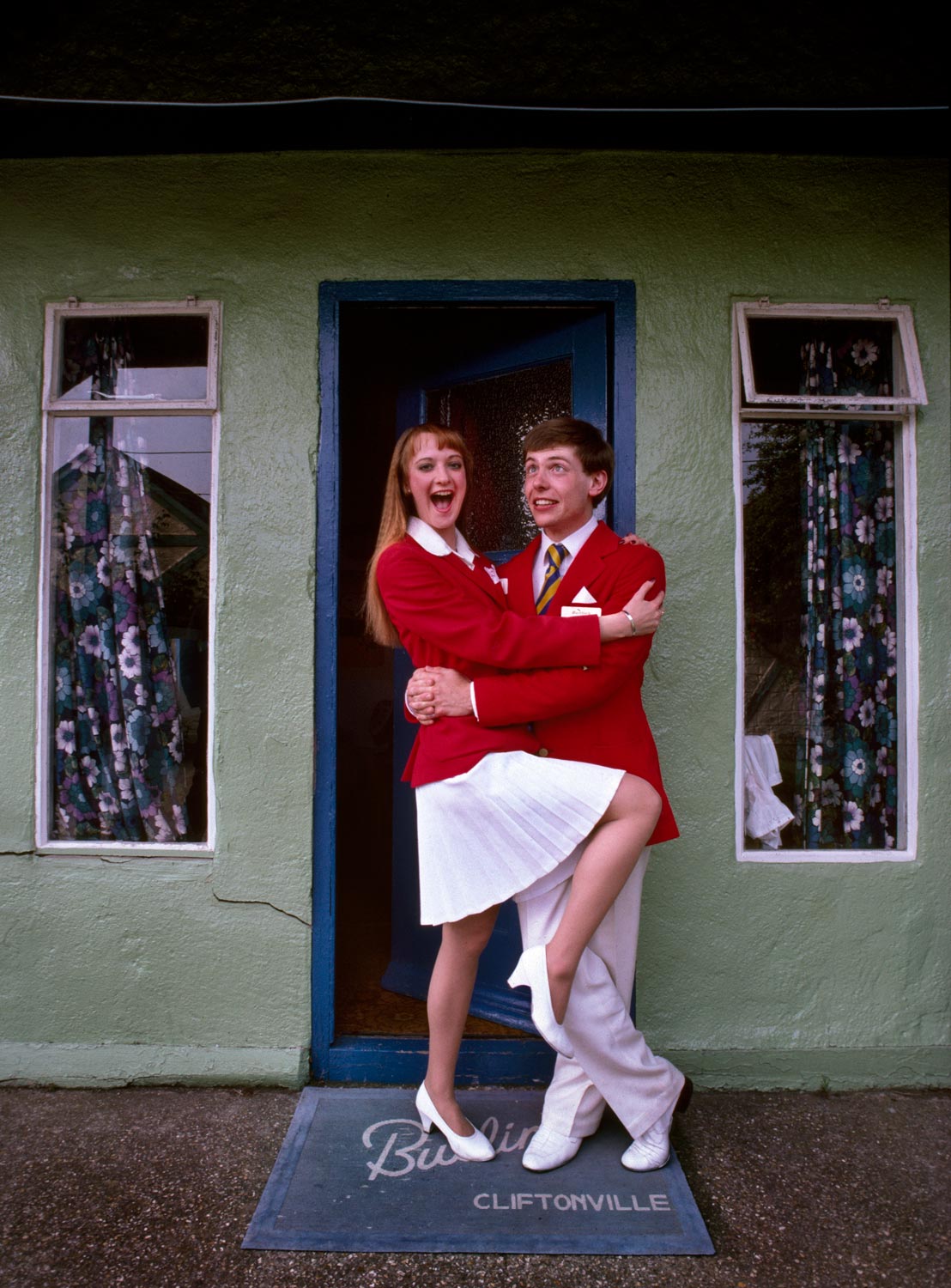
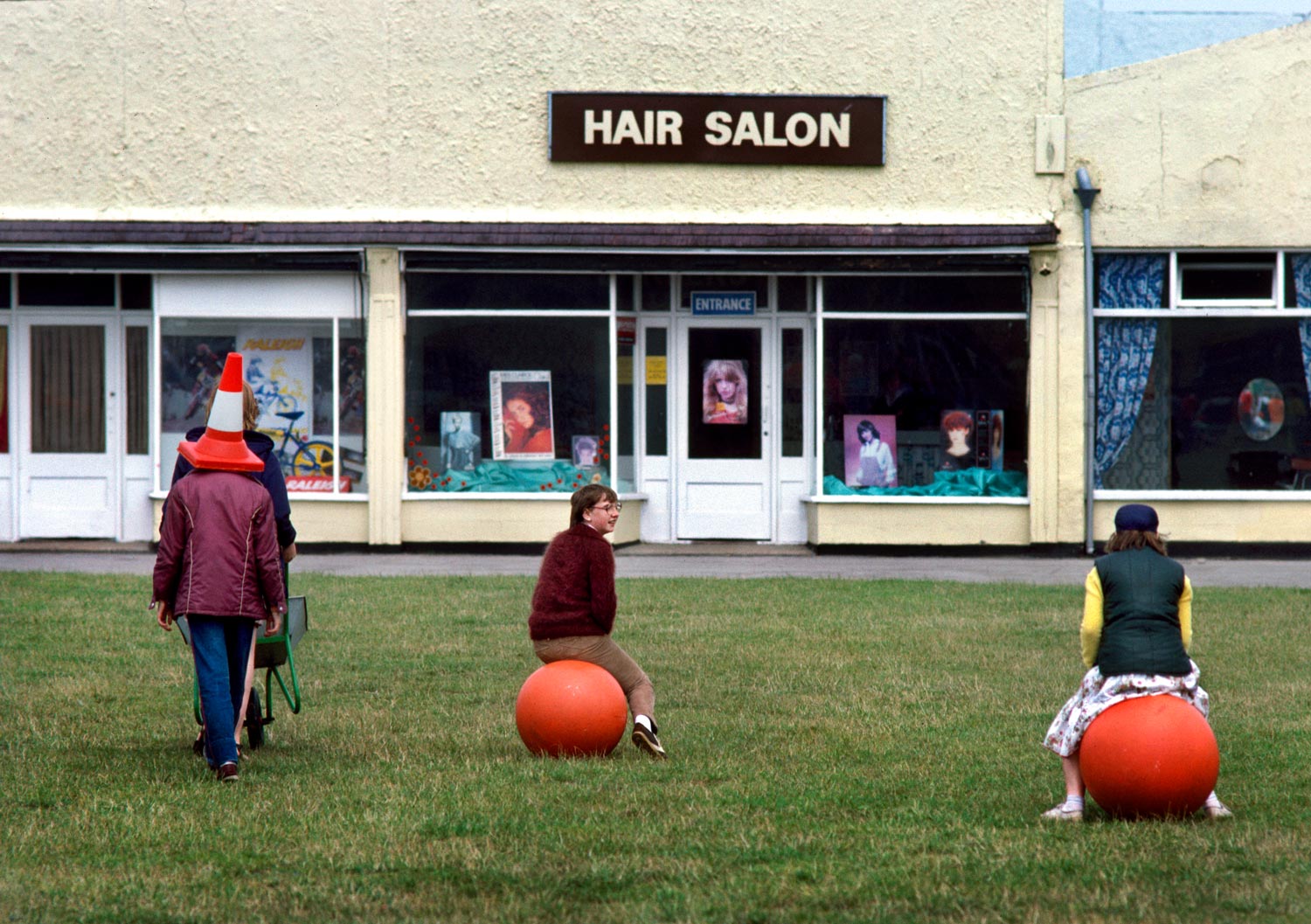
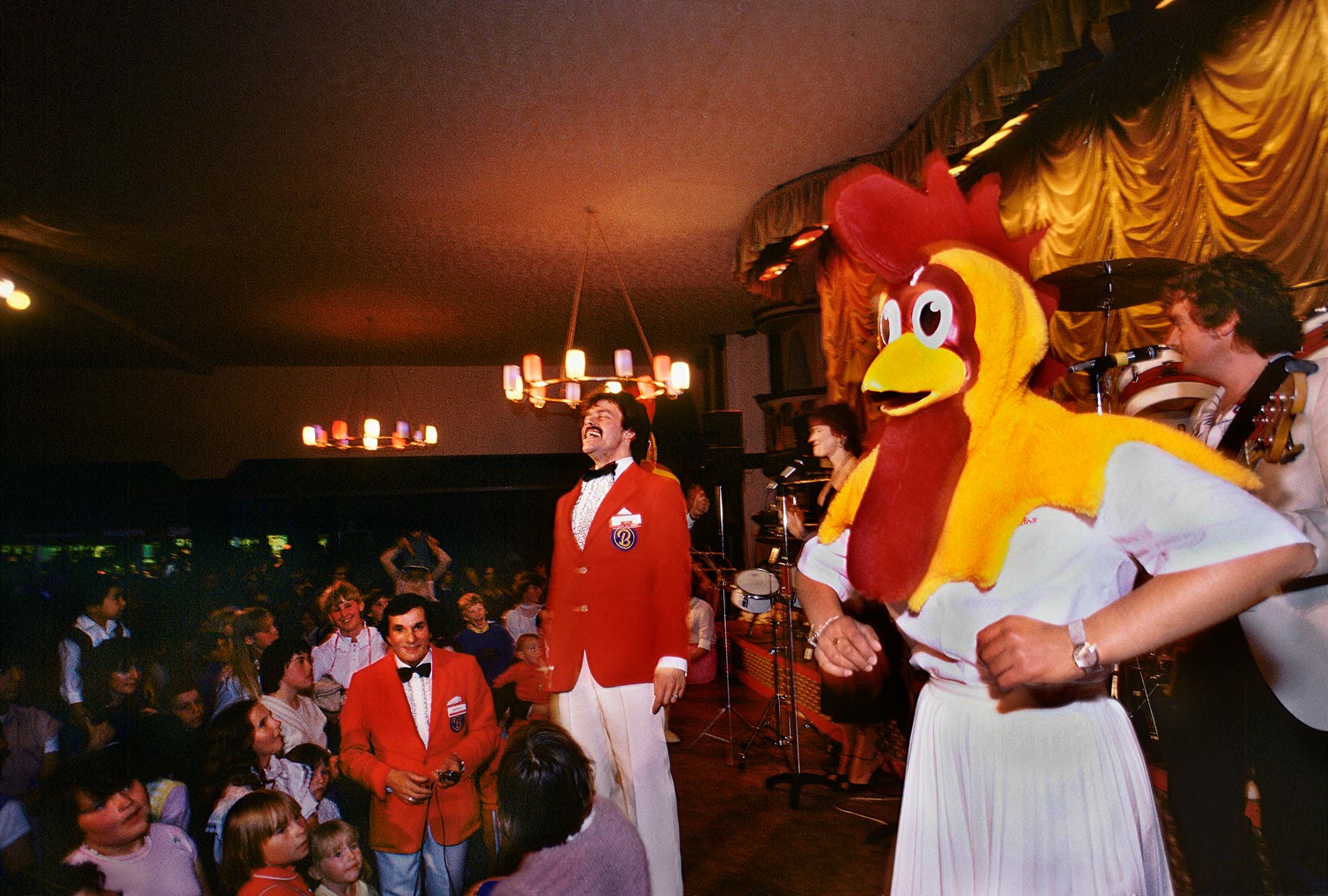
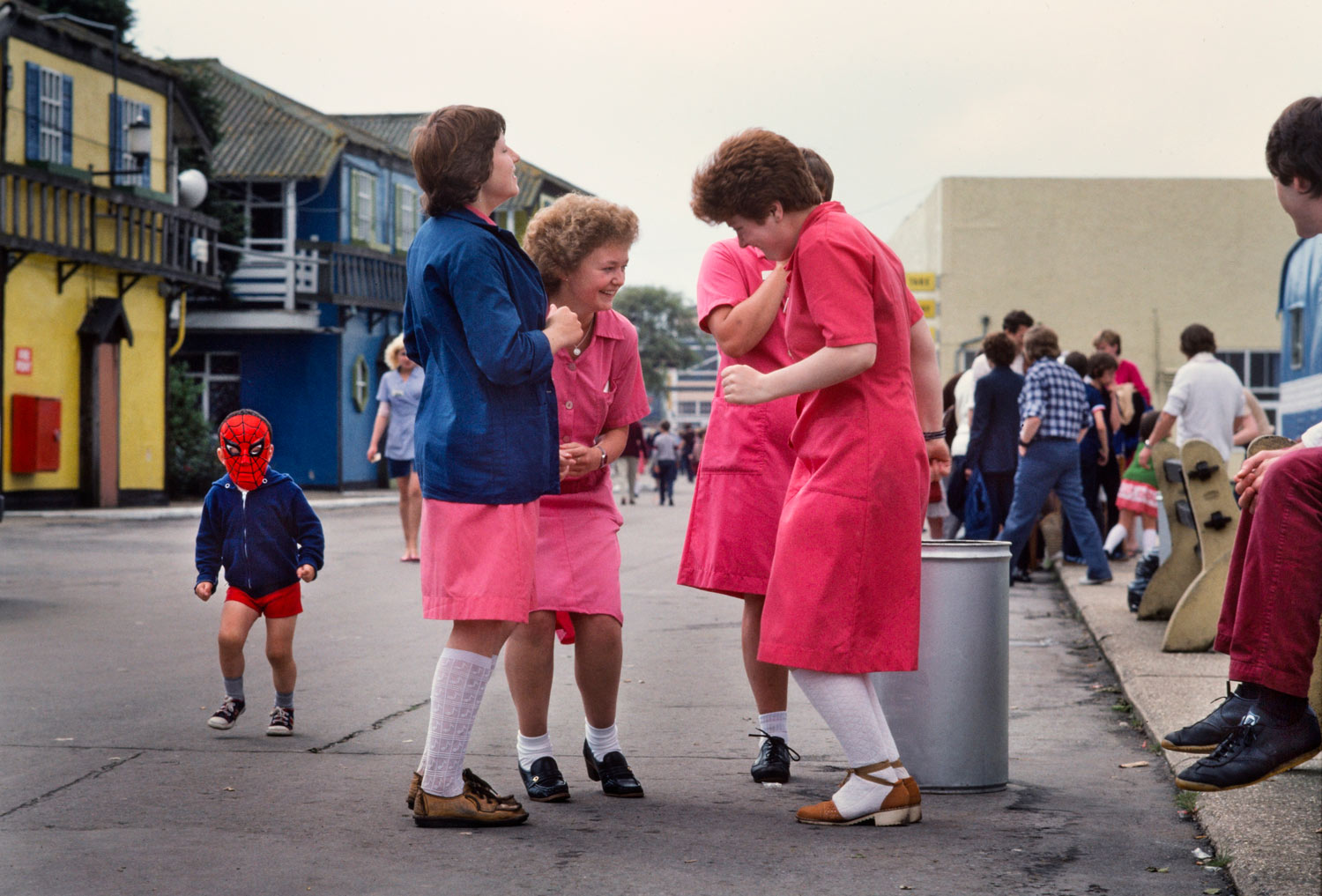
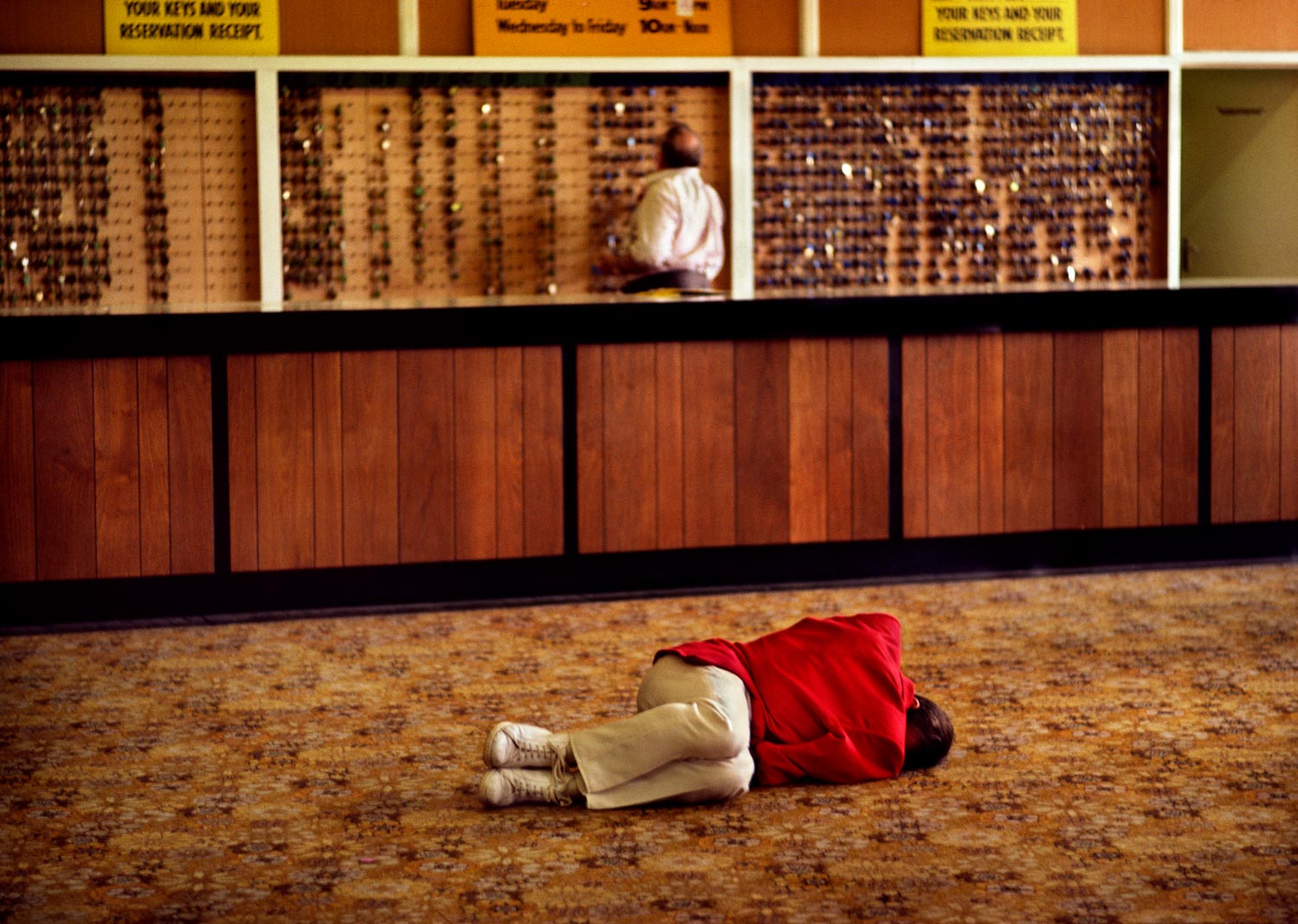
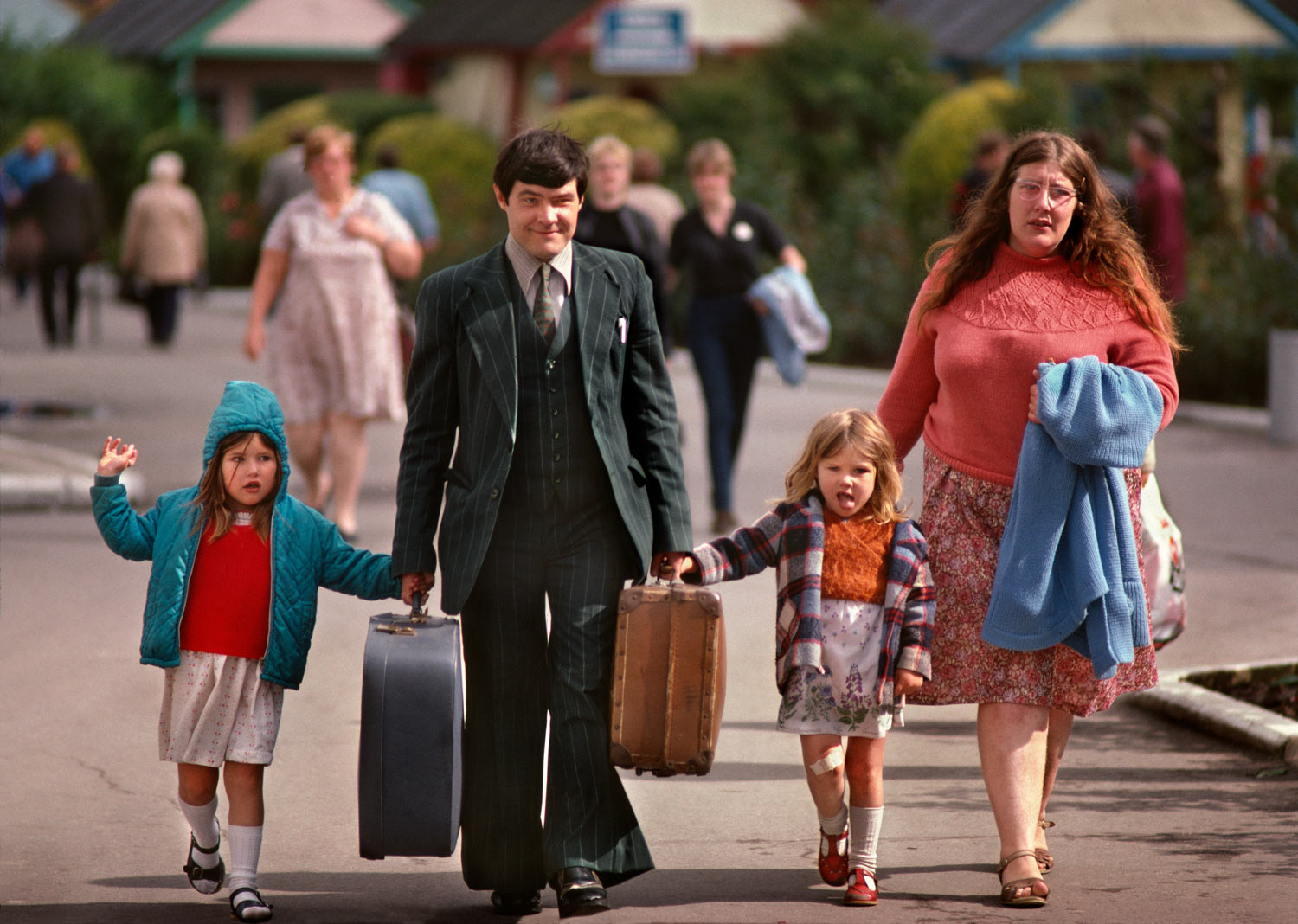 Butlin’s Holiday Camp 1982 is out now on Hoxton Mini Press.
Enjoyed this article? Like Huck on Facebook or follow us on Twitter.
You might like

Inside the Los Angeles scene kid revival
It Starts With Us — For the cover of Huck 84, photographer Alexis Gross and writer Anna Zanes meet the latest faces of scene, who are finding freedom to express themselves through its technicolour, unafraid aesthetic.

Introducing our new issue of Huck Magazine: It Starts With Us
Huck 84 — For our second 20th anniversary issue, we spotlight 20 people and groups providing the world with a hopeful future.

The sharp rise of video game photography
Point, shoot — As the entertainment medium’s fidelity levels increase and developers build more powerful tools, a growing community of gamers are pushing the boundaries of image making in virtual worlds. Vicky Jessop meets people at the forefront of the emerging artform.

Joyous photos from the heart of the UK’s radical free festival movement
Common Grounds — The photographer has been capturing British counterculture for the past half century. A new exhibition looks at his archive sitting at the intersection of music, community and grassroots protest.

The lasting community legacy of a legendary Californian boxing gym
Moretón — Since opening in the ’80s, the Coachella Valley Boxing Club has trained multiple world champions, while providing a vital hub for local youth. In his new photobook, Darren Vargas documents its tight-knit, Chicano-led community, while also weaving a deeply personal story.

Inside the grunge golden age with Hole’s former bassist
My ’90s Rock Photographs — Melissa Auf der Maur’s new photobook is a sprawling visual memoir of her time at the heart of the US scene, from Tinker to The Smashing Pumpkins.


