
Canada is finally investigating murders of First Nations women

After years of anger and protest, the Canadian government has finally addressed the murders of indigenous Canadians. Members of Canada’s First Nation communities made up a quarter of all Canadian homicide victims in 2014, despite forming just 4% of the country’s population. On December 9, the new Liberal government led by Justin Trudeau announced they are launching a much-demanded inquiry into what has become a national crisis.
According to a 2014 report by the Royal Canadian Mounted Police, an estimated 1,200 Native women and girls went missing or were murdered between 1980 and 2012, though it is widely believed actual numbers are much higher. A Toronto Star investigation this year also revealed that half of the murdered women did not know their killers, which suggests targeted killings.
The murder of indigenous Canadians, known as the First Nations, has long been an unspoken emergency in the country, granted little in the way of mass publicity. That is until the murder of 36-year-old Cindy Gladue, a sex worker found dead in the bathtub of a motel in 2011. One of the few Native murders to gain high-profile coverage in the country, the man initially charged with her murder was acquitted in March of this year by a jury of nine men and two women, none of whom were indigenous. This followed a trial marred by controversy and accusations of corruption and disrespect during the investigation.
The Gladue case quickly led to an outpouring of protest led by the No More Stolen Sisters campaign, launched by activists determined to bring justice to victims and curb the systemic devaluing of indigenous life.
Rebuilding the relationship between Canada’s First Nations and those in power was one of new Prime Minister Justin Trudeau’s major political pledges on the campaign trail, and said in a speech to community leaders, “It is time for a renewed, nation-to-nation relationship with First Nations peoples, one that understands that the constitutionally guaranteed rights of First Nations in Canada are not an inconvenience but rather a sacred obligation.” The country’s prior Conservative government widely resisted launching a special inquiry into the murders, despite mounting uproar.
Trudeau has announced that the size and scope of the inquiry will be personally shaped by First Nations representatives along with the families of the many victims. Perry Bellegrade, the national chief of the Assembly of First Nations, responded with relief to the announcement. He told CBC News, “After years of denial and deflection, it is my hope we can make real strides in achieving justice for families and achieving safety and security for all our people.”
Enjoyed this article? Like Huck on Facebook or follow us on Twitter.
You might like

Signs of solidarity as London marks three years of genocide in Palestine
Never forget — 250,000 people gathered on Saturday as Israeli attacks have continued in Gaza and the West Bank. Daisy Schofield photographed the diverse people and placards in attendance.

Landmark new exhibition is celebrating 50 years of female punk
God Save the Queens — The Museum of Youth Culture is bringing together rare photography, archive material and a one-night-only supergroup featuring members of X-Ray Spex, The Slits and The Raincoats.

Photographing America’s 20th century rebels
Rebels With a Cause — A new monograph looks back at Jean-Pierre Laffont’s extensive archive documenting counterculture, art, activism and more, shaping the country as it is today.

Sports Banger is throwing a party to mark 90 years since the Battle of Cable Street
“Fascists hate dancing” — The October event will bring DJs, live music, sound system culture and anti-fascist politics together in East London.
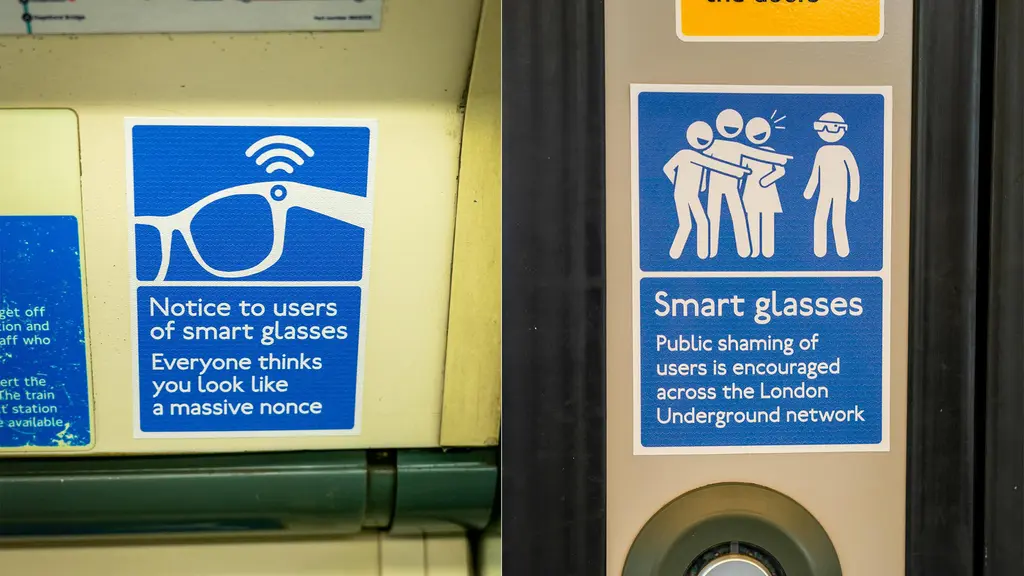
Activists slam “pervert glasses” in new guerrilla campaign
Everyone Hates Elon — Stickers have appeared on the London Underground network, criticising the wearable technology’s covert filming capabilities.

New exhibition highlights British radical living over 200 years
Earthly Paradise — Taking place at the William Morris Gallery, it explores the homes and lives of artists, writers, musicians and more, as well as the conditions that allowed them to thrive.


