Living off-the-grid on the Isle of Tanera Mòr
- Text by Niall Flynn
- Photography by Kevin Percival

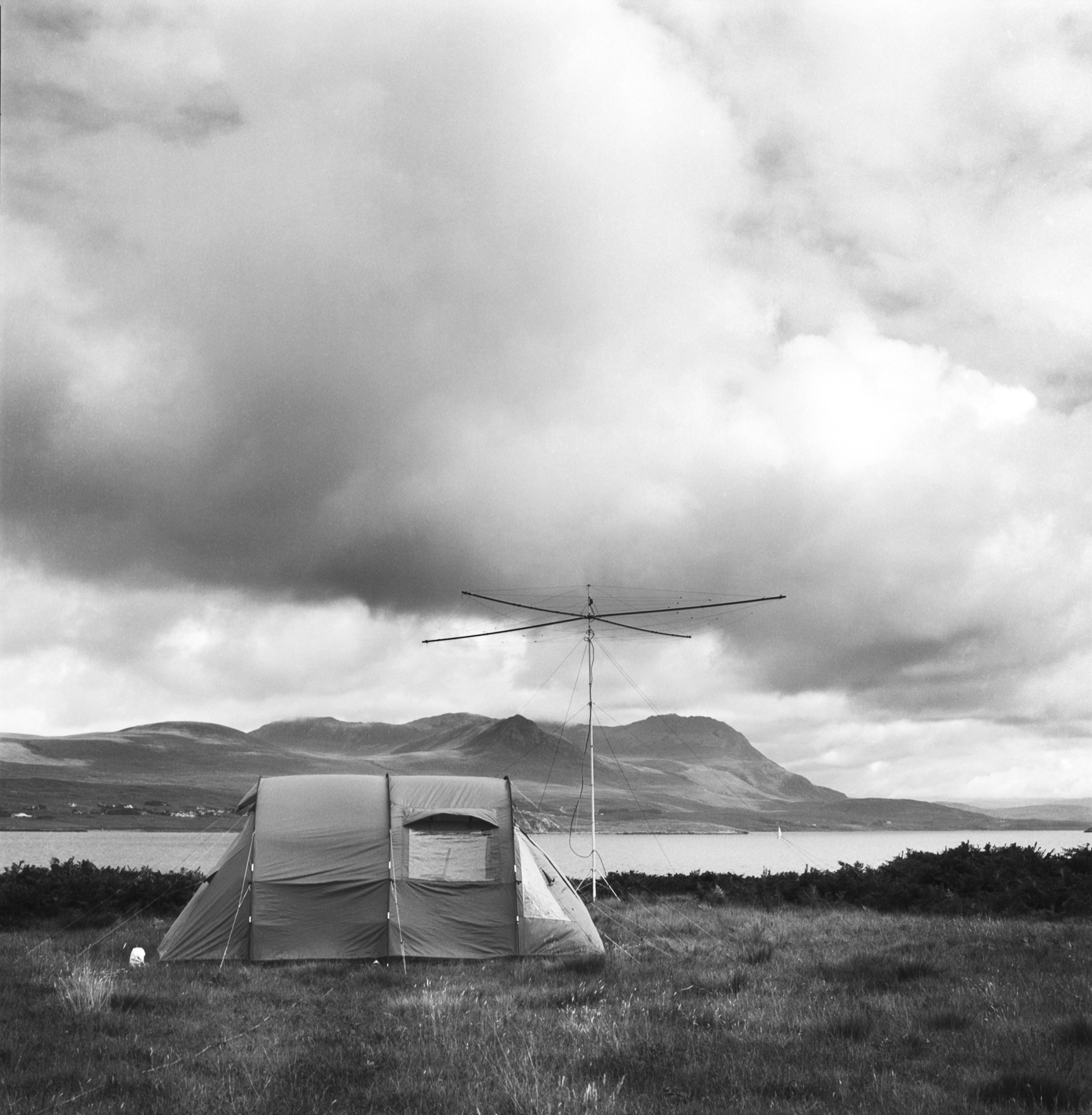
In 2012, photographer Kevin Percival packed up and moved to the Isle of Tanera Mòr – a remote, other-worldly shelter based off Scotland’s northwest coast.
As a part of the island’s tiny, periodical population, he lived and working there seasonally (eight months on, four months off) for a total of two years, surrounded by breathtaking landscapes and never out-of-sight of the sea. At times, he was one of just five people staying on Tanera.
Since then, he has returned for “at least a few weeks every year” as part of an ongoing photo series that sees him documenting the off-grid, faraway existence of the island and the different people – much like himself – that visit and leave their unique mark on it.


“I grew up in rural Derbyshire and I think that’s probably the single biggest influence on the photography I do,” Percival explains.
“I’ve always felt quite passionate about rural issues – both the environmental and the socio-political. Scotland became a second home, it’s the most truly wild-feeling corner of the UK: like where I grew-up, times ten.”
Titled Tanera (Ar Dùthaich), the project – which is showing in an exhibition at London’s Hotel Elephant space – entangles portraiture with distinctive shots of the island’s shapes, forms and textures, all captured – à la Chris Killip, Paul Strand – in black and white.


Framed as a “portrait of a place”, the work operates as a window into life on Tanera. From the wry smile of a young fisher, to the rock formations that long predate him, Percival traces the past and present of a place unlike any other, joining them together as one.
“Making a project about the island drew me in, because it was such a tiny area – but so full of history.”
“You can really see it written into and onto the landscape. Peat cuttings, evidence of previous fires (wild and man-made), buildings, graves, and fields – all remain visible hundreds of years after the original creators pass on.”


 Tanera (Ar Dùthaich) is showing from 1 – 31 March, 2017 at Hotel Elephant.
See more of Kevin Percival’s work on his official website.
Enjoyed this article? Like Huck on Facebook or follow us on Twitter.
You might like

Jesse Glazzard’s messy portrait of queer friends, lovers and chosen family
The Sound of Dirt and Beauty — The photographer’s debut monograph explores tender, unpolished moments shaped by the people who he surrounds himself with, while offering a window into the UK’s working-class LGBTQ+ community.
Written by: Sunny Sunday

Behind the curtain at Alternative Miss World 1981
Olympia glamour — Running a subversive take on the traditional beauty pageant, the Andrew Logan organised event prioritised underground creativity and invention. Photographer David Corio went behind the scenes at its biggest edition.
Written by: Miss Rosen

New exhibition highlights British radical living over 200 years
Earthly Paradise — Taking place at the William Morris Gallery, it explores the homes and lives of artists, writers, musicians and more, as well as the conditions that allowed them to thrive.
Written by: Isaac Muk

What life on the Strait of Hormuz is really like
Southern Winds — Bandar Abbas based photographer Morteza Niknahad has been capturing the diverse communities and stories of his local region since he first picked up a camera. His new series highlights the human impact of war.
Written by: Isaac Muk

Nick Haymes’s intimate portrait of his family’s life
Chronograph — Over 25 years, the photographer documented his son’s lives as they grew into adults. The resulting photobook is an exploration of the passage of time, as well as the optimism of youth.
Written by: Miss Rosen

Kristina Rozhkova’s scatty, confronting portrait of captivity
Gut Feeling — The Russian artist’s 2024 arrest and subsequent detention opened her eye towards the omnipresent dynamics of power and control. Her new photobook is a stark exploration of being trapped.
Written by: Isaac Muk


