Capturing the underground hedonism of Studio 54
- Text by Miss Rosen
- Photography by Meryl Meisler

On April 26, 1977, Studio 54 opened its doors and introduced the world to a new era of nightlife. Owners Steve Rubell and Ian Schrager transformed a former TV studio into a nightclub that hosted extravagant theme parties for the crème de la crème – which included everyone from celebrities to street corner legends.
The door policy was extremely selective; only the most fabulous need apply. But once ensconced behind the velvet ropes, it was democracy on the dance floor. Sex, fashion, and disco were the order of the day, creating a heady mélange of glamour and decadence in the years just before the advent of AIDS.
That June, a young artist named Meryl Meisler, then 25, set forth on what would become a regular foray to the clubs with her partner in crime, Judi Jupiter. “Judi called the publicist for Studio 54 and got us on a list,” she remembers, “then she became friendly with the doorman, Marc Benecke. Once he knew us, we were in.”
The dynamic duo called themselves “Neurotic Erotica”. Meisler helped create Jupiter’s costumes, including one with a lavish skirt made from yellow wrappers of reels of 120 film. Armed with a medium format camera and a spare roll or two, Meisler kept things more understated: “I wasn’t in costume. I wanted to be invisible.”
In playing “straight man” to her more outgoing friend, Meisler captured a bevy of extraordinary moments in and outside the club, a selection of which is included in the exhibitions Studio 54: Night Magic, Magical Thinking, and Grace Before Jones: Camera, Disco, Studio, as well as the book Purgatory & Paradise SASSY ‘70s Suburbia & The City.

Man Carries Judi Jupiter (Film Dress by Meryl) Studio 54, July 1978

Rejected From Studio 54 No No (with Judi Jupiter). Studio 54, NY, NY, October 1978
In 1978, Meisler received a CETA Artist grant and worked documenting “Jewish New York” and her own Jewish identity by day – then hit the discos at night to celebrate: “I liked Studio 54 better than a club like the Odyssey, which was featured in Saturday Night Fever. I went there once but it was too straight for me.”
“I like a mix of people. What makes New York special is that it brings all different kinds of people together. I loved that about Studio 54. It was gay. It was straight. It was genderfluid, older, younger. There were starlets and unknowns. The only thing we might have in common is we didn’t have to get up first thing in the morning.”
Inspired by Weegee and Brassaï, Meisler set forth to document the beautiful people of her time, capturing them at their most effervescent. “I am always more interested in regular people but I didn’t mind walking by stars, saying hello and asking to take their picture. 99 per cent of the time, people said yes.”
“The people in my pictures look good because I look for that in them. I very rarely have a down and out photograph. I am looking for something uplifting, something special or quirky in a positive way. I look for the brighter side of humanity, even when it’s a little weird. This is my coming of age.”

Steve Rubell and Halston on Easter Monday. Hurrah, NY, NY, March 1978

Dance Floor, Studio 54, July 1977

Cigarette Case (Poppers, Joints, and Cigs) Studio 54, January 1978

Disco Bells, Studio 54, July 1977

Reddish Hat and Blue-ish Shirt Studio 54, August 1977
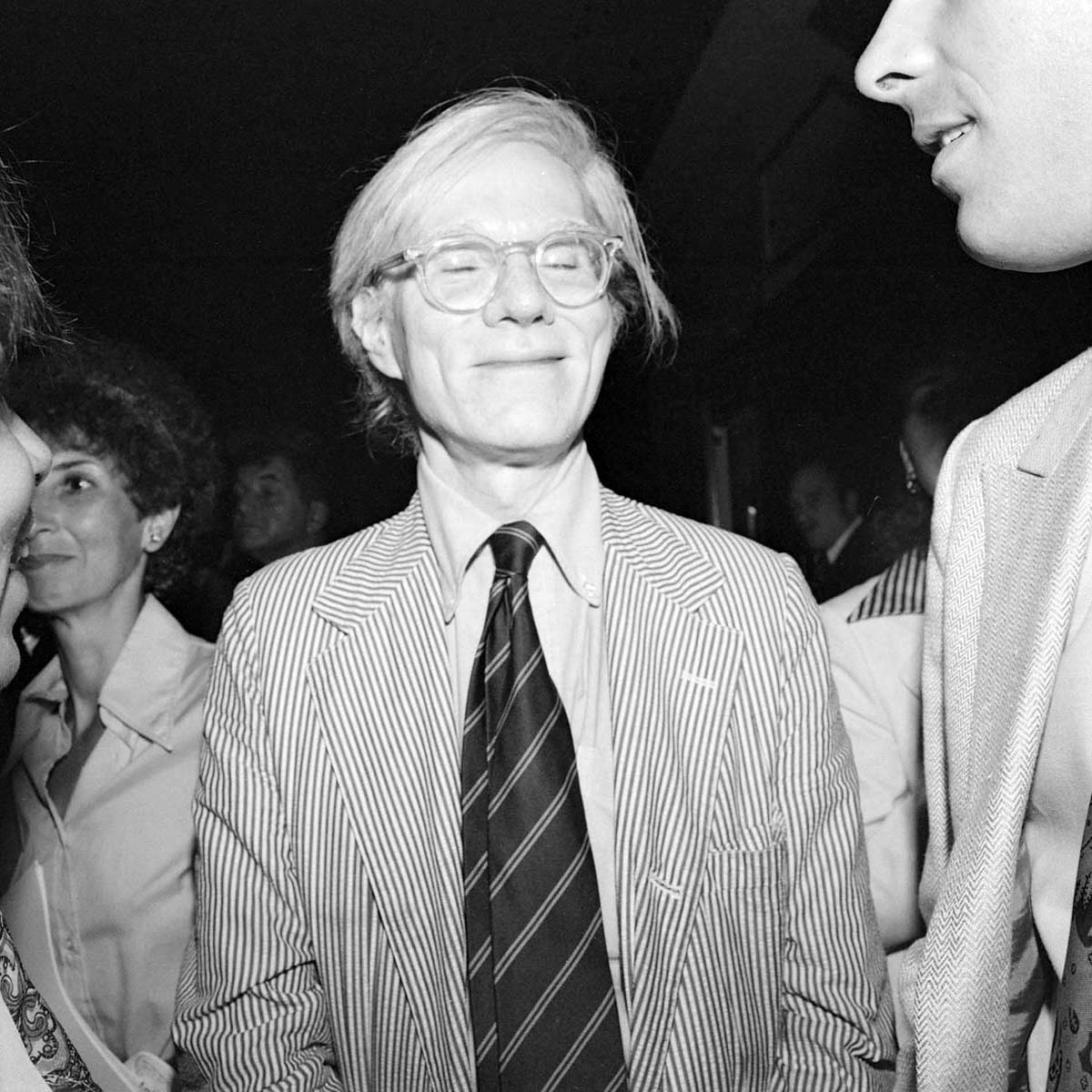
Warhol Eyes Closed (between his friend and Judi Jupiter), Studio 54, July 1977

Dance Trio (with Judi Jupiter) Studio 54, NY, NY, July 1977
Studio 54: Night Magic is at the Brooklyn Museum through November 8, 2020m and will travel to Art Gallery of Ontario in Toronto, Canada, from December 20, 2020–April 11, 2021. Magical Thinking, opens at the Lockwood Gallery in Kingston New York on July 4, 2020. Grace Before Jones: Camera, Disco, Studio is on view at Nottingham Contemporary in the UK from September 26, 2020–January 3, 2021.
Follow Miss Rosen on Twitter.
Enjoyed this article? Like Huck on Facebook or follow us on Twitter.
You might like

Jesse Glazzard’s messy portrait of queer friends, lovers and chosen family
The Sound of Dirt and Beauty — The photographer’s debut monograph explores tender, unpolished moments shaped by the people who he surrounds himself with, while offering a window into the UK’s working-class LGBTQ+ community.
Written by: Sunny Sunday

Behind the curtain at Alternative Miss World 1981
Olympia glamour — Running a subversive take on the traditional beauty pageant, the Andrew Logan organised event prioritised underground creativity and invention. Photographer David Corio went behind the scenes at its biggest edition.
Written by: Miss Rosen

New exhibition highlights British radical living over 200 years
Earthly Paradise — Taking place at the William Morris Gallery, it explores the homes and lives of artists, writers, musicians and more, as well as the conditions that allowed them to thrive.
Written by: Isaac Muk

What life on the Strait of Hormuz is really like
Southern Winds — Bandar Abbas based photographer Morteza Niknahad has been capturing the diverse communities and stories of his local region since he first picked up a camera. His new series highlights the human impact of war.
Written by: Isaac Muk

Nick Haymes’s intimate portrait of his family’s life
Chronograph — Over 25 years, the photographer documented his son’s lives as they grew into adults. The resulting photobook is an exploration of the passage of time, as well as the optimism of youth.
Written by: Miss Rosen

Kristina Rozhkova’s scatty, confronting portrait of captivity
Gut Feeling — The Russian artist’s 2024 arrest and subsequent detention opened her eye towards the omnipresent dynamics of power and control. Her new photobook is a stark exploration of being trapped.
Written by: Isaac Muk


