Chemsex is a modern fable of the collision between sex, drugs and technology
- Text by Alex King
We often look for intimacy and belonging in the wrong places. Increasingly, we reach for technology, drugs and sex to give us what we think we want.
Documentary Chemsex investigates how thousands of young gay men are using hard drugs (often intravenously) to heighten their sexual experiences – sometimes in hedonistic orgies that can last for days. Fuelled by hook-up apps like Grindr and the availability of drugs like GHB, mephedrone and crystal meth, chemsex is helping to spread HIV through unprotected sex and the sharing of needles.
Chemsex affects a minority within the gay scene, but the rising stats worry experts like David Stuart, the UK’s leading chemsex specialist at 56 Dean Street (a pioneering clinic catering to the gay community in Soho), and one of the lead voices in the film.
David explains this trend is driven by a convergence of factors: “Vulnerable gay men with issues around sex, new drugs that tapped into that problem and changing technology. What they call the perfect storm.”
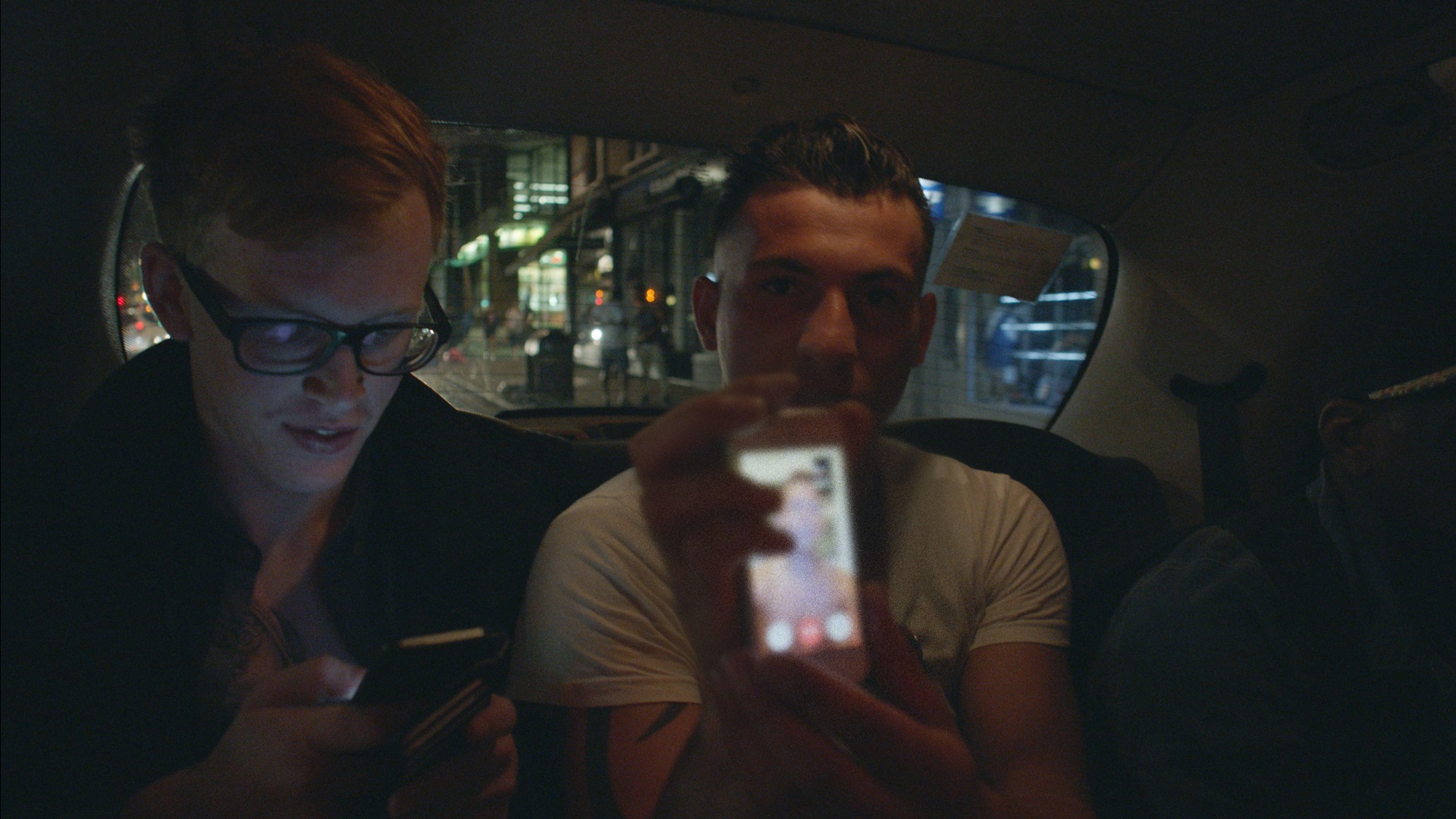
Co-directors Will Fairman and Max Gogarty found the story through a 2013 Vice article and put a call out at the Dean Street clinic and on social media to invite men with experience of chemsex to share their stories. Over the course of one year, they followed a variety of characters to understand the issue from multiple perspectives: sexual health workers, self-confessed ‘slammers’, people who deny there’s a problem and users happy to have ‘got out alive’.
The documentary pulls no punches and, at times, it’s hard to watch: characters share heartbreaking testimony, revelations about sexual abuse, experience chemsex-induced psychosis and deny their HIV diagnosis.
But Chemsex is a film that needed to be made. It raises an issue that needs to be brought to light, gives voice to those who need to be heard and opens a conversation we need to have.
Huck spoke to co-director Max Gogarty to find out more.
How did you, as outsiders, win trust and access to tell this community’s story as they would have liked it to be told?
That was really important to us. We made a lot of editorial decisions to make sure of that: the film wouldn’t have any sort of external voice in the form of a narrator or a presenter, it would be very much observational and authentically told from the voices that mattered.
The way we did that was spending probably three or four months researching the subject, meeting everyone from the NHS, the Terrence Higgins Trust to Lord Norman Fowler who ran the early AIDS campaign in the Thatcher government.
Through those meetings we got introduced to more people and it was really important for us that all of the authoritative voices, the key organisations, were at least on board or understanding what we were doing and were behind it.
We spent time at 56 Dean Street shadowing David, not filming anything, learning about the issues people were presenting with. After we did that initial day shadowing, and sitting in with some of the patients, we knew we needed to do this film, we needed to take it on.
How did you find people to be involved in the film?
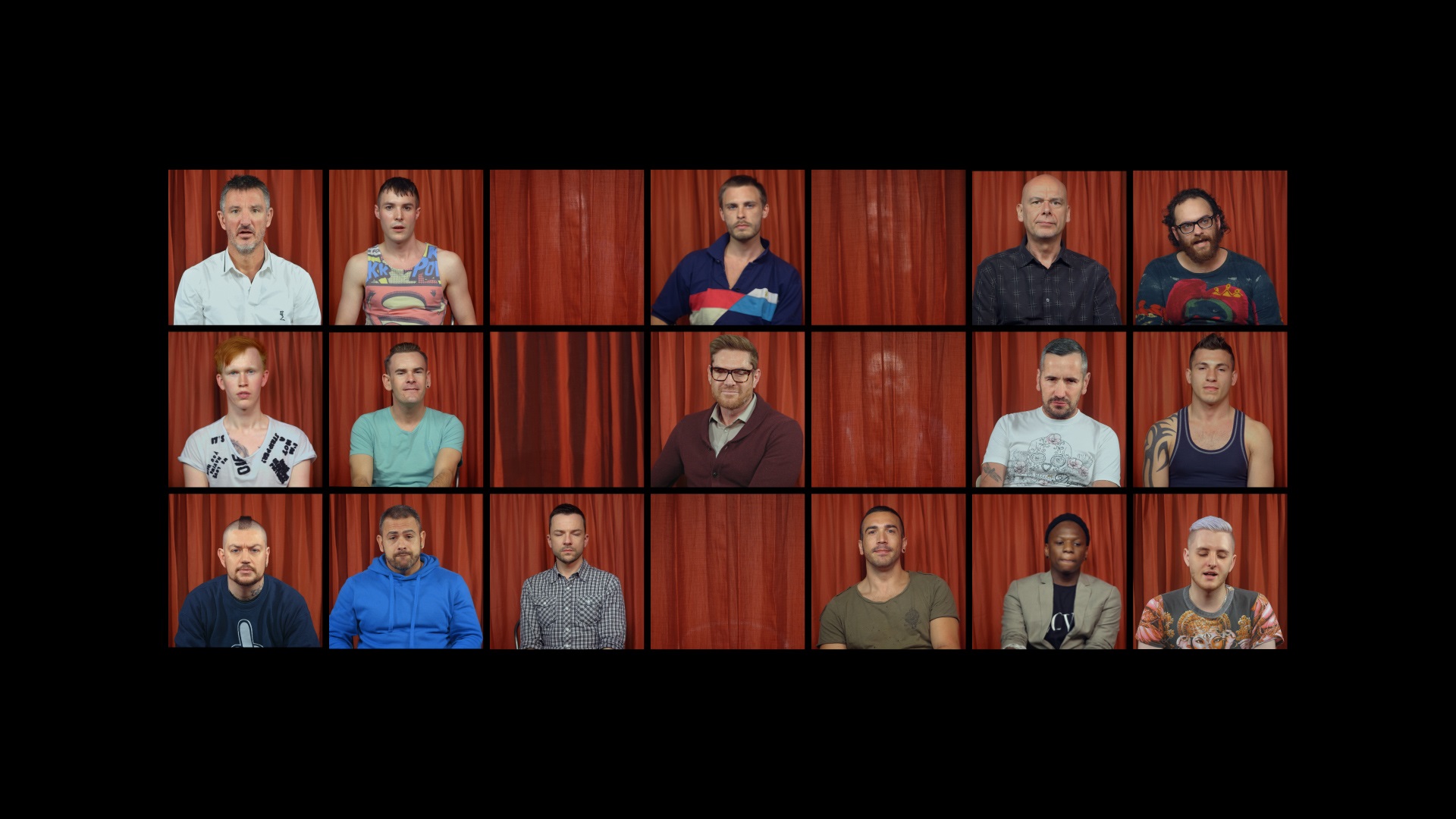
It was very much an open invitation to to people to come and talk to us, anonymously or not. We put out flyers at 56 Dean Street and reached out to the community. We just got chatting to people and then set up these two days of interviews, which form the spine of the film, in front of and behind the red curtain.
We just asked people to show up. We wanted to create a really safe space and a place where people felt that they could speak about some of the issues that aren’t being spoken about. I think that’s the biggest thing: the testimony we heard over those two days is the hardest thing to watch. There are some incredibly graphic moments elsewhere in the film which are tough to see, but I think some of the testimony and storytelling in those interviews is incredibly tough and heartbreaking.
Once we’d done that, a lot of the people from the interviews felt invested in the project. They opened up access to their lives in other ways so we could follow them outside of that room over the course of a year.
It was very much a thing of building trust with these people and that’s why it took a year and a half: having constant discussions along the way about their role in the film and whether they felt comfortable with it. We operated a policy of rolling consent whereby people could pull out if they wanted to. So yeah, it was lots of things that all added up to having a very privileged access into that world.
A lot of the material is quite intense, it’s difficult to watch. Were you ever worried that you might be further stigmatising young gay men?
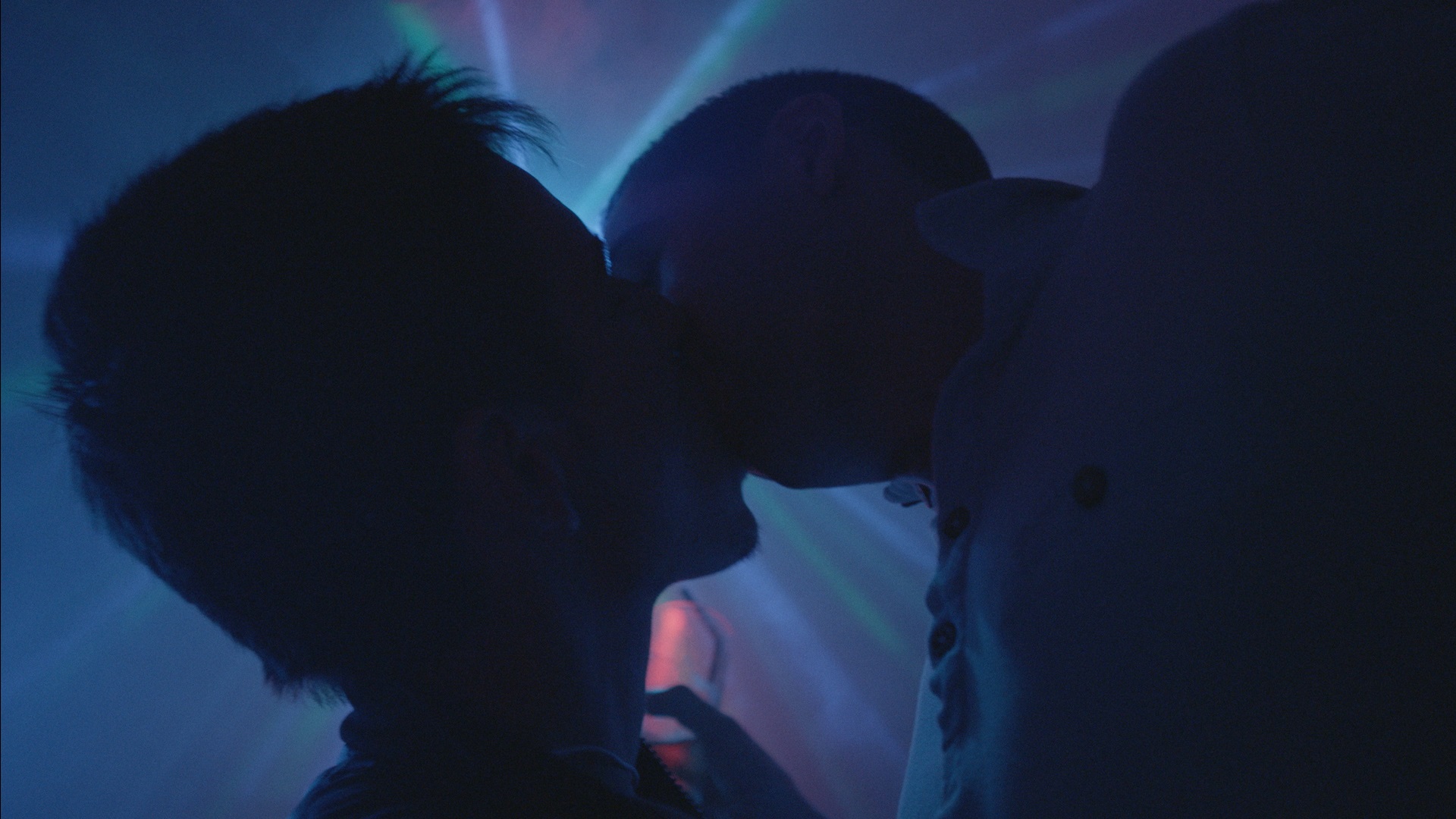
Of course, absolutely. That’s something we consistently spoke about, struggled with and agonised about a lot of the time. Where do you draw the line? We filmed shocking things that are incredibly hard to watch, so what do you include, what do you not include? I think ultimately, as David says, the more silence the worse this could get.
The more we heard, the more we learned and the more people we spoke to; people and organisations, not just the ones featured in the film; we felt editorially justified because we knew this is happening and not in insignificant numbers.
For example, seeing Miguel at the end the going through a an episode of crystal meth-induced psychosis. He called us up at two on a Tuesday afternoon, we went round and that’s what we saw. We had heard similar stories many times and we felt we had to show it because it’s broad stark daylight what that drug can lead to and where it can take you.
I think what’s important is that the headline ‘chemsex’ doesn’t become the sensationalised buzzword. And that people give time and space to a lot of the work that is coming out now, that explores the issue in a much deeper and meaningful way.
Chemsex is in UK cinemas now.
You might like

Portraits of gay bears through a rooftop hatch
Big Boys On My Roof™ — Growing up, Anthony Stockdale struggled with his love for bigger men. His new photo series celebrates the bear community.
Written by: Anthony Stockdale

The raw, fledgling intimacy of Peter Hujar’s contact sheets
Hujar:Contact — A new photobook highlights the process of the legendary queer photographer, and his process of growing into the artist he ultimately became.
Written by: Miss Rosen

Is Field Maneuvers the most fun time ever? Yes probably
Collective joy — Huck’s art director Samuel White went to the 2026 edition, braving a wet start and interviewing FLINTA* collective and arm wrestling legends Uhaul Dyke Rescue in the process.
Written by: Samuel White

Jesse Glazzard’s messy portrait of queer friends, lovers and chosen family
The Sound of Dirt and Beauty — The photographer’s debut monograph explores tender, unpolished moments shaped by the people who he surrounds himself with, while offering a window into the UK’s working-class LGBTQ+ community.
Written by: Sunny Sunday

Pink Floyd’s Roger Waters joins team of new Palestinian resistance documentary
Freedom Theatre — Directed by Rishi Pelham, the film spotlights a theatre operating in the Jenin refugee camp.
Written by: Ella Glossop

UK’s first ever Latino film festival is coming to London
LoLaFF — Taking place between October 2-6, it will feature 55 filmmakers from Latin America, with an opening night at the Barbican.
Written by: Isaac Muk


