
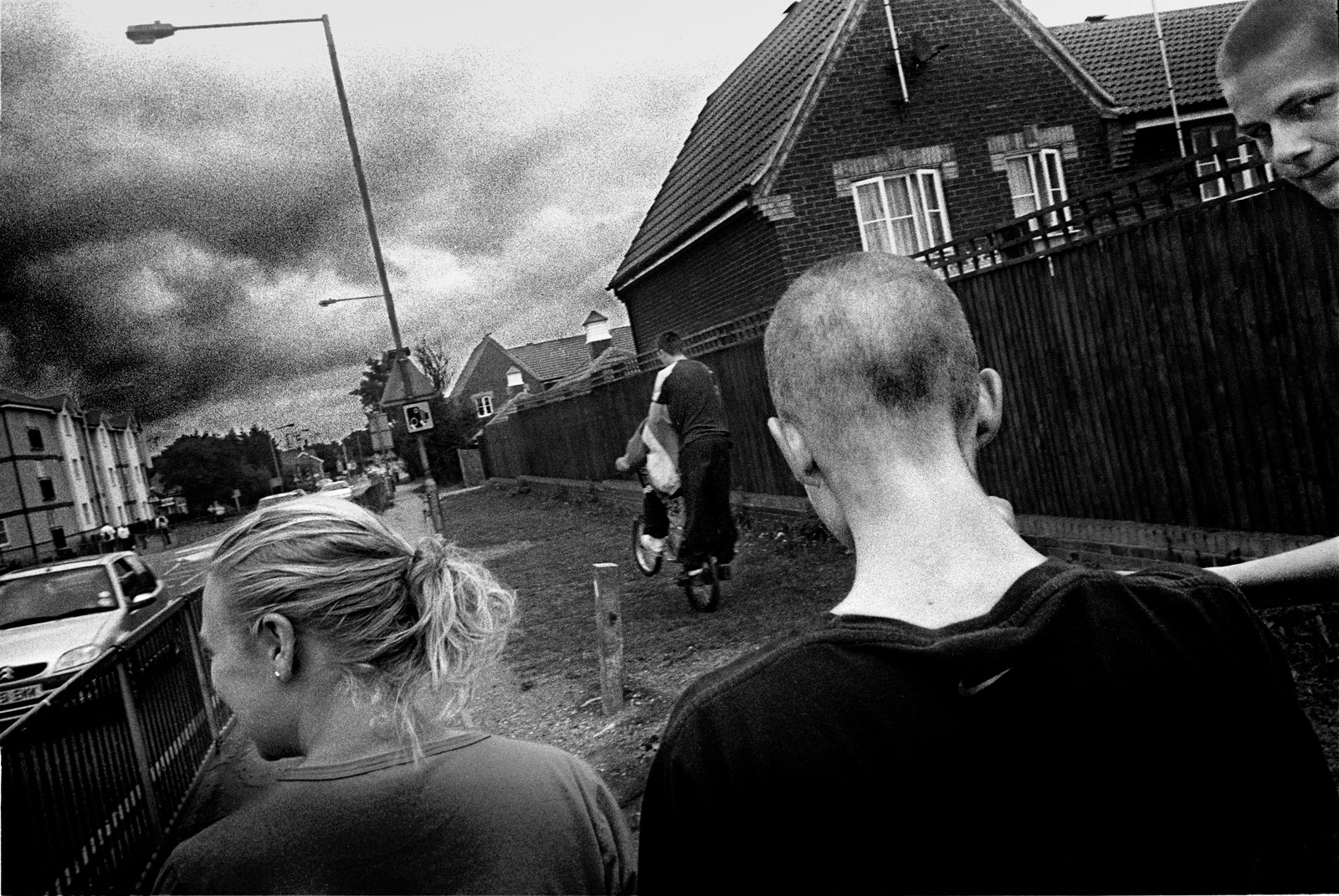
I’ve been documenting England over the past decade through my remarkably unremarkable hometown of Basildon in Essex.
Purpose-built after the Second World War to accommodate London’s sprawling population, Basildon is a construct, its roots a synthesis of Victorian notions of the garden city and modernist architecture.
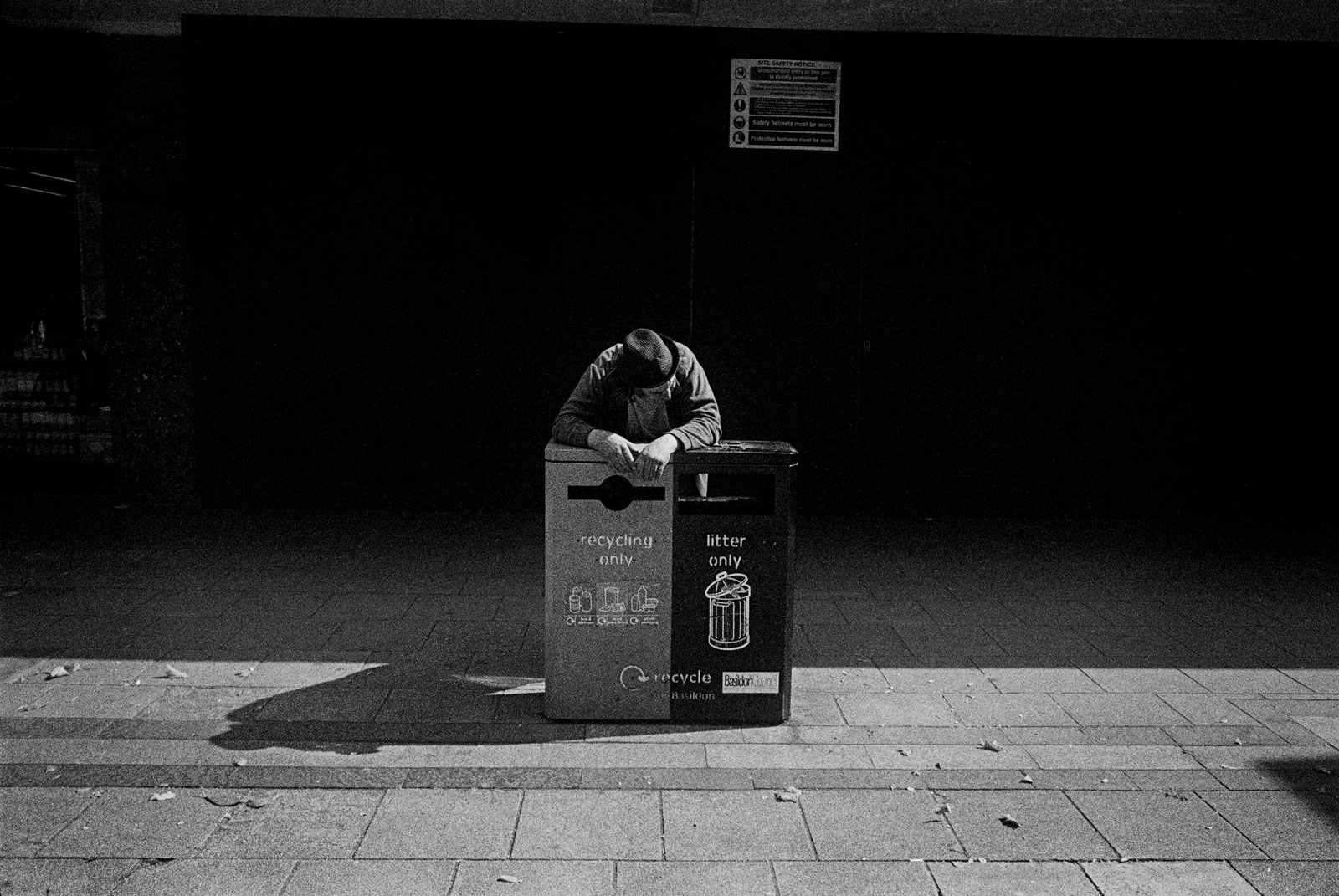
Such ‘new towns’ were an attempt to create an idyll; a planned community that was knowable and predictable.
With many residents tracing their roots to the same parts of East London, the town is, for the most part, culturally homogenous and statistically average – a microcosm of white working-class Britain, if ever there was one.
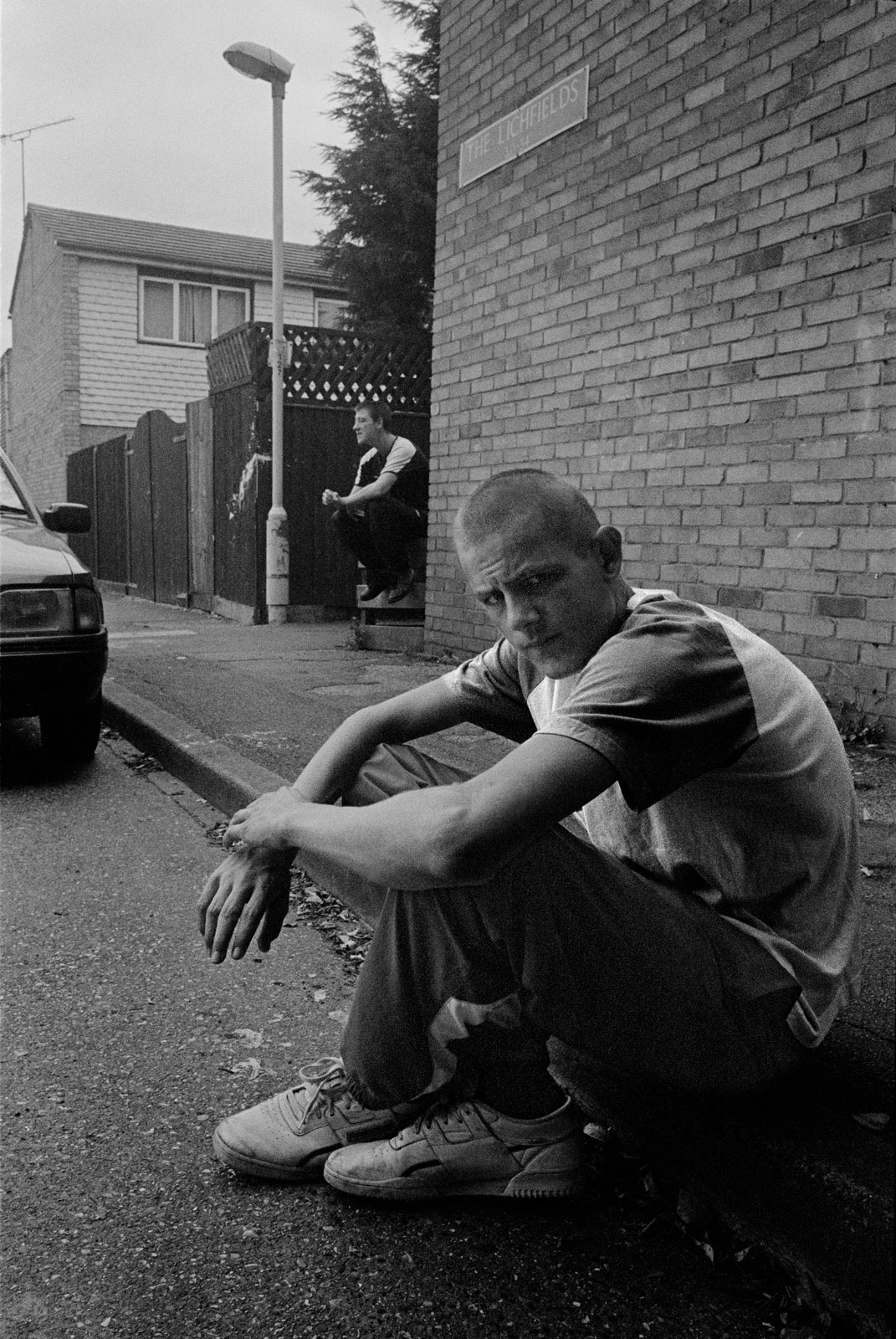
A beginning: 2005. I confronted the town as a stranger. Somehow, I never expected to be back.
I circled its streets, my journeys mapping the contours of my own past, reacquainting myself with that which was forgotten, absorbing all that was unspoken and unseen.
I poked my head into shops, social clubs and private parties. I stood and listened, engulfed by a silence so vast that time seemed to disappear. Some days it felt like nothing had ever happened or will ever happen in this town.
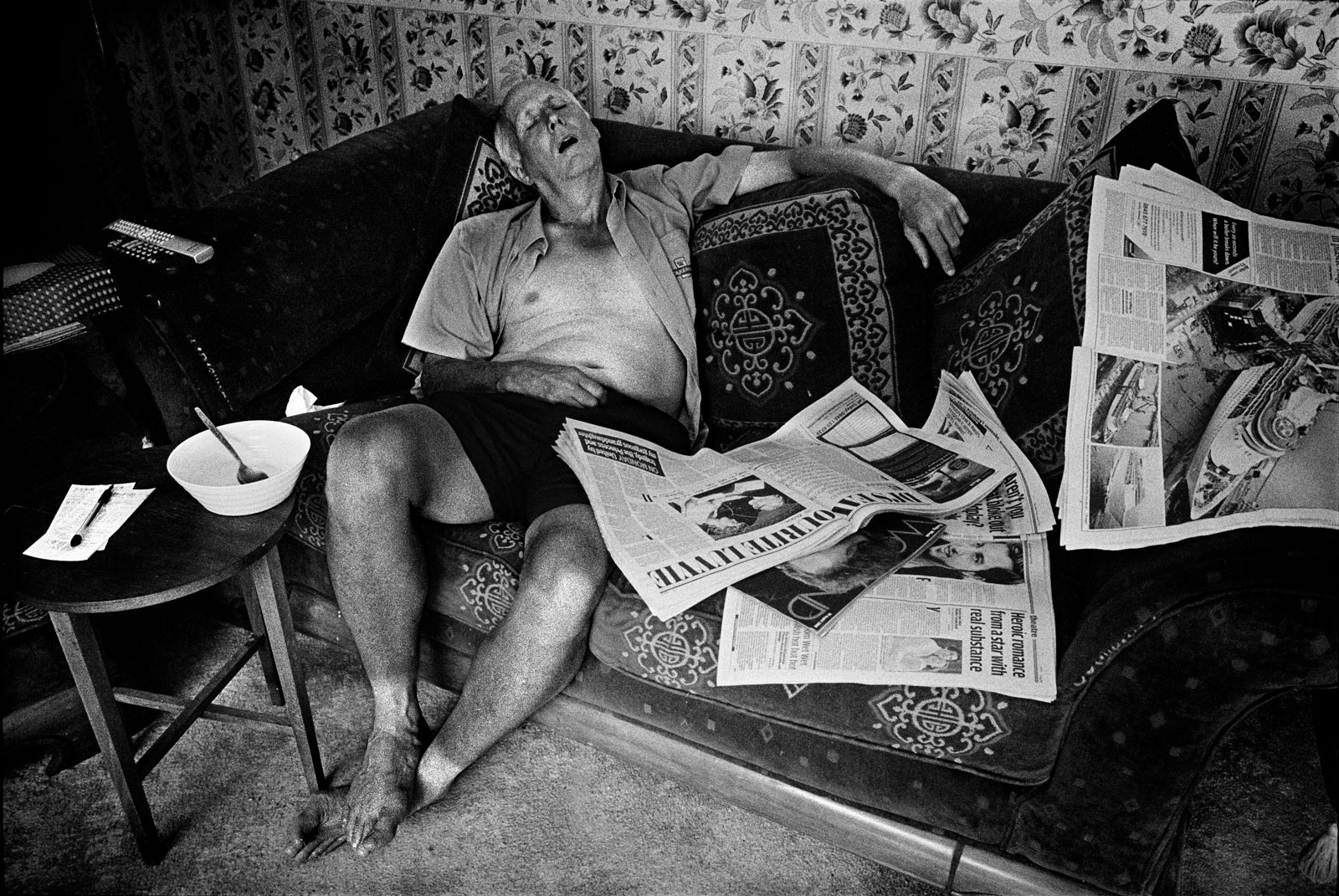
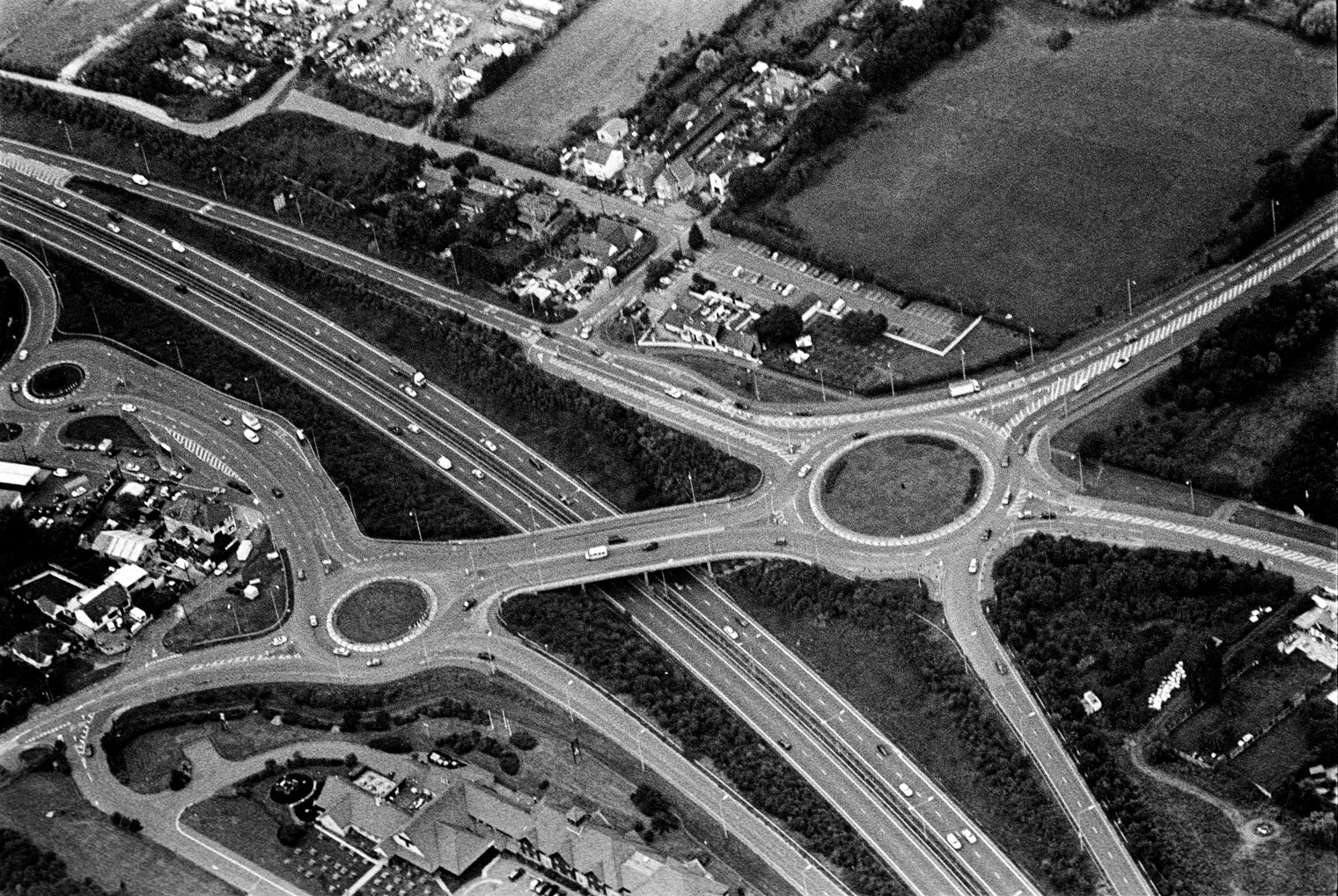
Stasis. Time moves slower. Thoughts and ideas seep into the collective psyche as if they had always been accepted.
No breaks, no revolutions, no conflicts. Change, when it is noticed, is usually “for the worst”; “what we had back then” is always, somehow, better. Our morals stronger, our community defined.
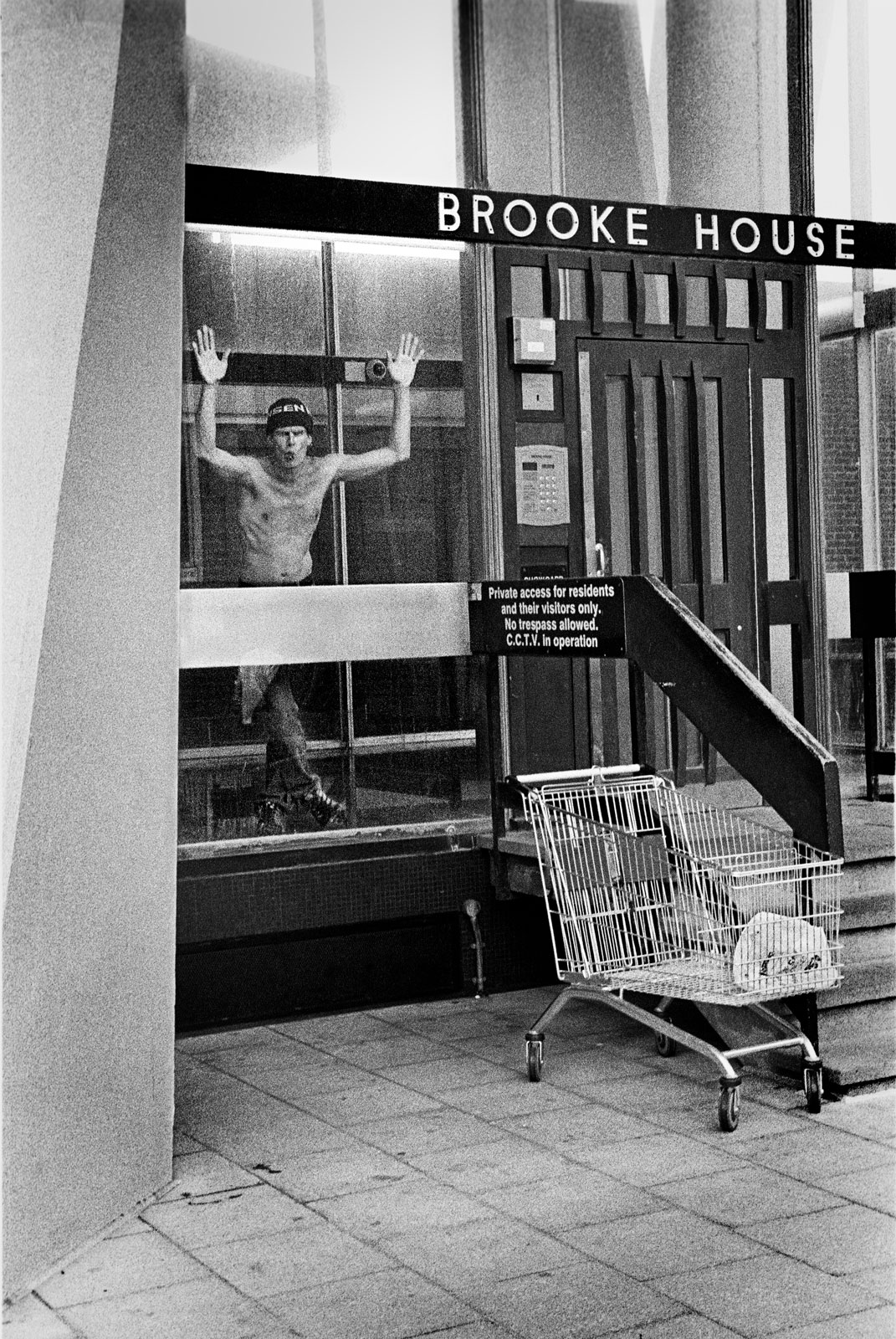
The great failure of the political class, over the past quarter century, has been its inability to address the concerns (real or perceived) of a great majority of English people, which has lead to an ever-growing chasm between those that feel powerless and those in power.
In this void, the reconstructed fiction of a once-great England has grown ever stronger. Brexit was the ultimate expression of this discontent.
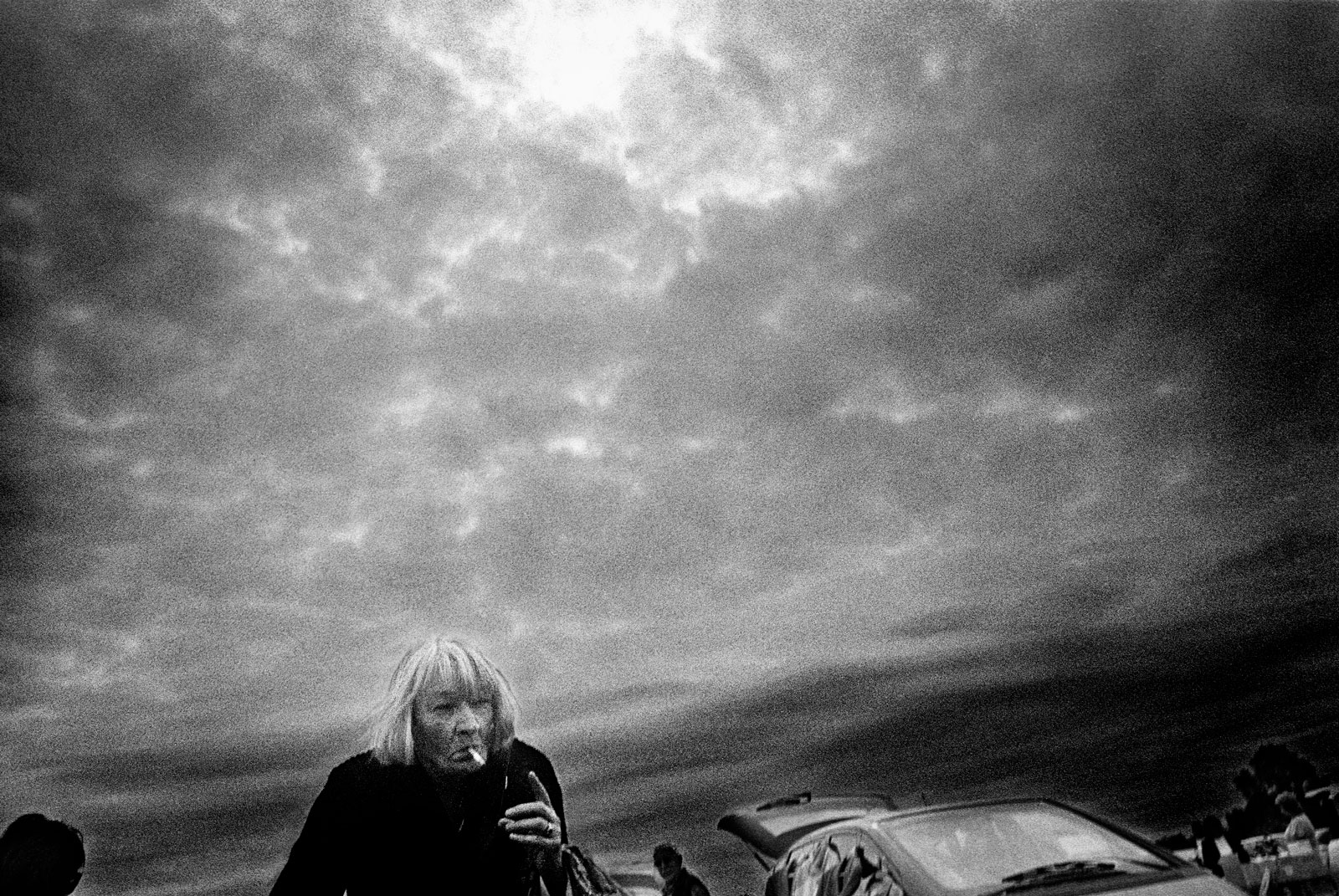
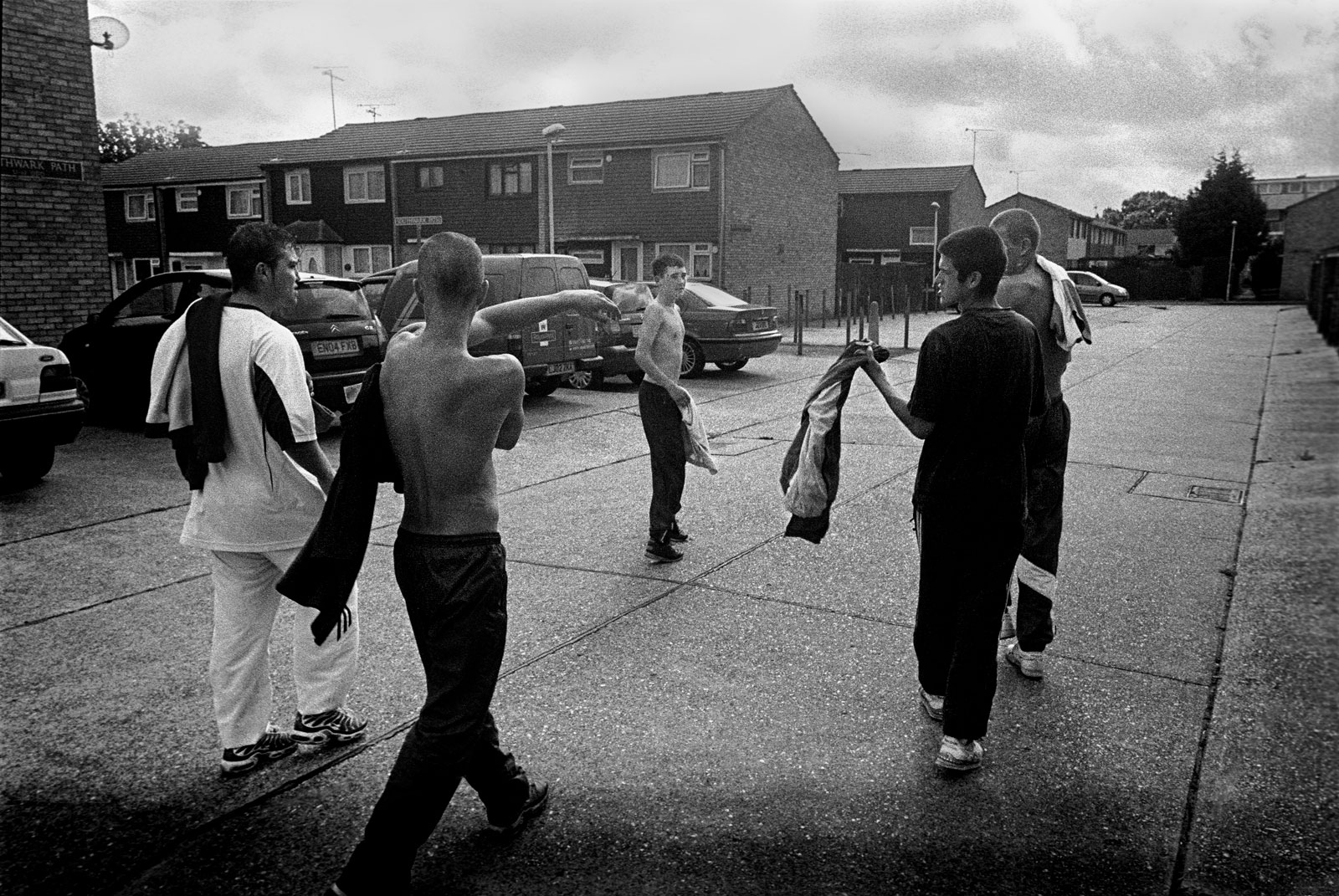
When the UK voted to leave the European Union on 23 June, 2016, the message to the political class was clear: “We don’t need you.” But their message was derided. After all, the working-class are stupid, right?
Ten years ago I set out to challenge this perception. I wanted to explore the life of ‘Basildon Man’ – and ‘Woman’ – as a way of understanding contemporary England.
I wanted to go deeper, to push beyond the nomenclature that belittles working-class opinions and aspirations.
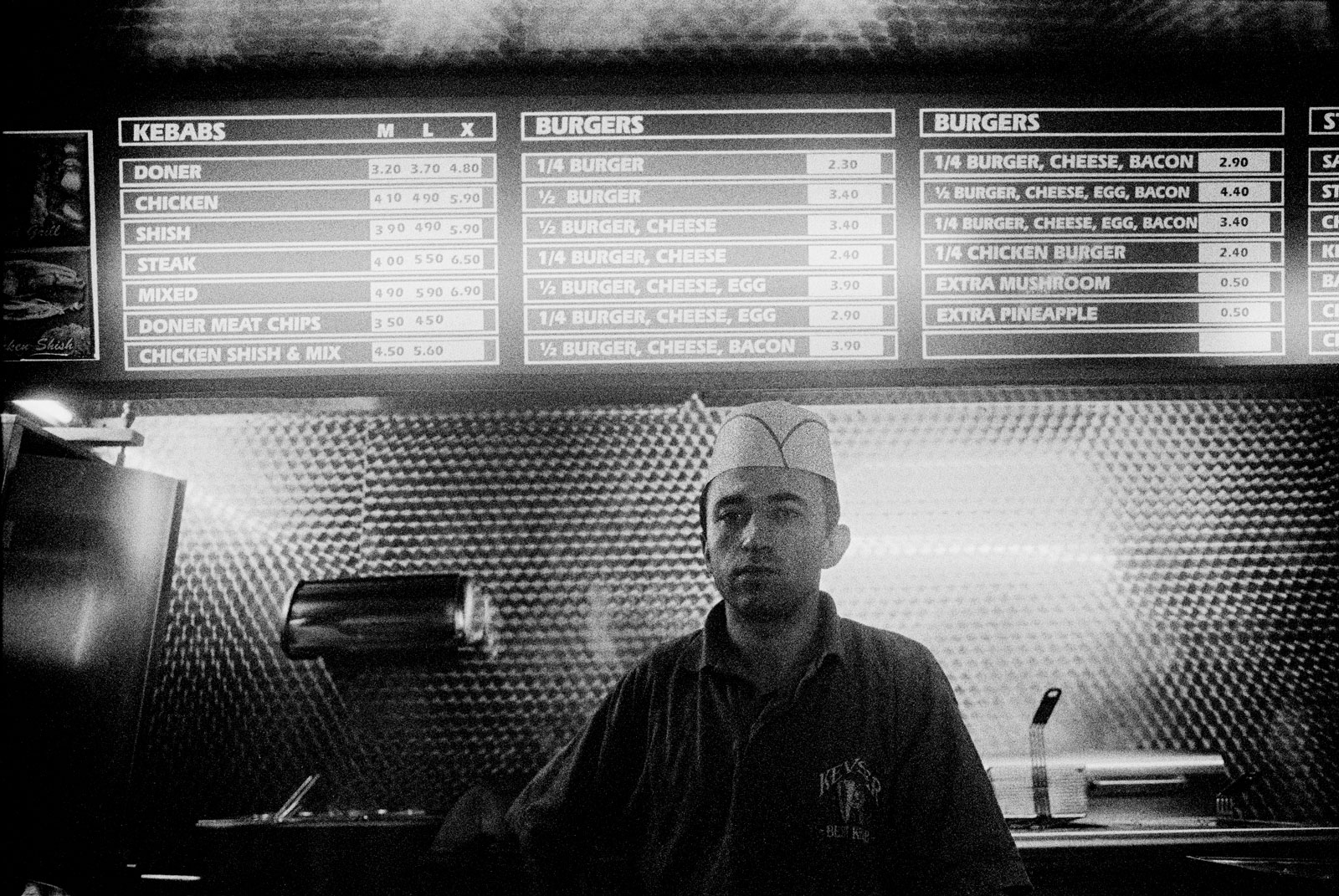
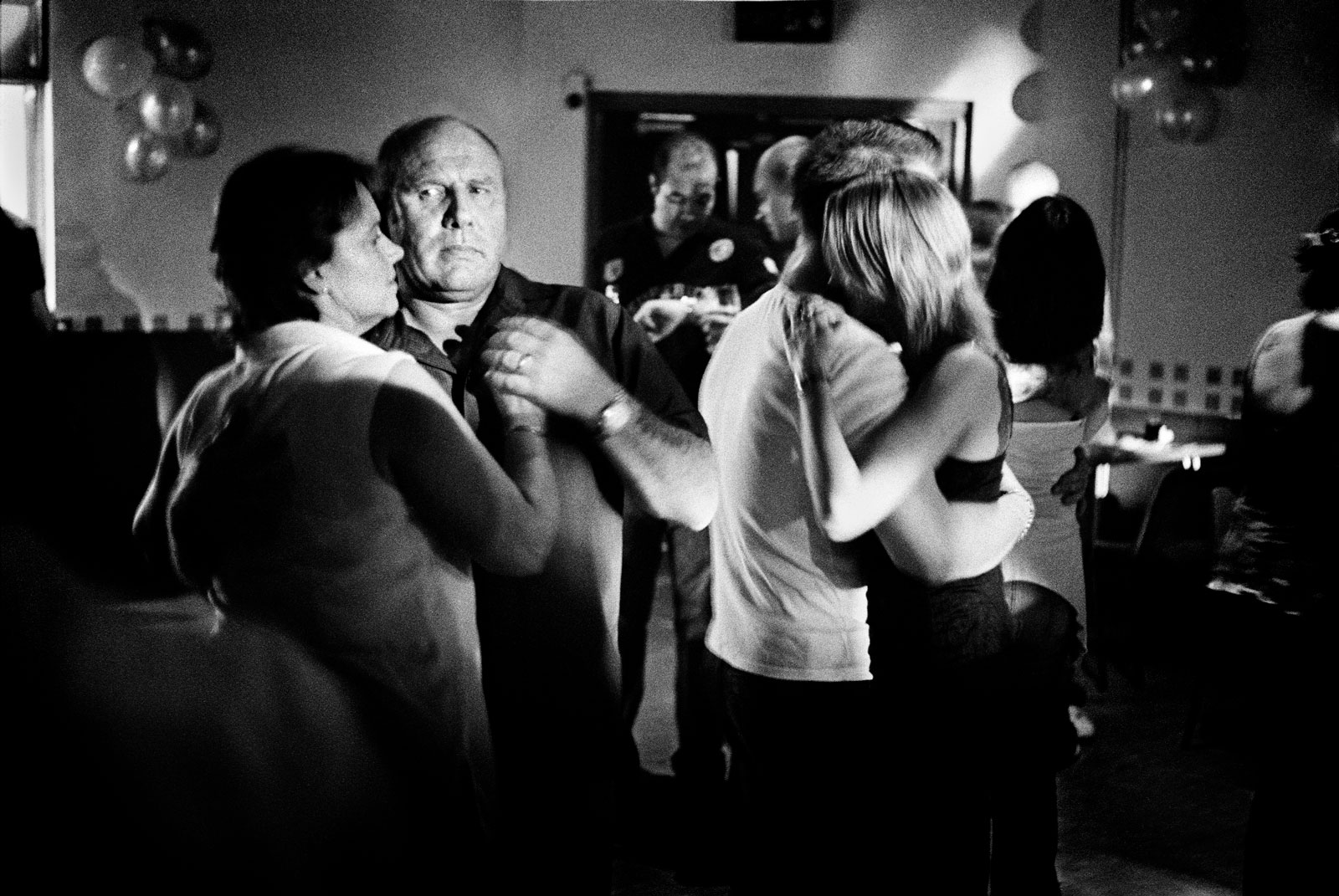
Working-class Britain has been widely photographed. But how many of these stories deal in extremes?
Images of drug addicts, criminals or ‘salt of the earth’ types who know their place do not reflect my reality growing up in such a community.
What is it, then, to be white, working-class and English? And what happens to those pushed to the margins?
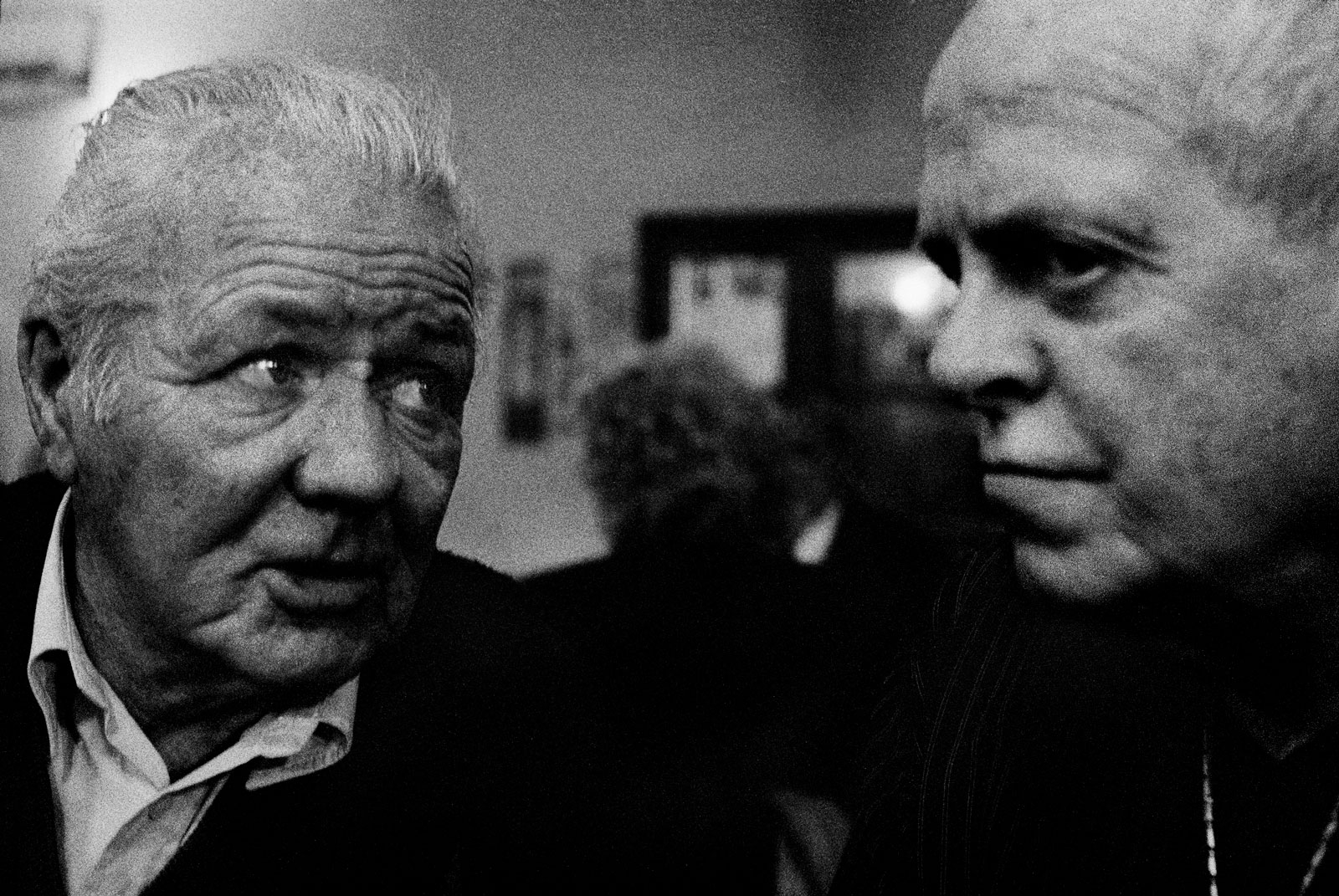
Margaret Thatcher once famously claimed, “There is no such thing as society,” adding that “people must look to themselves first”.
That insular mindset is certainly evident in 21st-century England, more so in new towns like Basildon, where stratified housing estates clustered around central shopping districts have accelerated this fundamental shift in society.
As civic identity crumbles, our focus shifts to the interior, to the family, to what we can own rather than what we can be, a world in which we are consumers first and citizens second.
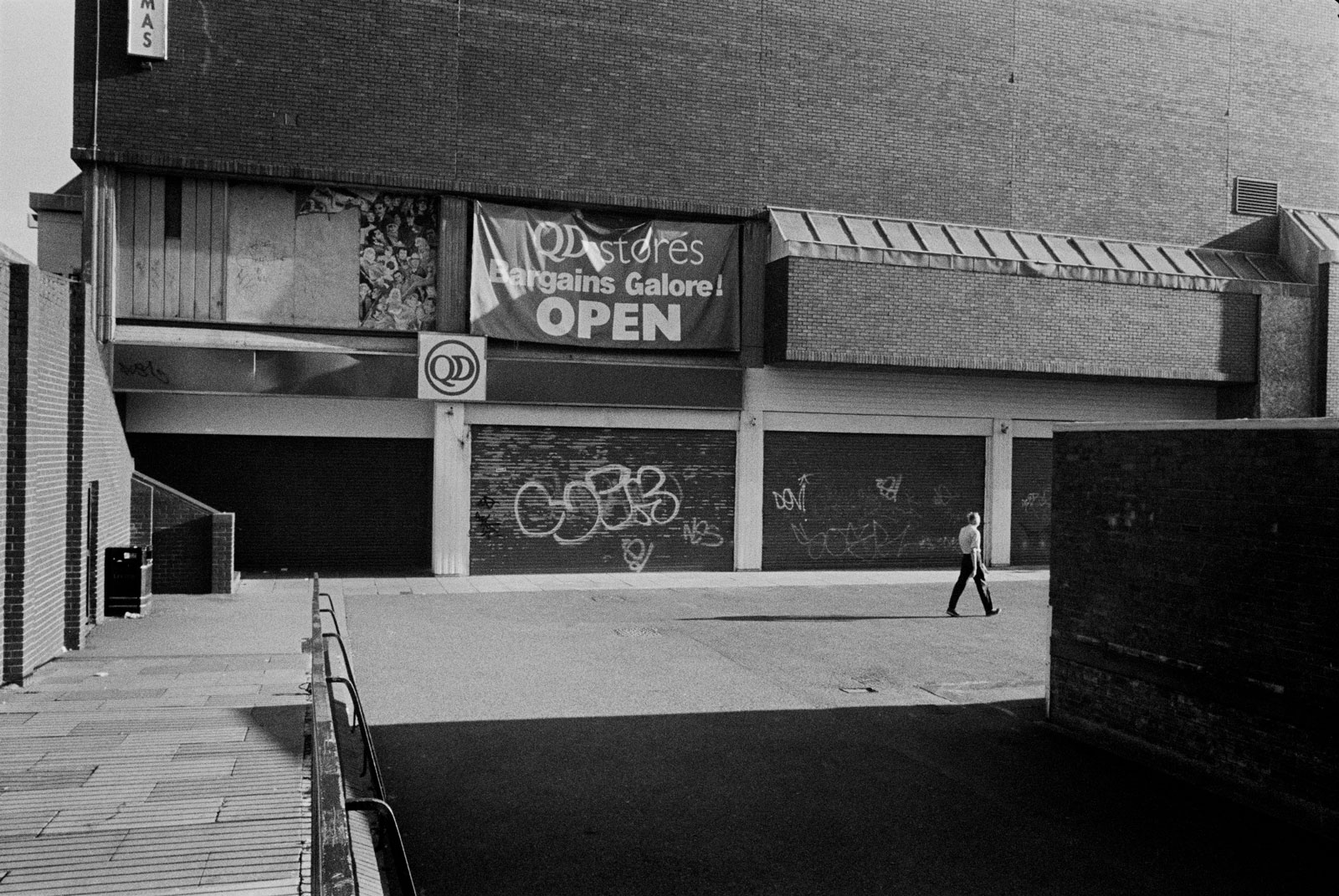
Magic Party Place is a reaction to this status quo; an attempt to assess who we are now and where, perhaps, we are heading.
Photography is often defined in terms of moments; it’s about stopping time and preserving reality.
Cinema, on the other hand, is about the manipulation of time; to make a film is to time-travel.
I have sought an aesthetic which exists somewhere between the two: photographs that seek to acknowledge the passing of time and embody a sense of constant motion.
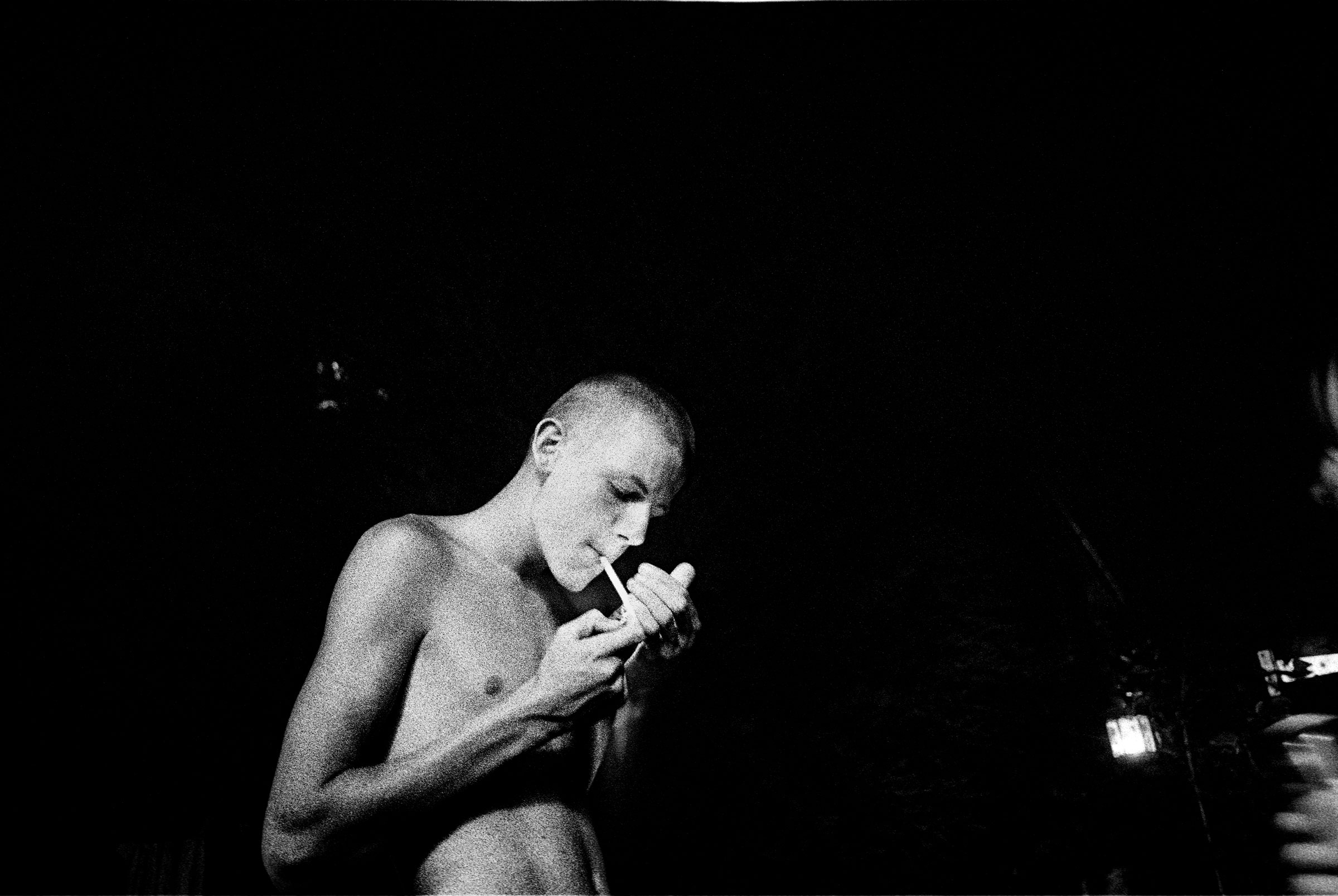
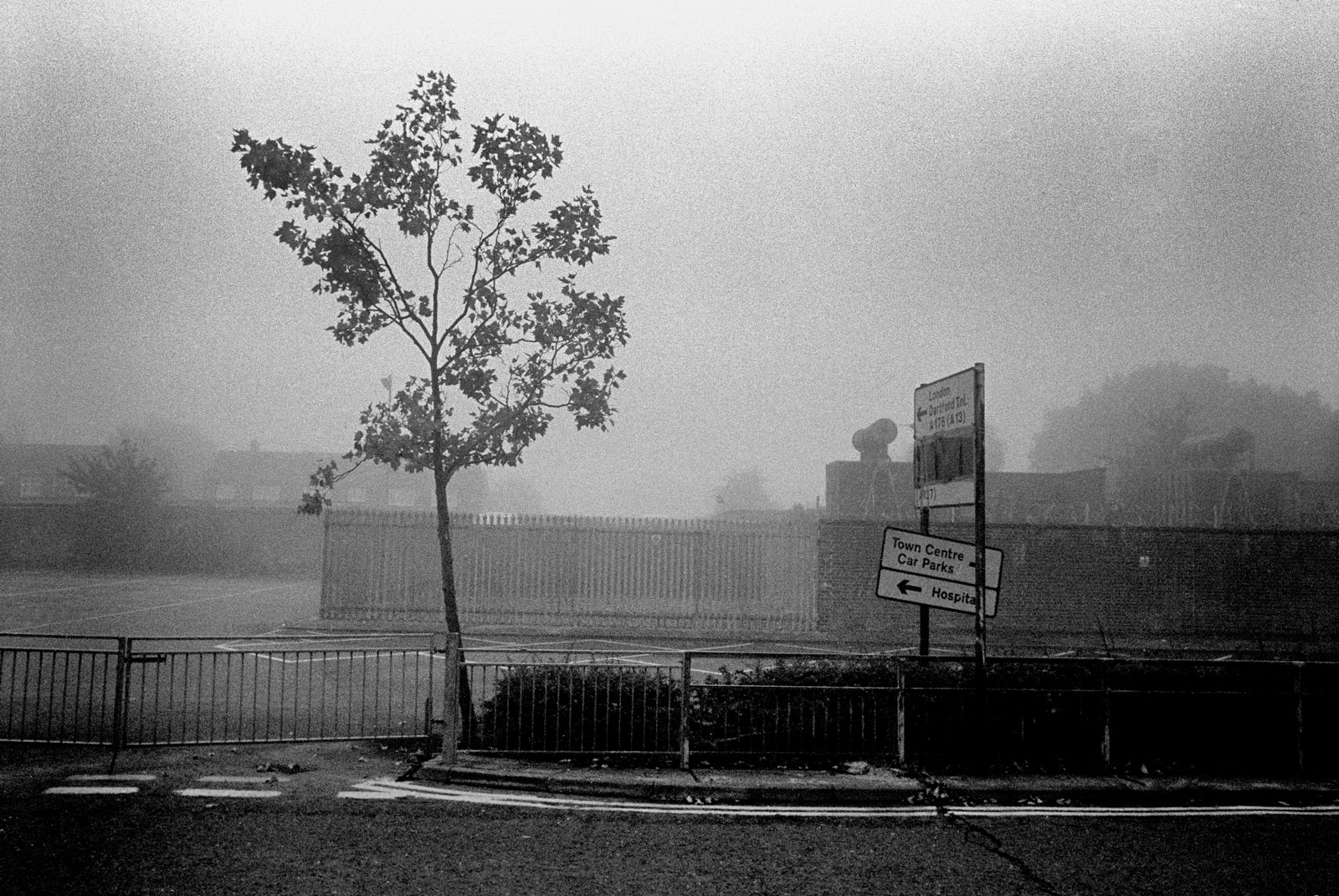
An endlessly repeating cycle. Routine. Sometimes transcendent. Perpetual.
Working on this project over the last decade has created the space for reality to reveal itself, allowing me to discover those never-ending truths that remain implicit and unspoken.
Raymond Durgnat, the great film critic, put it best: “It’s not what people say to convince you that reveals them, so much as what they assume there’s no need to say.”
Magic Party Place is published by Kehrer Verlag.
This article appears in Huck 57 – The Documentary Photo Special IV. Subscribe today so you never miss another issue.
Enjoyed this article? Like Huck on Facebook or follow us on Twitter.
You might like

Jesse Glazzard’s messy portrait of queer friends, lovers and chosen family
The Sound of Dirt and Beauty — The photographer’s debut monograph explores tender, unpolished moments shaped by the people who he surrounds himself with, while offering a window into the UK’s working-class LGBTQ+ community.
Written by: Sunny Sunday

Behind the curtain at Alternative Miss World 1981
Olympia glamour — Running a subversive take on the traditional beauty pageant, the Andrew Logan organised event prioritised underground creativity and invention. Photographer David Corio went behind the scenes at its biggest edition.
Written by: Miss Rosen

New exhibition highlights British radical living over 200 years
Earthly Paradise — Taking place at the William Morris Gallery, it explores the homes and lives of artists, writers, musicians and more, as well as the conditions that allowed them to thrive.
Written by: Isaac Muk

What life on the Strait of Hormuz is really like
Southern Winds — Bandar Abbas based photographer Morteza Niknahad has been capturing the diverse communities and stories of his local region since he first picked up a camera. His new series highlights the human impact of war.
Written by: Isaac Muk

Nick Haymes’s intimate portrait of his family’s life
Chronograph — Over 25 years, the photographer documented his son’s lives as they grew into adults. The resulting photobook is an exploration of the passage of time, as well as the optimism of youth.
Written by: Miss Rosen

Kristina Rozhkova’s scatty, confronting portrait of captivity
Gut Feeling — The Russian artist’s 2024 arrest and subsequent detention opened her eye towards the omnipresent dynamics of power and control. Her new photobook is a stark exploration of being trapped.
Written by: Isaac Muk


