
Claw Money is New York City's First Lady of graffiti

Claudia Gold remembers how as a child, she and her sister would gaze out of the windows of her father’s Chevy Impala. They would be keeping an eye on the overpasses and highways of New York City for the mysterious graffiti tag of a foot that fascinated them.
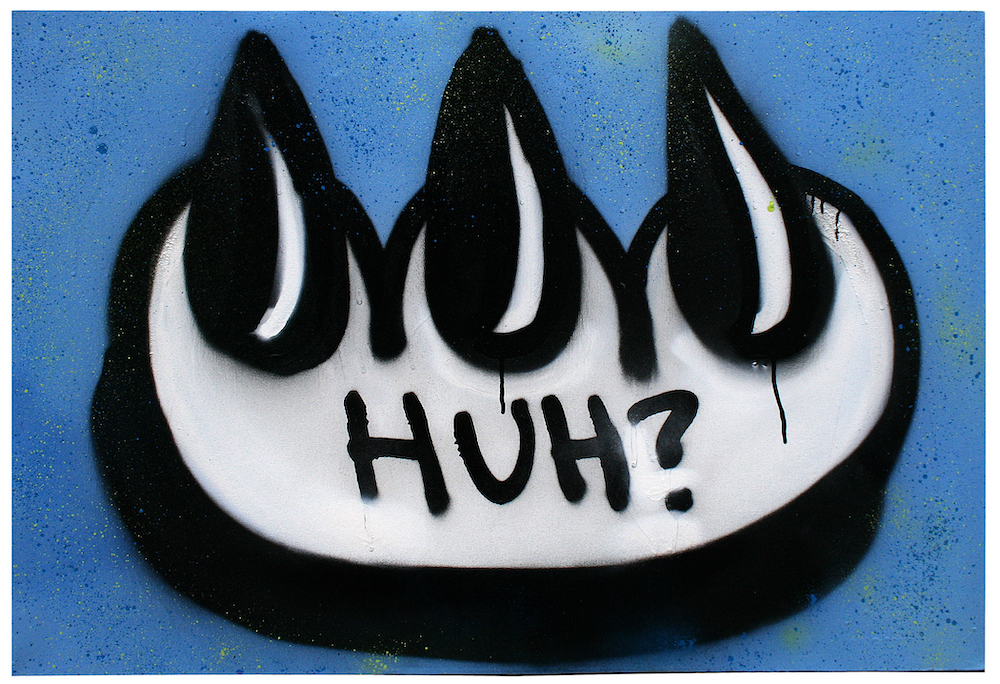
Now a famed graffiti artist and a fashion designer herself, Gold is known as “CLAW MONEY” and for her ubiquitous three-taloned CLAW paw. “I later found out those tags were by an artist named Mirage,” she says. “Who knew that would go on to have such an influence on my own graffiti?”
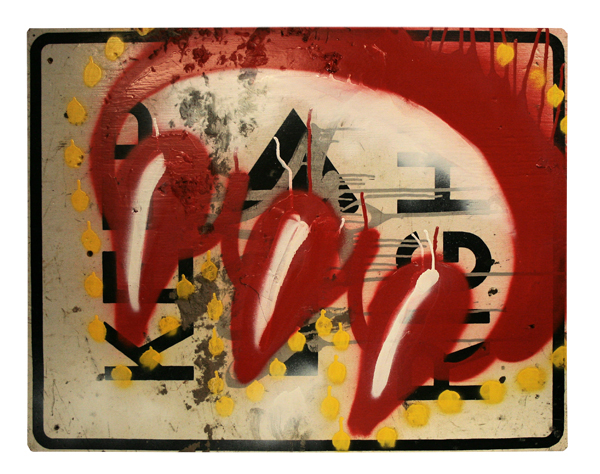
Gold’s fame in the scene has seen her collaborate with brands from Nike to NASCAR, and her work even featured in last year’s Ocean’s 8. But when starting out in the early ’90s. it was a happy accident that led her to develop her trademark tag.
“Some of the people I was hanging out with were pulling out cans of spray paint after the club and catching tags,” Gold remembers. “I was like, ‘Oh shit! I’m The CLAW – pass me the can!’” Adopting the high-school style of bubble letters, Gold threw up her new moniker wherever she could, embellishing the “W” with jagged fingernails.
One day, she noticed another tagger covering up her work but leaving the “W” untouched. She had an epiphany: “It’s a quarter of the paint and it’s still my name.”
The “W” quickly morphed into the iconic CLAW paw, which she used for shout outs, witticisms, graffiti beef, and status updates long before Instagram.
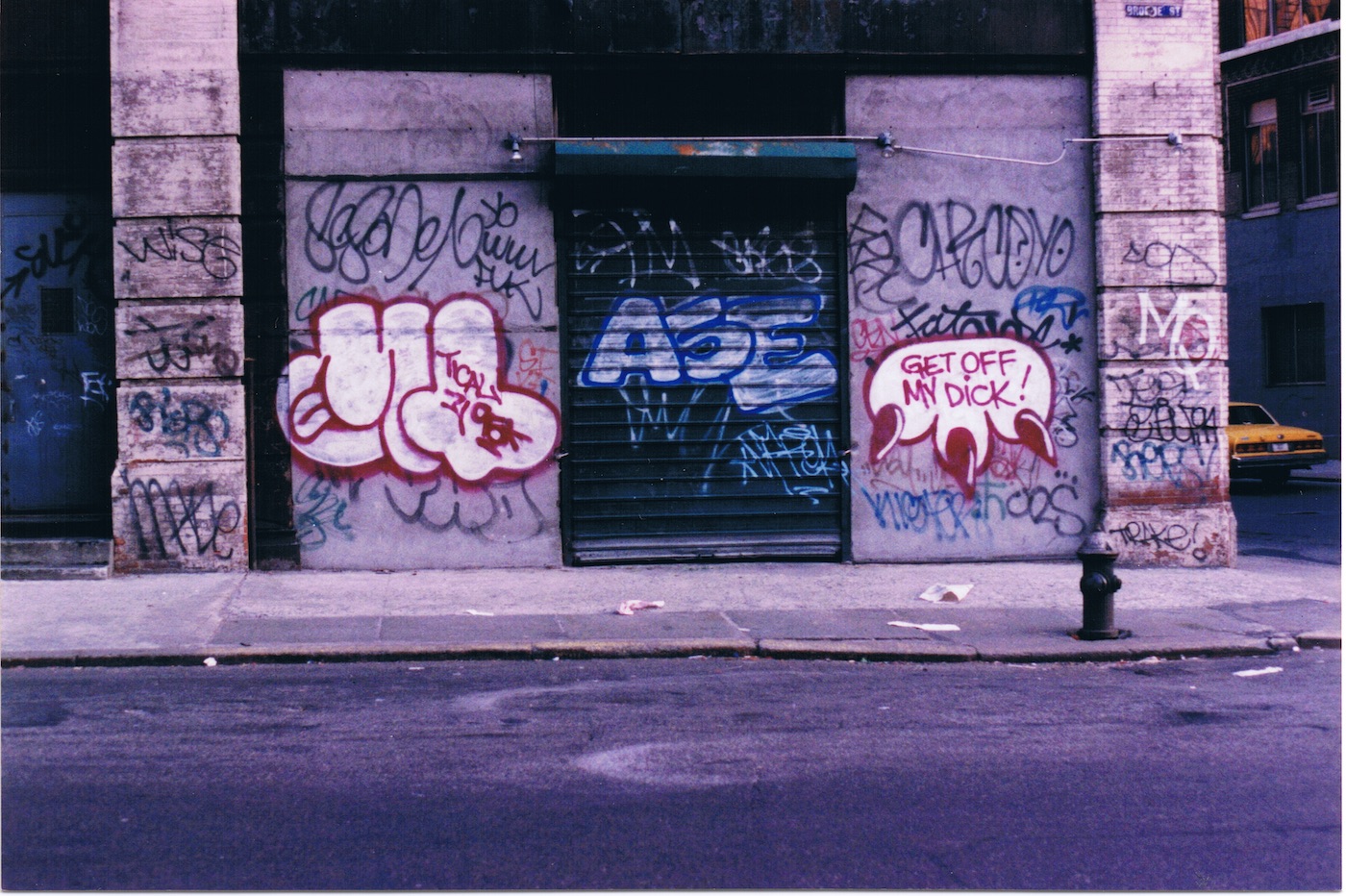
Running with the TC5 and FC crews, Gold was one of the few women in a male-dominated scene. “If you had a chick in your crew she could go up against another chick but I wasn’t into that,” she tells me. “I said fuck that, I’m going up against the dudes.”
“Sometimes being a woman worked for me though,” she recalls. Gold would sometimes don a prom gown when tagging, knowing that cops would never suspect her of carrying spray cans in her purse. “I would be painting and someone would start yelling at me, but I could just say ‘You saw nothing’.”
“Writing illegal graffiti is you against the world. The public hates it. The cops hate it. Other graffiti writers hate it. You’re really pushing the limit of your freedom. Everyone is fighting for space from the advertisements to store signage. When you steal a little space, it’s exhilarating.”
“You’re intertwining yourself into a neighbourhood. Everyone says, ‘Yeah I’ve seen that’, they don’t know what it is and can’t remember where, but they’ve all seen it now.”
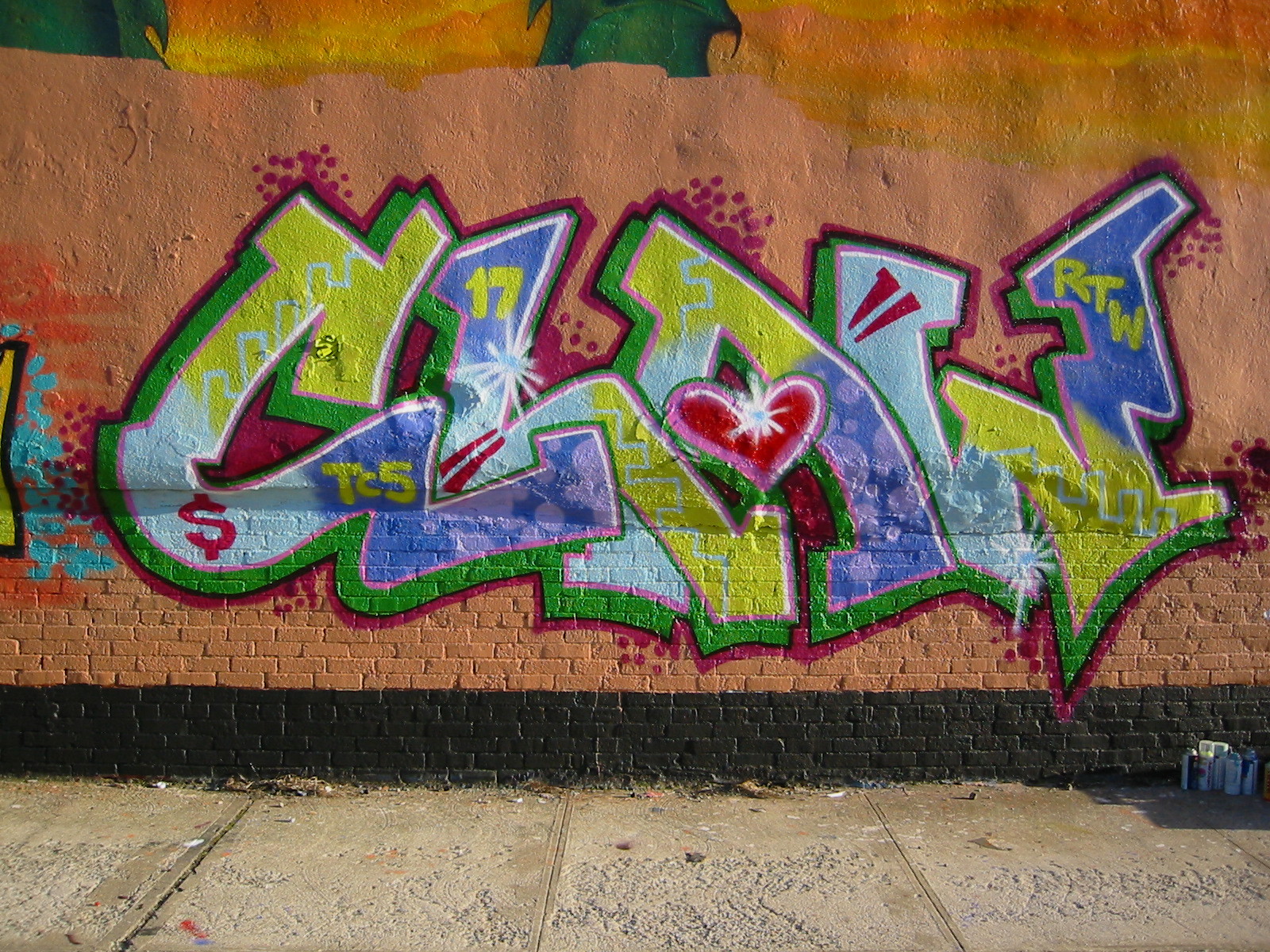
Gold Minds, Claudia Gold’s podcast, returns on August 27, 2019. That same day, Gold will takeover the Beyond the Streets Instagram account.
Her work is on view in Beyond the Streets in Brooklyn, New York, through September 29, 2019.
Follow Miss Rosen on Twitter.
Enjoyed this article? Like Huck on Facebook or follow us on Twitter.
You might like

The lasting community legacy of a legendary Californian boxing gym
Moretón — Since opening in the ’80s, the Coachella Valley Boxing Club has trained multiple world champions, while providing a vital hub for local youth. In his new photobook, Darren Vargas documents its tight-knit, Chicano-led community, while also weaving a deeply personal story.

Inside the grunge golden age with Hole’s former bassist
My ’90s Rock Photographs — Melissa Auf der Maur’s new photobook is a sprawling visual memoir of her time at the heart of the US scene, from Tinker to The Smashing Pumpkins.

Introducing ‘The Chaos Isles’, a new photozine by Huck and Yushy
Normal Island — From unlicensed raves to the solstice at Stonehenge, furries to giant vegetable growers, Yushy is one of the UK’s best lensmen of its wild side. ‘The Chaos Isles’ will be sent out exclusively to Club Huck+ members.

Join Club Huck+ to get the most from Huck
Dispatches from the sharp edge of culture — Members get our print magazine, special photozines, The Huck Long Read newsletter, discounts from our friends and partners, digital versions of back issues and priority access to events.

Signs of solidarity as London marks three years of genocide in Palestine
Never forget — 250,000 people gathered on Saturday as Israeli attacks have continued in Gaza and the West Bank. Daisy Schofield photographed the diverse people and placards in attendance.

Landmark new exhibition is celebrating 50 years of female punk
God Save the Queens — The Museum of Youth Culture is bringing together rare photography, archive material and a one-night-only supergroup featuring members of X-Ray Spex, The Slits and The Raincoats.


