
Coming of age with Cambodia’s young Buddhist monks

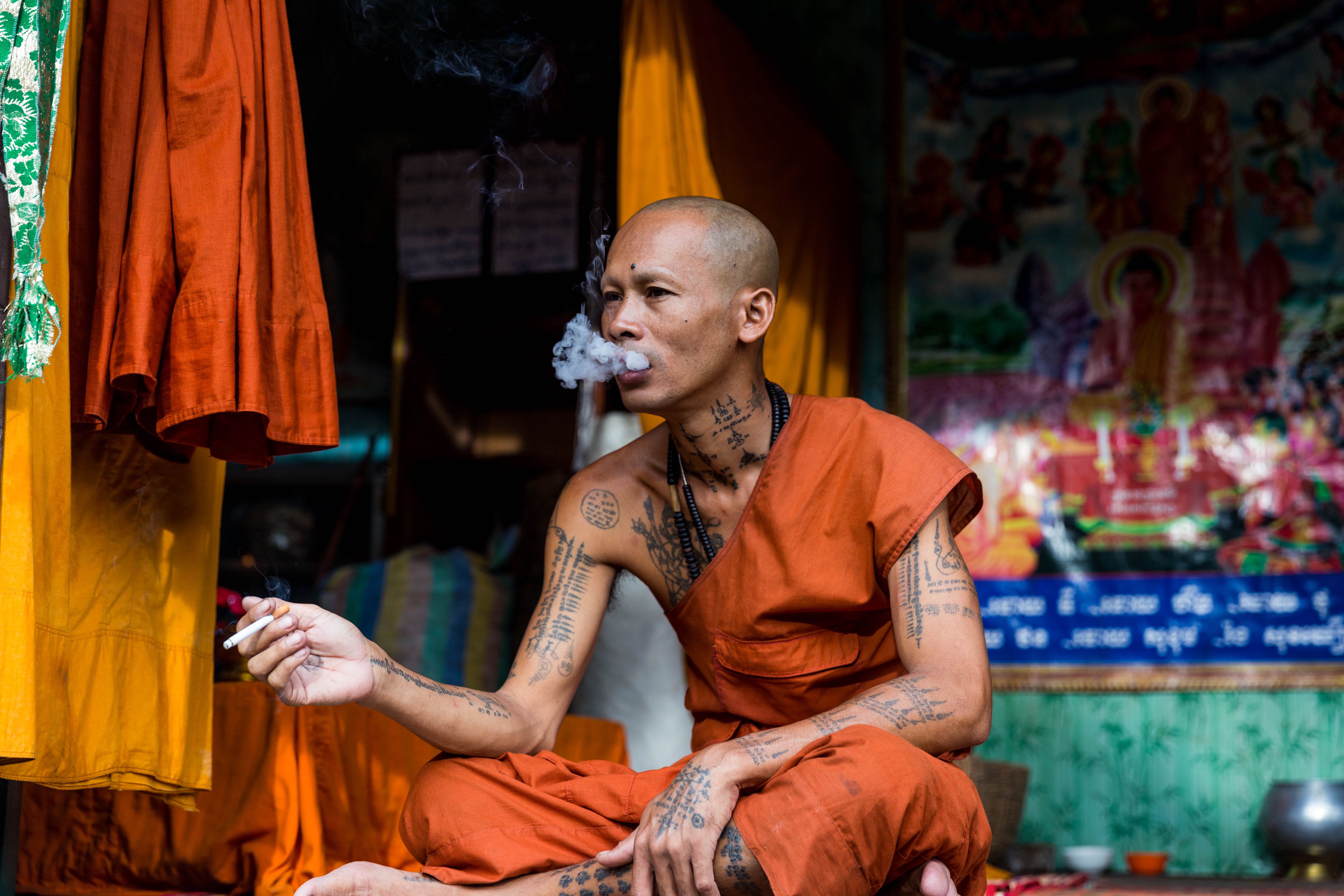
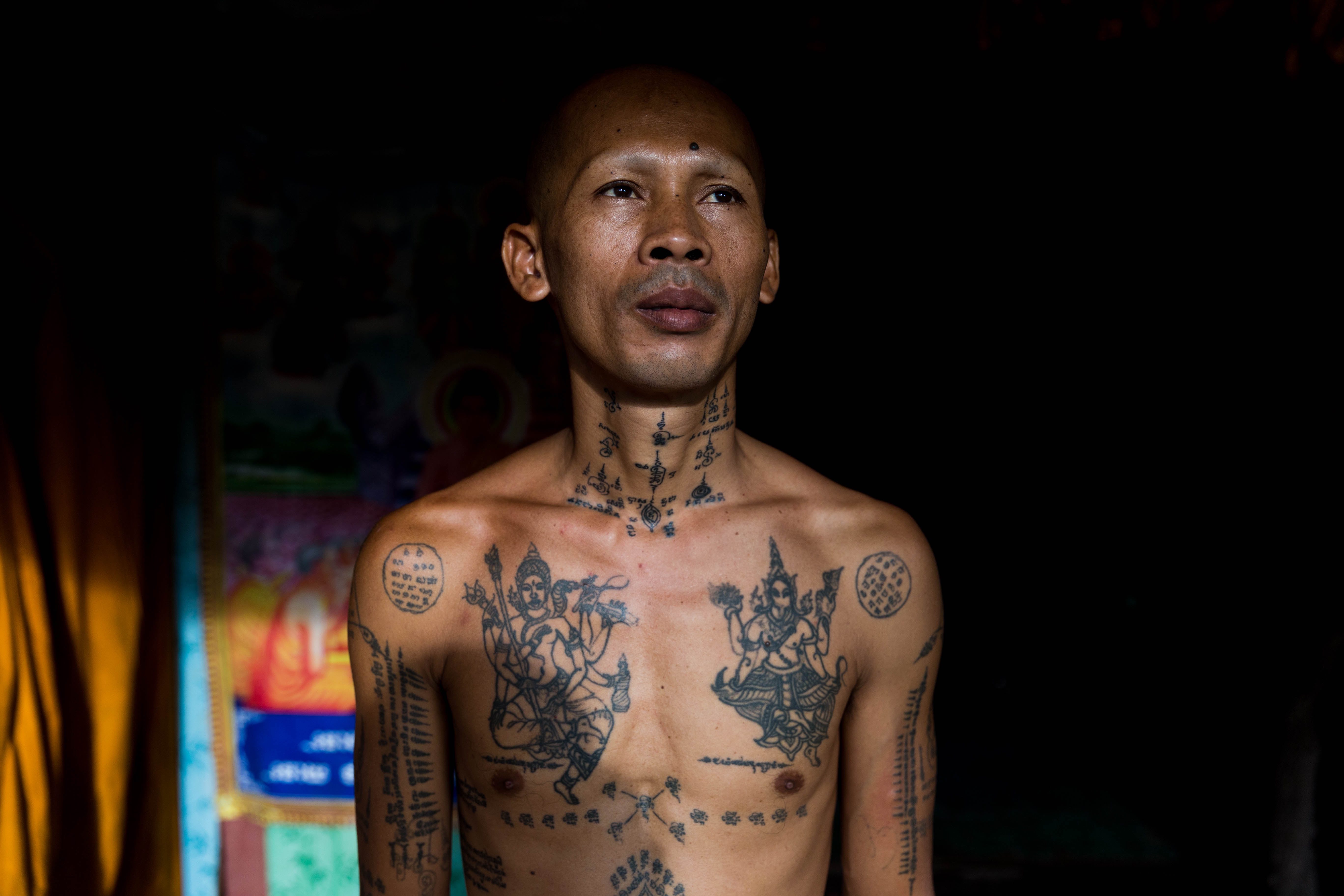
Tattoos. Cigarettes. Facebook video chat. These aren’t the first things to come to mind when asked to consider the life of a Buddhist monk.
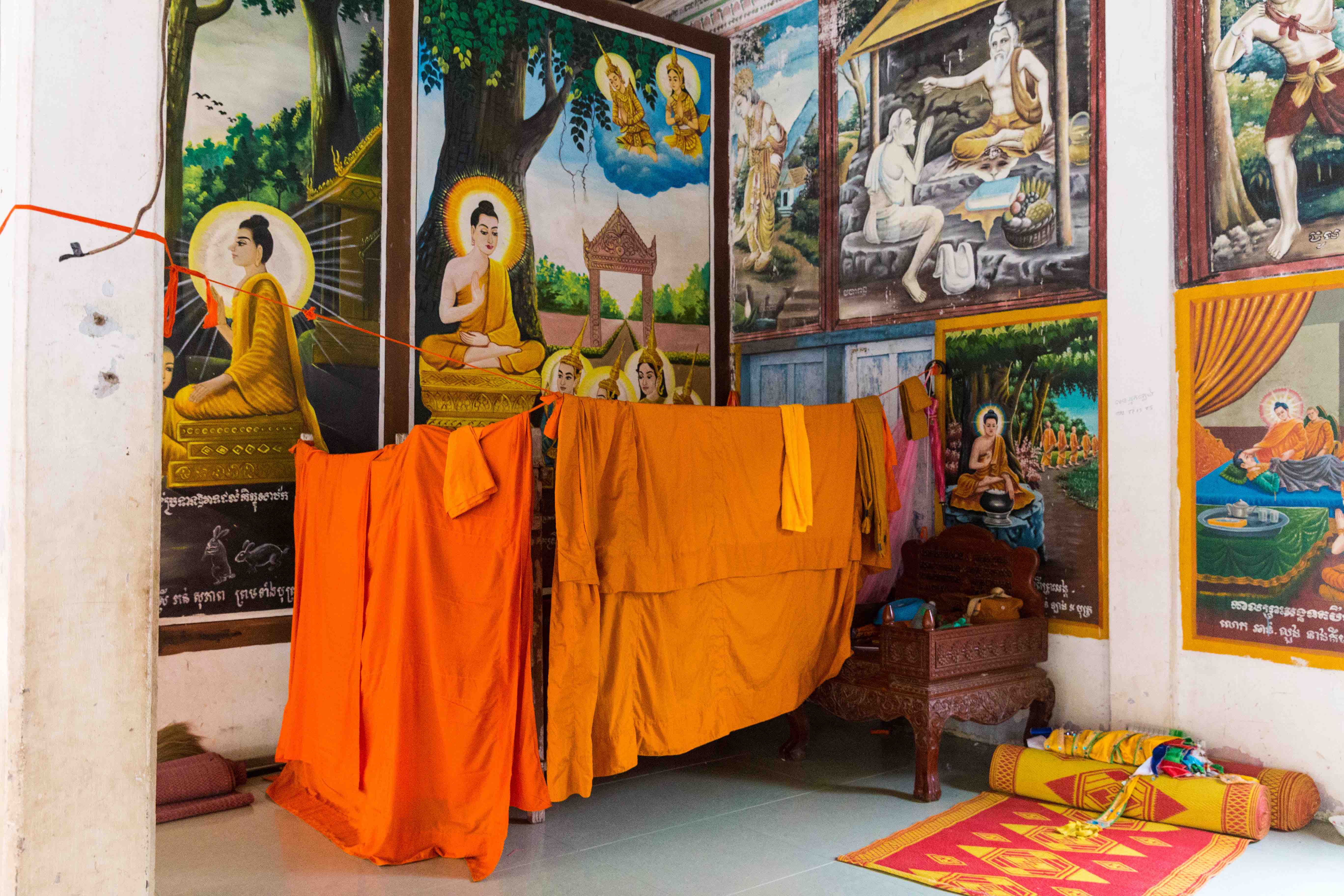
American photographer Enoch Contreras believed similar until he stumbled across a pagoda, off the beaten track from the Angkor Wat Temple in Cambodia, while trying to avoid the roaring tourist crowds.
“As I made my way through the grounds of the pagoda, I came across a monk who was cutting vegetables and we both exchanged glances,” Contreras tells Huck. “I asked for permission to take a picture of him. He obliged and I spent some time with him before other monks started coming around to see who I was and what I was doing there.”
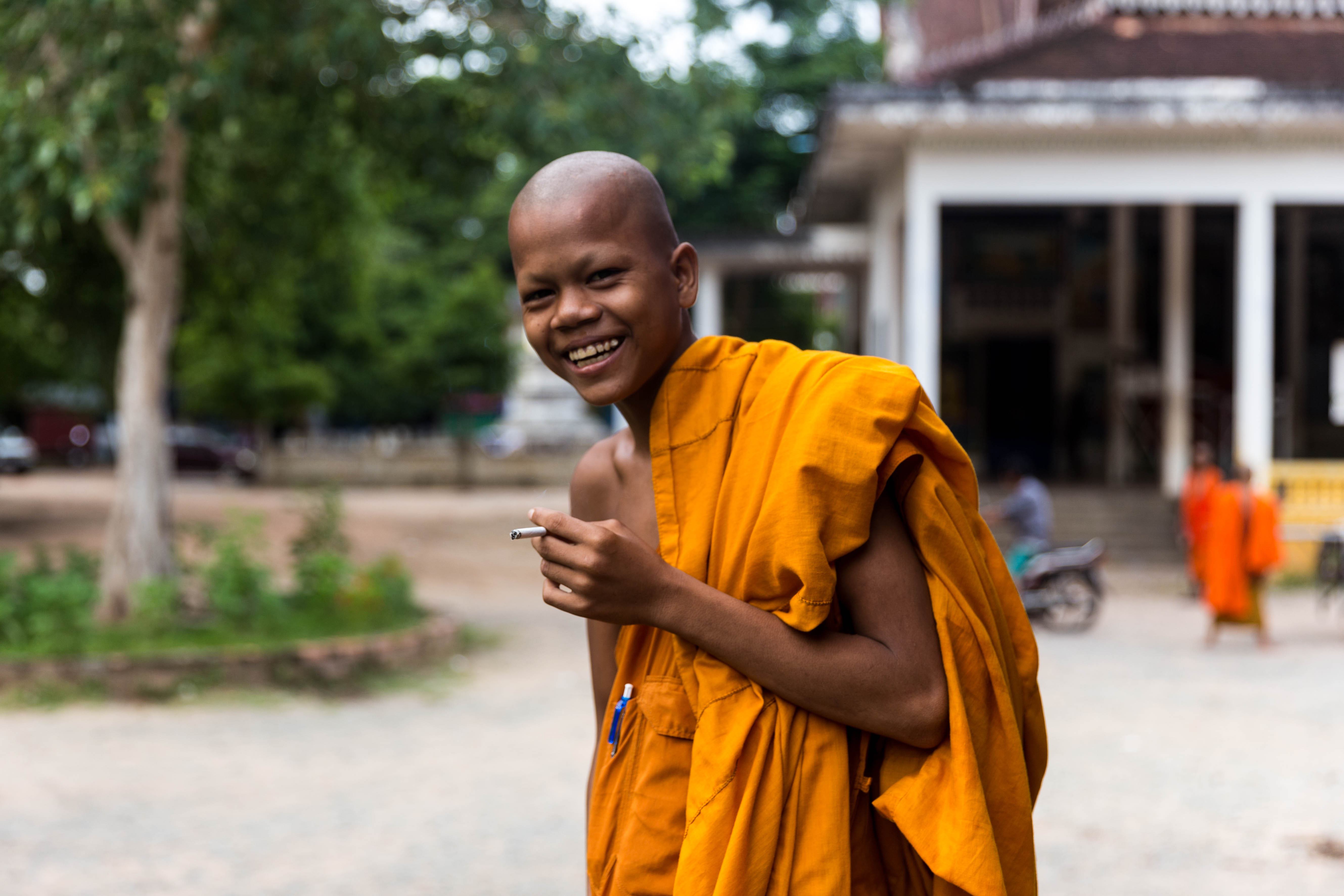
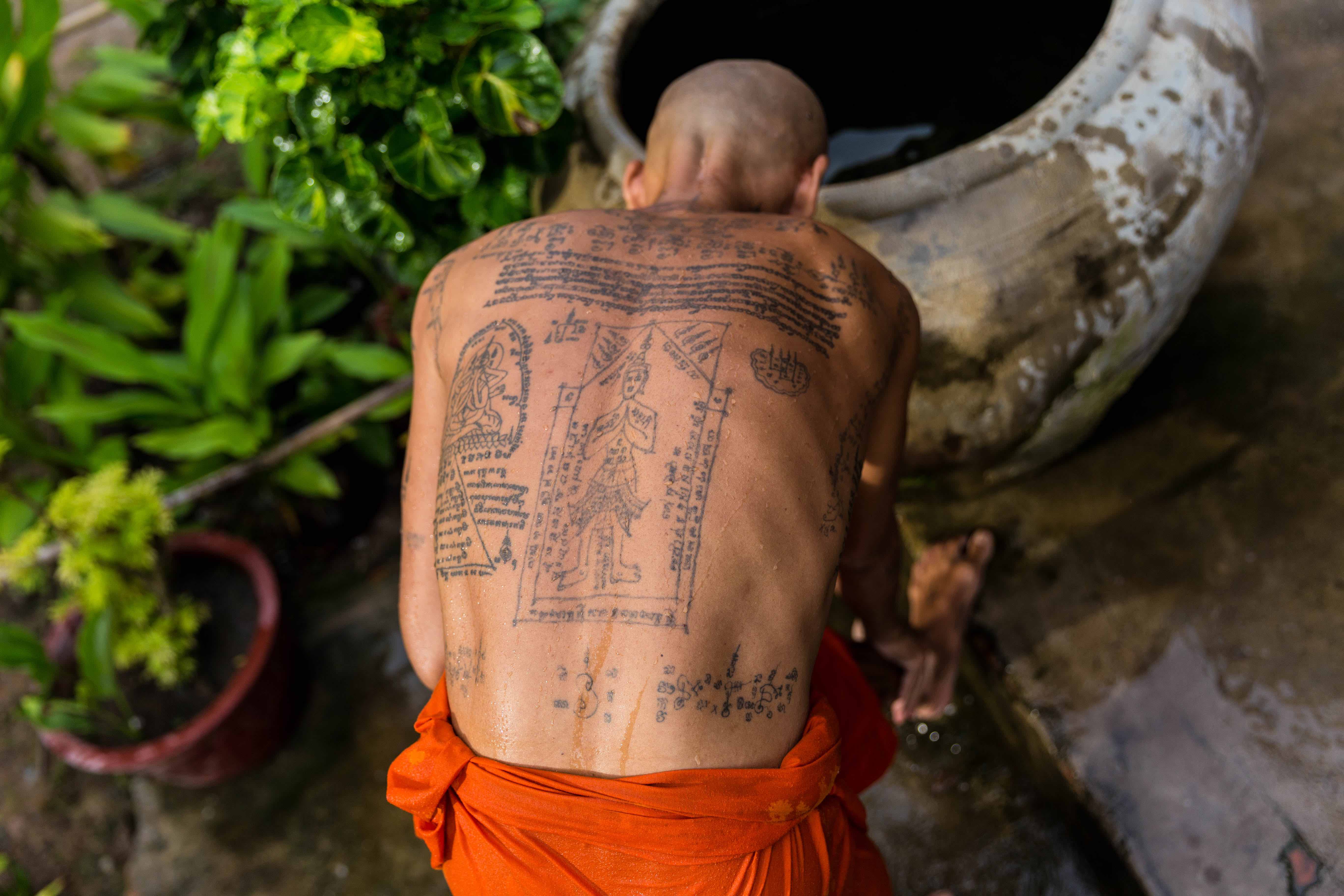
Although they struggled to communicate through the rigid language barrier, the photographer eventually came across a monk who could speak English. “After that, there were no problems with communication,” he remembers. “Everyone was extremely receptive to my inquiries and having their pictures taken.”
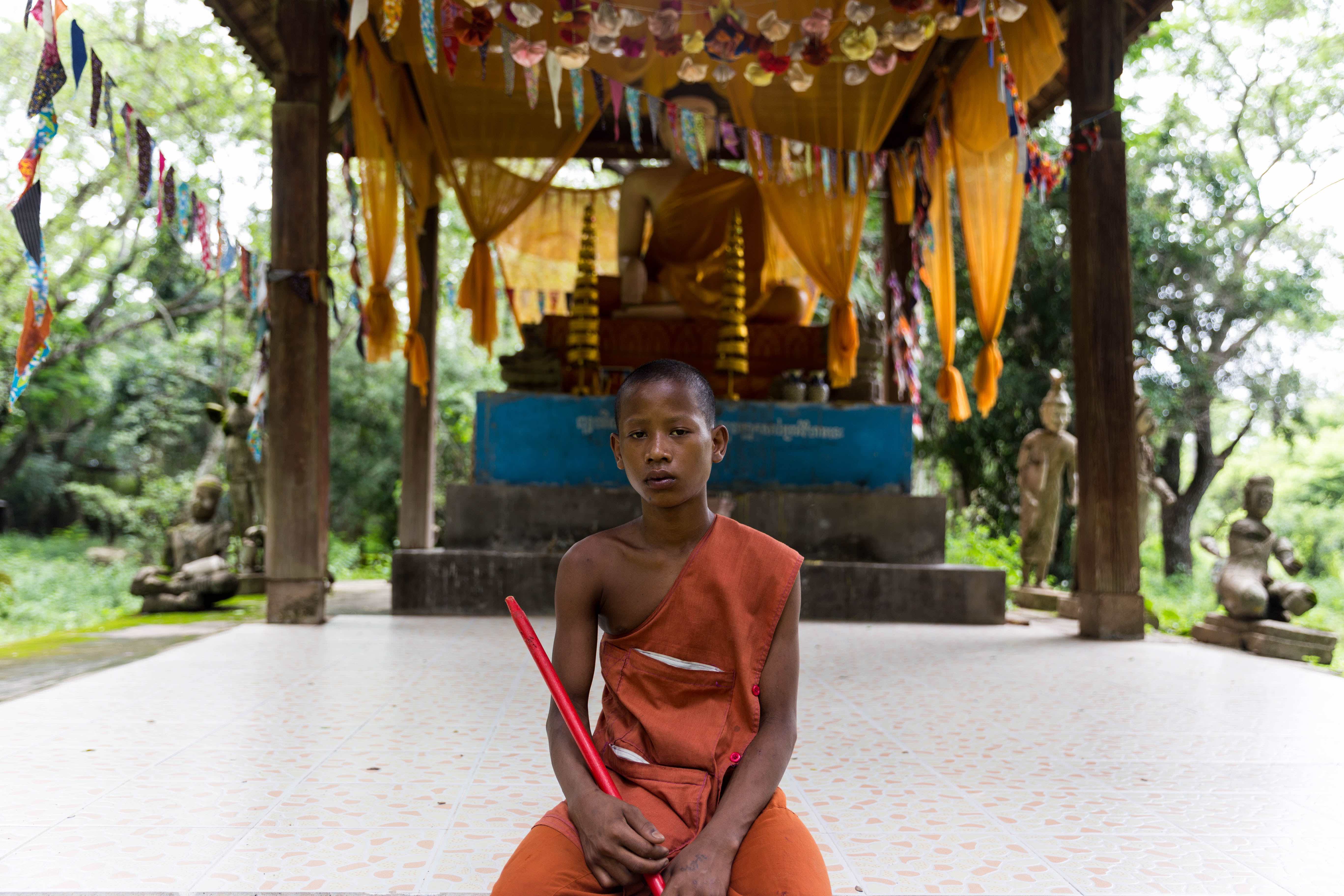
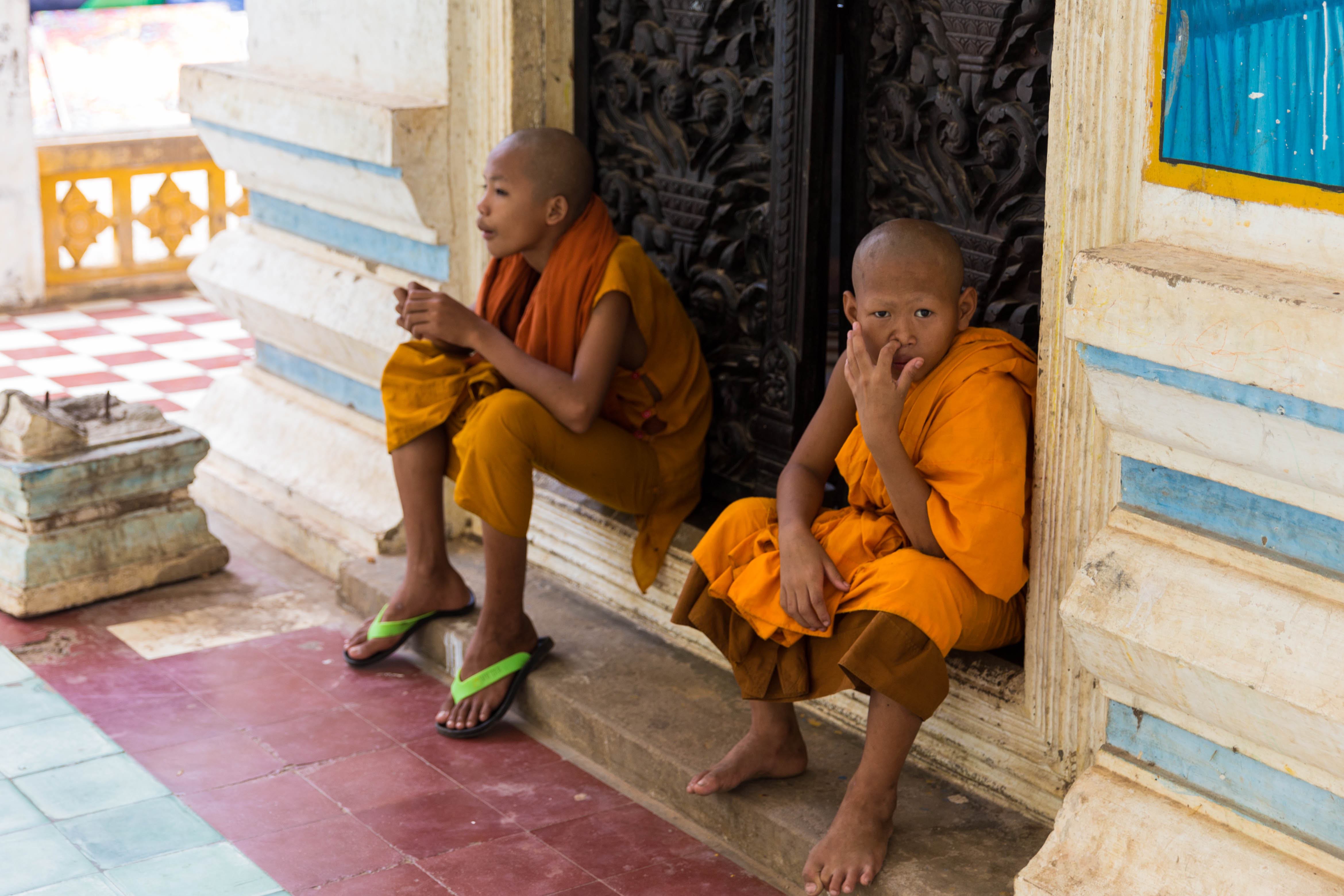
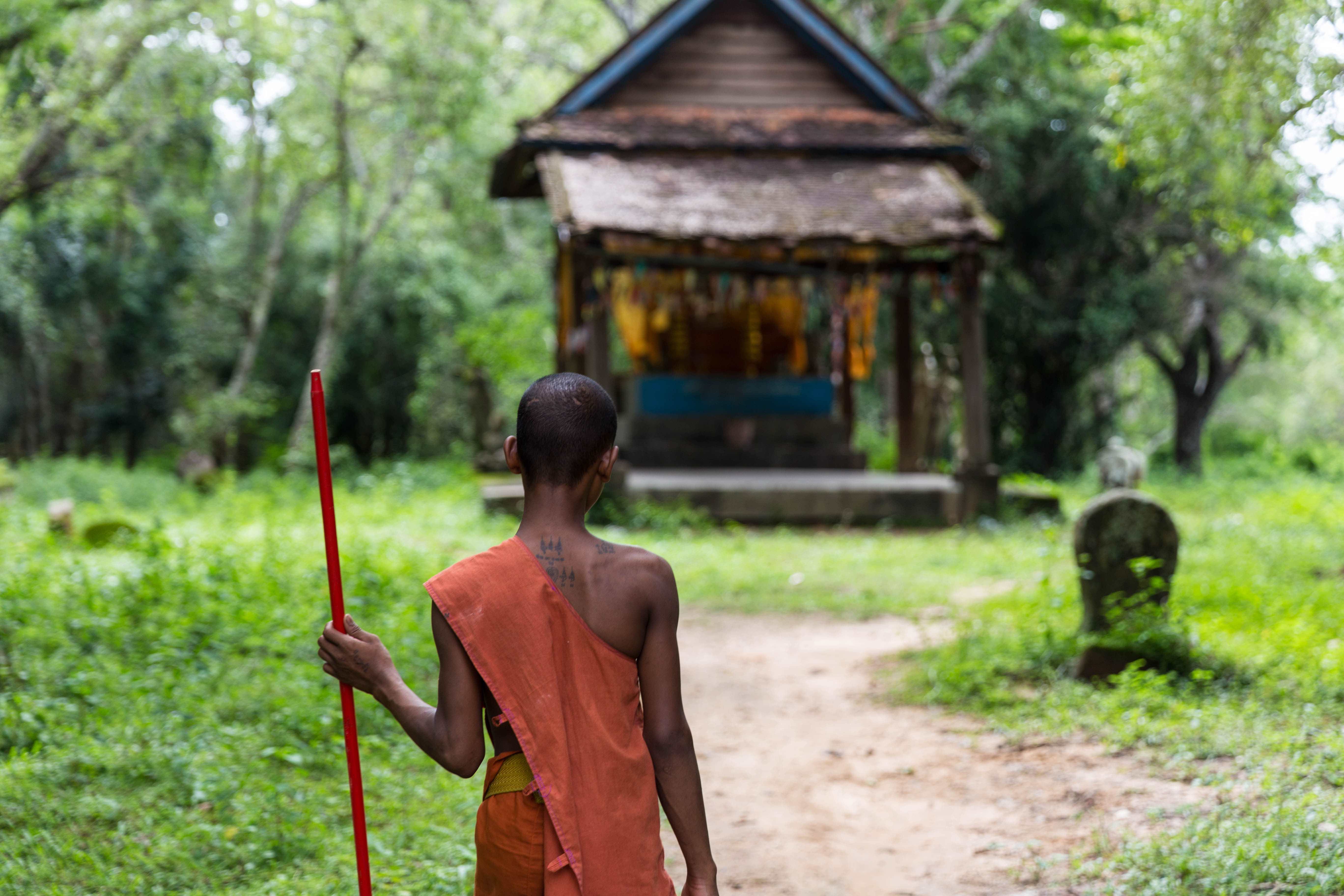
Contreras ended up staying with the monks, taking part in their daily routine and listening to their stories. He was so inspired by their warm, welcoming nature, that he decided to take portraits of them for a new project, Seeking Sacred. “I wanted to show that, despite their decision to walk the path of Dharma, they were still holding on to who they were before they became devoted,” he says.
“When there were no tourists around, they relaxed and allowed themselves to be exactly who they were without any masks. The young monks would tease and play pranks on one another. They were gritty and playful, yet balanced by their beliefs. That’s exactly what I wanted to show.”
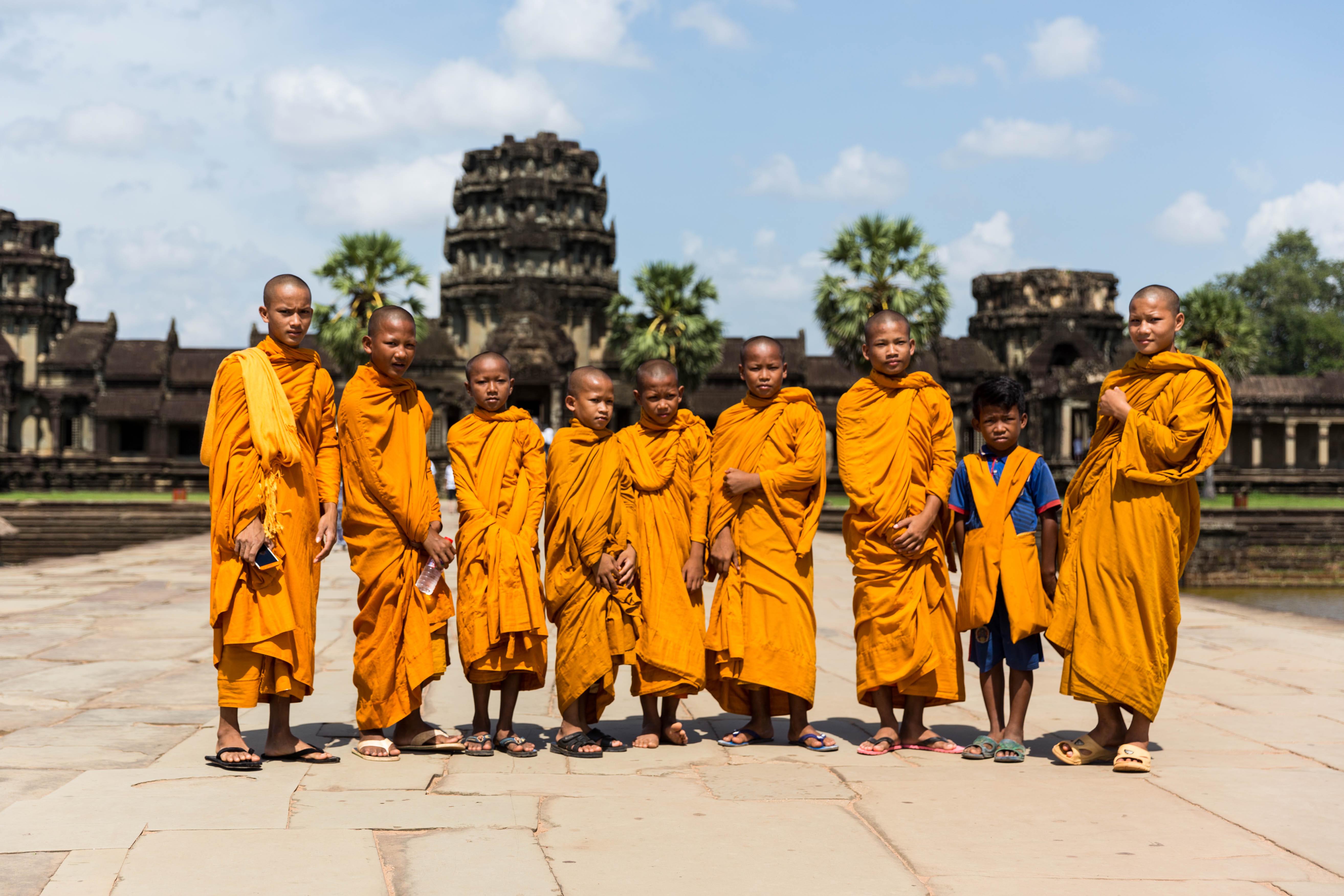
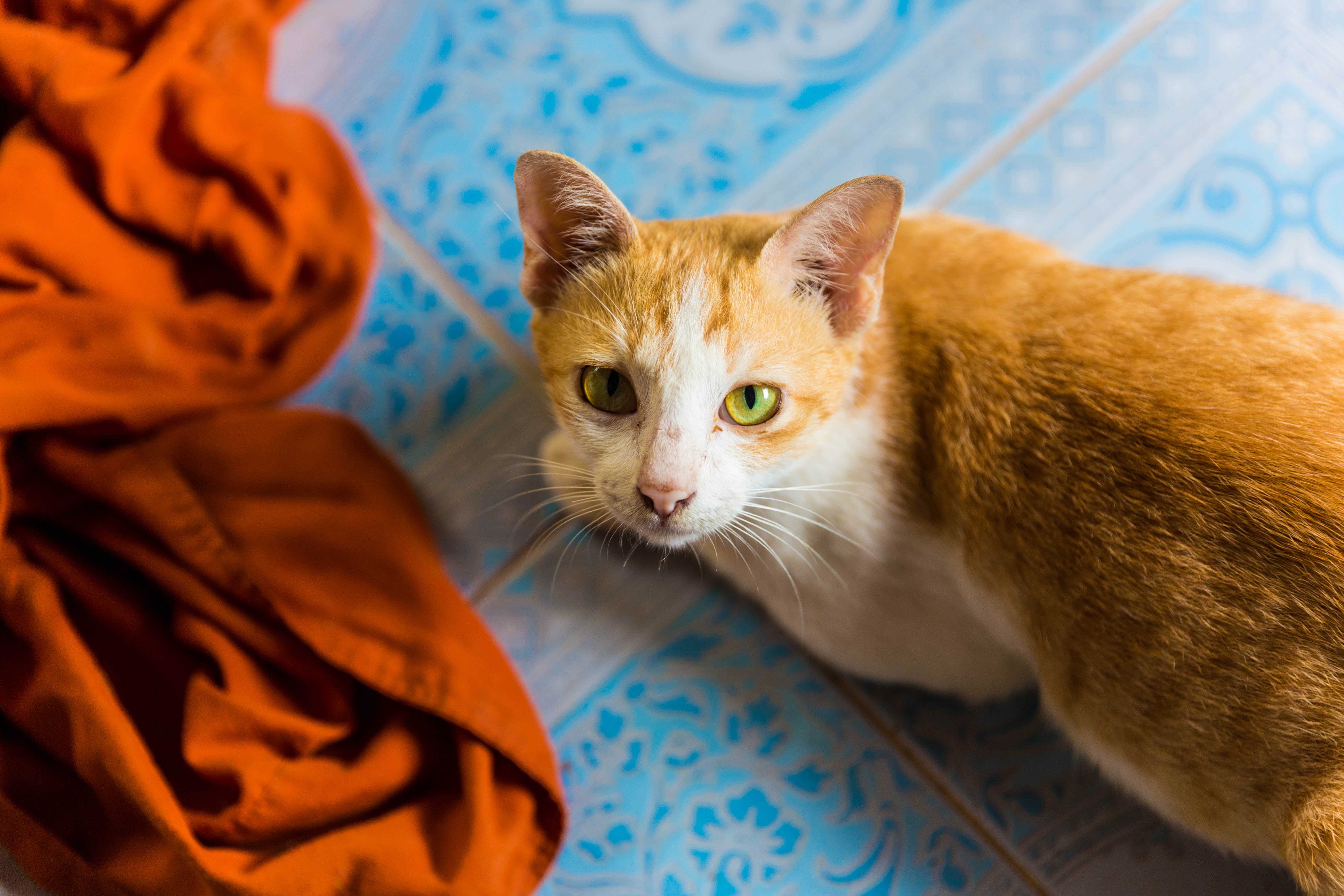
What was the most unusual discovery from his time with the monks? “Many of the younger monks at the pagoda were there out of necessity,” Contreras says. “Their families couldn’t afford to provide for them, or they were orphans who came to the pagoda for the same reason, a means for survival.”
“Coming from the States, I had a westernised concept of what I thought a monk is or should be. I thought that all monks were serious practitioners who chose their path because they wanted to dedicate their lives to the teachings of the Buddha. After my time with them, that point of view was completely eradicated. A lot of them were at the pagoda simply because it provided them with food and shelter. Buddhism in a way was initially secondary.”
See more of Enoch Contreras’ work on his official website, or follow him on Instagram.
Follow Laura Isabella on Twitter.
Enjoyed this article? Like Huck on Facebook or follow us on Twitter.
You might like

The sharp rise of video game photography
Point, shoot — As the entertainment medium’s fidelity levels increase and developers build more powerful tools, a growing community of gamers are pushing the boundaries of image making in virtual worlds. Vicky Jessop meets people at the forefront of the emerging artform.

Joyous photos from the heart of the UK’s radical free festival movement
Common Grounds — The photographer has been capturing British counterculture for the past half century. A new exhibition looks at his archive sitting at the intersection of music, community and grassroots protest.

The lasting community legacy of a legendary Californian boxing gym
Moretón — Since opening in the ’80s, the Coachella Valley Boxing Club has trained multiple world champions, while providing a vital hub for local youth. In his new photobook, Darren Vargas documents its tight-knit, Chicano-led community, while also weaving a deeply personal story.

Inside the grunge golden age with Hole’s former bassist
My ’90s Rock Photographs — Melissa Auf der Maur’s new photobook is a sprawling visual memoir of her time at the heart of the US scene, from Tinker to The Smashing Pumpkins.

Introducing ‘The Chaos Isles’, a new photozine by Huck and Yushy
Normal Island — From unlicensed raves to the solstice at Stonehenge, furries to giant vegetable growers, Yushy is one of the UK’s best lensmen of its wild side. ‘The Chaos Isles’ will be sent out exclusively to Club Huck+ members.

Join Club Huck+ to get the most from Huck
Dispatches from the sharp edge of culture — Members get our print magazine, special photozines, The Huck Long Read newsletter, discounts from our friends and partners, digital versions of back issues and priority access to events.


