A conflict photographer’s guide to shooting protests
- Text by Cengiz Yar
- Photography by Cengiz Yar

Photographer Cengiz Yar has spent years working on stories around situations of unrest and conflict; from the wars in Iraq and Syria to protests in Thailand and Ferguson, MO.
As the Black Lives Matter movement spreads around the world, photographers have been caught up in scenes of violence and sometimes even targeted directly. We asked Cengiz for some tips for how to keep safe if you’re a photographer heading to a protest for the first time.
Plan Ahead
“One of the most important things you can do to stay safe at a protest is plan how you will approach every eventuality. Look at the weather report and research basic logistics such as parking or routes to a hospital. Use a risk assessment (like this one) to help think about everything that might come up and how you’ll handle it. If roads or public transit are closed, how will you get home? What will you do if you’re trapped in an area for an extended amount of time? How have protesters or law enforcement treated the press in the past? If you’re working, how will you file? Think about all the possibilities and plan how you’ll deal with them.”
Dress Accordingly
“Wear comfortable clothing suited to the weather that will differentiate you from protesters or law enforcement – maybe don’t use a tactical backpack and skip the all-black outfit for that day. In more extreme situations think about what clothing could pose even further risks, such as cotton plastic blends sticking to skin in a fire or explosion. I’ll often pack a change of clothing on extremely hot days to help alleviate sweat. While running shoes or sneakers are great for long days following protesters through a city, a strong pair of boots can help protect your feet and ankles in more intense situations.”
Pack Well
“Pack what you would normally bring for a long hike: sunscreen, electrolytes, Advil/paracetamol, snacks and extra water. Simple things like a hat for the sun or umbrella for the rain can go a long way. It’s possible that the stores around the protest will close so take what you may need, but remember that you’ll be carrying everything all day so stick to essentials.”
Medical Supplies
“Since protests are often held in downtown urban environments, it’s likely you’ll be close to a hospital in the event of serious injury to you or your colleagues. However, stopping blood loss during an emergency could be the difference between life and death so I often carry two tourniquets and keep them in an easy-to-reach place. In more remote situations I always have a full medical kit, either on me or in the trunk of a nearby car.”
Check-in
“Do periodic text check-ins throughout the day with someone who is not at the protest and may be prepared to help you in the event of an emergency. This person should also be aware of local hospitals, lawyers and any other phone numbers that might be useful (have these numbers on you as well). I typically space check-ins out every 5 hours but will increase them to hourly as events become more volatile. Have a plan in place in case if you don’t make a check-in.”
Work as a team
“Buddy up with another journalist or photographer. Make a plan as to how you can help each other, create meeting points, coordinate coverage, and keep an eye on each other throughout the day. As photographers, we’re often only focused on the small frames of what’s happening in front of us and having a second pair of eyes can prove essential to staying safe. I always team up with people I trust not to put me at greater risk. The more events I cover with the same person the easier it is to read the situation together. Remember, photography isn’t a competition, working together will help keep more people safe in the long run.”
Safety equipment
“Look at what has happened before at protests in your area and what types of weapons have been used. For covering most volatile events in the US, my simple kit of ballistic glasses and goggles, respirator and bike helmet has been enough. Choose a helmet that is light enough to carry around all day. However, if the situation ever appears to be escalating then evacuating the area should be your primary concern. I also always carry an updated press card and have it visible.”
Situational awareness
“Scan your surroundings constantly. Listen intently and you’ll likely hear a situation happening before you see it. Make note of actors that may pose a threat. Keep an eye out for escape routes in case something happens and keep a running discussion about this with your buddy or team. Notice points where you may be able to hide if something does happen. Is there a hard structure nearby that can create cover? Pay attention to the environment and how it can help or harm you.”
De-escalate or escape
“In the event something does arise that’s threatening your safety, attempt to de-escalate the situation in whatever way you can. If you’re unable to de-escalate, leave immediately. Retreat to an area away from the threat and make sure your partner and check-in is aware. If you are arrested or attacked by law enforcement, be professional and comply with their orders. Try at all times to minimise any actions that could escalate the situation or for someone to think you’re a threat.”
Decompress
“After the events have concluded, take some time to decompress on what you saw or witnessed. Think about how you reacted and how you might react differently in the future. Simple things like keeping a diary or audio journal may help you remember these events years from now and could provide a valuable source for memory and comfort down the line.”
Follow Cengiz Yar on Twitter and Instagram and see more of his work on his official website.
Enjoyed this article? Like Huck on Facebook or follow us on Twitter.
You might like

Jesse Glazzard’s messy portrait of queer friends, lovers and chosen family
The Sound of Dirt and Beauty — The photographer’s debut monograph explores tender, unpolished moments shaped by the people who he surrounds himself with, while offering a window into the UK’s working-class LGBTQ+ community.
Written by: Sunny Sunday
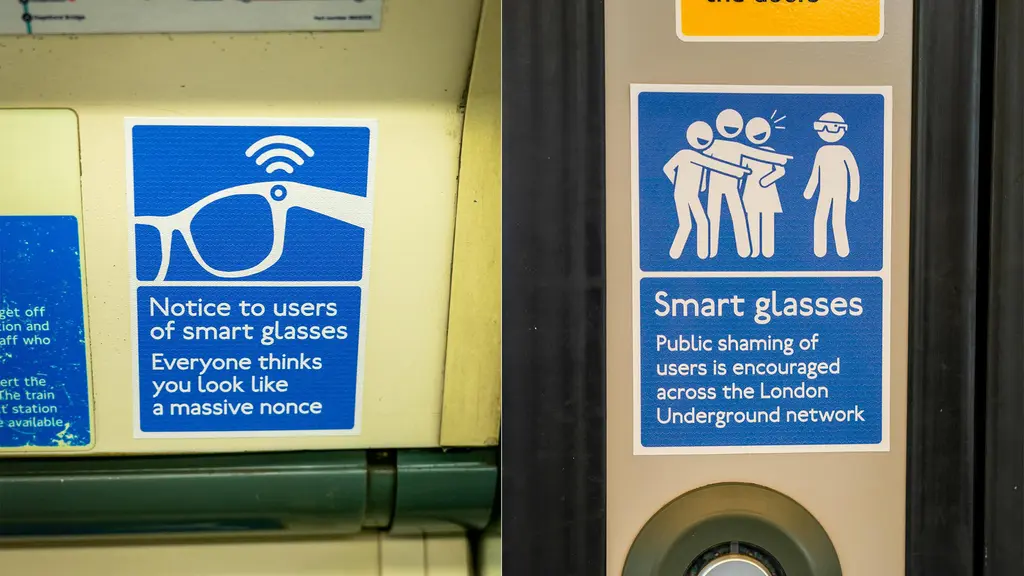
Activists slam “pervert glasses” in new guerrilla campaign
Everyone Hates Elon — Stickers have appeared on the London Underground network, criticising the wearable technology’s covert filming capabilities.
Written by: Isaac Muk

Behind the curtain at Alternative Miss World 1981
Olympia glamour — Running a subversive take on the traditional beauty pageant, the Andrew Logan organised event prioritised underground creativity and invention. Photographer David Corio went behind the scenes at its biggest edition.
Written by: Miss Rosen

New exhibition highlights British radical living over 200 years
Earthly Paradise — Taking place at the William Morris Gallery, it explores the homes and lives of artists, writers, musicians and more, as well as the conditions that allowed them to thrive.
Written by: Isaac Muk

What life on the Strait of Hormuz is really like
Southern Winds — Bandar Abbas based photographer Morteza Niknahad has been capturing the diverse communities and stories of his local region since he first picked up a camera. His new series highlights the human impact of war.
Written by: Isaac Muk

Pink Floyd’s Roger Waters joins team of new Palestinian resistance documentary
Freedom Theatre — Directed by Rishi Pelham, the film spotlights a theatre operating in the Jenin refugee camp.
Written by: Ella Glossop


