Dalai Lama does Glastonbury
- Text by D'Arcy Doran
- Photography by Ruminatrix

The Dalai Lama shot to the top of the list of the most exciting confirmed name on the 2015 Glastonbury line-up over the weekend (sorry Lionel Ritchie). The Tibetan spiritual leader’s new year schedule leaked that he’s giving a talk at Worthy Farm on the final day of the world’s largest greenfield festival, which runs from June 24-28. (His holiness might have prematurely let the news out—it has since been removed.)

The news surprised some, but he’s a natural for Glasto. For years the Chinese government has been hellbent on trying to pin a rock band-esque name to the Dalai, calling the Nobel Peace laureate a “Jackal,” a “Splittist” (apparently a Marxist Chinese insult) and a “Wolf in Monk’s Robes.” (Chinese Communist forces invaded Tibet in 1951 and expelled the Dalai Lama in 1959 after a failed uprising.)
He has also been inspiring global culture for decades. Beastie Boys tunes like “Bodhisattva Vow” and “Shambala” are testimoney to this. The Tibetan monk was a particularly strong influence on the Beasties’ MCA, Adam Yauch, who interviewed him in 1995 (Read the exchange here.) His encounters with Tibetan Buddhism not only expanded the band’s world view but led to them to organise a series of Tibetan Freedom Concerts around the world in collaboration with other musicians including Björk, De La Soul, Rage Against the Machine and the Red Hot Chili Peppers.
A 2015 Glastonbury appearance also comes as Beijing is intensifying efforts to isolate the Dalai Lama from world leaders. Pope Francis refused to meet the Dalai Lama, the Vatican said last month it was due to fears it could hurt relations with China. A summit of Nobel Peace Prize winners in South Africa last October was cancelled because the South African government denied a visa to the Dalai Lama. Beijing put a “freeze” on trade and political discussions with Britain for more than a year after David Cameron met with the Tibetan spiritual leader.
Governments might give into China’s bullying, but appearances at events like Glastonbury could have a greater impact on winning over hearts and minds. After all, what will shake up culture more? Sitting down with David Cameron, or lighting up the next MCA?
You might like

Jesse Glazzard’s messy portrait of queer friends, lovers and chosen family
The Sound of Dirt and Beauty — The photographer’s debut monograph explores tender, unpolished moments shaped by the people who he surrounds himself with, while offering a window into the UK’s working-class LGBTQ+ community.
Written by: Sunny Sunday
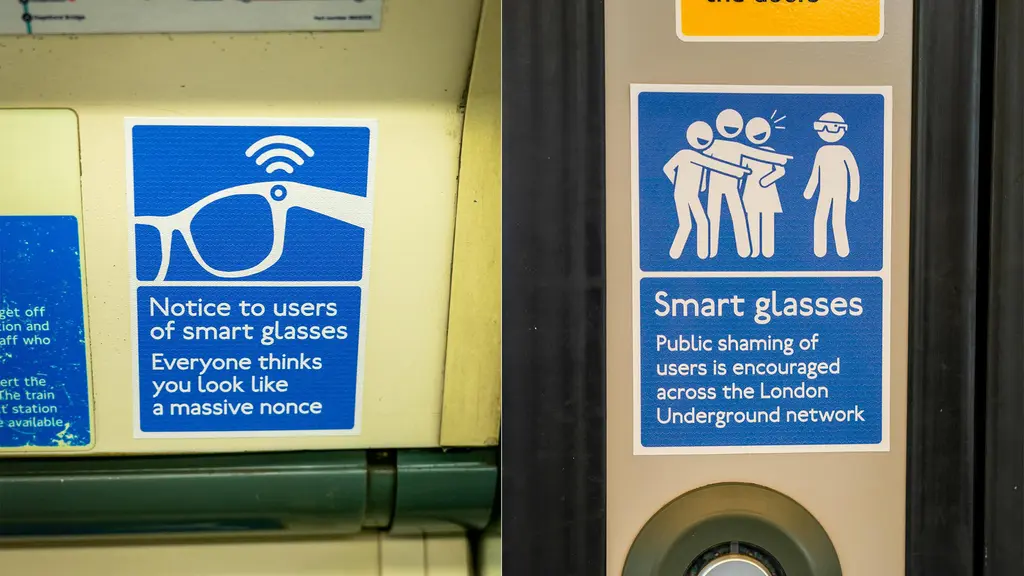
Activists slam “pervert glasses” in new guerrilla campaign
Everyone Hates Elon — Stickers have appeared on the London Underground network, criticising the wearable technology’s covert filming capabilities.
Written by: Isaac Muk

Behind the curtain at Alternative Miss World 1981
Olympia glamour — Running a subversive take on the traditional beauty pageant, the Andrew Logan organised event prioritised underground creativity and invention. Photographer David Corio went behind the scenes at its biggest edition.
Written by: Miss Rosen

New exhibition highlights British radical living over 200 years
Earthly Paradise — Taking place at the William Morris Gallery, it explores the homes and lives of artists, writers, musicians and more, as well as the conditions that allowed them to thrive.
Written by: Isaac Muk

What life on the Strait of Hormuz is really like
Southern Winds — Bandar Abbas based photographer Morteza Niknahad has been capturing the diverse communities and stories of his local region since he first picked up a camera. His new series highlights the human impact of war.
Written by: Isaac Muk

Pink Floyd’s Roger Waters joins team of new Palestinian resistance documentary
Freedom Theatre — Directed by Rishi Pelham, the film spotlights a theatre operating in the Jenin refugee camp.
Written by: Ella Glossop


