Living in England as a new Muslim convert
- Text by Matteo Congregalli
- Photography by Matteo Congregalli

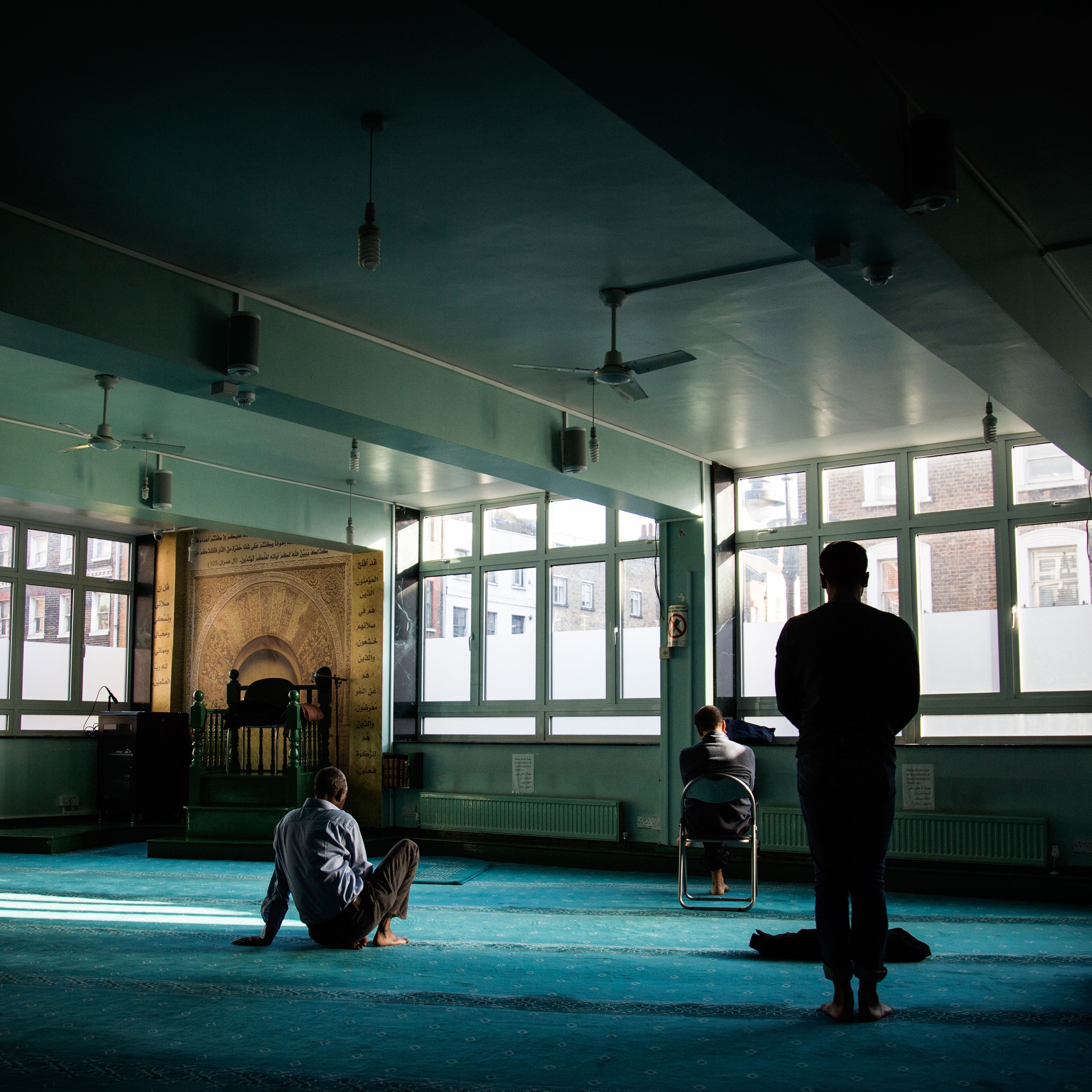
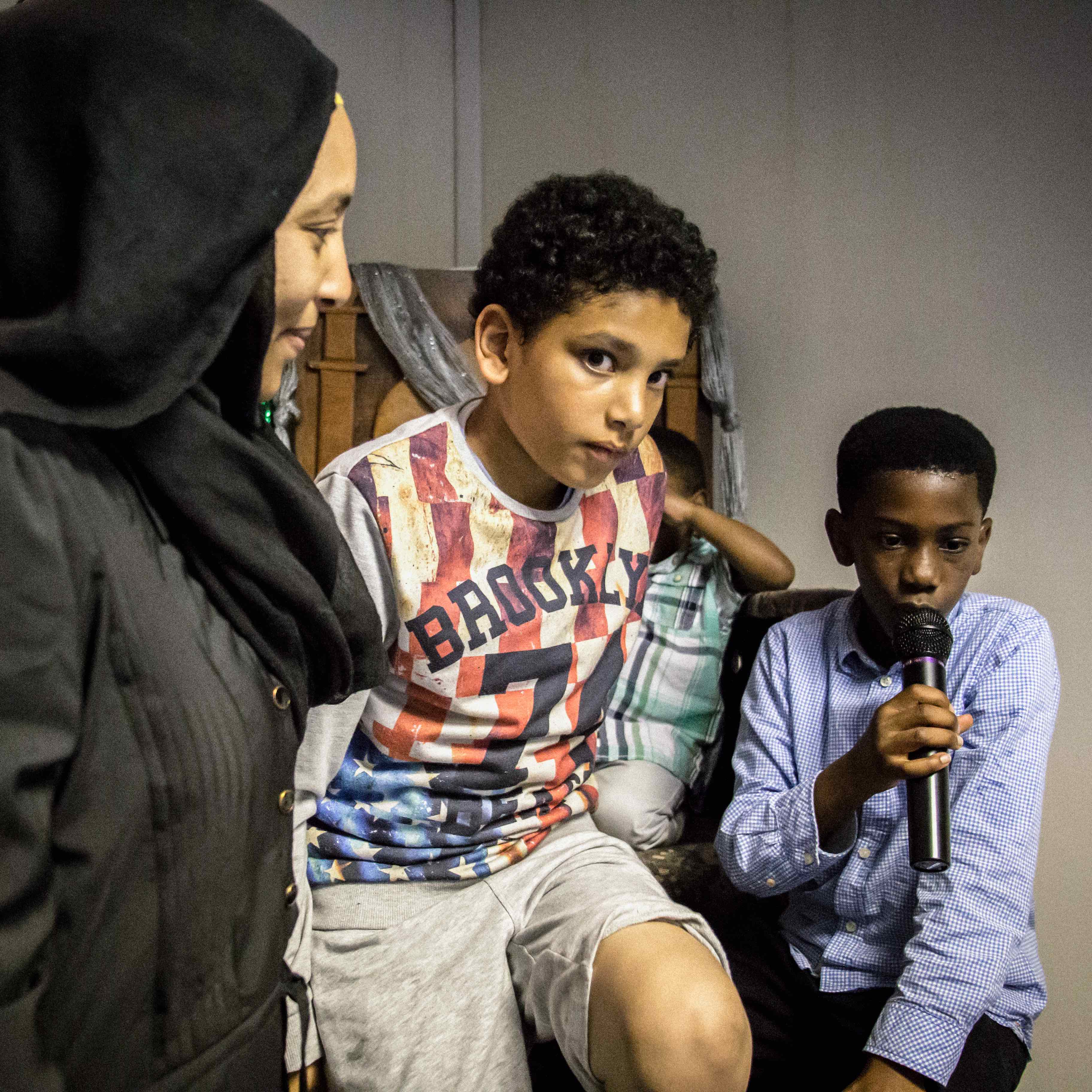
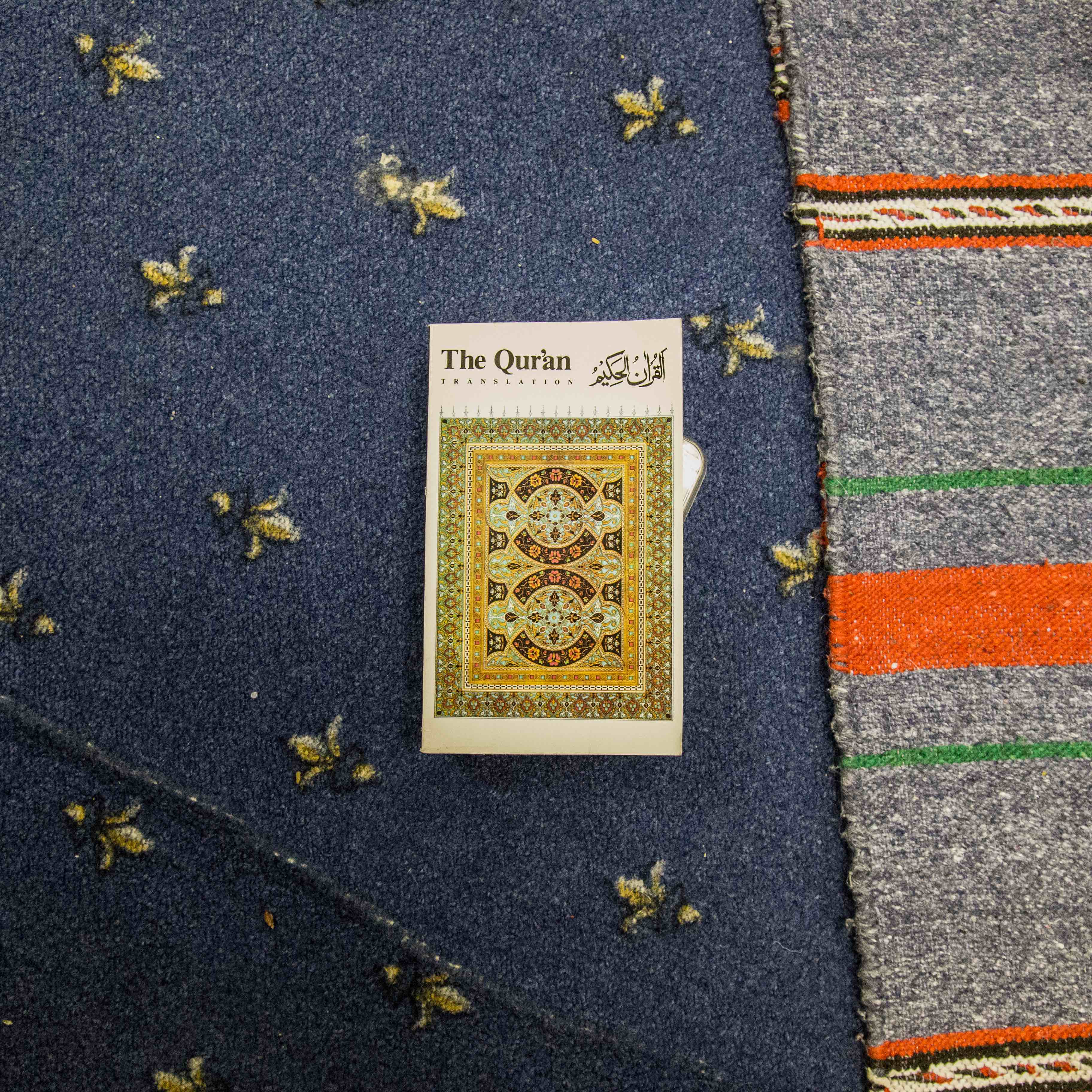
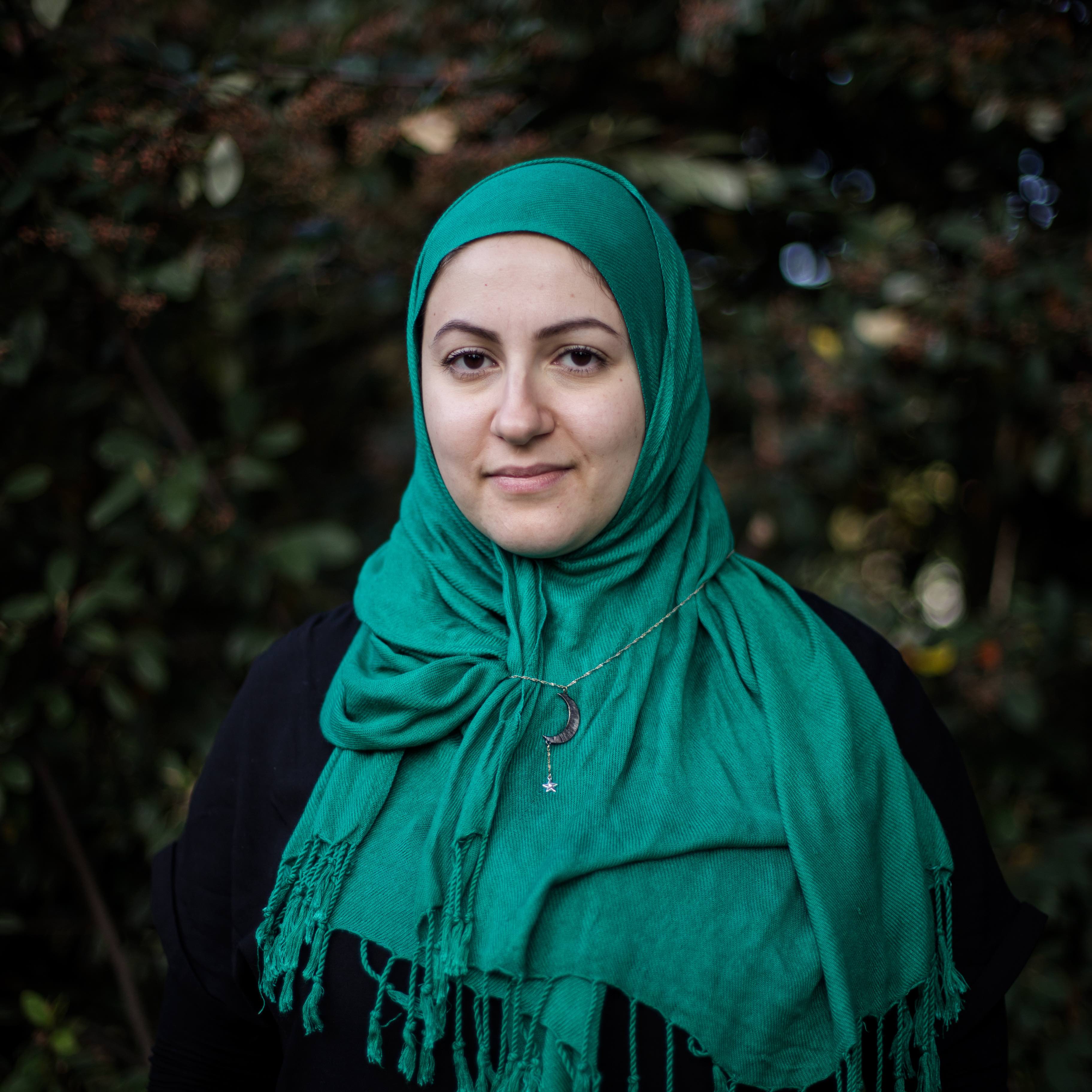
My latest project The House of the Prophet is a photo series which examines the lives of Muslim converts in modern-day England.
According to a 2016 study by Swansea University, there are around 100,000 new Muslim converts living in England (a number that doesn’t include foreign nationals who have converted and moved to the United Kingdom). Unfortunately, over the last few years, the reputation of these converts has been tainted.
England has seen a number of attacks carried out by Muslim converts (the murder of British soldier Lee Rigby by Michael Adebolajo in 2013, or the Westminster bridge attack by Khalid Masood, born Adrian Russell Elms, last Spring). More often than not, these converts often appear amongst the ranks of the so-called Islamic State; leading to a conflation between Islam and terrorism in the popular press.
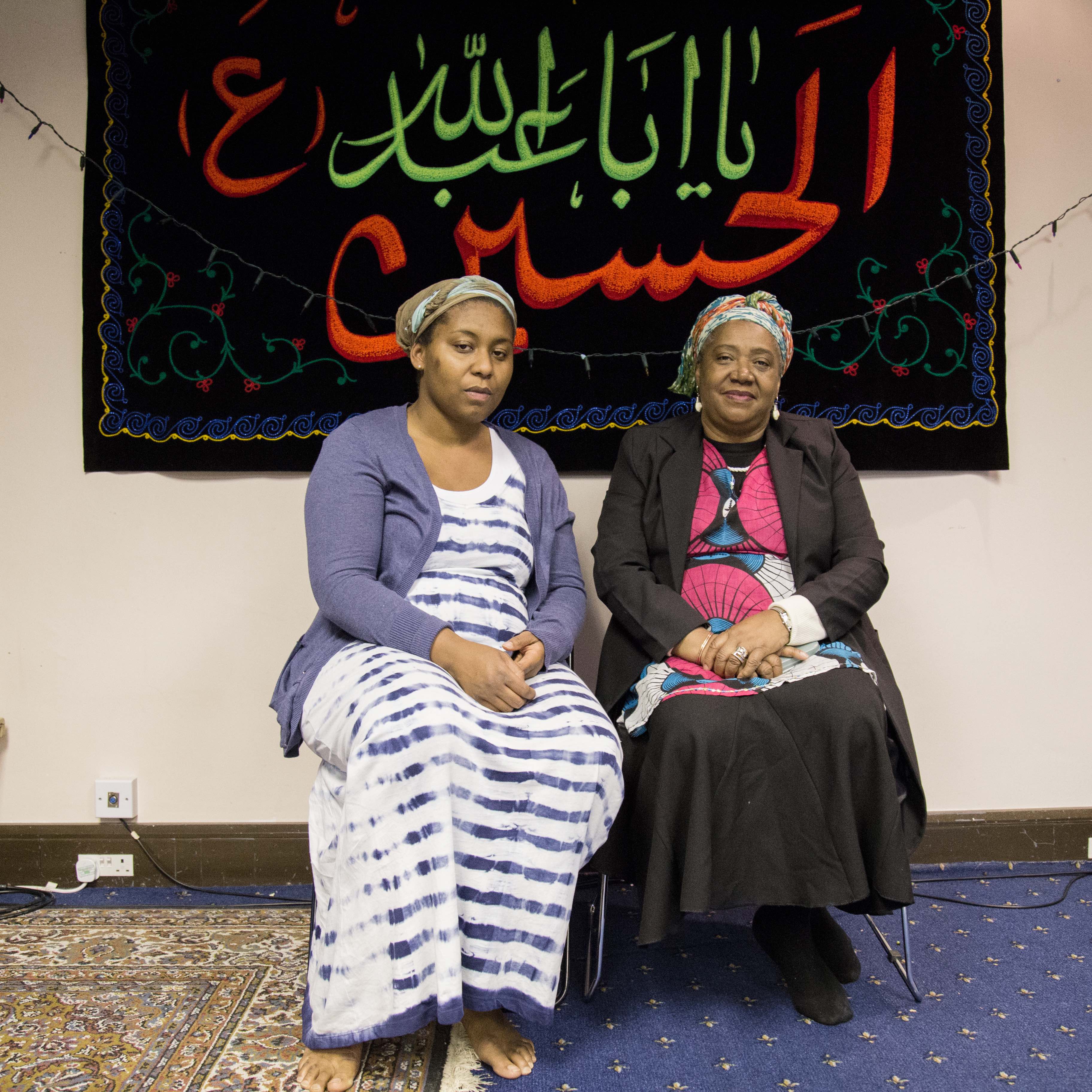
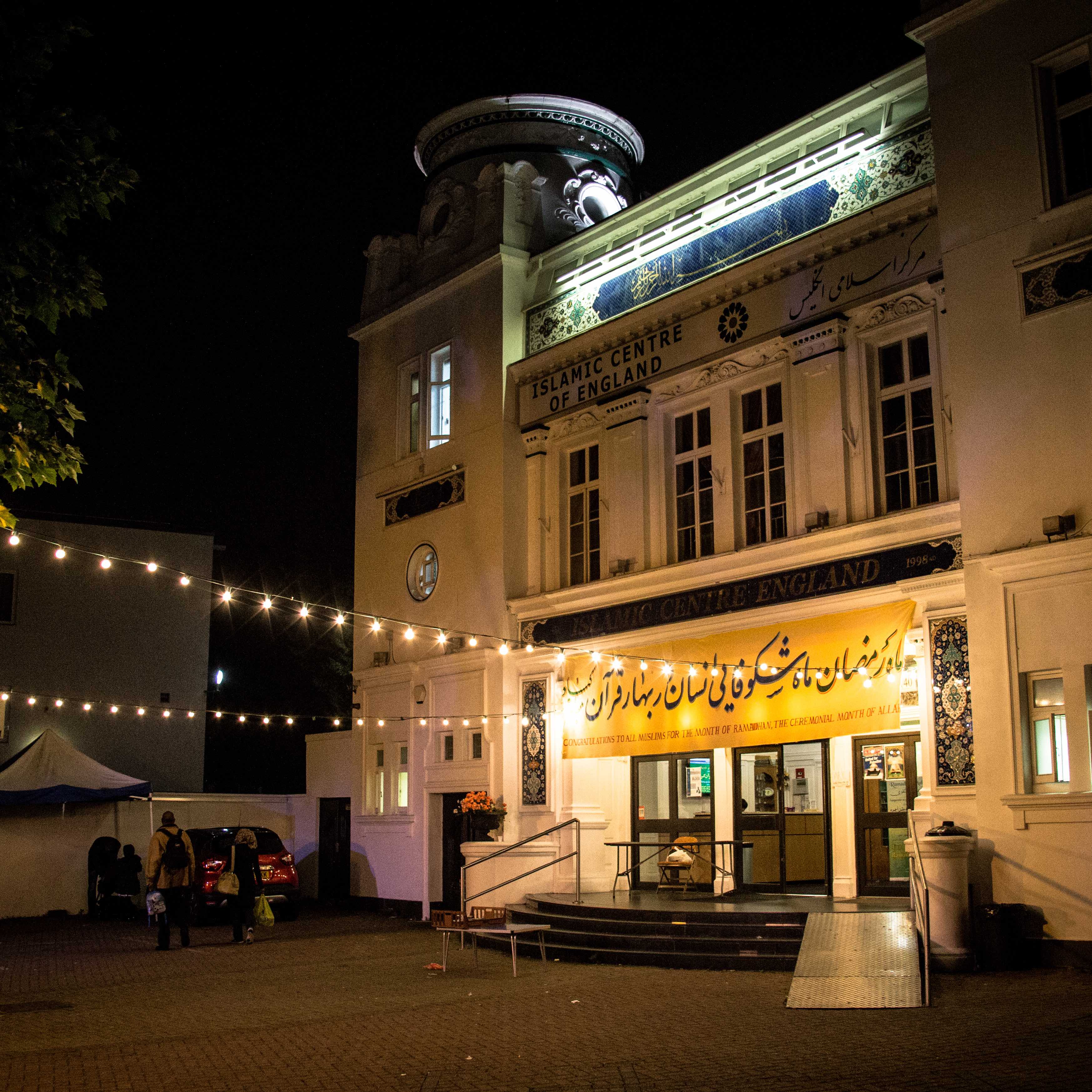
The House of the Prophet aims to explore the nuances of this growing phenomenon of converts. It also attempts to understand what brings people to embrace a new faith and the different lifestyle that comes with it.
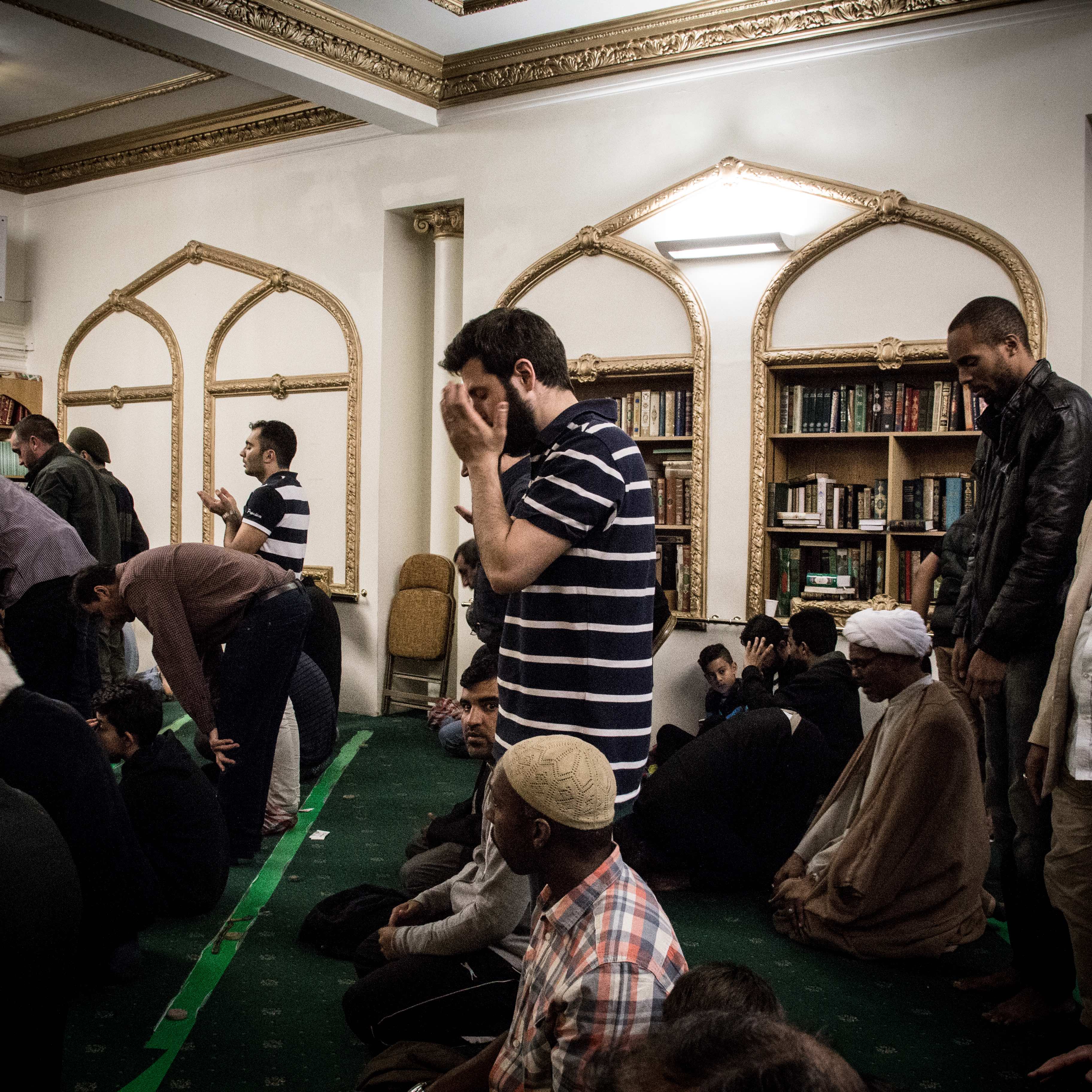
When I was shooting the project, I met with the Ahlul Beit Revert Community (ARC) – a non-sectarian, grassroots organization that offers a support network to fresh converts. Its members are mostly Shia – originally a majority in Iraq, Iran and Lebanon – but come from different walks of life.
Through them, I met Hala – a Portuguese convert working as a housemaid in London, who is currently studying to become a cleric. According to her, the desire to convert to Islam came from a dream. “I was lying beside a big, white lion that was protecting me from black wolves all around me,” she told me.
Another woman, Noor, converted to Islam after meeting her Lebanese ex-husband. She now works as a safety specialist in London, and chooses not to wear a hijab. “I’ve tried to wear the veil for two years,” she explained. “But it’s too hard to go out with everybody staring at you, or to go to a job interview and get rejected because of what you are wearing on your head.”
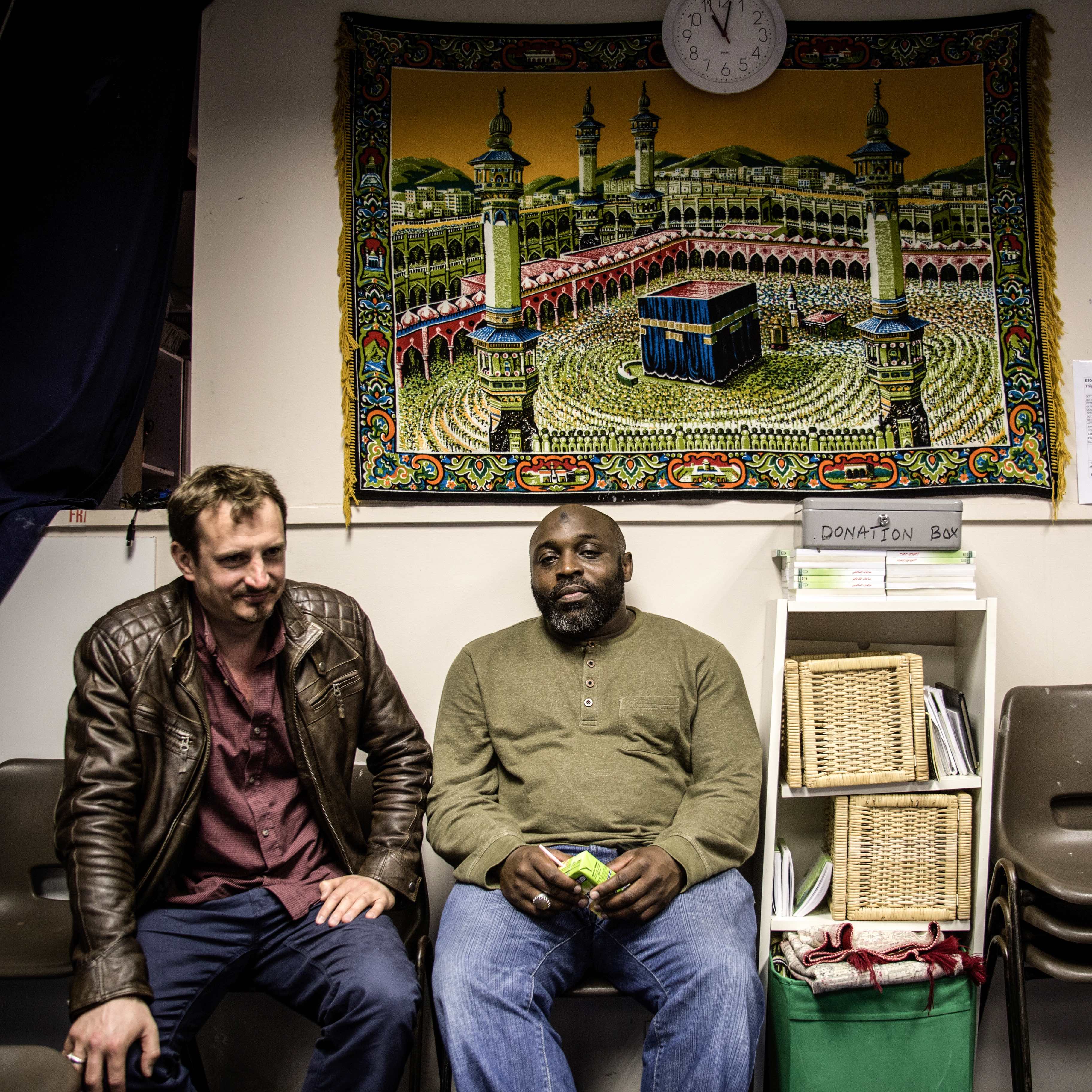
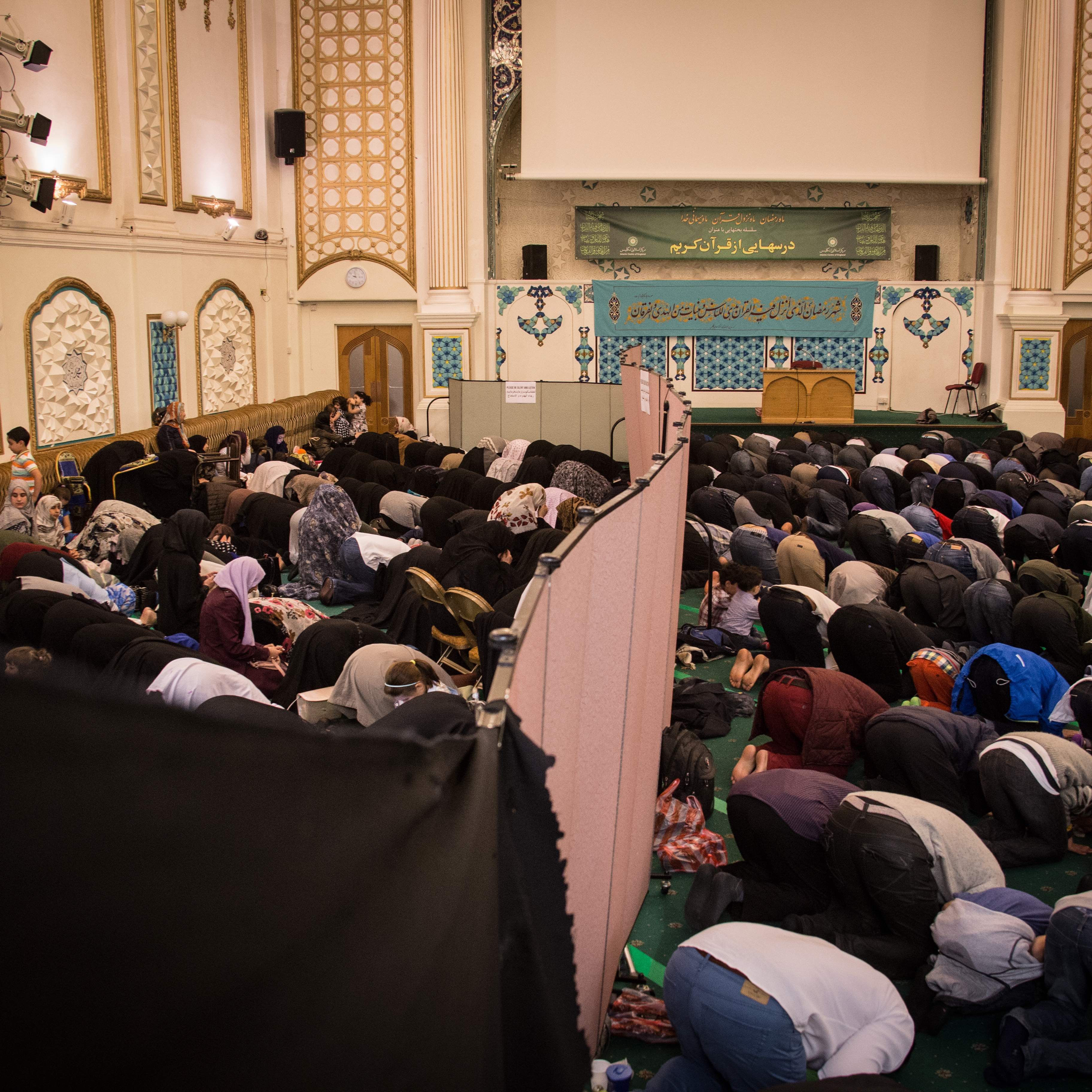
Many members of the community are of Caribbean heritage. Some converted a long time ago, baffled by the confusing concept of Christian trinity or by the Caucasian features of a fair-skinned, blue-eyed Jesus Christ they could not relate to.
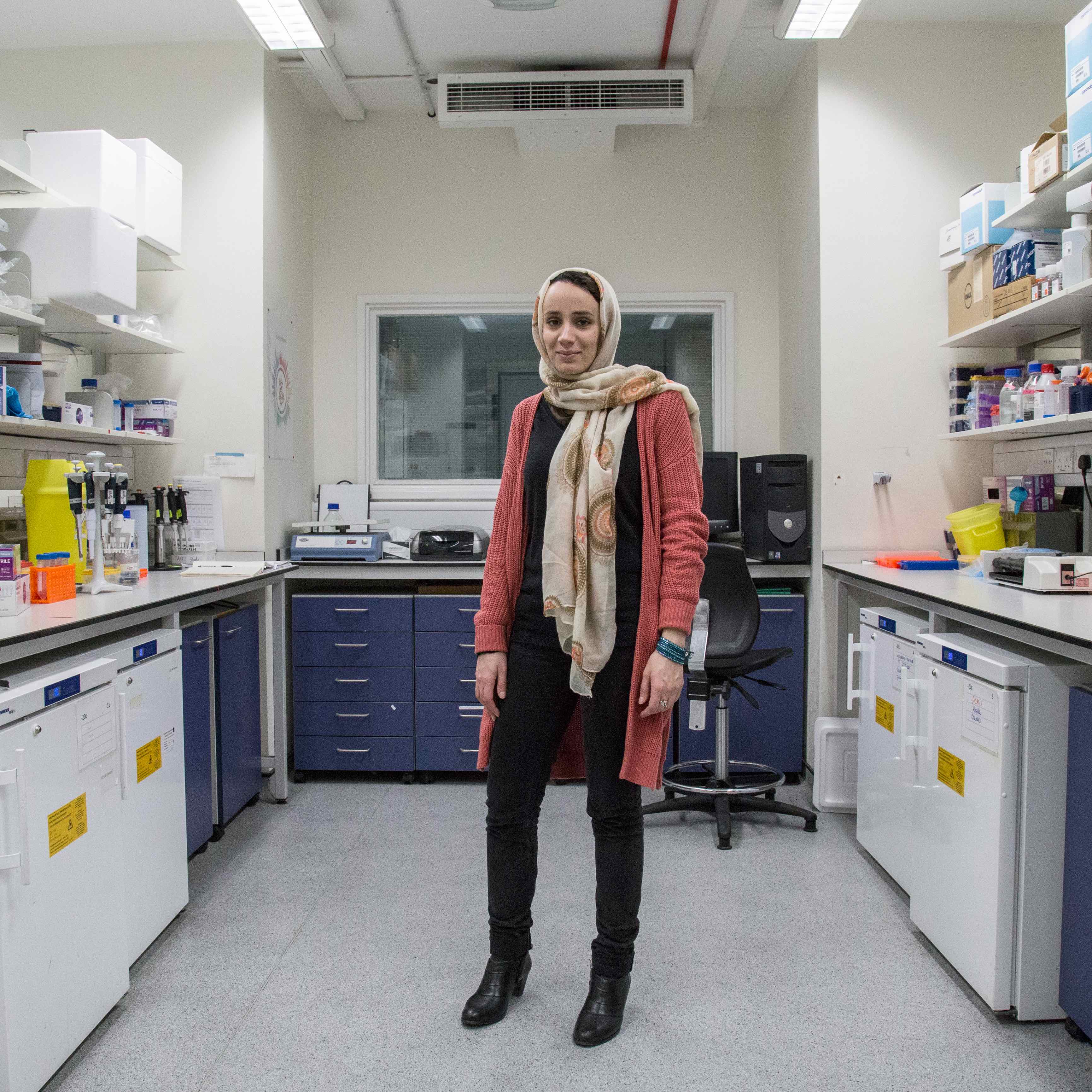
Maryiam, one of the leading figures of ARC, describes herself as a ‘revert’ – a word used to describe those who return to religion. She is also a scientist researching neurodegenerative diseases in one of London’s leading hospitals. “There is no contradiction between science and faith for me,” she said. “The Quran is a very scientific text.”
The House of the Prophet aims to set apart a violent minority from a largely peaceful whole – a group of people who have chosen to turn to religion in a personal quest for meaning.
Enjoyed this article? Like Huck on Facebook or follow us on Twitter.
You might like

The raw, fledgling intimacy of Peter Hujar’s contact sheets
Hujar:Contact — A new photobook highlights the process of the legendary queer photographer, and his process of growing into the artist he ultimately became.
Written by: Miss Rosen

Is Field Maneuvers the most fun time ever? Yes probably
Collective joy — Huck’s art director Samuel White went to the 2026 edition, braving a wet start and interviewing FLINTA* collective and arm wrestling legends Uhaul Dyke Rescue in the process.
Written by: Samuel White

Jesse Glazzard’s messy portrait of queer friends, lovers and chosen family
The Sound of Dirt and Beauty — The photographer’s debut monograph explores tender, unpolished moments shaped by the people who he surrounds himself with, while offering a window into the UK’s working-class LGBTQ+ community.
Written by: Sunny Sunday

Behind the curtain at Alternative Miss World 1981
Olympia glamour — Running a subversive take on the traditional beauty pageant, the Andrew Logan organised event prioritised underground creativity and invention. Photographer David Corio went behind the scenes at its biggest edition.
Written by: Miss Rosen

New exhibition highlights British radical living over 200 years
Earthly Paradise — Taking place at the William Morris Gallery, it explores the homes and lives of artists, writers, musicians and more, as well as the conditions that allowed them to thrive.
Written by: Isaac Muk

What life on the Strait of Hormuz is really like
Southern Winds — Bandar Abbas based photographer Morteza Niknahad has been capturing the diverse communities and stories of his local region since he first picked up a camera. His new series highlights the human impact of war.
Written by: Isaac Muk


