
People often ask me how I prepare to cover a war. Physically, I try to stay in shape, because I know I’ll be running with heavy equipment, a bullet-proof vest and a helmet. Being able to move quickly might save my life. When I pack my bags, I keep things pretty spartan. Aside from all the photography equipment, I always take a sleeping bag, a flashlight, a knife – and of course, ear plugs. The pragmatic preparations are pretty cut and dry, but mentally and emotionally there is no preparation. Even with experiences in war zones, certain scenes always leave a lasting impression.

When I first went to Syria, we were welcomed by the guerillas because they wanted us to show the rest of the world what the government was doing. Over time, it’s become harder to gain access because some people have seen that the presence of journalists hasn’t helped their situation. In general, I’ve found Syrians incredibly hospitable, and that goes for the guerrillas too. It’s easy to forget that before the war, many of them were bakers, teachers or shop owners who simply felt compelled to take up arms. Because they weren’t professional soldiers, I think they felt a certain kinship with guys like me, a kinship that was strengthened because we shared food and shelter.


I believe the only way to tell the story of a war is through the personal histories of the people who suffer through it, because it’s easy to forget that wars are fought and experienced by people like you and me. A good example was a man named Ibrahim Qashush, a forty-two-year-old firefighter, husband and father of three. During the demonstrations that started the revolution he wrote a couple of anti-government songs. Not long after, they found his body floating in the Orontes river with the vocal chords torn out of his throat. The government of Bashar al-Assad thought they could literally silence the revolution, but it had the opposite effect. Now, every Friday after prayers, two boys named Abderraman and Asma lead the protests.


Getting the human stories is often complicated by the conditions of war. The longer the conflict goes on, the more dangerous it has become for foreign observers. When guerrilla groups from Al Qaeda got involved the threat of kidnapping shot up, so now we can’t go anywhere without a specially assigned guard detail. My nights are usually spent editing and sending photos to HQ, if the internet is working. One surprising upside is that the food is pretty good in Syria because a lot of it comes in from Turkey.


I’m often afraid when I work, but I look at fear as a defence mechanism that allows me to know how far I can go before things become too dangerous. All conflicts come with their own unique set of risks, but the most difficult thing to deal with, by far, is the pain of others. I encounter pain everywhere in Syria, the hospitals, the funerals, the refugee camps, and it never gets any easier to witness.
Despite the emotional toll, I love my job. I love that it lets me travel, get to know other cultures and act as a witness to events that influence world history. Of course, it’s very difficult, and when I’m not working I like to just spend time at home, resting, eating well, and seeing friends. I don’t find it difficult to reintegrate into ‘normal’ life, but I do find, after spending some time at home, I get an itch to go back to Syria.
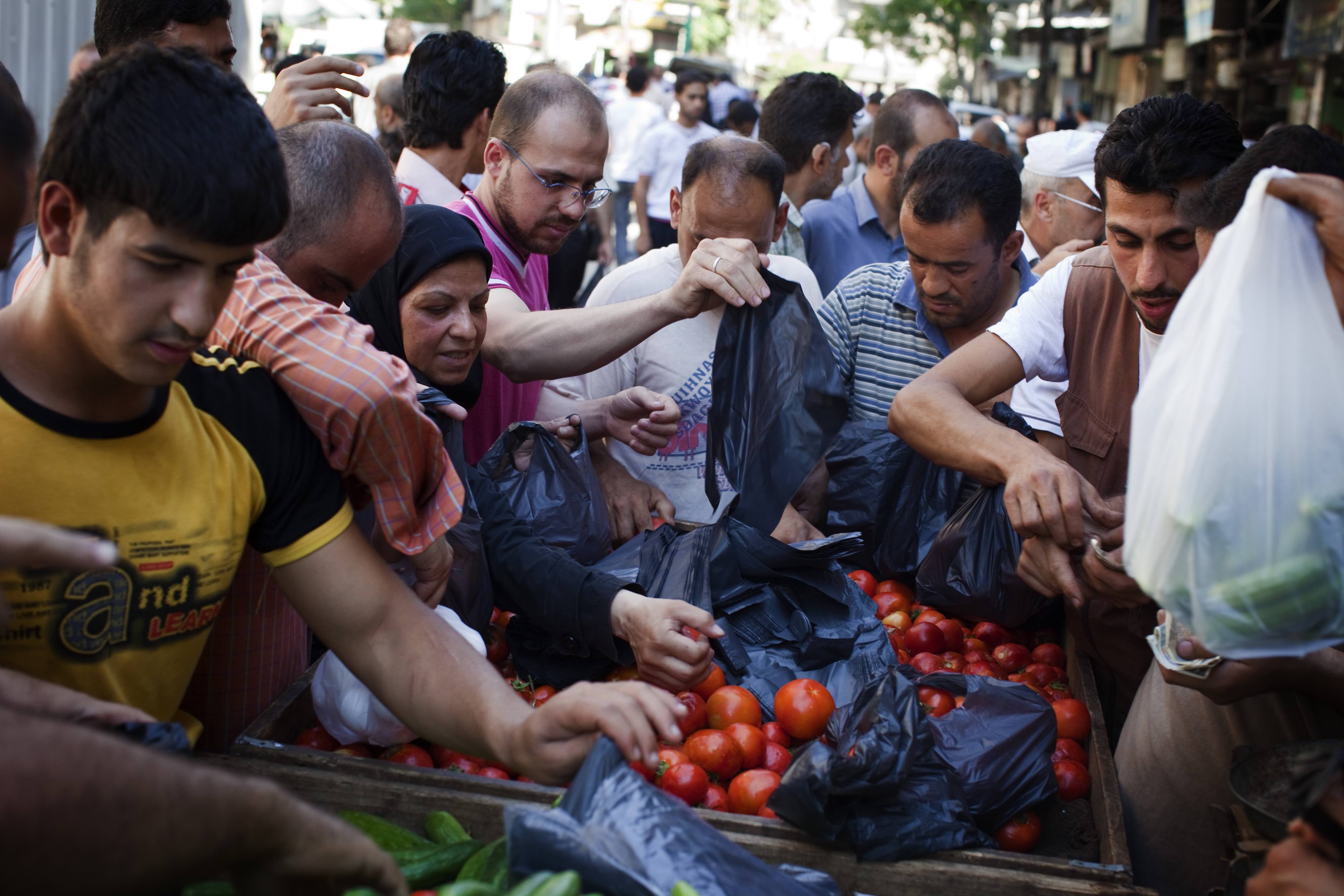


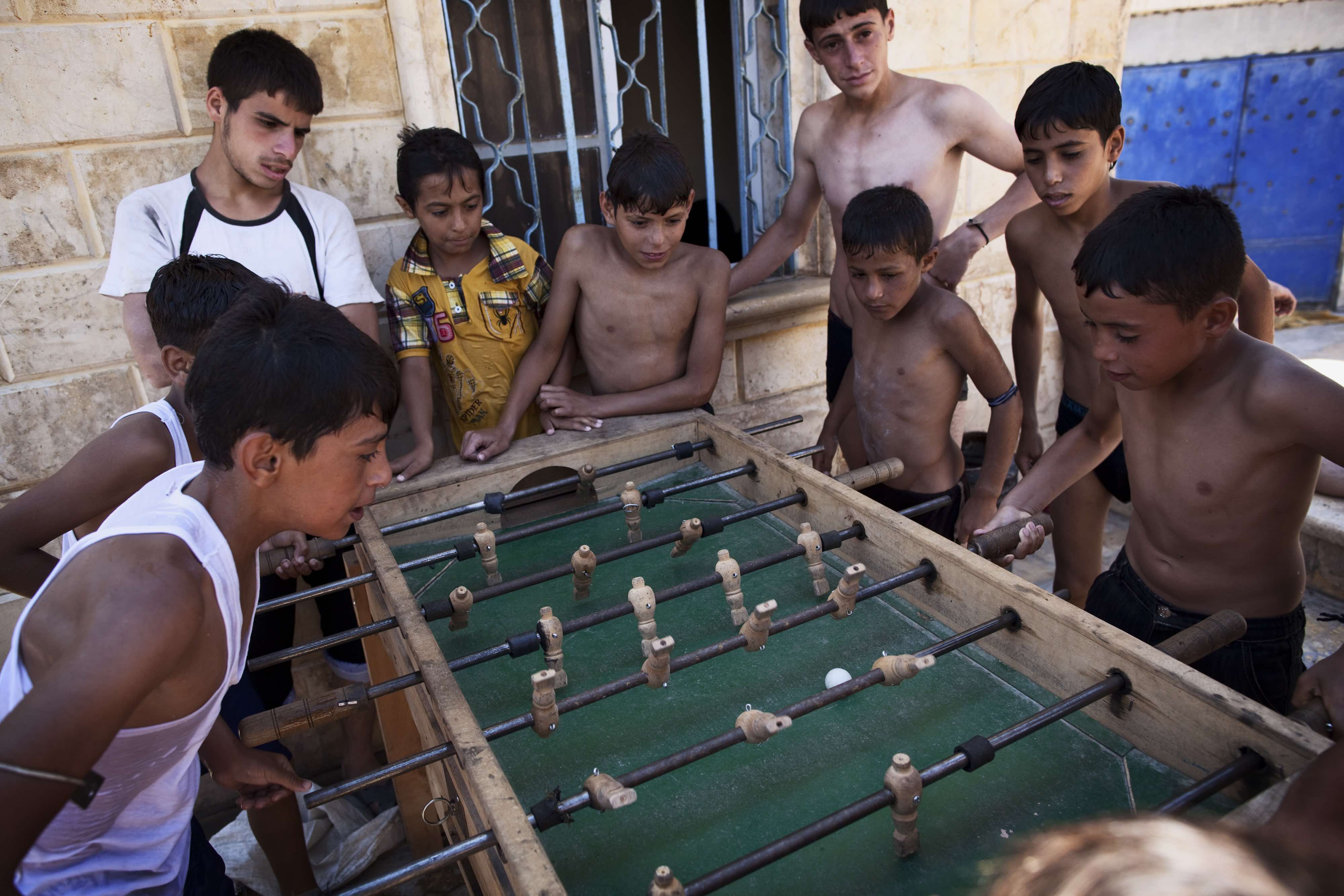
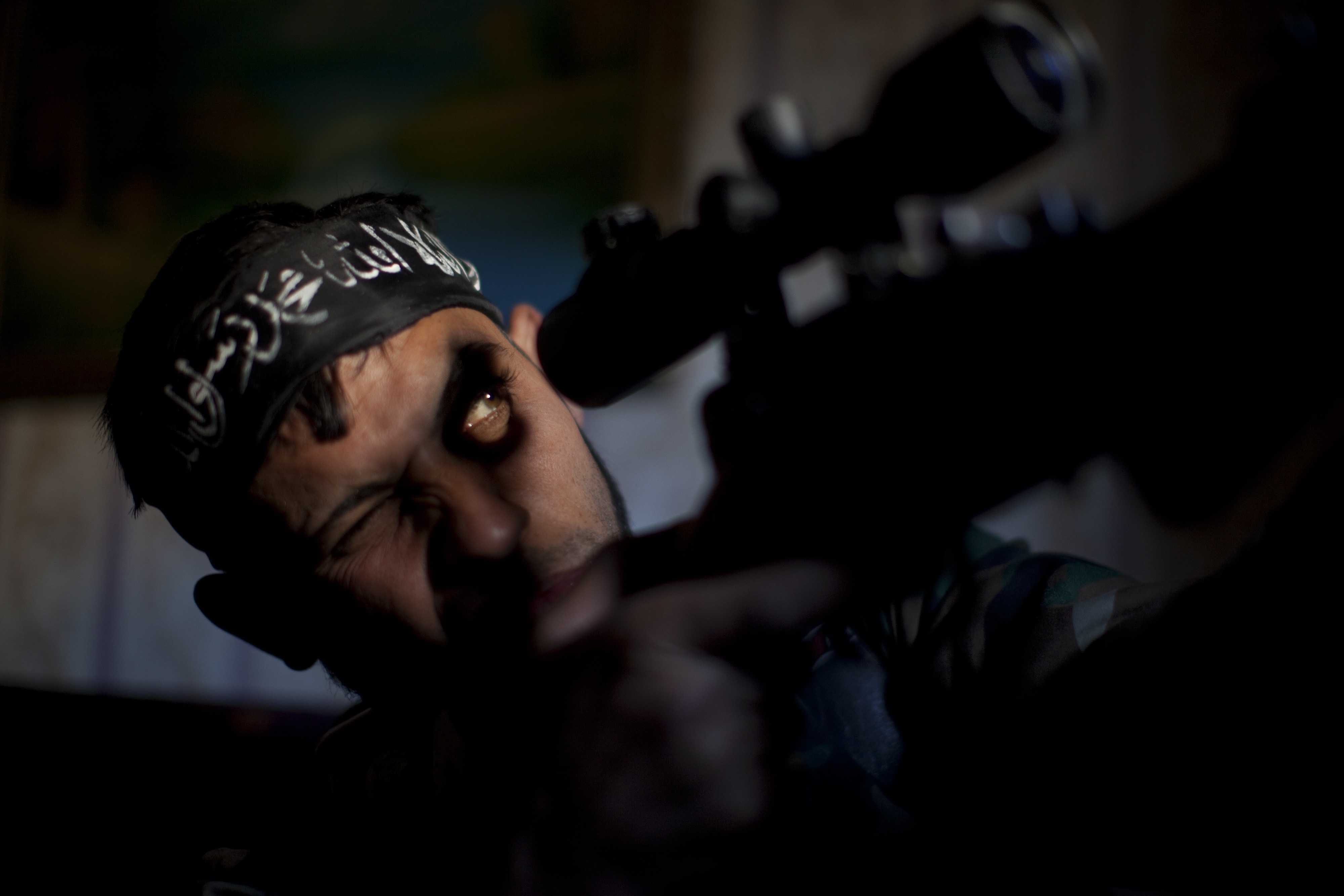
JM Lopez’s work in Syria has been shortlisted in the Lifestyle category 2015 Sony World Photography Awards.
This article originally appeared in Huck 41: The Documentary Photography Special in from November 2013.
You might like

Jesse Glazzard’s messy portrait of queer friends, lovers and chosen family
The Sound of Dirt and Beauty — The photographer’s debut monograph explores tender, unpolished moments shaped by the people who he surrounds himself with, while offering a window into the UK’s working-class LGBTQ+ community.
Written by: Sunny Sunday

Behind the curtain at Alternative Miss World 1981
Olympia glamour — Running a subversive take on the traditional beauty pageant, the Andrew Logan organised event prioritised underground creativity and invention. Photographer David Corio went behind the scenes at its biggest edition.
Written by: Miss Rosen

What life on the Strait of Hormuz is really like
Southern Winds — Bandar Abbas based photographer Morteza Niknahad has been capturing the diverse communities and stories of his local region since he first picked up a camera. His new series highlights the human impact of war.
Written by: Isaac Muk

Nick Haymes’s intimate portrait of his family’s life
Chronograph — Over 25 years, the photographer documented his son’s lives as they grew into adults. The resulting photobook is an exploration of the passage of time, as well as the optimism of youth.
Written by: Miss Rosen

Kristina Rozhkova’s scatty, confronting portrait of captivity
Gut Feeling — The Russian artist’s 2024 arrest and subsequent detention opened her eye towards the omnipresent dynamics of power and control. Her new photobook is a stark exploration of being trapped.
Written by: Isaac Muk

UK’s first ever Latino film festival is coming to London
LoLaFF — Taking place between October 2-6, it will feature 55 filmmakers from Latin America, with an opening night at the Barbican.
Written by: Isaac Muk


