The families of those who've died in police custody are still demanding justice
- Text by Theo McInnes
- Photography by Theo McInnes

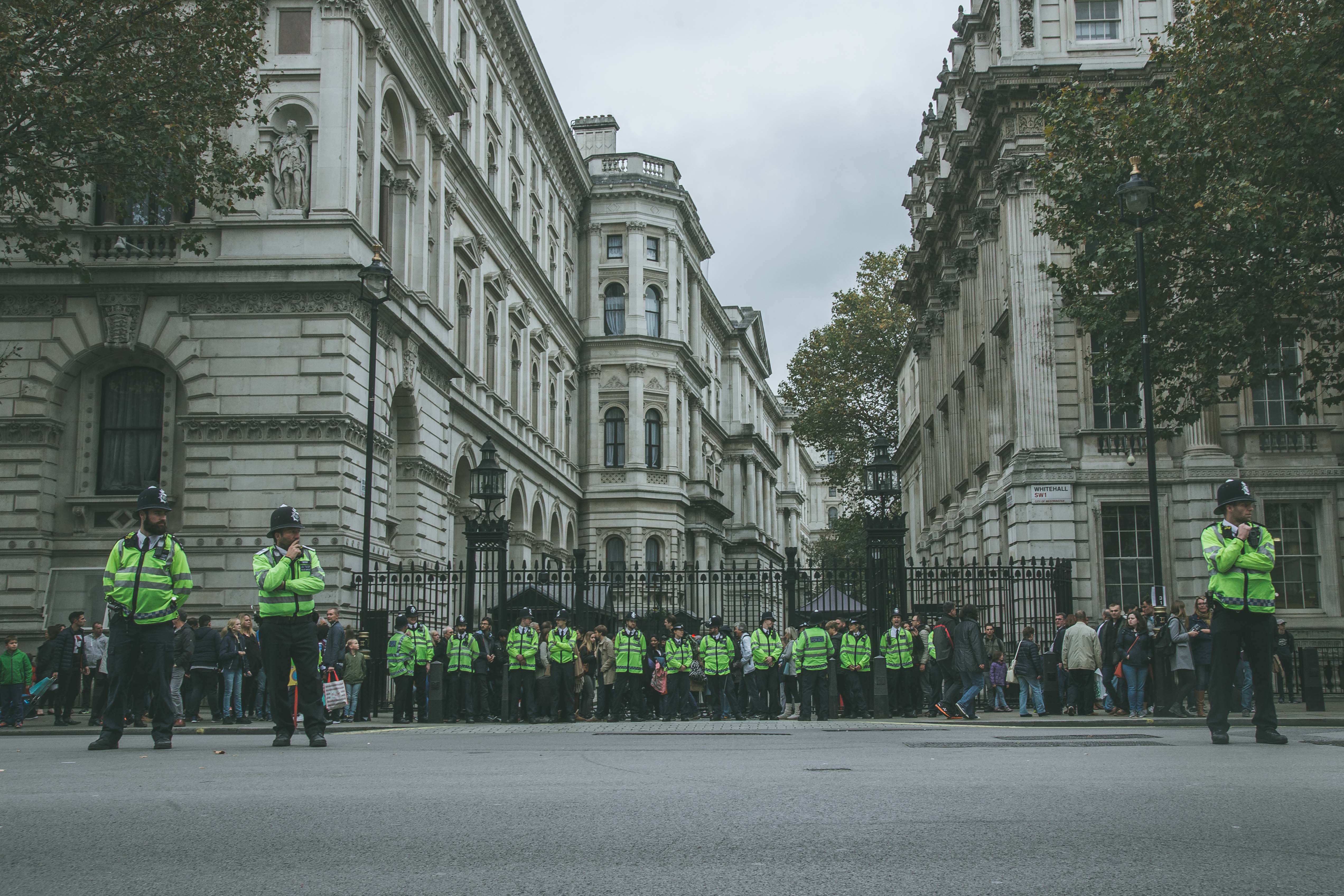
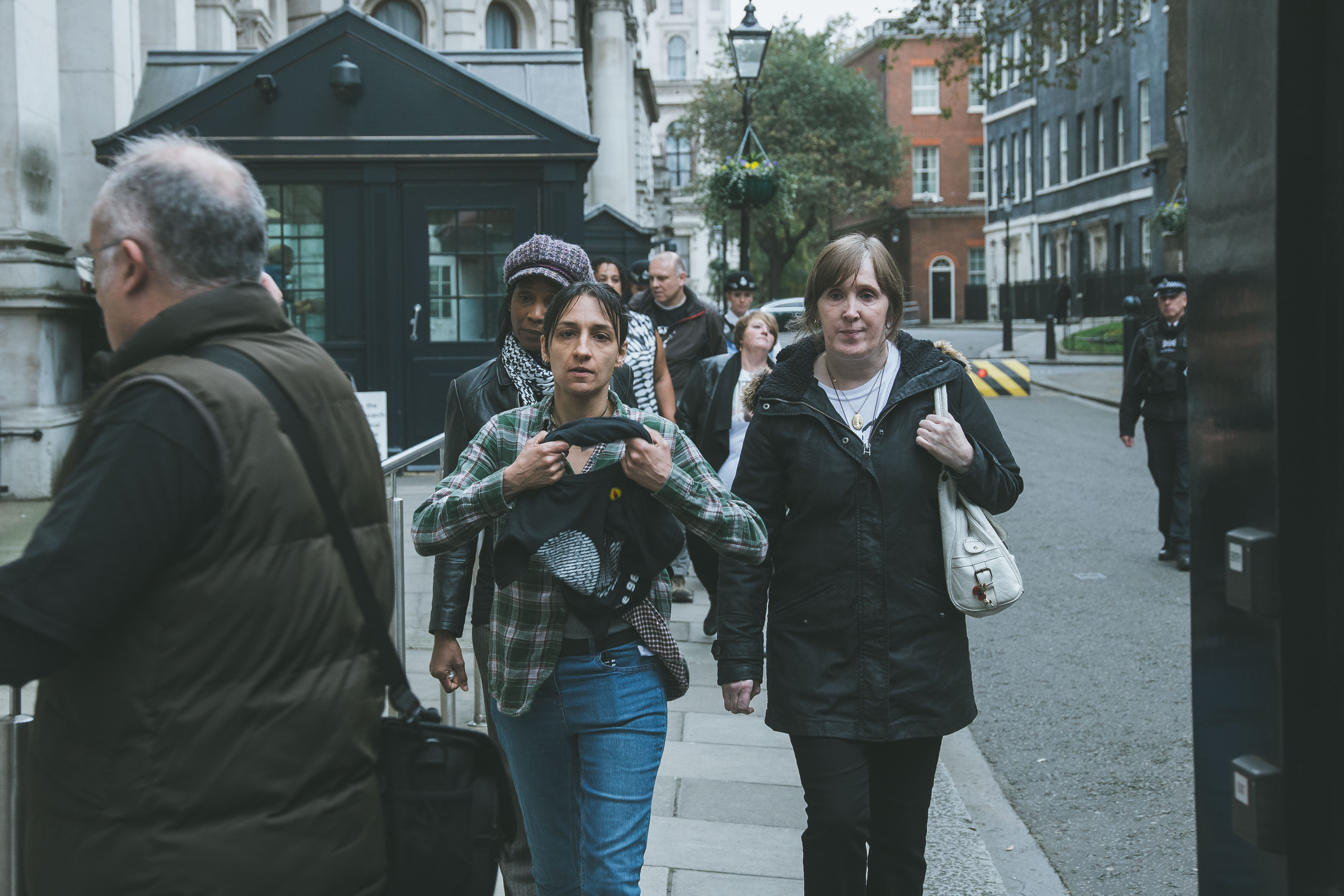
Family members of those who’ve died in police custody, or following contact with law enforcement, conducted their annual march through Central London this weekend. Hundreds of people, led by the relatives of those who’ve lost their lives, marched from Trafalgar Square to Downing Street, the home of UK Prime Minister Theresa May.
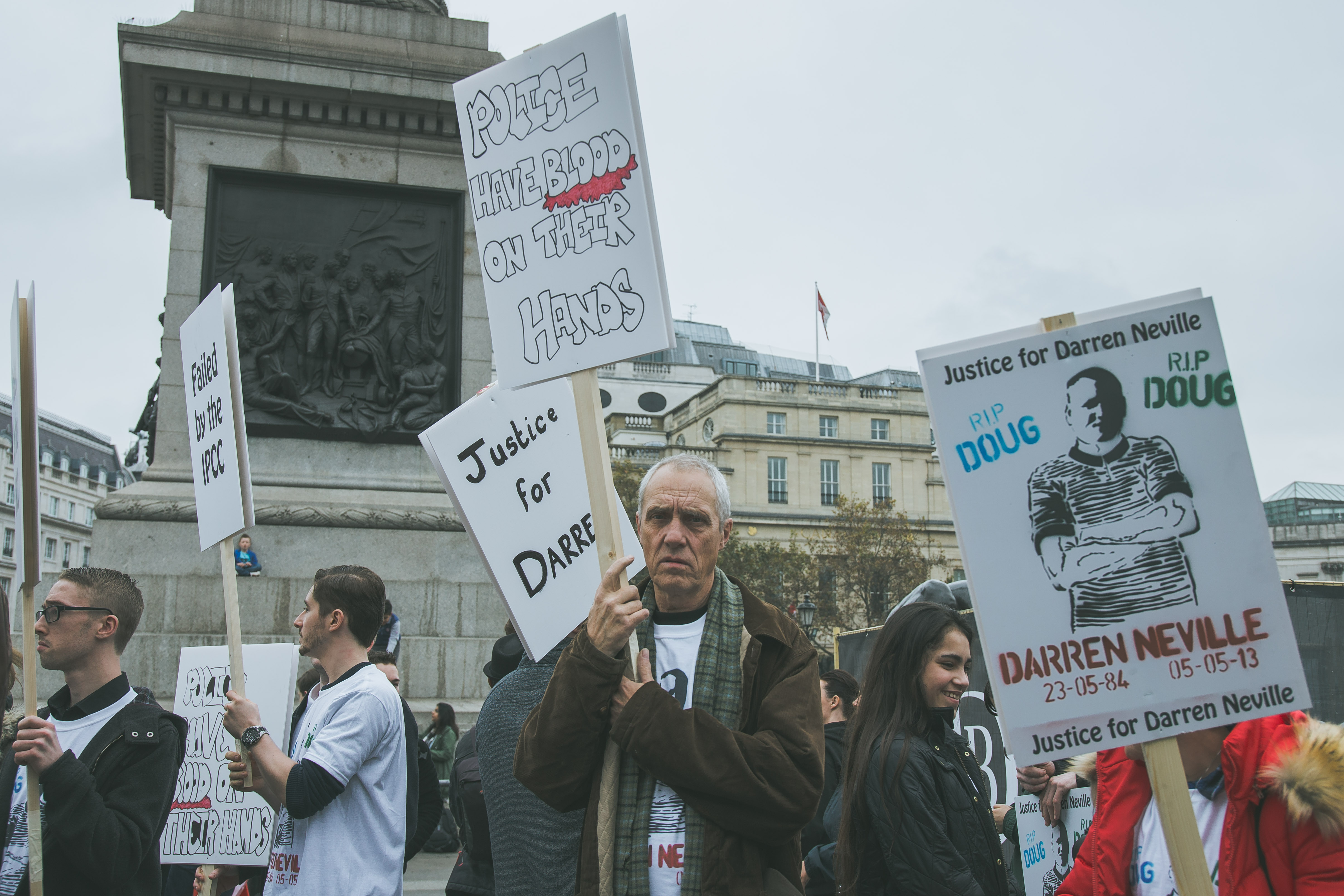
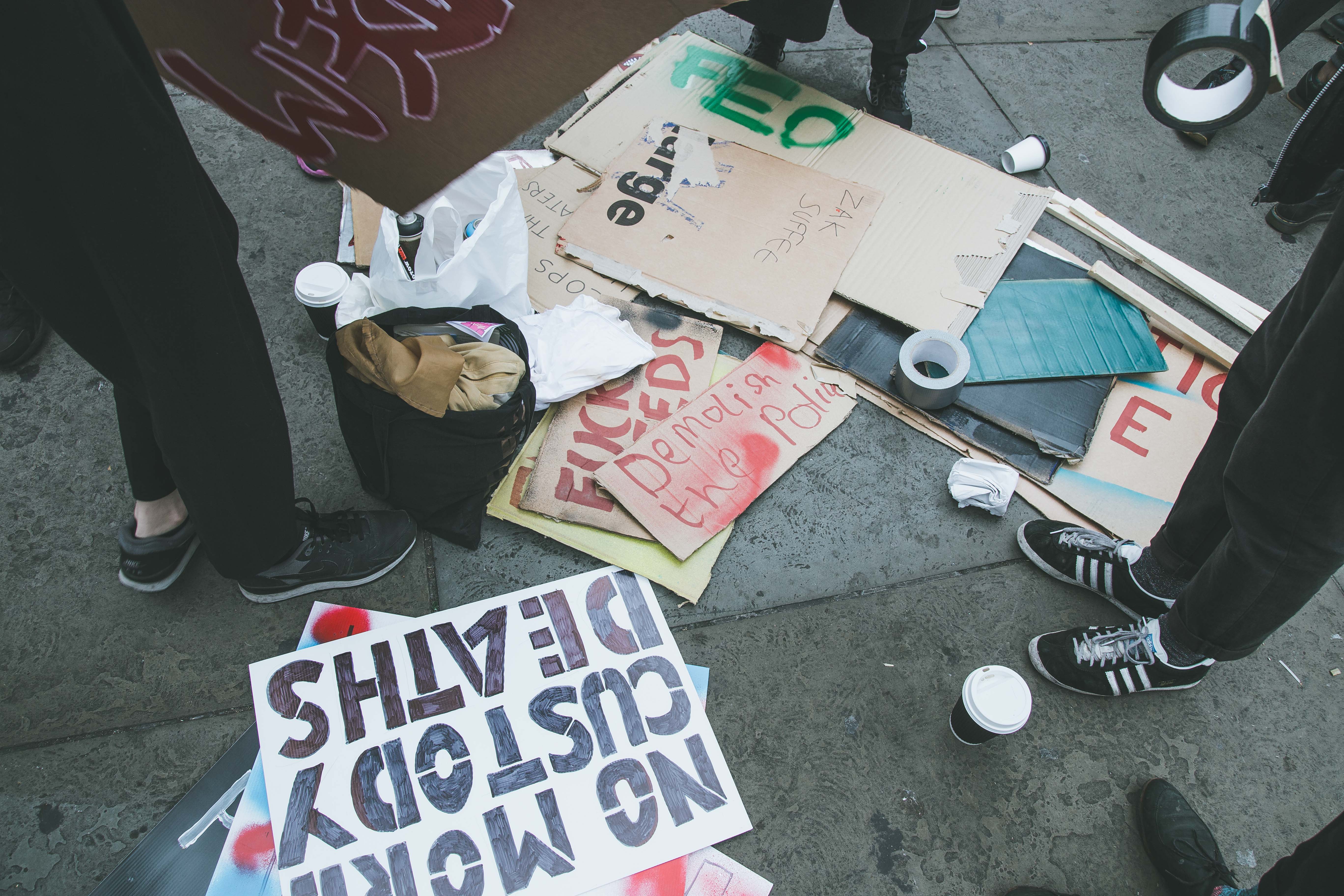
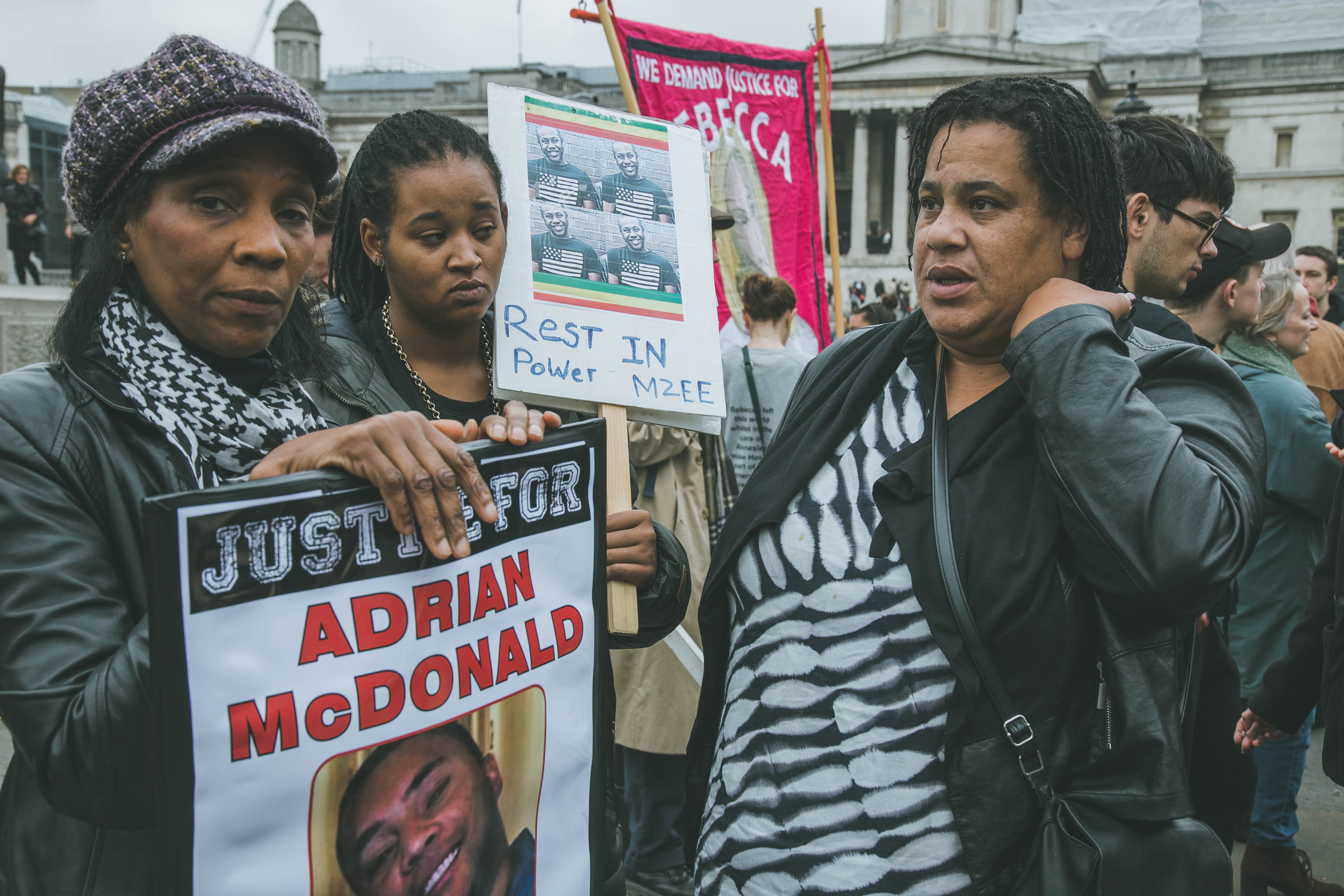
Over 1,000 people have died in police custody in England and Wales since 1990 reports INQUEST, a UK based charity that campaigns on these issues. There have been no successful convictions of officers in Britain for the deaths.
Organised by the United Families and Friends Campaign, it was an emotional march, made all the more uncomfortable when the precession arrived at the gates to the PM’s residence. The plan was to hand in a petition to the door of Downing Street, but police officers demanded that those poised to hand in the paperwork remove the t-shirts each were wearing that depicted their lost loved ones.
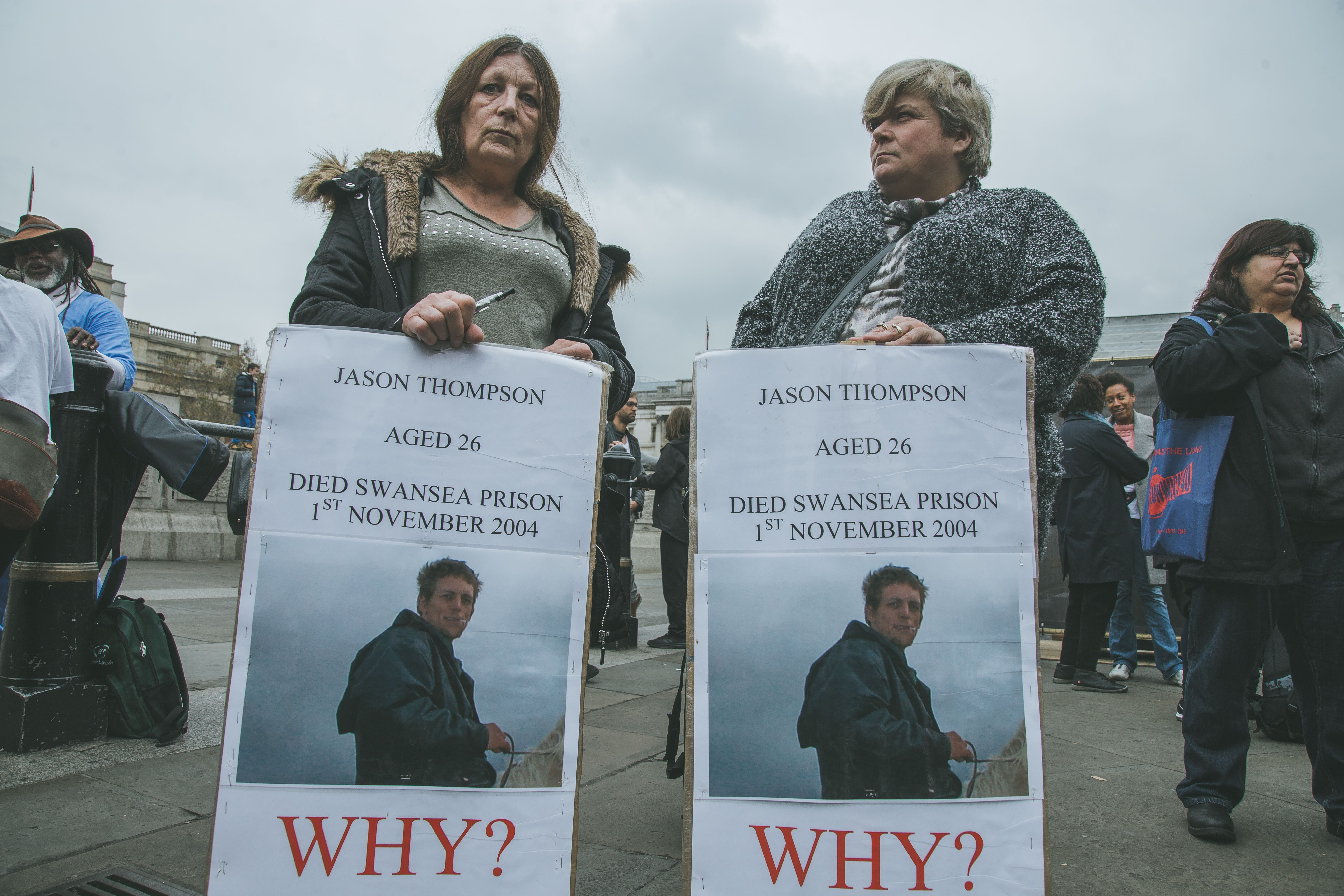
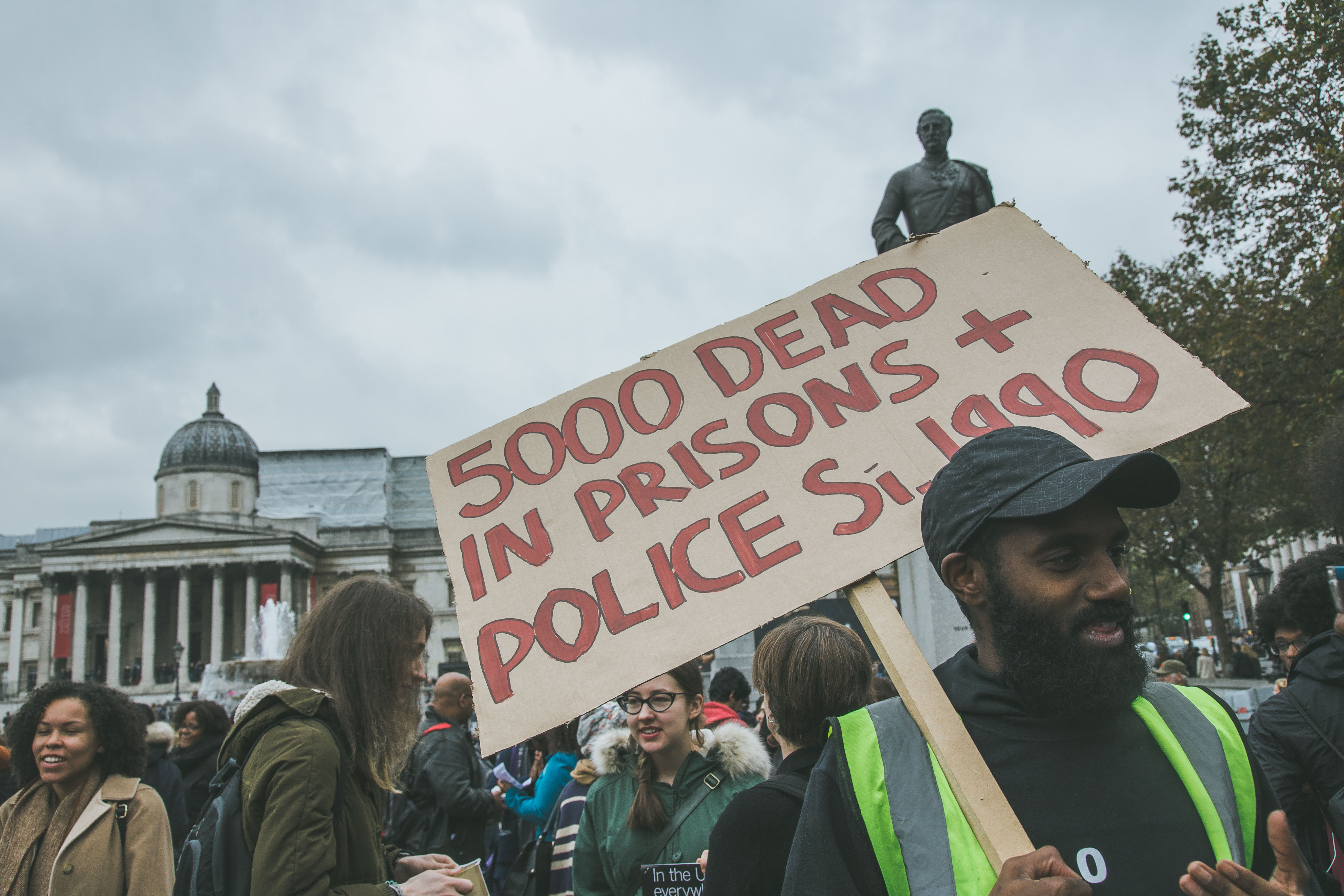
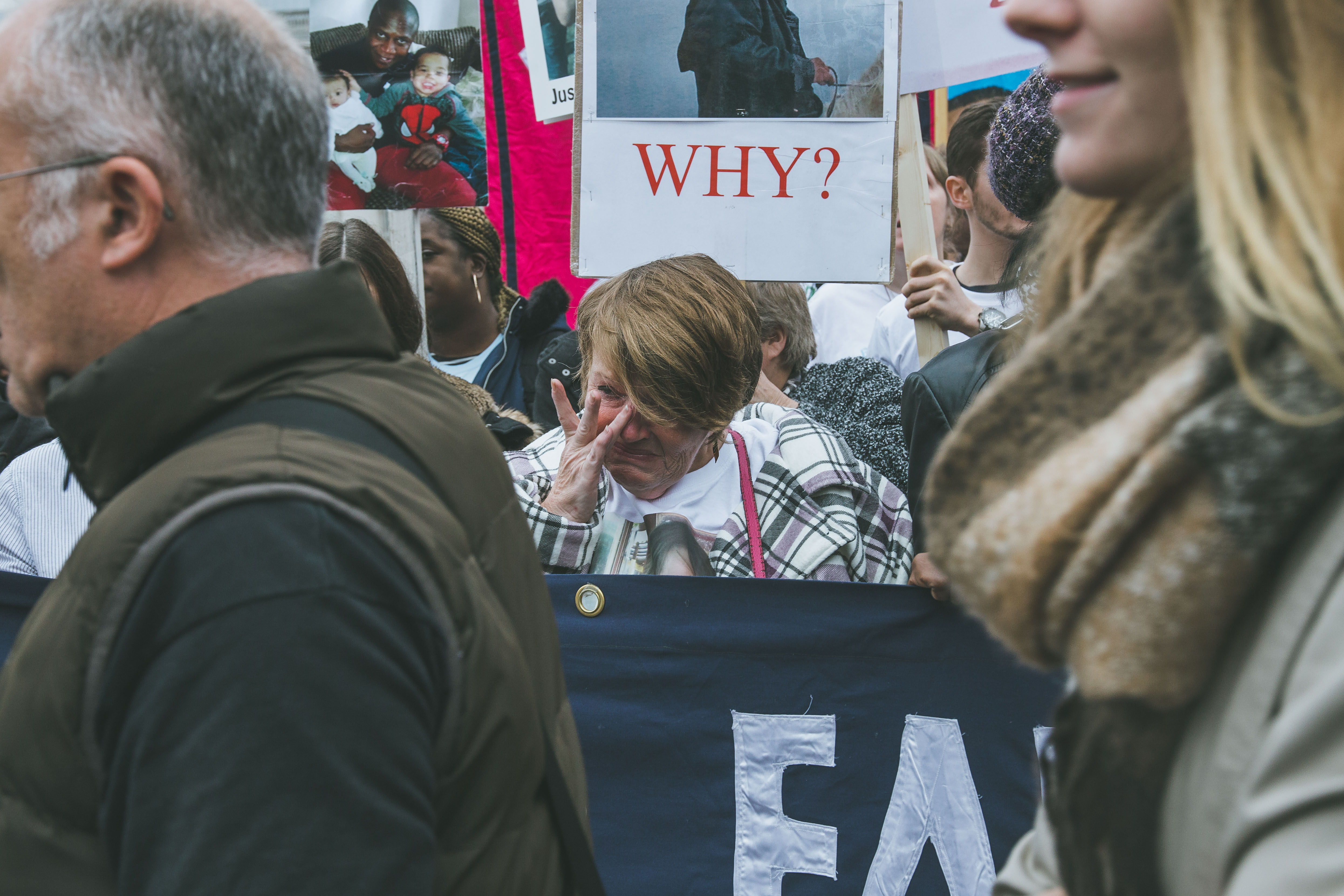
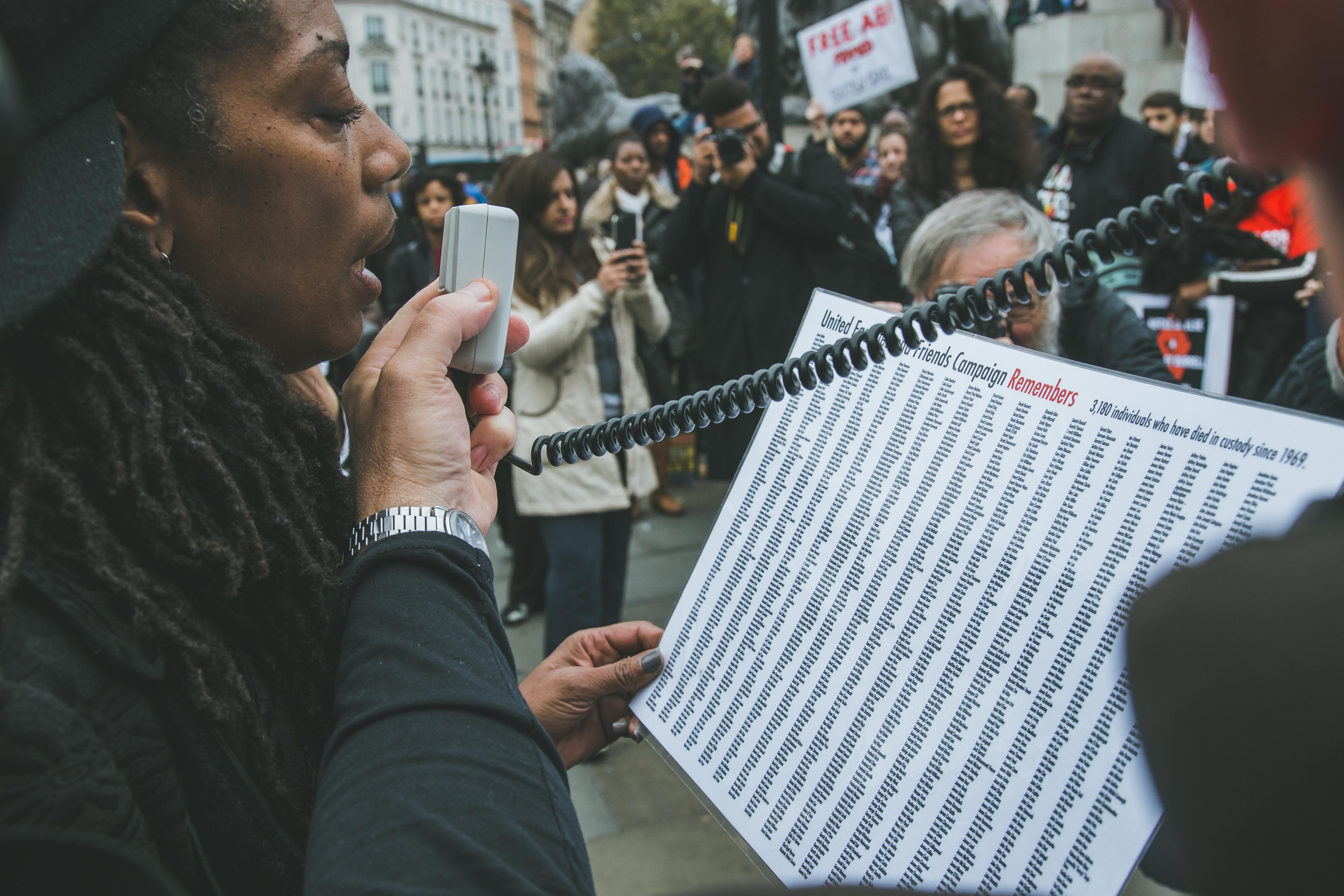
The line was this was orders from Downing Street officials, not the police themselves, but either way tensions were heightened. As speeches were made by those still deep in mourning, supporters wielding placards stood alongside, as an animal rights march passed through the proceedings.
Leon Patterson, Roger Sylvester, Rocky Bennett, Harry Stanley, Sean Rigg, Habib ‘Paps’ Ullah, Azelle Rodney, Christopher Alder, Brian Douglas, Joy Gardner, Paul Jemmott, Ricky Bishop, Mikey Powell, Jason McPherson, Sarah Campbell, Jimmy Mubenga, Paul Coker, Mark Duggan, Sheku Bayoh, Olaseni Lewis, Thomas Orchard, James Herbert, Amy El-Keria, Kingsley Burrell, Darren Neville, Jason McDonald, Mzee Mohammed: the names of some of those now dead whose families were present.
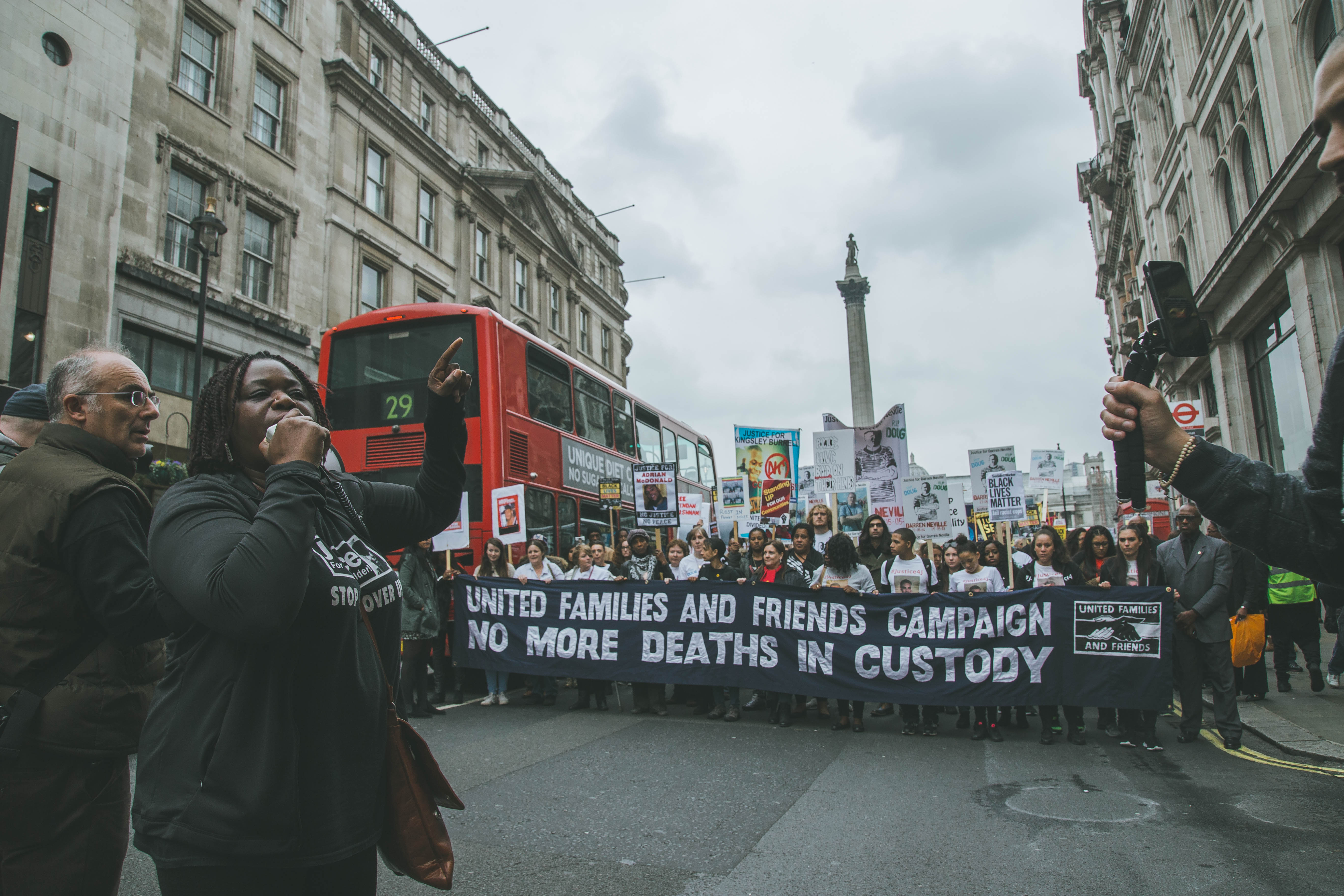
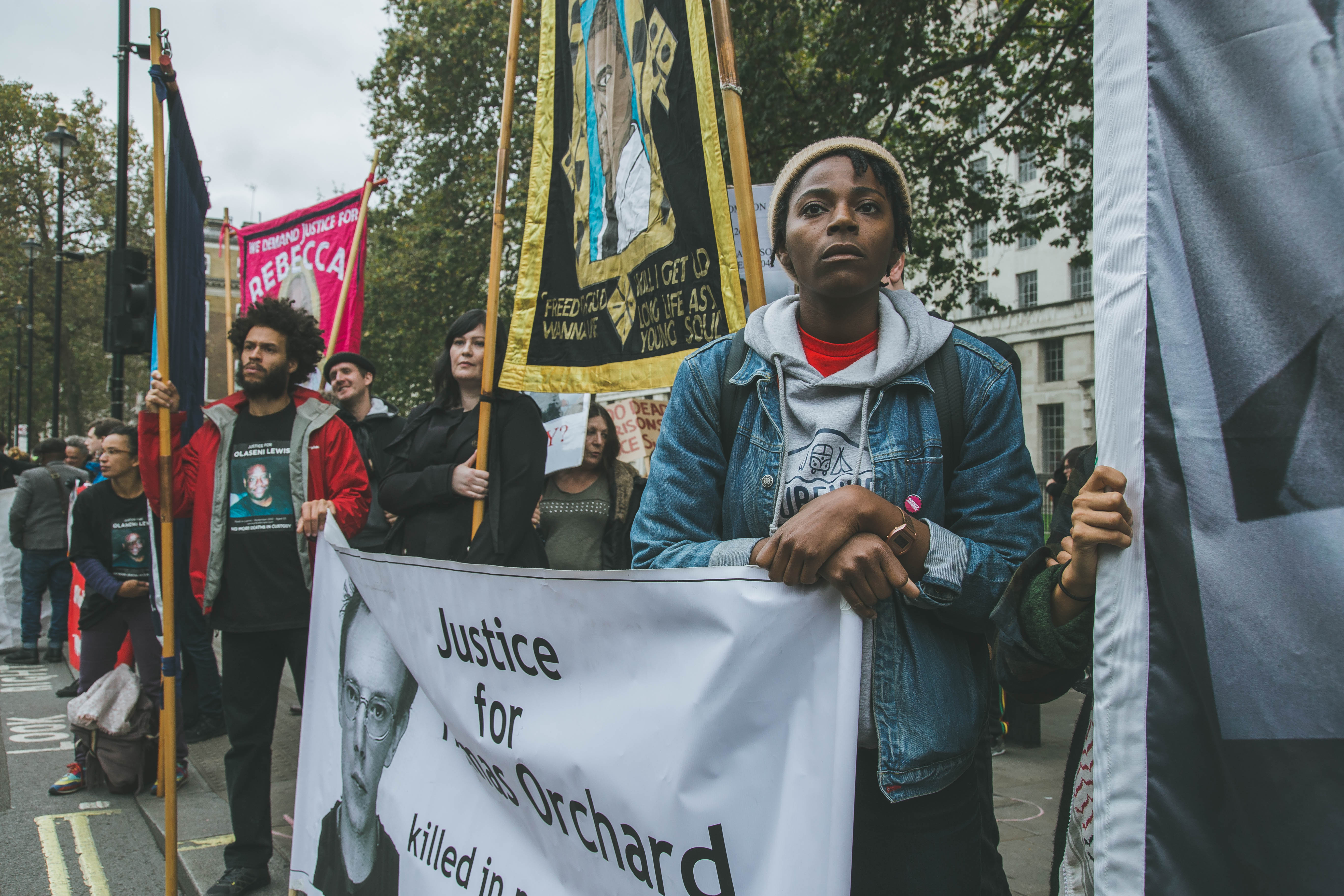
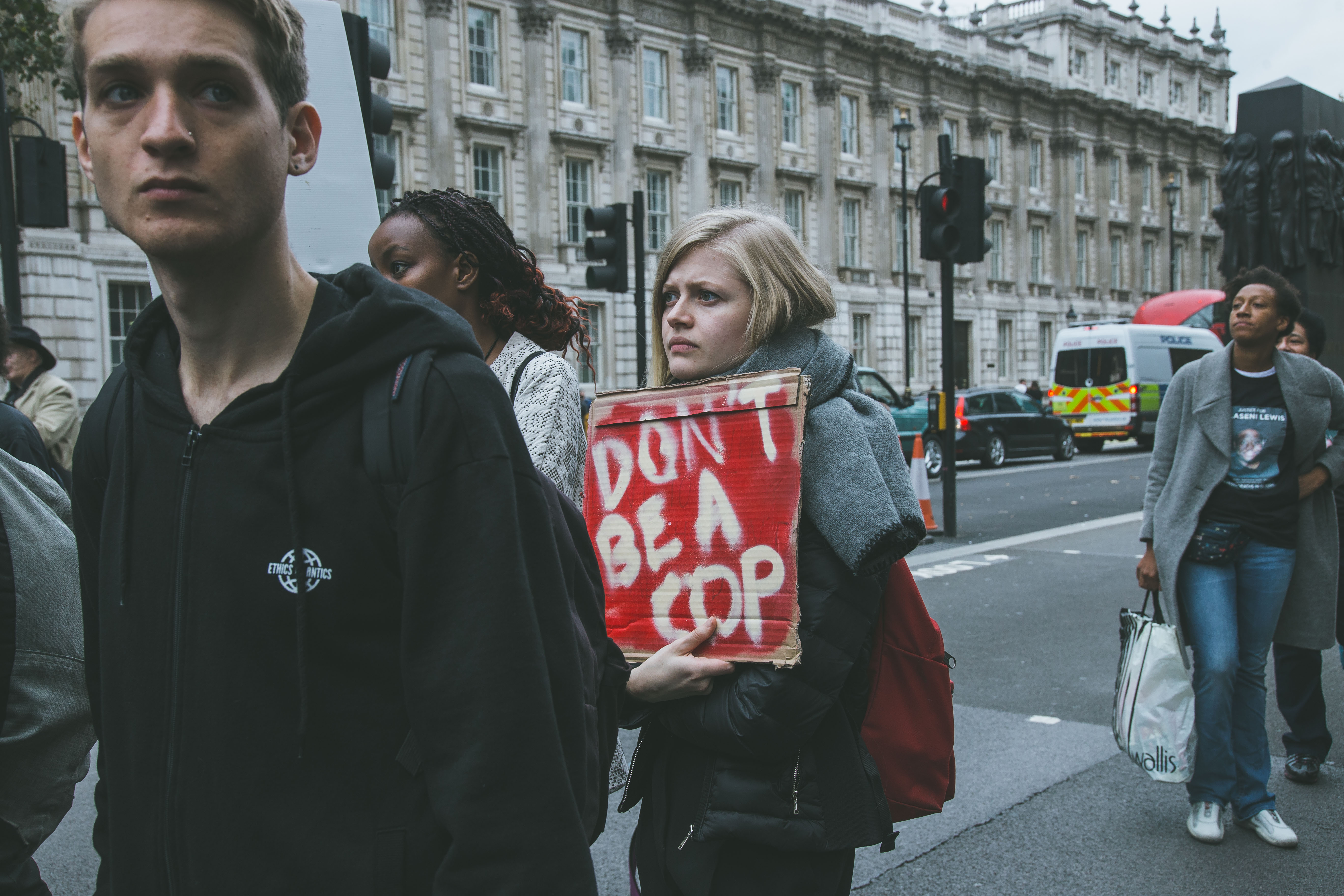
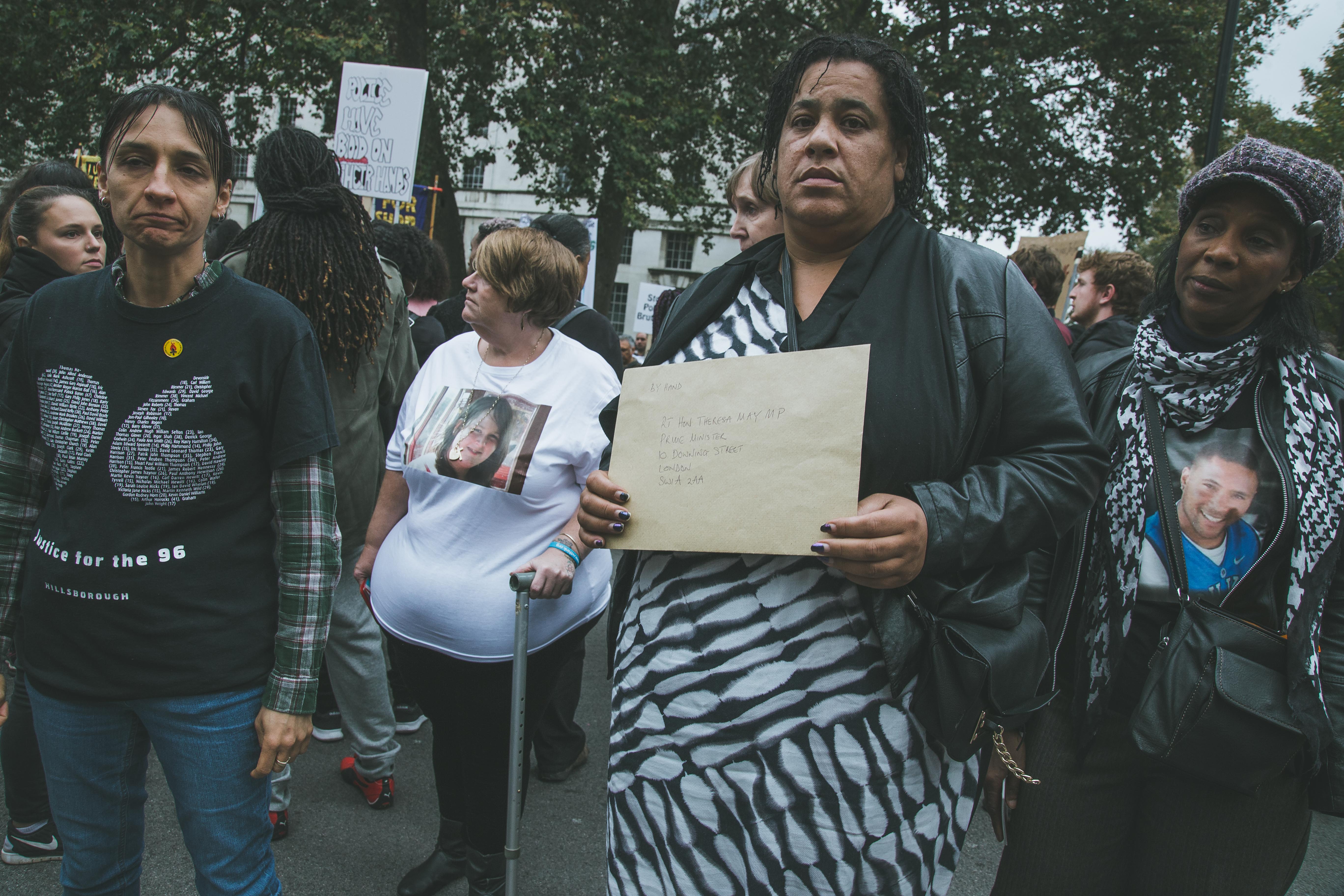
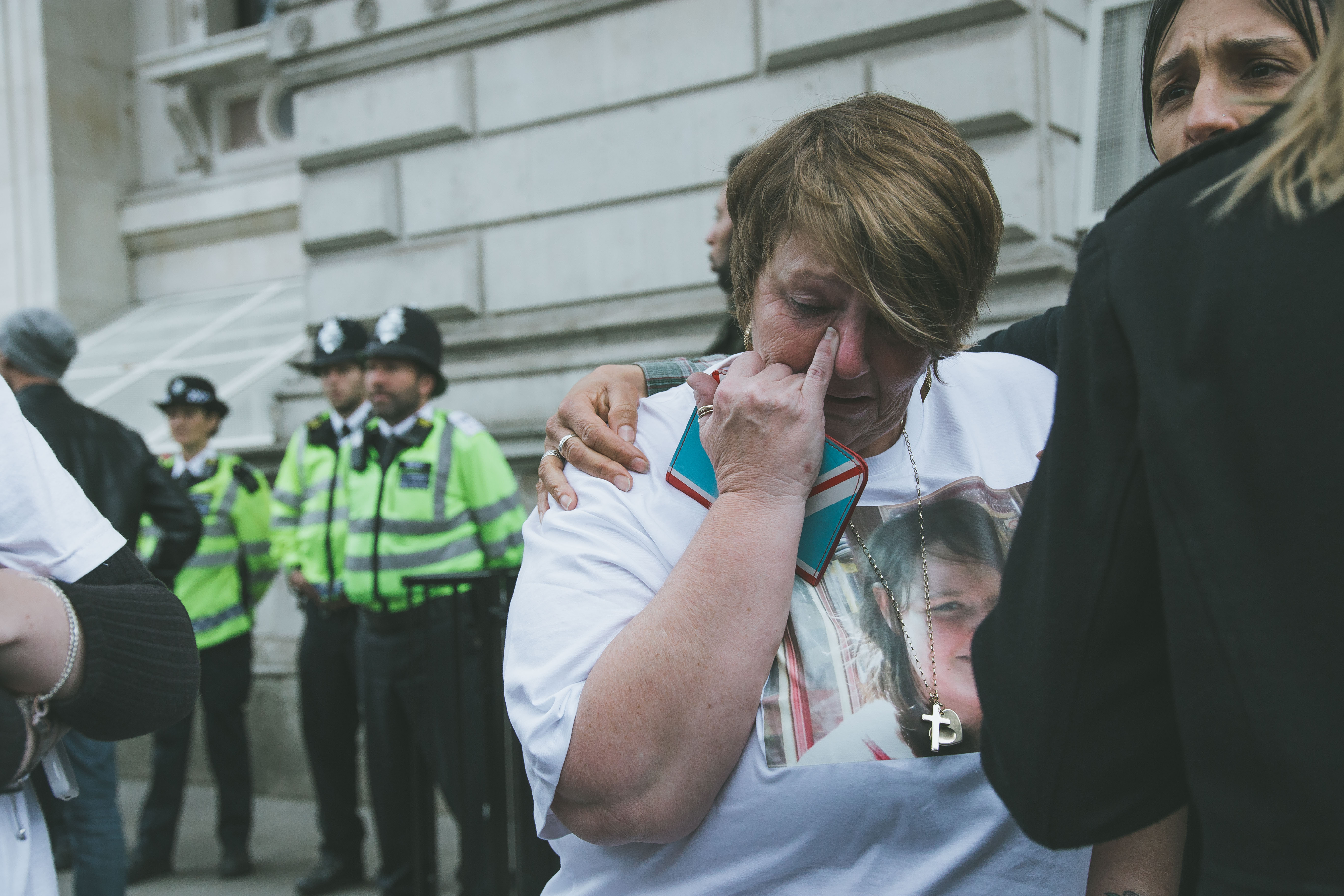
The long battle for justice continues. This was the 19th year that this march has taken place, and sadly it looks as if they’ll need to continue.
Enjoyed this article? Like Huck on Facebook or follow us on Twitter.
You might like

Photographing America’s 20th century rebels
Rebels With a Cause — A new monograph looks back at Jean-Pierre Laffont’s extensive archive documenting counterculture, art, activism and more, shaping the country as it is today.
Written by: Isaac Muk

Sports Banger is throwing a party to mark 90 years since the Battle of Cable Street
“Fascists hate dancing” — The October event will bring DJs, live music, sound system culture and anti-fascist politics together in East London.
Written by: Ella Glossop
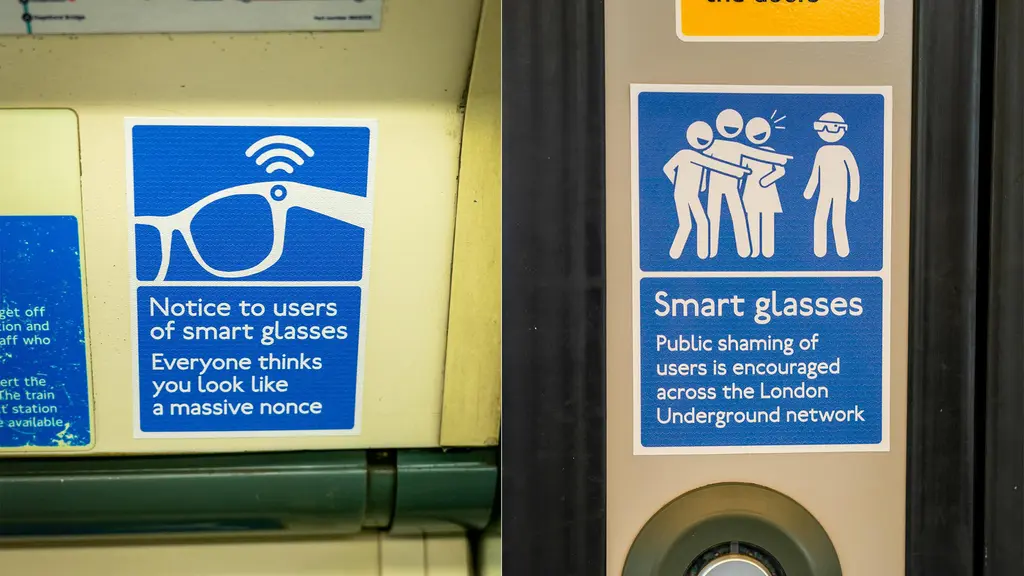
Activists slam “pervert glasses” in new guerrilla campaign
Everyone Hates Elon — Stickers have appeared on the London Underground network, criticising the wearable technology’s covert filming capabilities.
Written by: Isaac Muk

Behind the curtain at Alternative Miss World 1981
Olympia glamour — Running a subversive take on the traditional beauty pageant, the Andrew Logan organised event prioritised underground creativity and invention. Photographer David Corio went behind the scenes at its biggest edition.
Written by: Miss Rosen

Dan Lacey: “BMX is forever evolving”
Overground — Steph Pomphrey caught up with the two-wheel legend after his latest meet in east London, chatting about fatherhood, music and action sports within the outdoor industry.
Written by: Steph Pomphrey

The battle for the soul of lockpicking
Under locksport and key — In recent years, breaking locks for fun has grown from a niche hobby into an activity followed by millions of people. As it has matured, so have tensions over who sets the rules.
Written by: Jack Dennison-Thompson


