Life in the shadow of South Africa’s gold mines
- Text by Niall Flynn
- Photography by Marc Shoul

‘Egoli’, the Zulu name for Johannesburg, translates as ‘Place of Gold’. The city – South Africa’s largest – was founded in 1886 upon the discovery of multiple outcrops on stretches of farmland, prompting a mighty gold rush as would-be prospectors arrived in the country in their droves upon whispers of a modern day El Dorado. People flocked there in waves; they still do.
Today, a new exhibition from photographer Marc Shoul examines modern, post-apartheid South Africa in the shadow of that historic hunt for gold. Titled Flatlands/Brakpan, the show brings together images from the two titular projects – which debuted in 2009 and 2013 respectively – contrasting Johannesburg’s promise of a better future against the reality of Brakpan’s divisions and diminishing fortunes.
In Flatlands, Shoul captures the hustle and buzz of the inner-city’s densely-populated, multicultural landscape in post-Apartheid times, documenting the lives of those who make up the eponymous district’s diverse population. Meanwhile, with Brakpan, he took his camera 40km east of Johannesburg to the mining town that makes up the project’s title. While the latter instead focused on economic stagnation and racial tension, both are united in their unflinching portrayal of life among South Africa’s gold mining industry – be it the hunt for a better life, or the frustration of a languishing one.


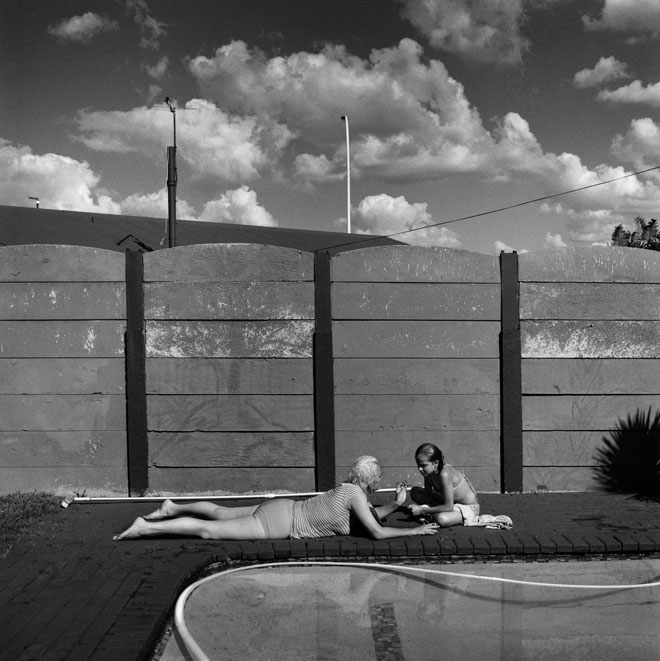


Flatlands/Brakpan shows from September 29 to December 31, 2017 at Musée Pierre.
Enjoyed this article? Like Huck on Facebook or follow us on Twitter.
You might like

Jesse Glazzard’s messy portrait of queer friends, lovers and chosen family
The Sound of Dirt and Beauty — The photographer’s debut monograph explores tender, unpolished moments shaped by the people who he surrounds himself with, while offering a window into the UK’s working-class LGBTQ+ community.
Written by: Sunny Sunday

Behind the curtain at Alternative Miss World 1981
Olympia glamour — Running a subversive take on the traditional beauty pageant, the Andrew Logan organised event prioritised underground creativity and invention. Photographer David Corio went behind the scenes at its biggest edition.
Written by: Miss Rosen

New exhibition highlights British radical living over 200 years
Earthly Paradise — Taking place at the William Morris Gallery, it explores the homes and lives of artists, writers, musicians and more, as well as the conditions that allowed them to thrive.
Written by: Isaac Muk

What life on the Strait of Hormuz is really like
Southern Winds — Bandar Abbas based photographer Morteza Niknahad has been capturing the diverse communities and stories of his local region since he first picked up a camera. His new series highlights the human impact of war.
Written by: Isaac Muk

Nick Haymes’s intimate portrait of his family’s life
Chronograph — Over 25 years, the photographer documented his son’s lives as they grew into adults. The resulting photobook is an exploration of the passage of time, as well as the optimism of youth.
Written by: Miss Rosen

Kristina Rozhkova’s scatty, confronting portrait of captivity
Gut Feeling — The Russian artist’s 2024 arrest and subsequent detention opened her eye towards the omnipresent dynamics of power and control. Her new photobook is a stark exploration of being trapped.
Written by: Isaac Muk


