Why are the G20 protesters being portrayed as ‘militants’?
- Text by Dominique Sisley
- Photography by Piotr Pietrus

Last weekend, Hamburg played host to the ninth G20 leader’s summit. With representatives from the world’s biggest economies congregating to discuss global economic growth, the backlash – like every year – was inevitable. Thousands of protesters, unhappy with the ruinous effects of capitalism, swept the city’s streets to make their voices heard. The reported result? Looted shops, burnt buildings, and violent police clashes.
The damage – which is expected to cost Germany millions of euros – was widely covered in the press, with many publications referring to the demonstrators as “militants” and “left-wing extremists.” Unfortunately, this meant that the protest’s peaceful participants, who made up an overwhelming majority of the 100,000 in attendance, were almost completely dismissed.
“There were all sorts of protesters, the majority being peaceful and creative – but they didn’t make it into the news, which is a pity,” explains Piotr Pietrus. The Polish-born, Berlin-based photographer was attending the weekend’s protest as an impartial observer, taking a selection of dreamy, vibrant portraits of the participants. However, he admits to being shocked at the lack of correlation between his experiences, the media reports, and the government reaction.


“So many positive efforts were overshadowed by the riots,” Piotr recalls. “On Friday night, I saw half the street burning and stores being looted. It’s these events that are highlighted in the news. Most of the people involved in these actions were regular drunken guys who weren’t even dressed in black. In fact, according to many witnesses, the so-called ‘militant’ activists were trying to stop people from looting or setting things on fire.”
Portraying the anti-capitalist protesters as radical, extreme, and militant seems like a crude dismissal of a legitimate cause. After all, of the hundreds of thousands out protesting, only a handful (225 rioters) were taken into custody – yet negative portrayals still dominated the global press. A few days after the summit, the German justice minister, Heiko Maas, even made the call for more federal money to be put into the prevention of “left-wing extremism.” Does Piotr feel like this reaction is warranted?
“I think that many politicians see an opportunity to profit from quick, one-dimensional interpretations,” he says, before ominously adding: “It doesn’t escape me that we are only a few months before the German elections. This issue will have a big effect on the outcome.”


Enjoyed this article? Like Huck on Facebook or follow us on Twitter.
You might like
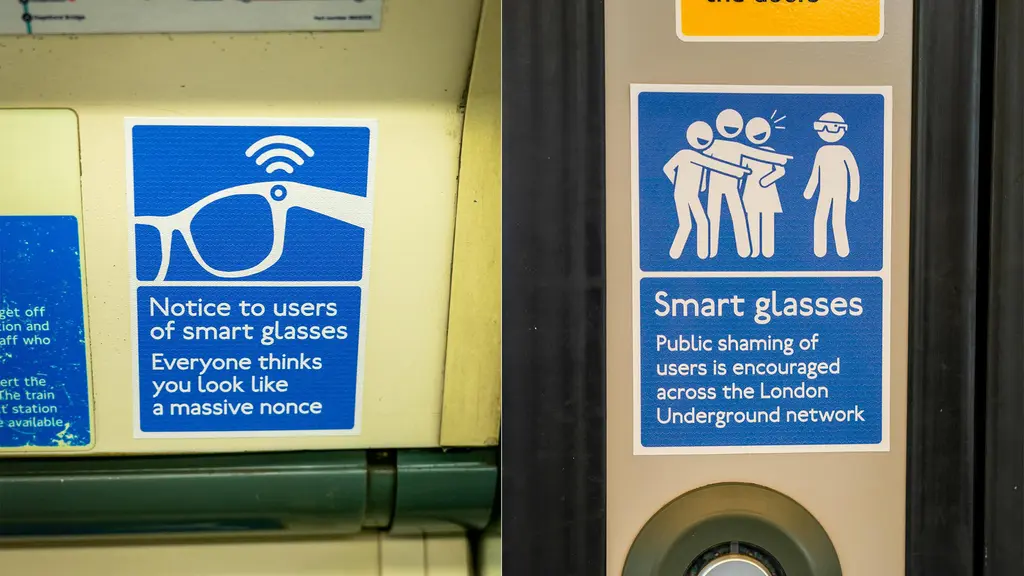
Activists slam “pervert glasses” in new guerrilla campaign
Everyone Hates Elon — Stickers have appeared on the London Underground network, criticising the wearable technology’s covert filming capabilities.
Written by: Isaac Muk

New exhibition highlights British radical living over 200 years
Earthly Paradise — Taking place at the William Morris Gallery, it explores the homes and lives of artists, writers, musicians and more, as well as the conditions that allowed them to thrive.
Written by: Isaac Muk

Pink Floyd’s Roger Waters joins team of new Palestinian resistance documentary
Freedom Theatre — Directed by Rishi Pelham, the film spotlights a theatre operating in the Jenin refugee camp.
Written by: Ella Glossop

Just Stop Oil holds first protest in 17 months
No new drilling — Having previously said that it was “hanging up the hi-vis”, the climate activist group has blocked a road outside Parliament to protest Andy Burnham opening the door for new oil and gas extraction licenses in the North Sea.
Written by: Ella Glossop

In photos: The enduring resistance of Notting Hill Carnival
Carnival of Resistance — A new photobook by Wayne Campbell and Wayne Crichlow reflects on the protest beginnings of Europe’s biggest street festival, along with the traditions keeping its original spirit alive today.
Written by: Isaac Muk

Tens of thousands gather to remember Jason Arday at London vigil
Stand Up to Racism — It took place in Trafalgar Square, with speakers paying tribute to the former Cambridge professor’s life and achievements, while calling for accountability over the reporting he faced from the mainstream press.
Written by: Ella Glossop


