Global photographers share what ‘home’ means to them
- Text by Miss Rosen
- Photography by Aperture

In early December, Michael Famighetti, Editor of Aperture magazine, sent Issue 238: House & Home, to press, never imagining for a moment how timely the subject would soon become.
“It launched March 4, the week before things started to get crazy in New York [due to the COVID-19 crisis],” Famighetti says from his home, which has taken on the added functions of office and gym over the past two months. Suddenly, the issue had an unexpected layer of resonance as people all around the world spend far more time inside their homes.
“The domestic realm is one of the consistent preoccupations of photographers,” Famighetti says. The immediacy of the environment makes it an ideal milieu for artists looking to explore the private side of life through a variety of approaches, be it architecture, interior, documentary, or fine art photography.
Organised around interviews with leading architects including David Adjaye, Denise Scott Brown and Frida Escobedo, House & Home also features portfolios from Robert Adams, Ed Panar, Alejandro Cartagena, and Ezra Stoller, as well as a look back at the iconic ’90s shelter magazine, Nest.

Tina Barney, The Landscape , 1988. © Tina Barney and Kasmin Gallery, New York

Alejandro Cartagena, Apodaca, 2007. © Alejandro Cartagena and Kopeikin Gallery, Los Angeles.
Just as video chatting now gives us a glimpse into the homes of coworkers, public officials, and celebrities, photographs of the domestic landscape provide a window into realms we rarely, if ever, see.
Our ideas of home are deeply ingrained not only in our sense of self, but in the stability and continuity of life, which is now being threatened. For some the home is a reprieve, for others it may be a prison, with a profound sense of loneliness.
The photographs of Robert Adams, made in cheap housing developments during the ’70s, capture the stark, austere reality so many now face. “His pictures lack sentimentality and they describe isolation in a poignant way,” Famighetti says.
“His pictures of housing are especially resonant right now. There is something very straightforward and at times kind of brutal about these pictures. The way they convey solitude is something people can relate to right now.”

Robert Adams, Colorado , ca. 1973. © Robert Adams and Fraenkel Gallery, SanFrancisco, and Matthew Marks, New York and Los Angeles.

Fumi Ishino, from the series Loom , Japan, 2018. © Fumi Ishino
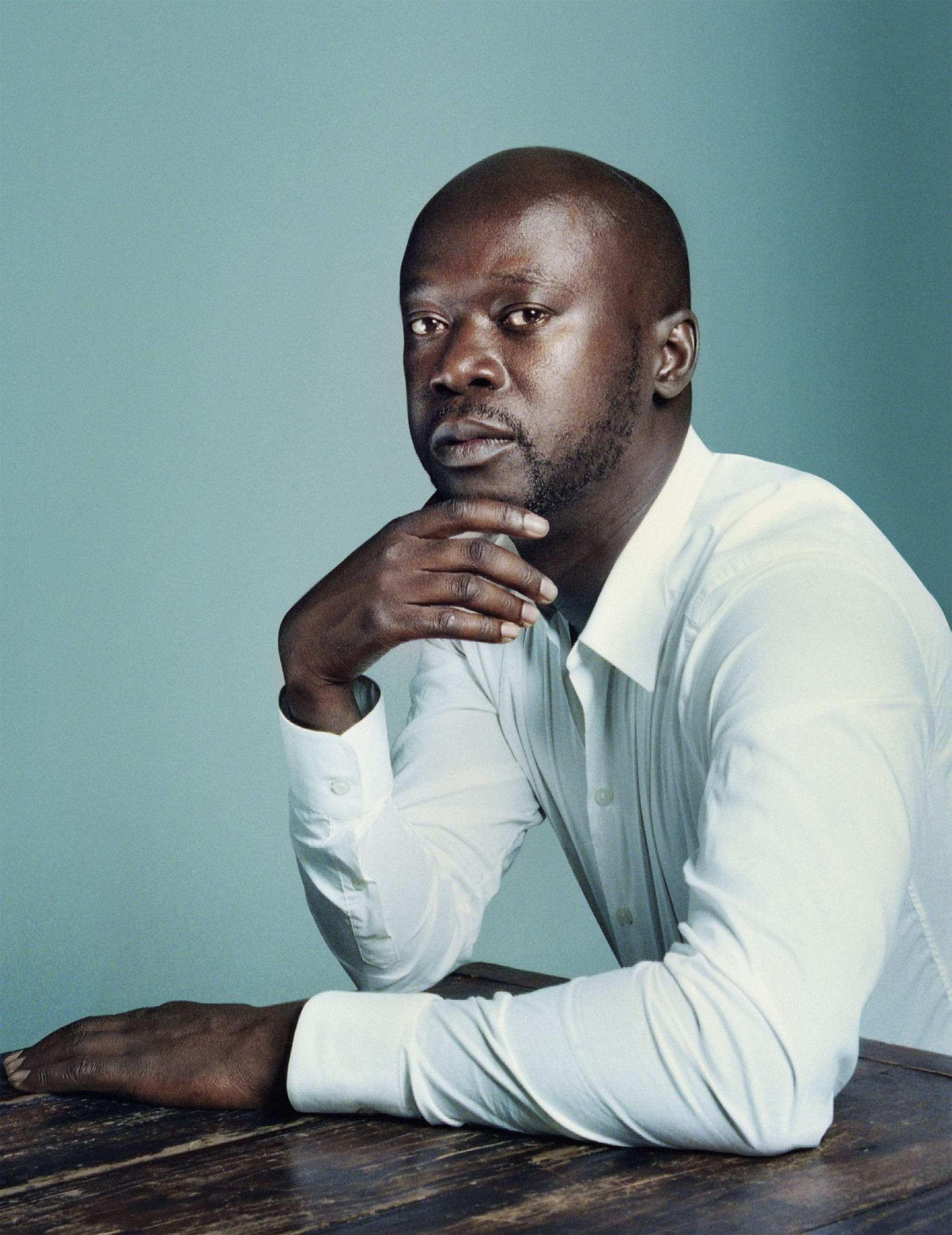
Pari Dukovic, David Adjaye, 2013. Courtesy the artist/Trunk Archive.

Denise Scott Brown and the Learning from Las Vegas Studio, The Stardust Resort and Casino, Las Vegas, 1968. © Venturi, Scott Brown and Associates, Inc.

Takashi Homma, Tokyo and My Daughter, ca. 2006. © Takashi Homma
Aperture magazine, Issue 238: House & Home, is out now.
Follow Miss Rosen on Twitter.
Enjoyed this article? Like Huck on Facebook or follow us on Twitter.
You might like

Jesse Glazzard’s messy portrait of queer friends, lovers and chosen family
The Sound of Dirt and Beauty — The photographer’s debut monograph explores tender, unpolished moments shaped by the people who he surrounds himself with, while offering a window into the UK’s working-class LGBTQ+ community.
Written by: Sunny Sunday

Behind the curtain at Alternative Miss World 1981
Olympia glamour — Running a subversive take on the traditional beauty pageant, the Andrew Logan organised event prioritised underground creativity and invention. Photographer David Corio went behind the scenes at its biggest edition.
Written by: Miss Rosen

New exhibition highlights British radical living over 200 years
Earthly Paradise — Taking place at the William Morris Gallery, it explores the homes and lives of artists, writers, musicians and more, as well as the conditions that allowed them to thrive.
Written by: Isaac Muk

What life on the Strait of Hormuz is really like
Southern Winds — Bandar Abbas based photographer Morteza Niknahad has been capturing the diverse communities and stories of his local region since he first picked up a camera. His new series highlights the human impact of war.
Written by: Isaac Muk

Nick Haymes’s intimate portrait of his family’s life
Chronograph — Over 25 years, the photographer documented his son’s lives as they grew into adults. The resulting photobook is an exploration of the passage of time, as well as the optimism of youth.
Written by: Miss Rosen

Kristina Rozhkova’s scatty, confronting portrait of captivity
Gut Feeling — The Russian artist’s 2024 arrest and subsequent detention opened her eye towards the omnipresent dynamics of power and control. Her new photobook is a stark exploration of being trapped.
Written by: Isaac Muk


