Capturing the decisive moment when the odds are stacked against you
- Text by Greg Funnell
- Photography by Greg Funnell

Ever since I was a kid, I’ve always been fascinated with the concept of the camera – an object small enough to put in your pocket that has the ability to capture and freeze a moment for eternity. A few years ago I was killing time in one of London’s last-standing bookshops and I spied a book by a photographer that would change the way I thought about the power of the image forever.
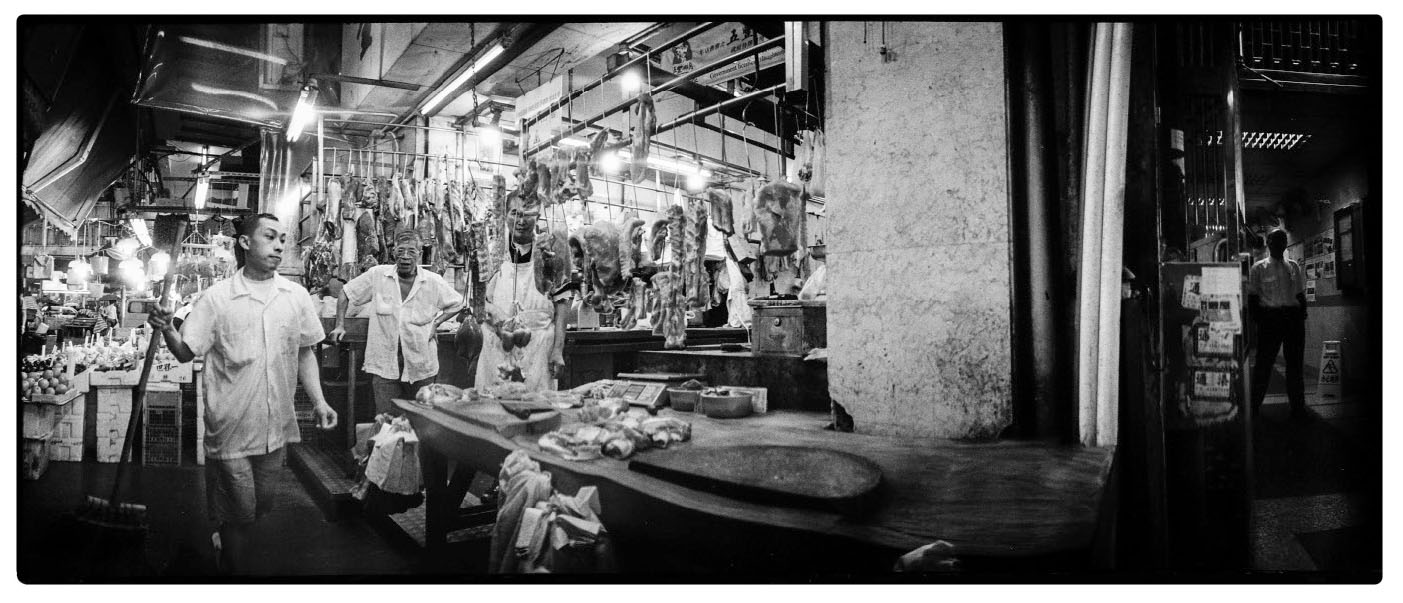
In the introduction, the photographer explained that the images in the book, photographed over a period of twenty years, had all been shot at 1/250th of a second. This meant that images that represented two decades of his life amounted to less than one second in actual time. He was representing twenty years in less time than it takes to click your fingers.
It got me thinking of the randomness of the captured moment, what Henri Cartier-Bresson had always defined as the ‘decisive moment’ – that split second when all elements come together to create the perfect photograph. An image snapped a fraction of a second later, two centimetres to the left or right, would be its own unique moment – a different interpretation of the moment altogether.
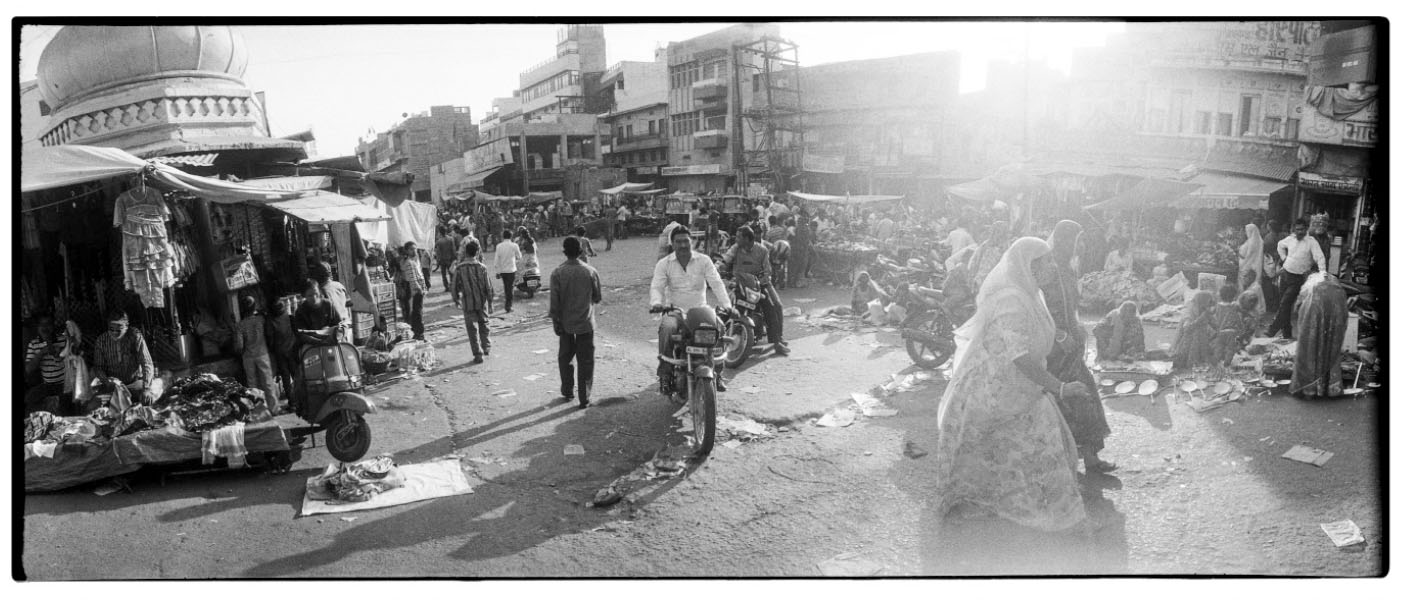
That has always been one of the great challenges with photography: how, as a photographer, do you go about catching the decisive moment when there are so many odds stacked against you? A few years after this revelation, I met a man in Hong Kong. In amongst the hustle and bustle and high-rise chaos that defines that city, he offered to sell me a camera that could not only take in a wider panorama than the human eye, it could also capture more than that precious single sliver of time, and yet deliver it all in a single frame.
This little-known Japanese camera from the 1940s, a heavy hunk of metal made up of cogs and springs, was known as a Widelux. The camera itself has a revolving lens which, when you press the shutter, moves from left to right across the frame, capturing 140 degrees of view onto standard 35mm film. Because the lens moves (taking a full two seconds to move left to right on the slowest shutter speed, creating 1/15th second exposure) it’s not actually catching a single moment in time.
I found this fascinating.
 The concept of the decisive moment becomes fundamentally changed. You’re no longer capturing that so-called split second – what we commonly think of as a snapshot. In essence, you’re capturing a larger chunk of a rolling moment and across a much wider frame. What you capture on the right-hand side of the image may have taken place milliseconds after what’s captured on the left. It becomes more of a challenge to create a clear, concise photograph but the final frame is in many ways far more immersive, and arguably more honest.
And by that I mean that to frame is to exclude; the art of photography is not just about what you show in the image, but what you choose not to show. With this camera it’s hard to exclude; because the lens sees so much, it creates a more honest representation of the scene. It’s a different way of working and requires a different way of seeing.
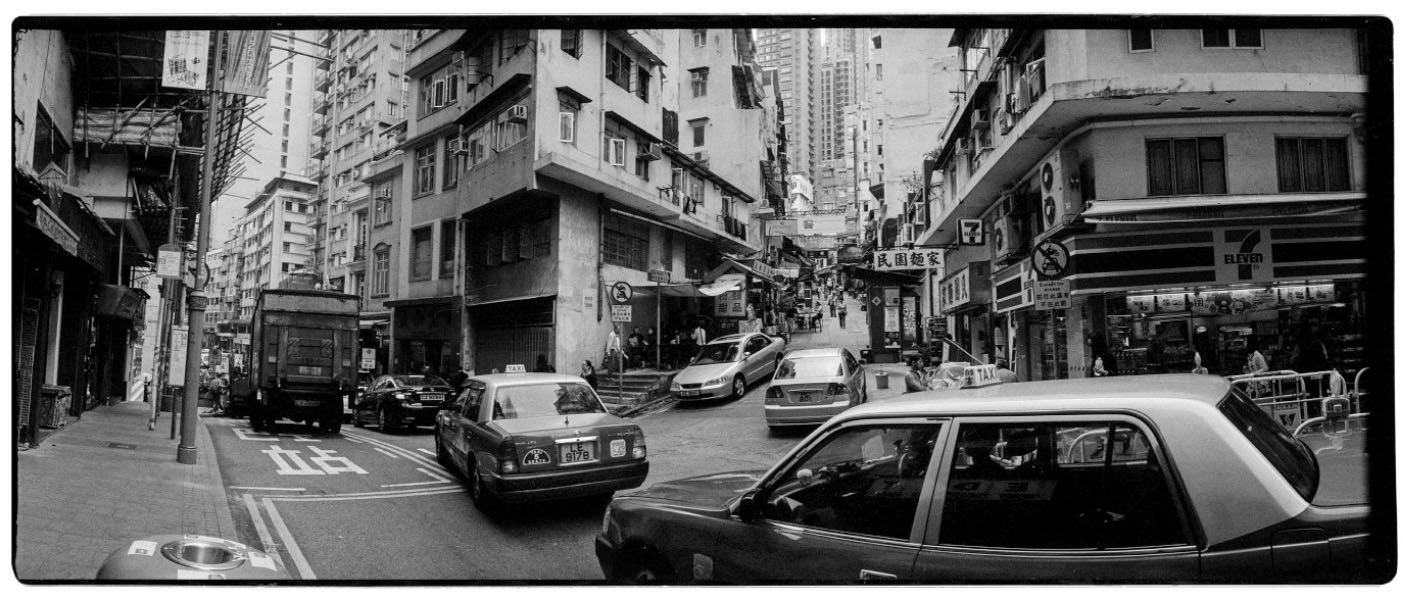
For me, photography is a way to explore and discover the world around me – it allows me to be curious, to ask questions and then to present my discoveries to others. I want my images to capture an essence of something – a feeling, an emotion – because I think that’s the best way to communicate ideas and opinions; you need to engage the gut to engage the brain.
Check out more of Greg’s work on his website.
This article originally appeared in Huck 41: The Documentary Photography Special. Subscribe today to make sure you don’t miss another issue.
Enjoyed this article? Like Huck on Facebook or follow us on Twitter.
You might like

Jesse Glazzard’s messy portrait of queer friends, lovers and chosen family
The Sound of Dirt and Beauty — The photographer’s debut monograph explores tender, unpolished moments shaped by the people who he surrounds himself with, while offering a window into the UK’s working-class LGBTQ+ community.
Written by: Sunny Sunday

Behind the curtain at Alternative Miss World 1981
Olympia glamour — Running a subversive take on the traditional beauty pageant, the Andrew Logan organised event prioritised underground creativity and invention. Photographer David Corio went behind the scenes at its biggest edition.
Written by: Miss Rosen

New exhibition highlights British radical living over 200 years
Earthly Paradise — Taking place at the William Morris Gallery, it explores the homes and lives of artists, writers, musicians and more, as well as the conditions that allowed them to thrive.
Written by: Isaac Muk

What life on the Strait of Hormuz is really like
Southern Winds — Bandar Abbas based photographer Morteza Niknahad has been capturing the diverse communities and stories of his local region since he first picked up a camera. His new series highlights the human impact of war.
Written by: Isaac Muk

Nick Haymes’s intimate portrait of his family’s life
Chronograph — Over 25 years, the photographer documented his son’s lives as they grew into adults. The resulting photobook is an exploration of the passage of time, as well as the optimism of youth.
Written by: Miss Rosen

Kristina Rozhkova’s scatty, confronting portrait of captivity
Gut Feeling — The Russian artist’s 2024 arrest and subsequent detention opened her eye towards the omnipresent dynamics of power and control. Her new photobook is a stark exploration of being trapped.
Written by: Isaac Muk


