The unsung photographer of the 20th century
- Text by Miss Rosen
- Photography by Ida Wyman

When she was in her 80s, Ida Wyman (1926-2019) shopped a proposal for her memoir, Girl Photographer: From the Bronx to Hollywood and Back. It was the story of her career as one of the few women photojournalists working for picture magazines like Life and Look. Unfortunately, at the time, the publishing industry failed to recognise Wyman’s extraordinary gift, pluck and verve.
Though Wyman flew under the radar her entire life, it never got her down. She was driven to chart her own path from an early age, becoming the first “girl mailroom boy” at Acme Newspictures in the 1940s. After three years she realised she wanted to make features rather than report news, and in 1945 she sold her first photograph to Look. That same year she lost her job at Acme – they let her go to hire men returning home from the war.
Still, Wyman persevered. She joined the New York Photo League, recognising a shared commitment to documentary photography. The Photo League’s progressive politics made them a target for McCarthyists; they were blacklisted in 1947 and forced to disband in 1951. But Wyman pressed on and made her way out to Hollywood to photograph movie sets on assignment for Life.
She amassed an extraordinary archive of photographs, a selection of which is now on view in Ida Wyman: Life with a Camera. “Ida was a woman full of curiosity, with an insatiable desire to know details, how things worked and why,” says Heather Garrison, her granddaughter and executor of the Ida Wyman Estate.
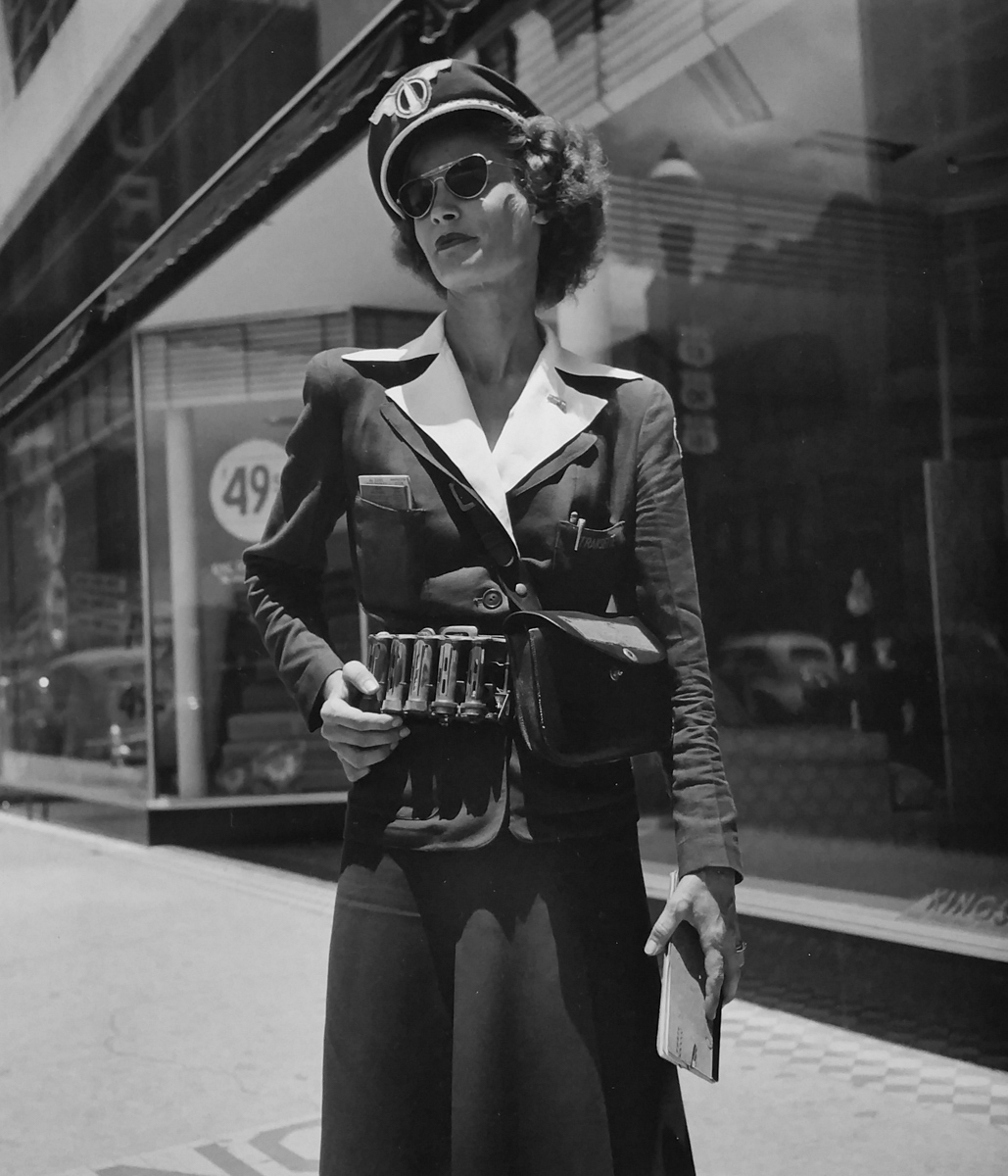
The Transette, San Antonio, 1948
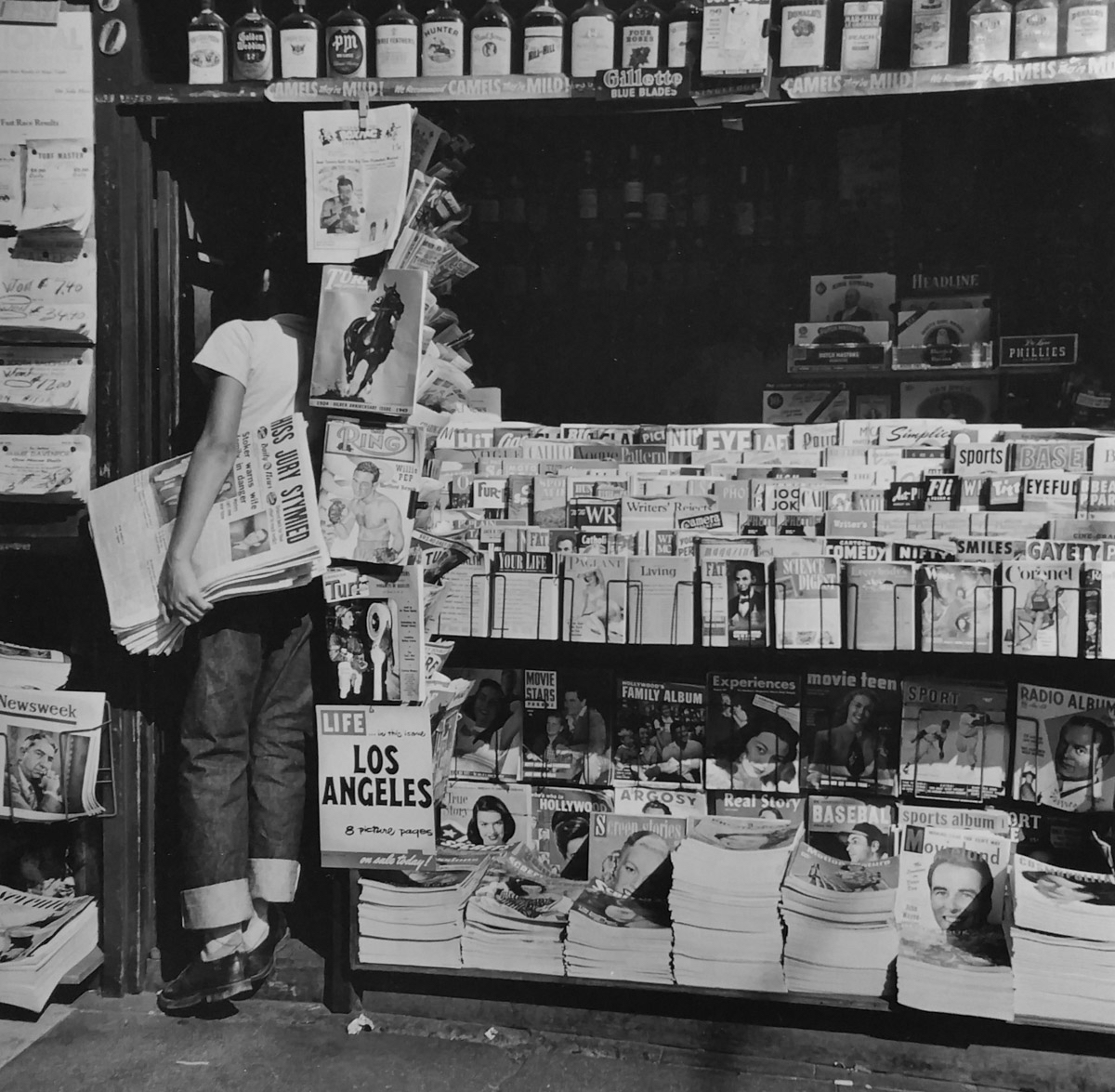
Newsboy at Los Angeles News Stand, California, 1950
“Ida loved people and was a master at striking up a conversation with a stranger at a bus stop, a store clerk or someone else that struck her as interesting. Her genuine warmth was experienced by everyone that she met. Her lust for living life continued well into her 70s, 80s and 90s. Ida loved to see new places, to laugh and learn.”
Growing up in the Bronx, Wyman was tough but sensitive, concerned and invested in the world. Long before the buzzwords visibility and representation made their way into the discourse, Wyman was conscientiously thinking about how to use photography as a social tool.
Wyman understood the focus of a story was her subject, not herself. “She didn’t self-promote. She was never one for bragging or shouting her talents from the rooftops,” Garrison says.
“Ida was determined and unafraid, she successfully completed hundreds of assignment for national magazines, demonstrating that it was the eye behind the camera that mattered, not the gender of the photographer. I think about her bravado in being a young girl in a male-dominated world, meeting with editors, taking a bus trip across the country, and putting herself out there at a time when this wasn’t done.”
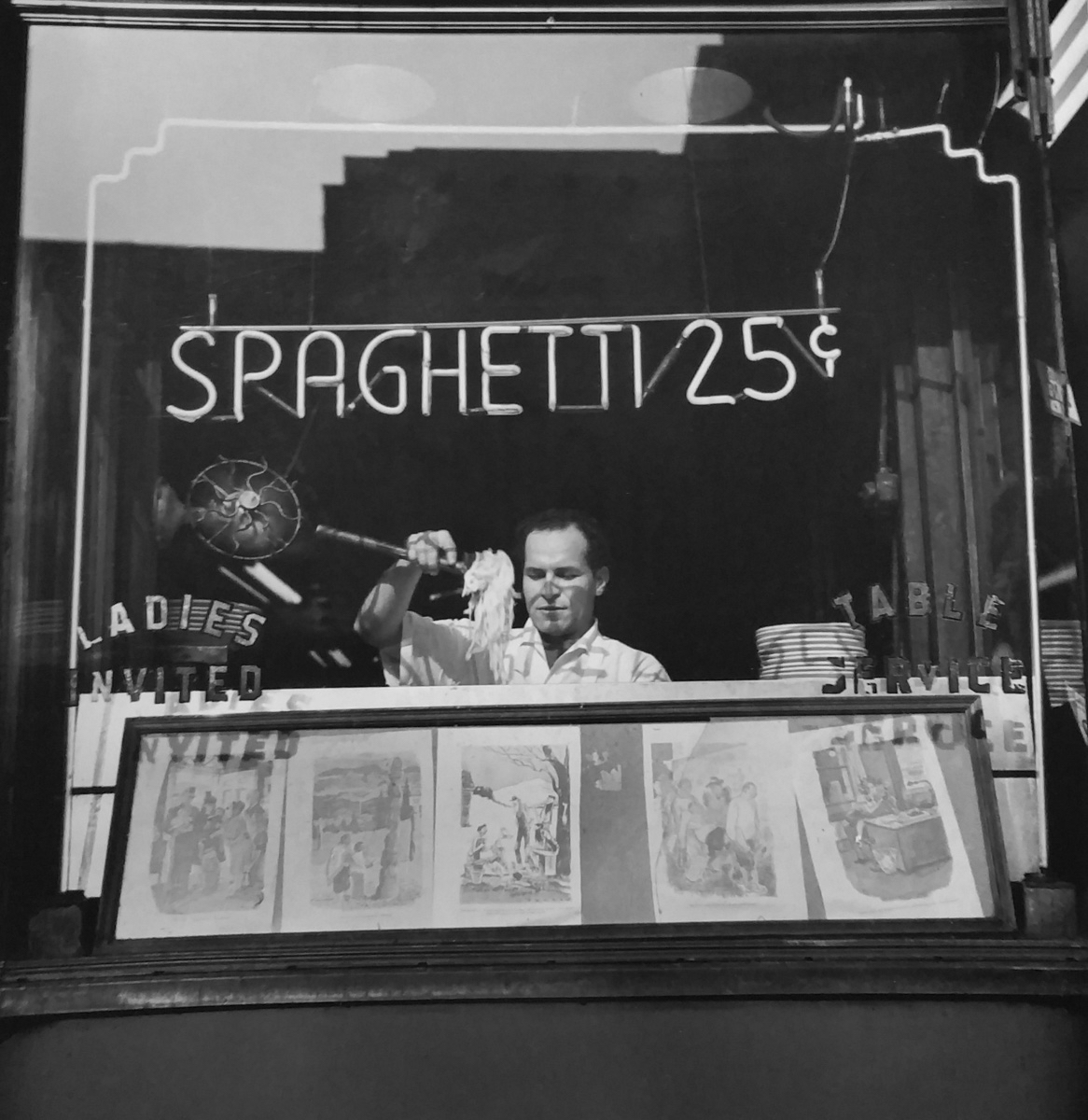
Spaghetti, 25¢, New York, 1946
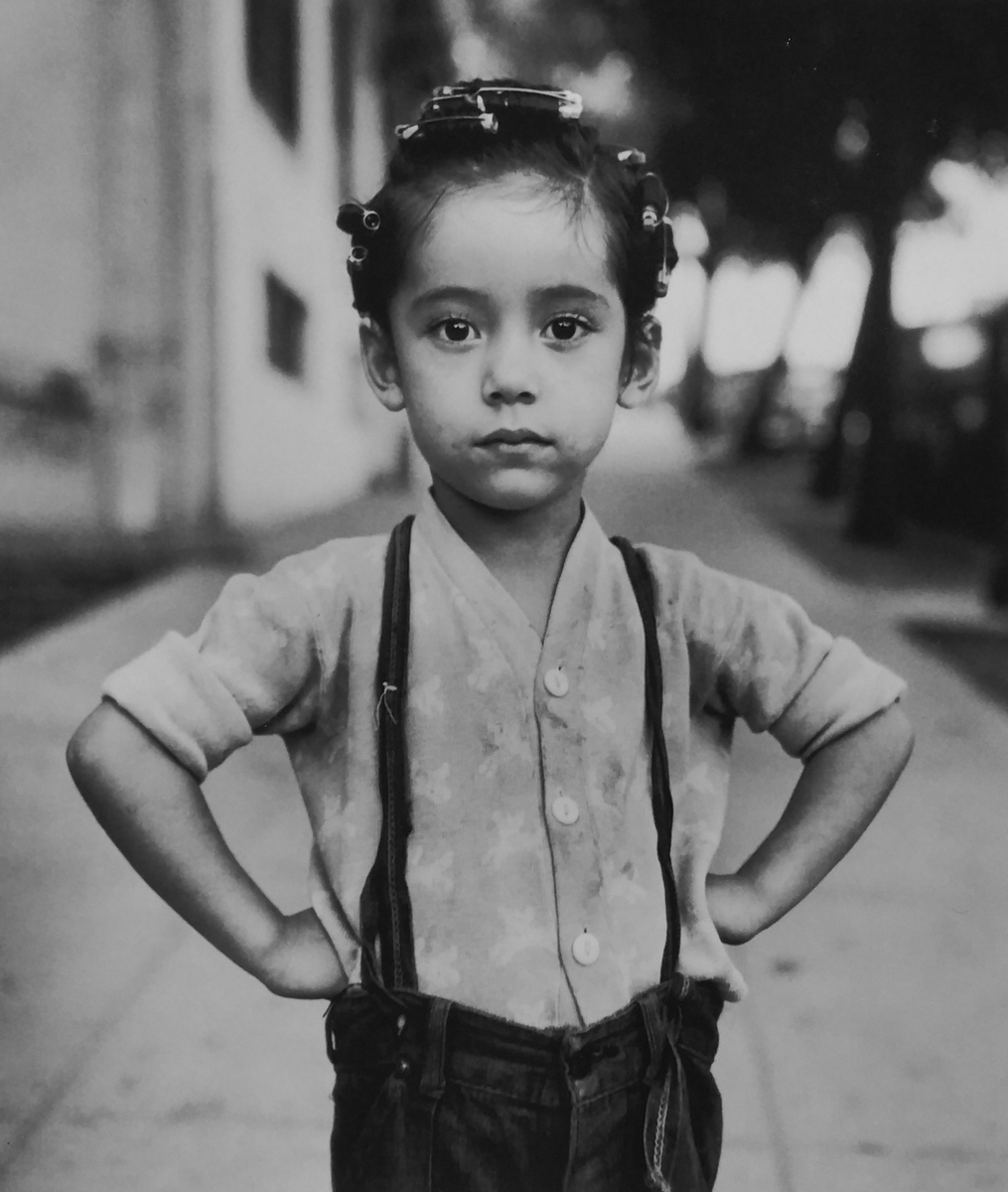
Girl in curlers, LA, 1949
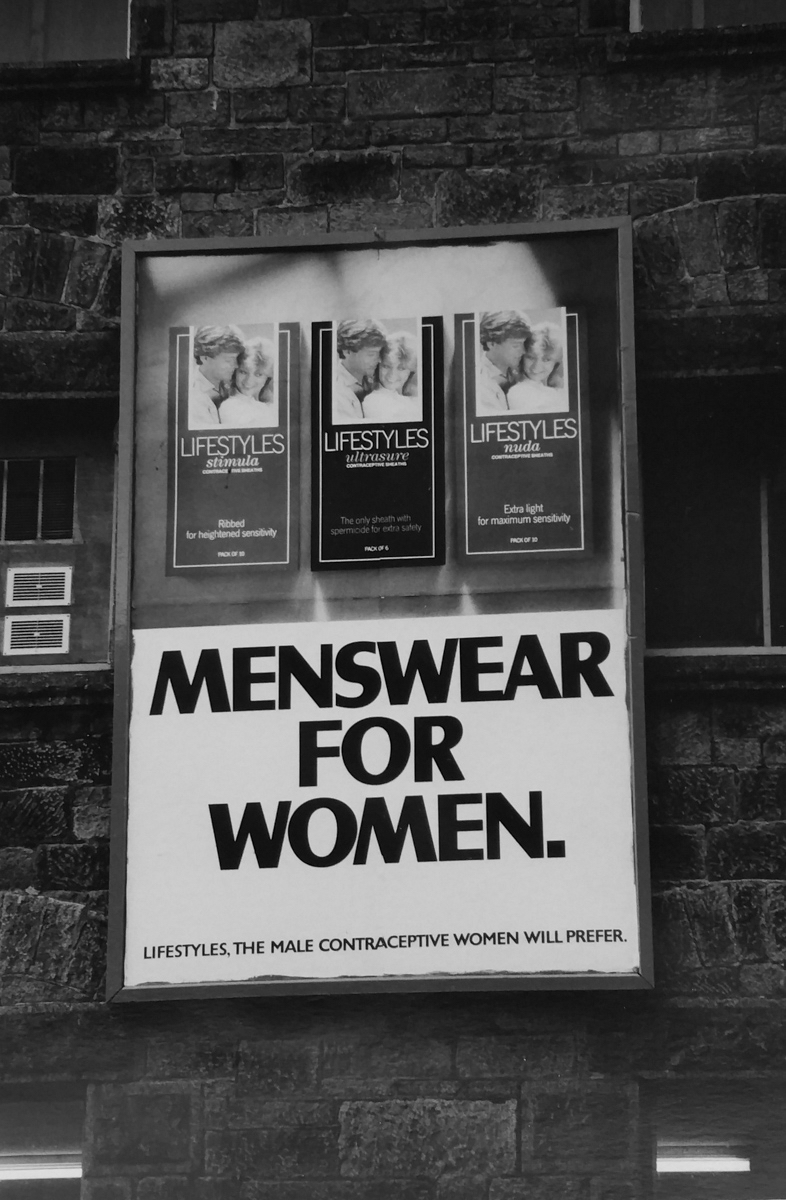
Menswear for Women, London, 1980
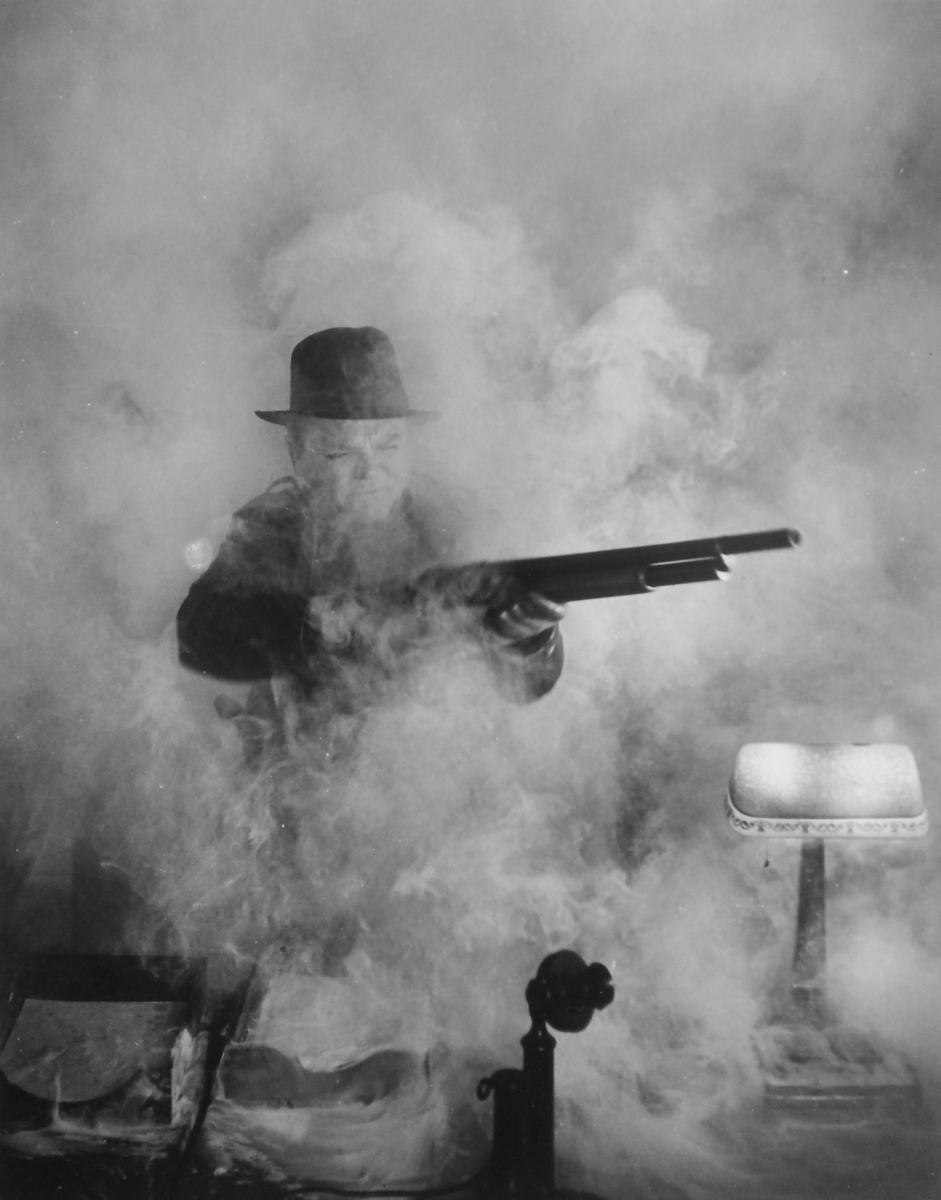
James Cagney, “White Heat”, Los Angeles, 195-
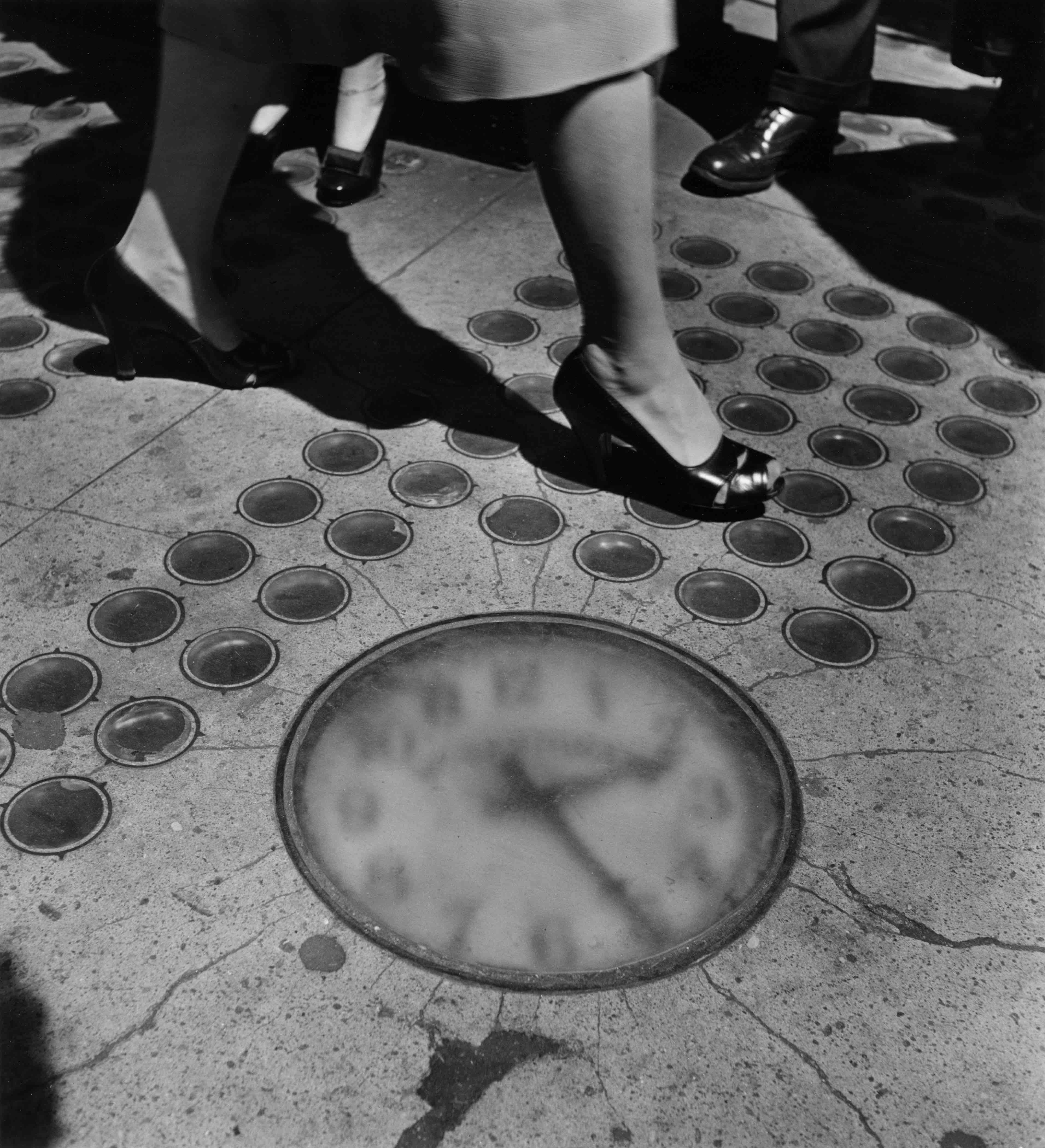
Sidewalk Clock, New York, 1947
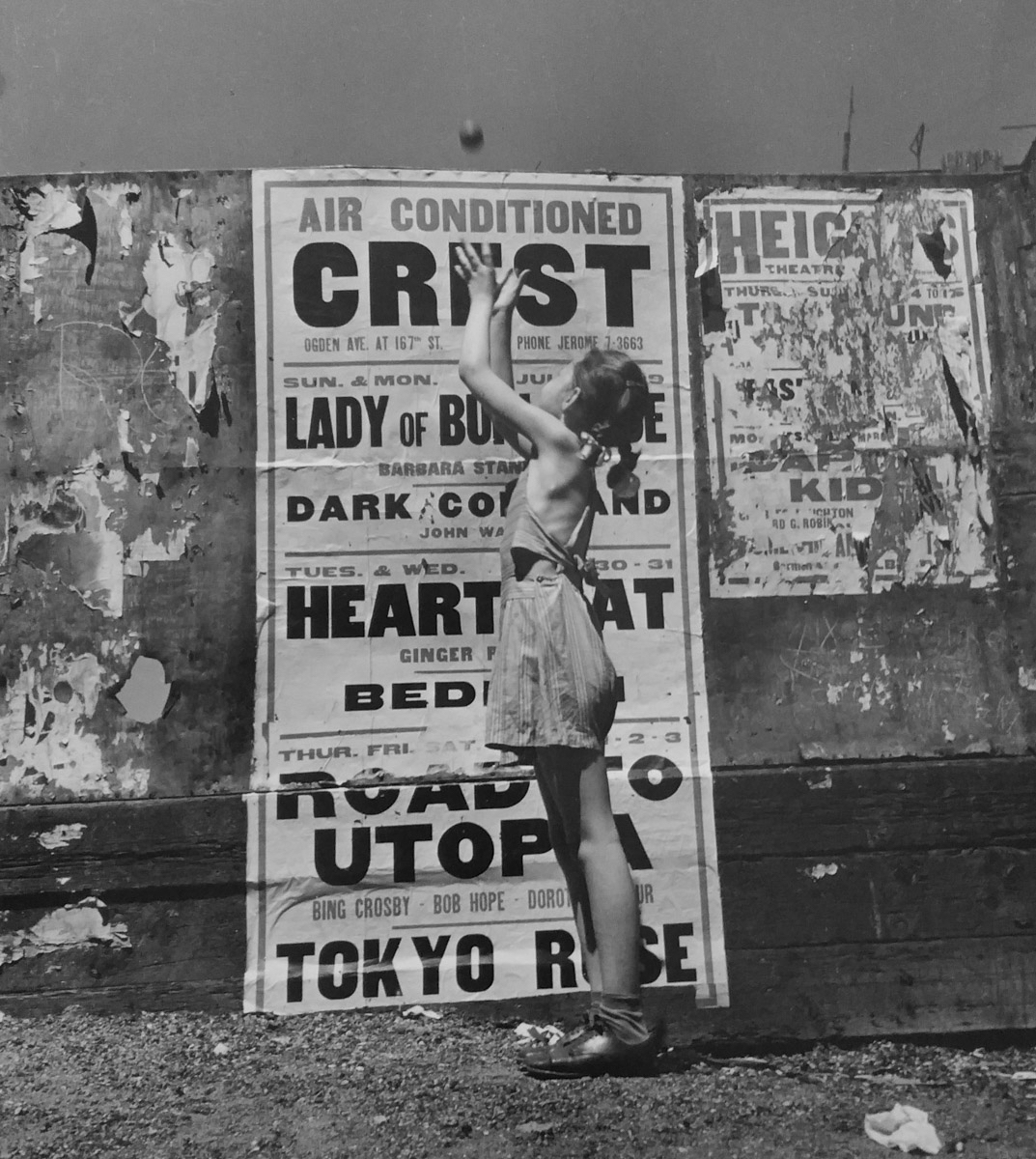
Poster for Crest Theatre Air Conditioning, the Bronx, NY, 1946
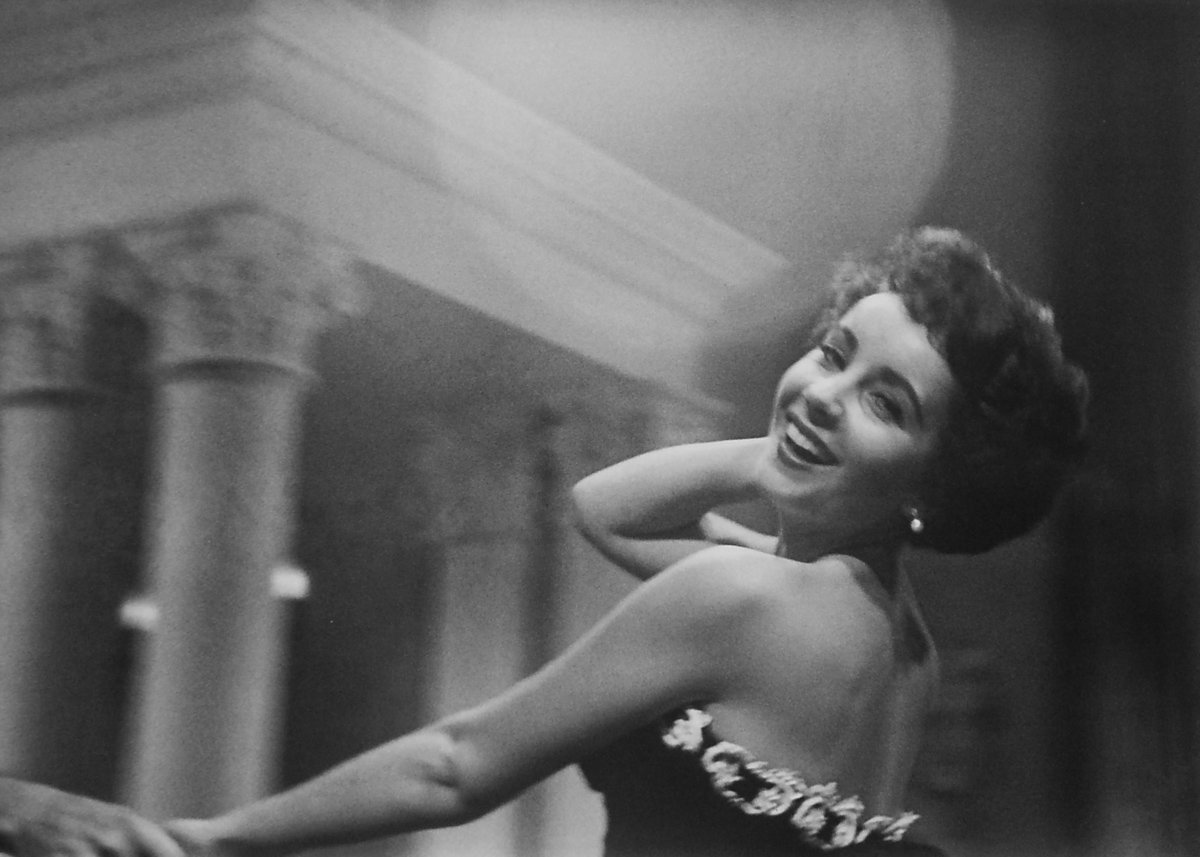
Elizabeth Taylor, “A Place in the Sun”, Los Angeles, 1950
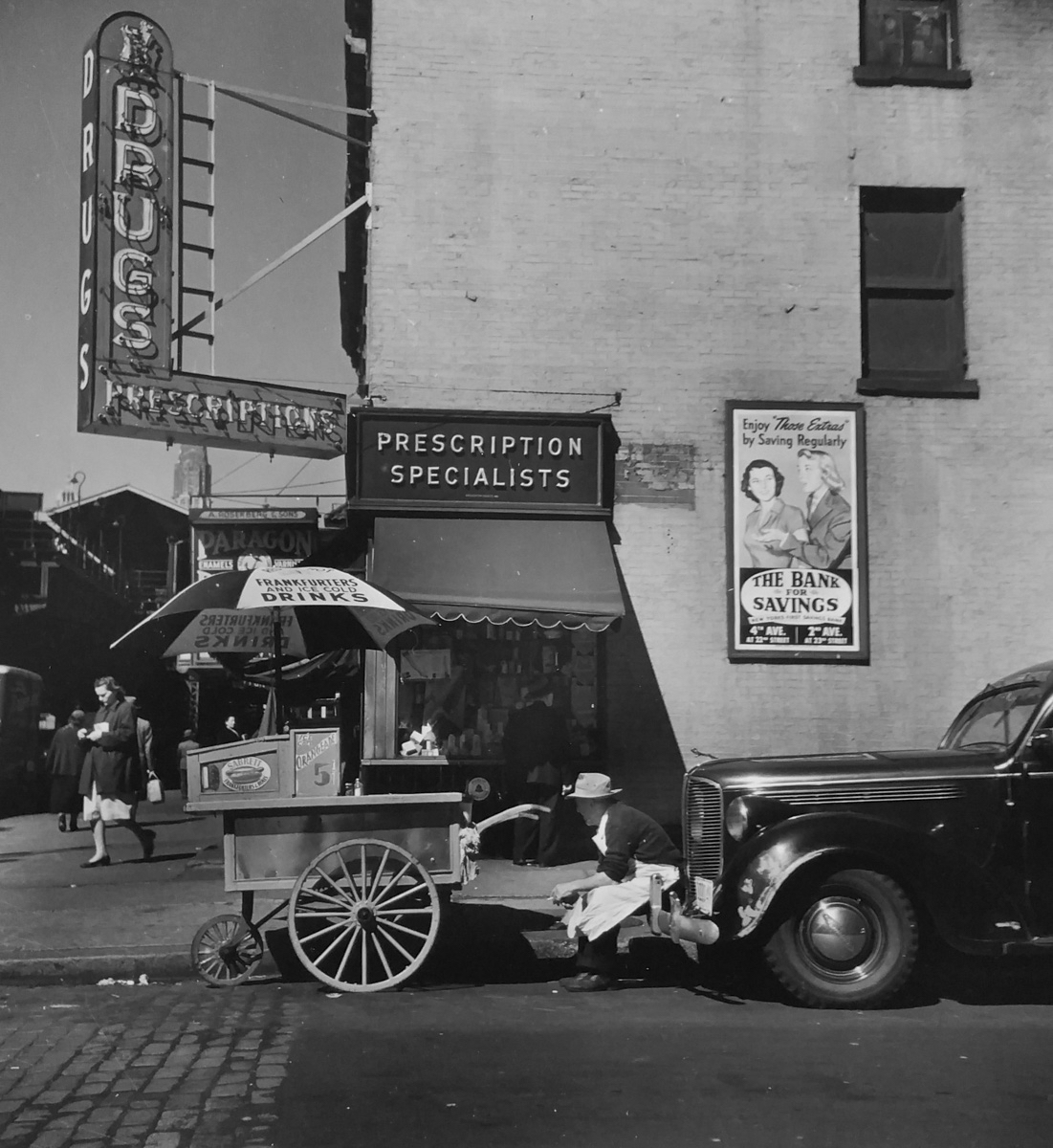
Hot Dog Cart and Vendor, New York, 1948
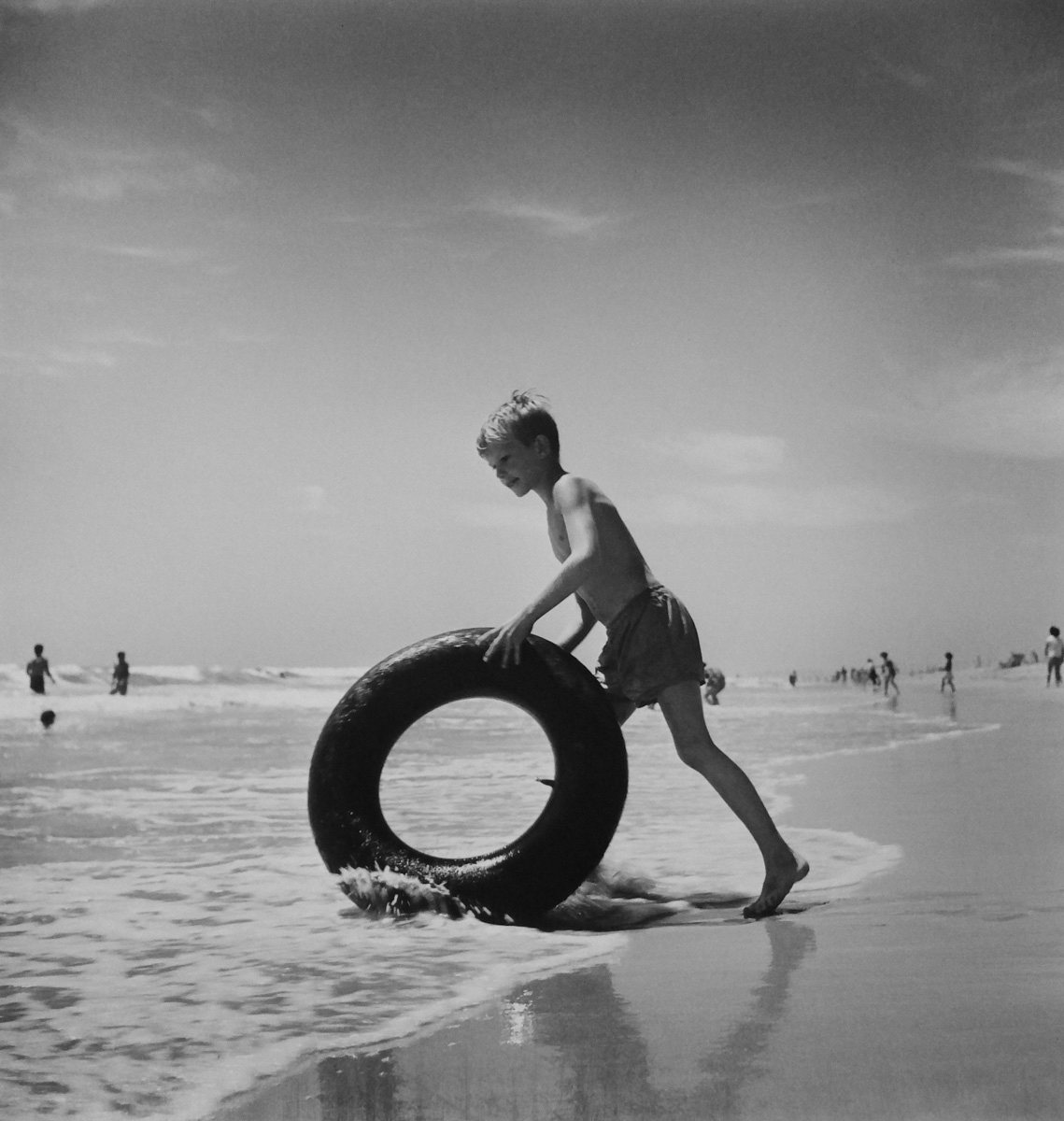
Boy with Inner Tube, Santa Monica, California, 1950
Ida Wyman: Life with a Camera at the Monroe Gallery of Photography in Santa Fe, New Mexico, through April 26, 2020.
Follow Miss Rosen on Twitter.
Enjoyed this article? Like Huck on Facebook or follow us on Twitter.
You might like

Jesse Glazzard’s messy portrait of queer friends, lovers and chosen family
The Sound of Dirt and Beauty — The photographer’s debut monograph explores tender, unpolished moments shaped by the people who he surrounds himself with, while offering a window into the UK’s working-class LGBTQ+ community.
Written by: Sunny Sunday

Behind the curtain at Alternative Miss World 1981
Olympia glamour — Running a subversive take on the traditional beauty pageant, the Andrew Logan organised event prioritised underground creativity and invention. Photographer David Corio went behind the scenes at its biggest edition.
Written by: Miss Rosen

New exhibition highlights British radical living over 200 years
Earthly Paradise — Taking place at the William Morris Gallery, it explores the homes and lives of artists, writers, musicians and more, as well as the conditions that allowed them to thrive.
Written by: Isaac Muk

What life on the Strait of Hormuz is really like
Southern Winds — Bandar Abbas based photographer Morteza Niknahad has been capturing the diverse communities and stories of his local region since he first picked up a camera. His new series highlights the human impact of war.
Written by: Isaac Muk

Nick Haymes’s intimate portrait of his family’s life
Chronograph — Over 25 years, the photographer documented his son’s lives as they grew into adults. The resulting photobook is an exploration of the passage of time, as well as the optimism of youth.
Written by: Miss Rosen

Kristina Rozhkova’s scatty, confronting portrait of captivity
Gut Feeling — The Russian artist’s 2024 arrest and subsequent detention opened her eye towards the omnipresent dynamics of power and control. Her new photobook is a stark exploration of being trapped.
Written by: Isaac Muk


