Inside a vibrant '90s Kingston dancehall community
- Text by Miss Rosen
- Photography by Akeem Smith

Dancehall emerged in Jamaica in the late 1970s, as a new generation forged an indigenous national identity coming of age in the years following independence from the UK. Embracing the already well-established tradition of sound system culture, the movement made itself known at local gatherings around Kingston, quickly radiating across the Caribbean diaspora.
Growing up between Kingston and Brooklyn, Section 8 fashion designer, stylist, and artist Akeem Smith, 29, became heavily involved in the dancehall scene. His aunt Paula and grandmother co-founded the Ouch Collective – a niche fashion house that created iconic outfits for the dancers.
Over the past 12 years, Smith began creating an extensive archive of artefacts chronicling the 1990s dancehall scene that forms the basis for the new exhibition, No Gyal Can Test. Smith weaves together scenes from the era in a multi-disciplinary show that combines photography, video, ephemera, sculpture, fashion, and audio components to evoke the extraordinary creative spirit of dancehall.
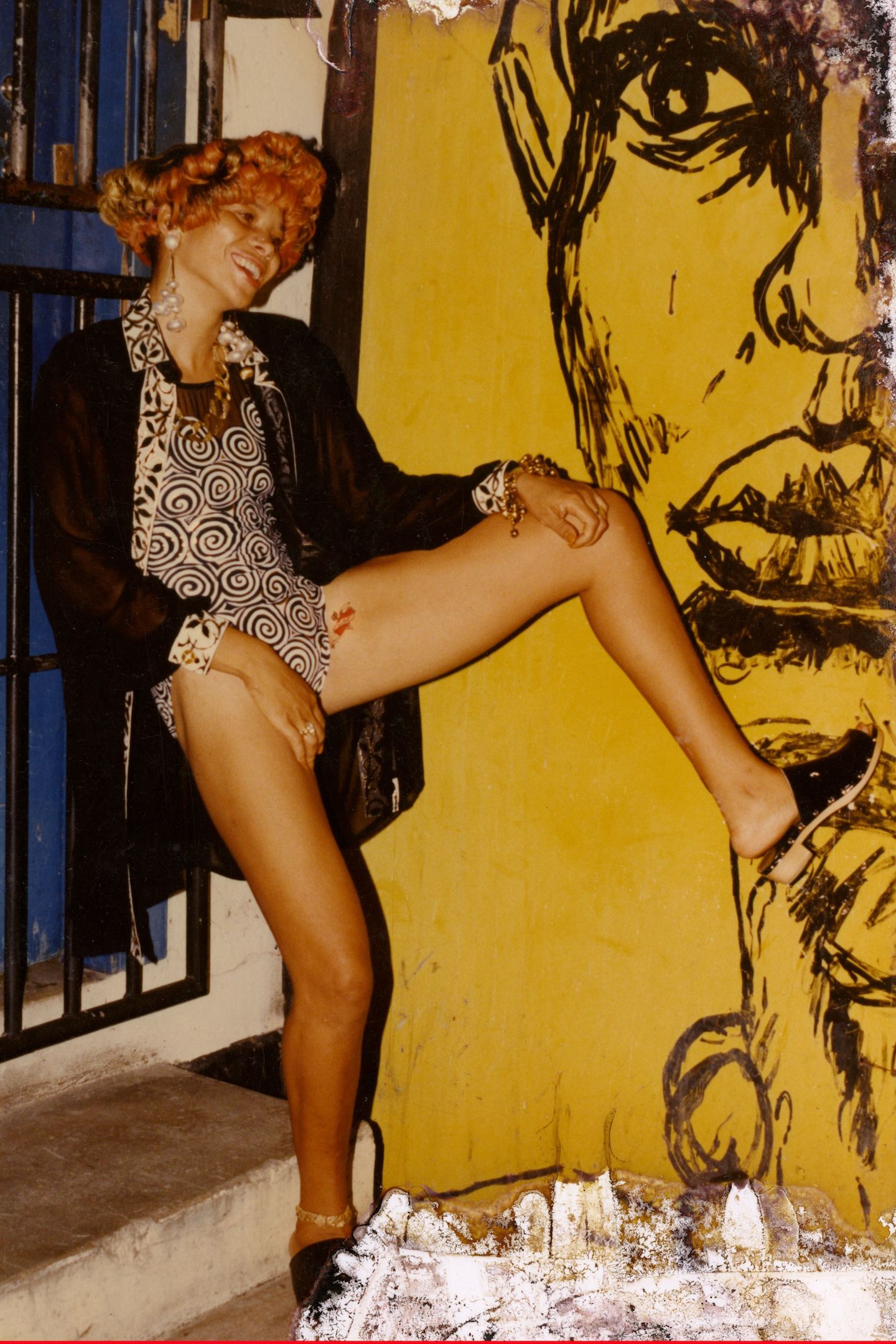
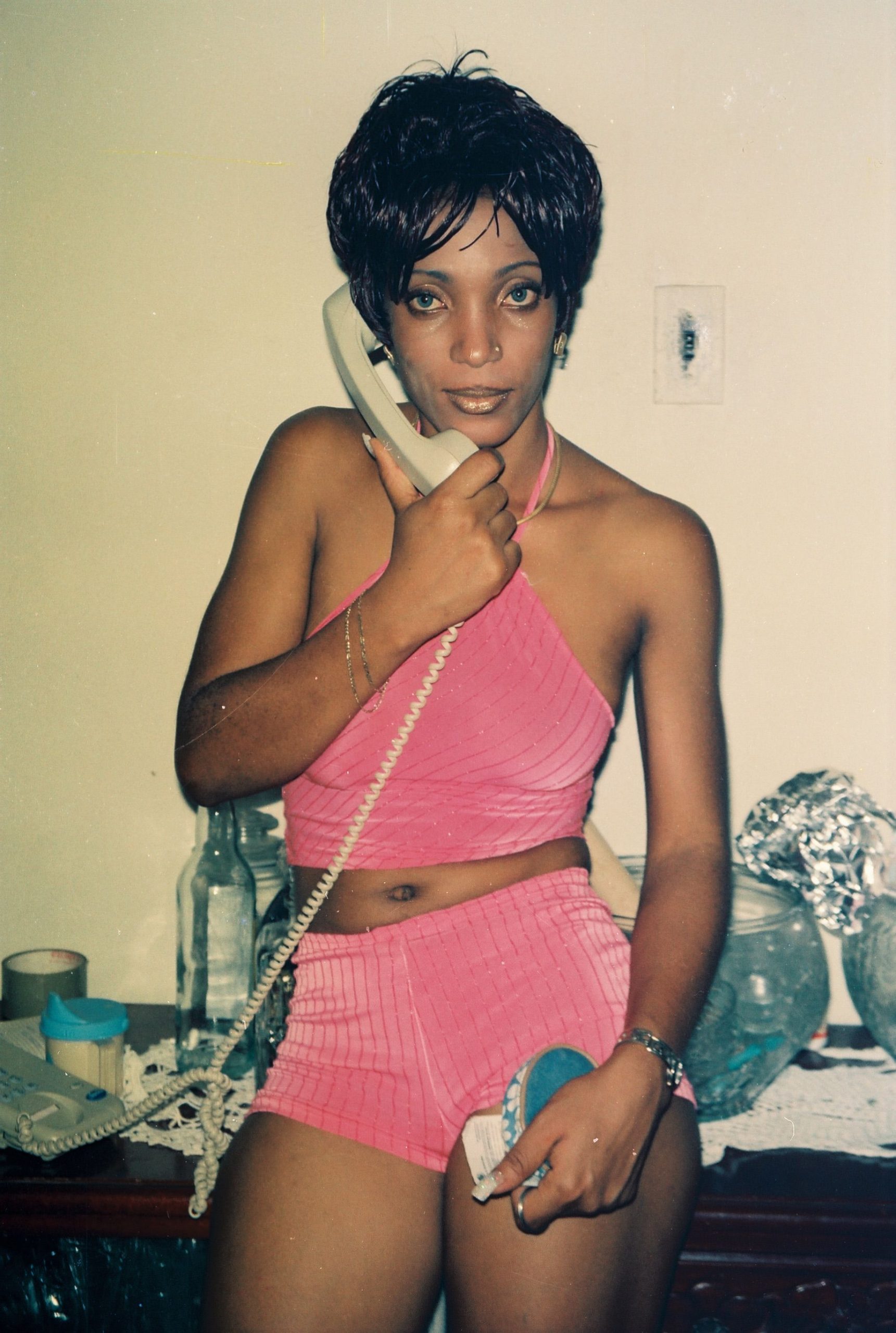
“Akeem’s a poet with an exceptional personal history from which he draws upon, using his growing archive and a carefully culled collection of objects and architectural remnants to weave together compositions that tell a richer story of dancehall that counters the common pop culture narrative,” says Max Wolf, Chief Curator at Red Bull Arts.
“With No Gyal Can Test, Akeem aims to venerate the women, the fashion, and the under-sung practitioners of the movements nocturnal economy in order to cement this significant period and its collection of fleeting memories for future generations.”
To create an archive of this scale and scope, Smith maintains an extensive network of family, friends, and members of the dancehall community connected with the Ouch Collective. What isn’t seen but can be felt in the detail the photographer brings to the show is the care and support for the people behind the work.
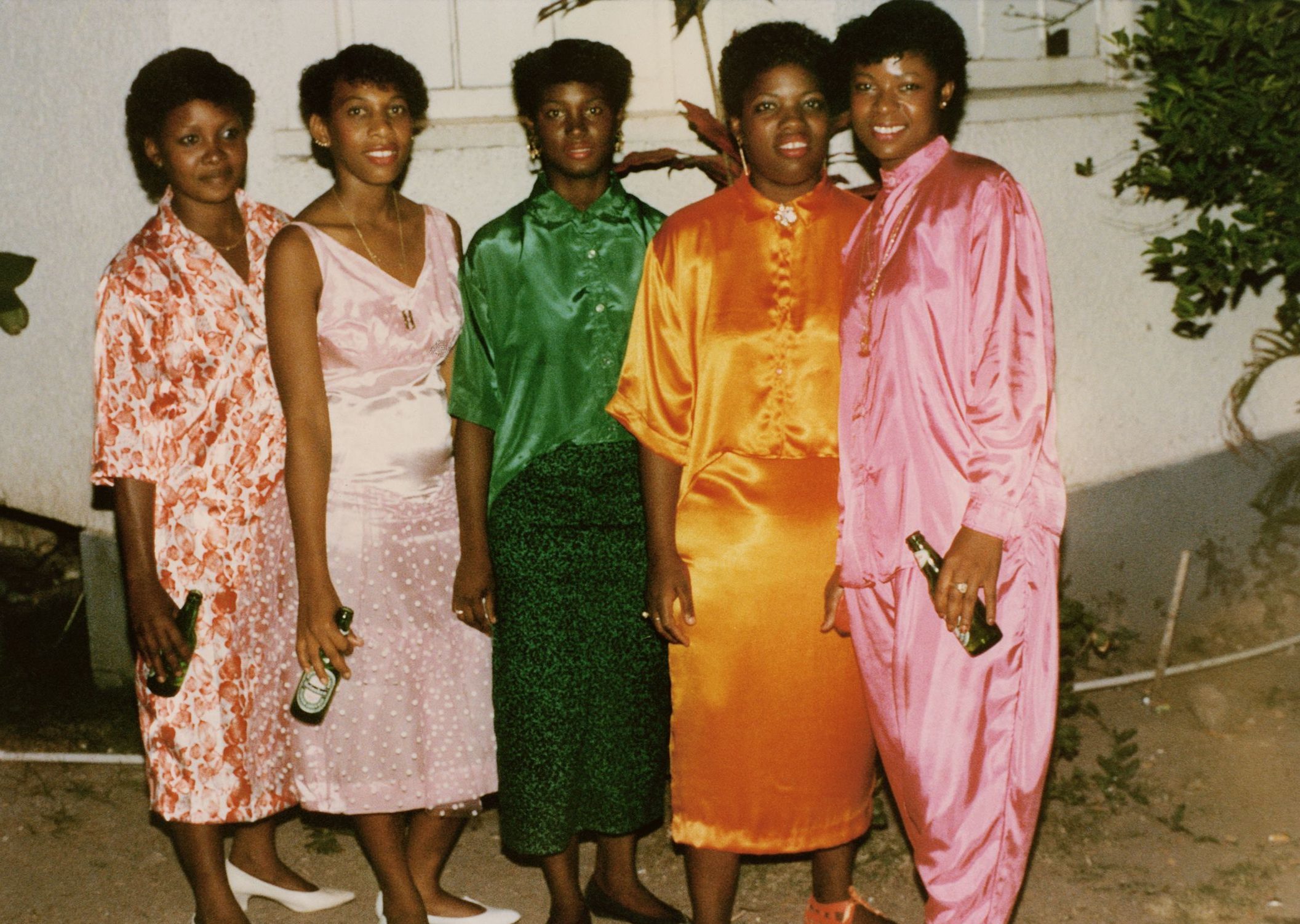
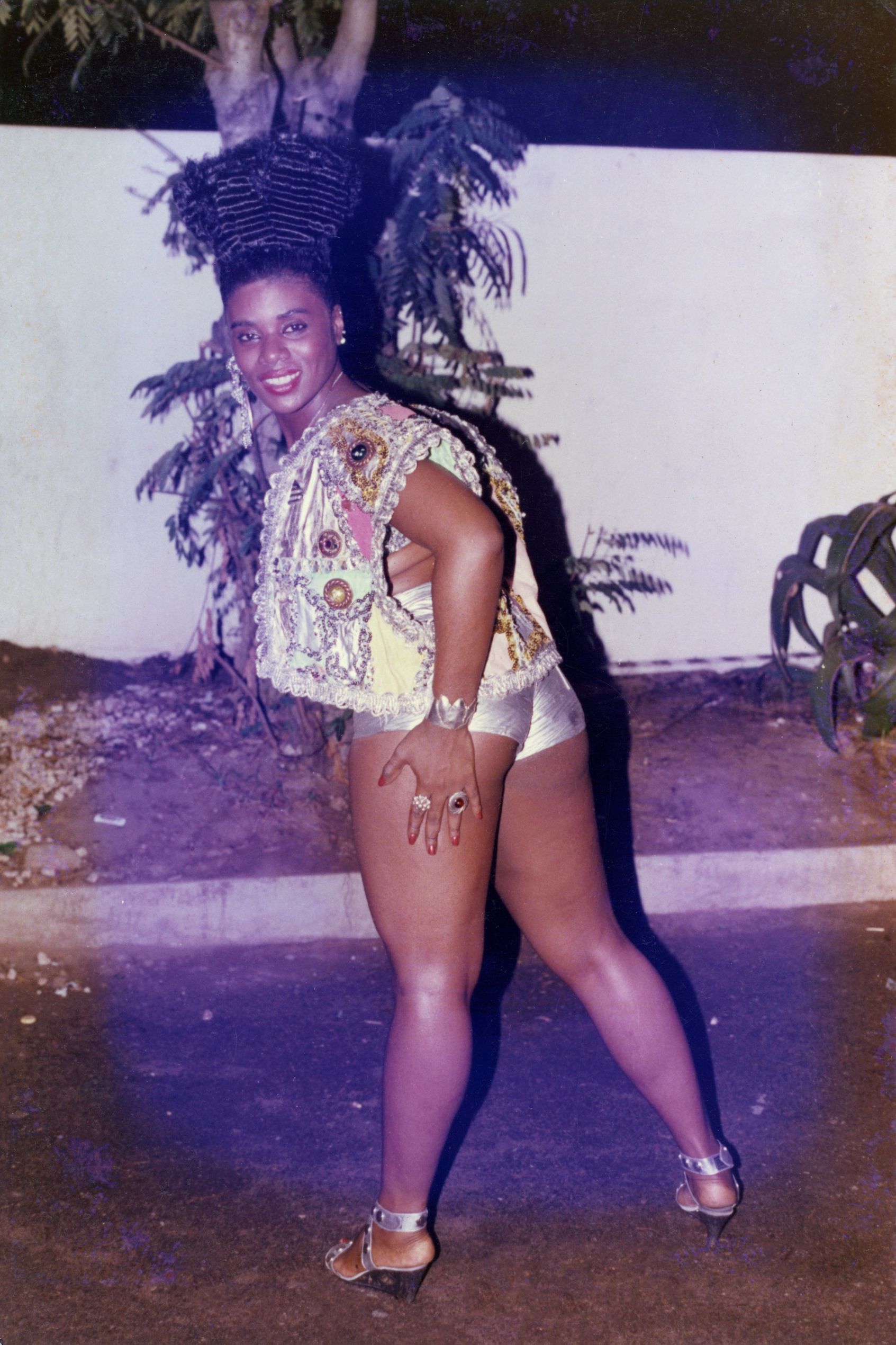
The project got its start years ago when Smith helped Photo Morris, a close friend, to organise his archive of thousands of images made over several decades documenting the dancehall community. After Morris died, the archive was bequeathed to Smith, providing him with one of the most extensive records of the period and sparking his interest in preserving shadow archives.
Morris had made his living making photographs of women at the dance, and selling prints to them the next day, taking exquisite care to record the dates, venues, and various notes about when they were made, creating an enduring document of a pre-digital social network and nocturnal economy.
“The presence of the cameras at a dance both validated the hype and significance of the event, as well as the potential for greater visibility, reach and mobility for the lucky few captured in the cameras promising gaze,” Wolf says.
“It was important to get photographed, or beamed up in the video light, so your presence was known and could potentially circulate within the vibrant Caribbean communities throughout the world that these photos and VHS tapes were sent.”
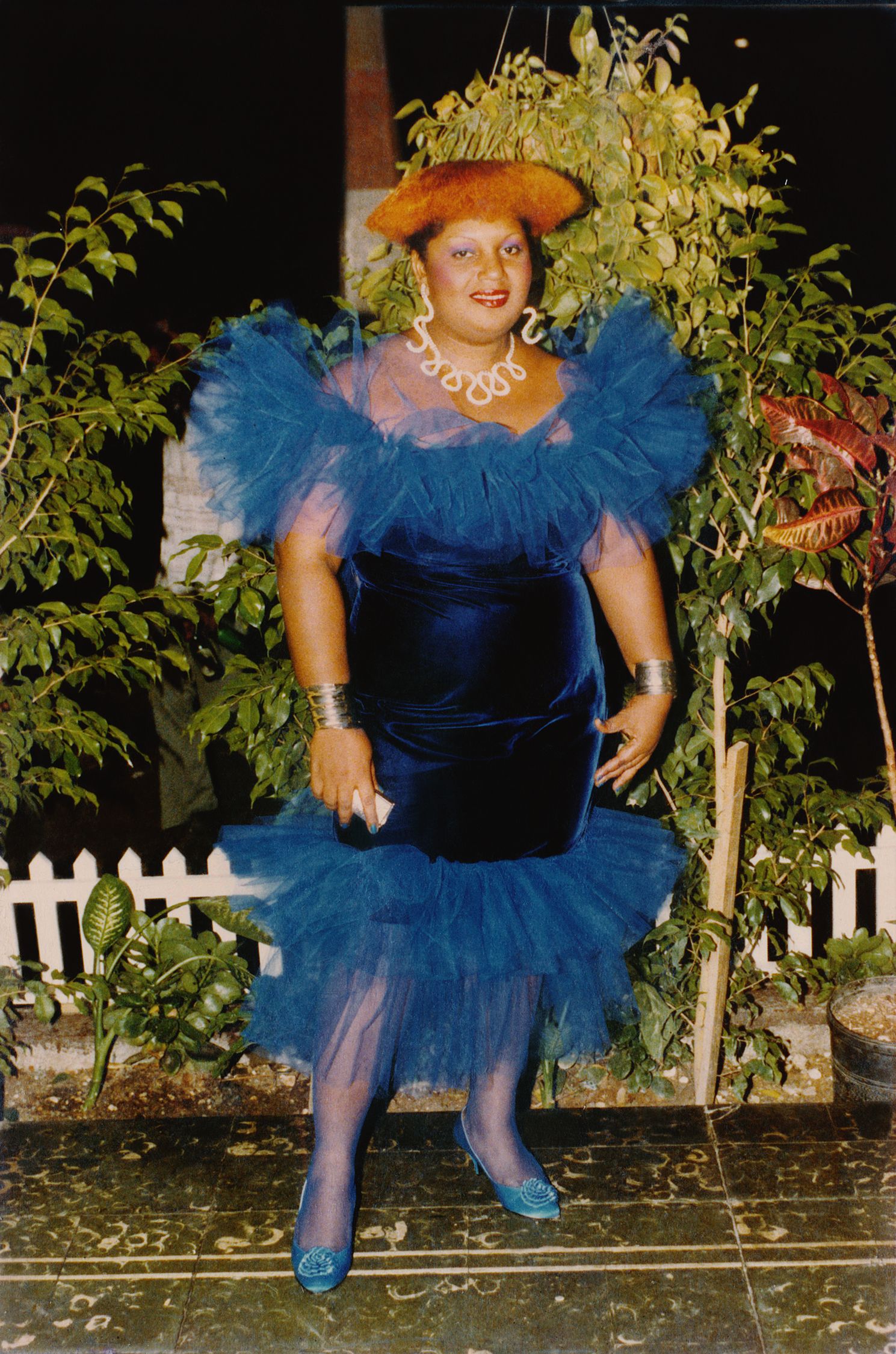
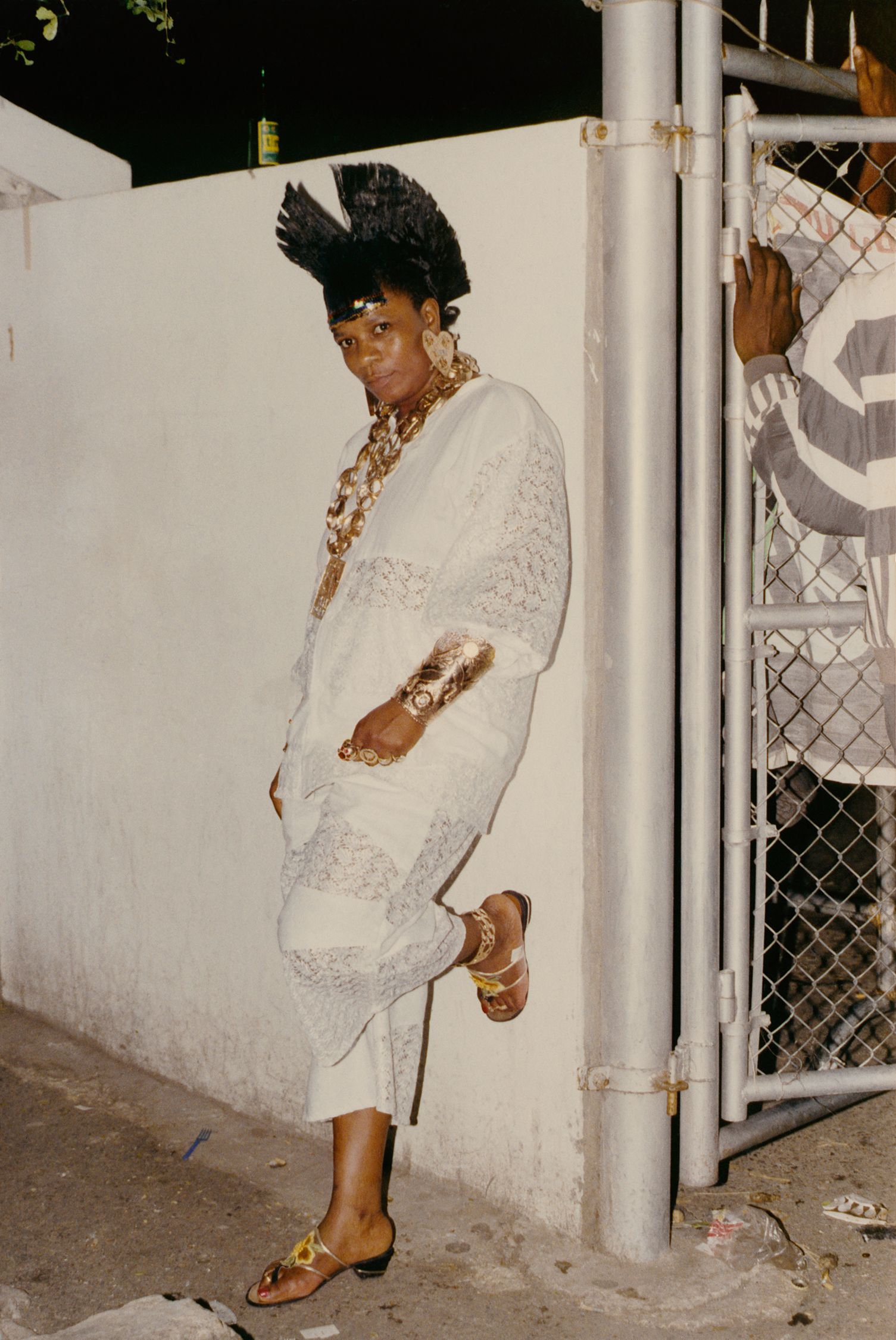

Akeem Smith: No Gyal Can Test is on view at Red Bull Arts, New York, through November 15, 2020.
Follow Miss Rosen on Twitter.
Enjoyed this article? Like Huck on Facebook or follow us on Twitter.
You might like

Jesse Glazzard’s messy portrait of queer friends, lovers and chosen family
The Sound of Dirt and Beauty — The photographer’s debut monograph explores tender, unpolished moments shaped by the people who he surrounds himself with, while offering a window into the UK’s working-class LGBTQ+ community.
Written by: Sunny Sunday

Behind the curtain at Alternative Miss World 1981
Olympia glamour — Running a subversive take on the traditional beauty pageant, the Andrew Logan organised event prioritised underground creativity and invention. Photographer David Corio went behind the scenes at its biggest edition.
Written by: Miss Rosen

New exhibition highlights British radical living over 200 years
Earthly Paradise — Taking place at the William Morris Gallery, it explores the homes and lives of artists, writers, musicians and more, as well as the conditions that allowed them to thrive.
Written by: Isaac Muk

What life on the Strait of Hormuz is really like
Southern Winds — Bandar Abbas based photographer Morteza Niknahad has been capturing the diverse communities and stories of his local region since he first picked up a camera. His new series highlights the human impact of war.
Written by: Isaac Muk

Green Man is more than a music festival
Planting roots — For nearly a quarter century, the fiercely independent weekender has been flying the flag for Welsh arts and music. As an ecosystem now bubbles around it, Anna Stafford meets the people who keep the fire burning.
Written by: Anna Stafford

Nick Haymes’s intimate portrait of his family’s life
Chronograph — Over 25 years, the photographer documented his son’s lives as they grew into adults. The resulting photobook is an exploration of the passage of time, as well as the optimism of youth.
Written by: Miss Rosen


