Interactive documentary puts you in solitary confinement with a Black Panther activist
- Text by Sam Warner
The harrowing 41-year solitary confinement of prisoner and activist Herman Wallace is captured in new interactive online documentary The Deeper They Bury Me: A Call from Herman Wallace.
Wallace was originally sent away to Louisiana State Penitentiary for armed robbery but was later convicted for the murder of a prison guard with fellow inmate Albert Woodfox, and along with Robert Hillary King they became known as the ‘Angola Three’.
The conviction was seen as a ruse by authorities because he was associated with the Black Panther Party and large sections of the public campaigned for his release. During his time in prison he also set out to improve conditions there and strongly resisted the brutal system.
“Anywhere I go I have to be in chains. I mean chains have become part of my existence,” Wallace says in The Deeper They Bury Me. On the website, we are invited to make a phone call to Wallace for 20-minutes – as would be the norm for inmate calls. In that time, we navigate Wallace’s cell and learn about his experience, the recordings we hear taken from phone calls between the inmate and filmmaker Angad Singh Bhalla.
The 2013 film Herman’s House made by Bhalla, was the root of this project – a documentary following artist Jackie Sumell as she conversed with Wallace about the house he would like to live in were he a free man, and from which the filmmaker had leftover recordings.
Wallace was released in 2013 after 41 years in solitary confinement, and died a few days later. This immersive project is an unsettling but ultimately eye opening tale of endurance and bravery.
Find out more about The Deeper They Bury Me: A Call from Herman Wallace.
You might like
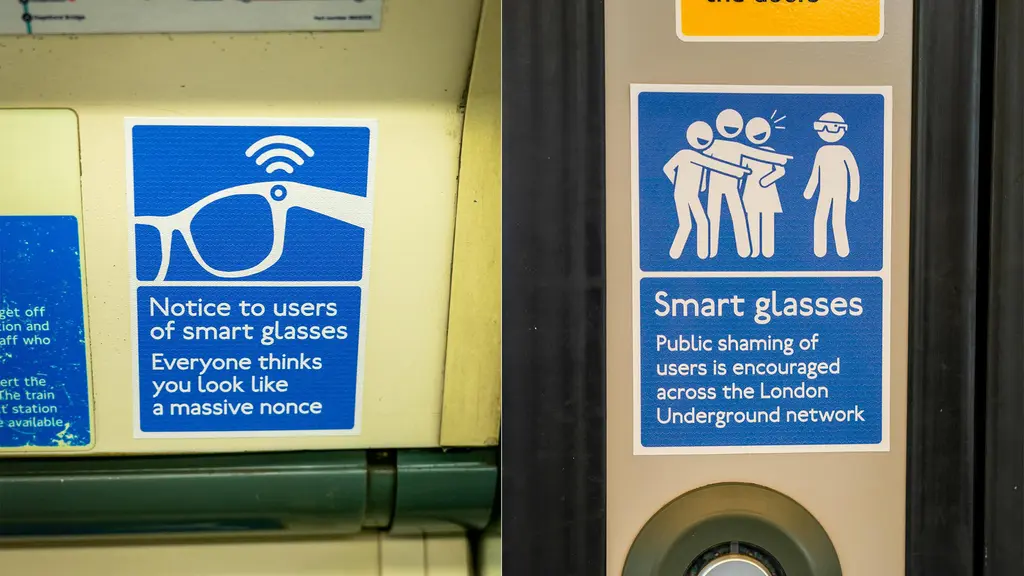
Activists slam “pervert glasses” in new guerrilla campaign
Everyone Hates Elon — Stickers have appeared on the London Underground network, criticising the wearable technology’s covert filming capabilities.
Written by: Isaac Muk

New exhibition highlights British radical living over 200 years
Earthly Paradise — Taking place at the William Morris Gallery, it explores the homes and lives of artists, writers, musicians and more, as well as the conditions that allowed them to thrive.
Written by: Isaac Muk

Pink Floyd’s Roger Waters joins team of new Palestinian resistance documentary
Freedom Theatre — Directed by Rishi Pelham, the film spotlights a theatre operating in the Jenin refugee camp.
Written by: Ella Glossop

Just Stop Oil holds first protest in 17 months
No new drilling — Having previously said that it was “hanging up the hi-vis”, the climate activist group has blocked a road outside Parliament to protest Andy Burnham opening the door for new oil and gas extraction licenses in the North Sea.
Written by: Ella Glossop

Kristina Rozhkova’s scatty, confronting portrait of captivity
Gut Feeling — The Russian artist’s 2024 arrest and subsequent detention opened her eye towards the omnipresent dynamics of power and control. Her new photobook is a stark exploration of being trapped.
Written by: Isaac Muk

In photos: The enduring resistance of Notting Hill Carnival
Carnival of Resistance — A new photobook by Wayne Campbell and Wayne Crichlow reflects on the protest beginnings of Europe’s biggest street festival, along with the traditions keeping its original spirit alive today.
Written by: Isaac Muk


