Is it too late to ‘Kill the Bill’?
- Text by Ben Smoke
- Photography by Andy Nall-Cain

Last night (July 5), the Police, Crime, Sentencing and Courts Bill passed its third reading in the commons. The Bill, known by many as simply the ‘Policing Bill’ passed with 365 votes to 265, with all but three members of the Parliamentary Conservative Party voting for it. The 300-page piece of proposed legislation was given less than five hours of consideration at report stage before moving on to a vote.
Within it are provisions that will grant police officers wide ranging new powers including those which will dramatically undermine our fundamental right to protest, as well as new laws that will be used to target Gypsy, Roma and Traveller communities.
The Bill, which passed it’s second reading in March, saw its passage through the Commons delayed with the Government citing ‘unexpected backlash’ in the form of protests that rocked towns and cities up and down the country. The Bill’s committee stage started in May and lasted until June 24. Only 18 amendments were made to the bill, with one extra clause added, none of which came from the opposition.

Yesterday’s vote marks the end of the Bill’s passage through the Commons. It will go on to repeat the process (First Reading, Second Reading, Vote, Committee Stage, Report Stage, Third Reading, Vote) in the Lords before being passed back to the Commons with any amendments.
Many inside and outside Parliament are hoping the Lords will remove some of the most heinous parts of the Bill. One Labour front bencher last night told Huck they hoped the Lords would “take a good run at it” while civil liberties organisations and NGOs have already begun heavily lobbying members.
The Bill has been the subject of harsh criticism, with a report from APPG on Democracy and the Constitution released last week questioning the need for extended police powers given the “antagonistic” manner in which named forces had been utilising coronavirus legislation to suppress protest.
Senior police officers are also reported as saying they never asked for the powers contained within the Bill with members of Parliament on all sides of the house raising the alarm about what this could mean for the rights to protest in this country. Yesterday, in the debate on the Bill, ex-Secretary of state for Brexit and backbench Conservative MP David Davis told the chamber that “Serious annoyance and serious inconvenience are incredibly vague terms…” before asserting that, “Demonstrations do lead to inconvenience – it is not just a lefty legal fraternity that has been worried about this”. Despite his concerns, Davis still voted through the Bill last night.
The Bill was almost certainly always going to pass in pretty much it’s current form. The delay of the passage in March was undoubtedly a victory, but Parliament wasn’t ever where this bill was or is going to be defeated. It’s on the streets.
When the Thatcher Government passed Poll Tax, it was a sustained street movement and campaign of disobedience, making the law unenforceable that ended the tax and helped topple her prime ministership. When that same government brought in Section 28, it was a decades long movement that saw it finally repealed. The passing of a bill is not defeat. It is merely the beginning of the fight.
Labour MP for Streatham Bell Ribeiro-Addy said it best when she told Huck this morning: “Today’s protests are the milestones of tomorrow’s progress. Rather than addressing the growing injustices of our time and moving forwards together, the Tories have chosen to silence the protestors raising them, hurting all of society in the process. We need to show them that trying to ban protest will only create more protest and keep building movements that even this Government cannot ignore.”
At the time of publishing, the Bill was not scheduled in the Lords and it looks unlikely it will complete its passage before summer recess which starts on July 22. Meanwhile a protest against the bill organised by members of the GRT community will take place at 1pm July 7 in Parliament square.
Ben Smoke is Huck’s Politics Editor. Follow him on Twitter.
Enjoyed this article? Like Huck on Facebook or follow us on Twitter.
You might like
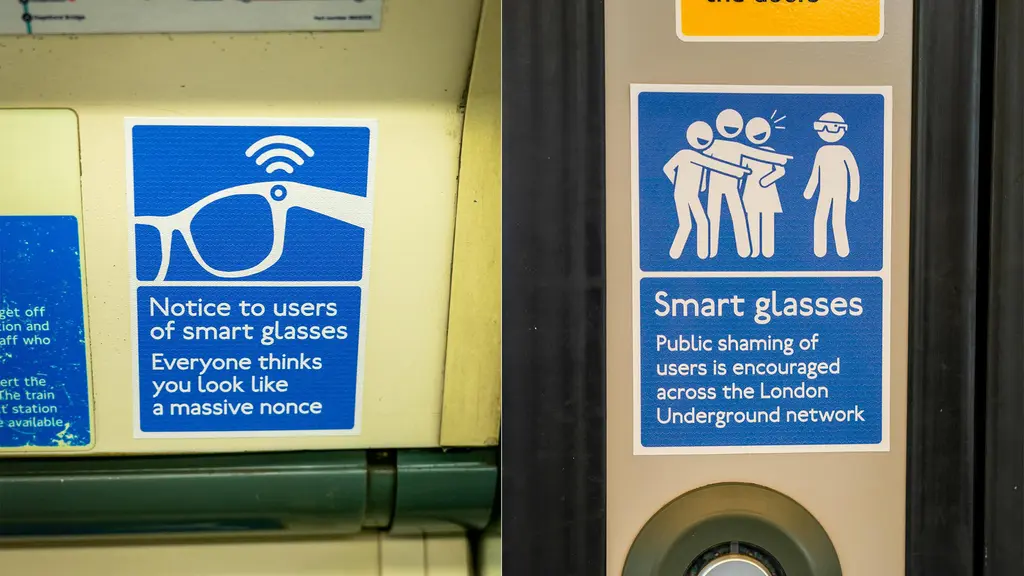
Activists slam “pervert glasses” in new guerrilla campaign
Everyone Hates Elon — Stickers have appeared on the London Underground network, criticising the wearable technology’s covert filming capabilities.
Written by: Isaac Muk

New exhibition highlights British radical living over 200 years
Earthly Paradise — Taking place at the William Morris Gallery, it explores the homes and lives of artists, writers, musicians and more, as well as the conditions that allowed them to thrive.
Written by: Isaac Muk

Pink Floyd’s Roger Waters joins team of new Palestinian resistance documentary
Freedom Theatre — Directed by Rishi Pelham, the film spotlights a theatre operating in the Jenin refugee camp.
Written by: Ella Glossop

Just Stop Oil holds first protest in 17 months
No new drilling — Having previously said that it was “hanging up the hi-vis”, the climate activist group has blocked a road outside Parliament to protest Andy Burnham opening the door for new oil and gas extraction licenses in the North Sea.
Written by: Ella Glossop

In photos: The enduring resistance of Notting Hill Carnival
Carnival of Resistance — A new photobook by Wayne Campbell and Wayne Crichlow reflects on the protest beginnings of Europe’s biggest street festival, along with the traditions keeping its original spirit alive today.
Written by: Isaac Muk

Tens of thousands gather to remember Jason Arday at London vigil
Stand Up to Racism — It took place in Trafalgar Square, with speakers paying tribute to the former Cambridge professor’s life and achievements, while calling for accountability over the reporting he faced from the mainstream press.
Written by: Ella Glossop


