Photographing UK punks before the movement took over
- Text by Biju Belinky
- Photography by John Ingham

John Ingham was there when Johnny Rotten sang Anarchy in the UK for the first time. He was there when a girl was blinded at a Damned concert, and he was there casually chatting to Joe Strummer when The Clash had Pollock-esque ink sprays running down their trousers.
Better than just being there, he could tell that those gigs, happening inside strip clubs and half-empty pubs, were the beginning of something new: punk. A movement blossoming out of a generation so pissed off that they decided to embrace the emptiness and the anger and turn it into a type of noise the UK had never heard before.
Like any good journalist, John would be damned if he let that go undocumented.

The Damned
He started with his writing – a music journalist from the age of 18, John was the first to ever interview the Sex Pistols who he spotted them in a newspaper while trying to find something beyond the tired rock bands “full of their own aristocratic self-importance” still dominating the music scene in the late 70s.
His instincts were right: the first Pistols gig he caught blew him away – the sound, the energy, the chaos, occupying an entire room like nothing he’d ever witnessed. A performance that made you question yourself. All of that tied together by Johnny Rotten – a young singer who, oddly, genuinely didn’t give a damn about being loved by his audience.
Quite the opposite, really. He thrived on anger.
 From that moment onwards, John wasn’t reporting as a journalist and an outsider – he fell in love with punk. And unlike a lot of music writers of the time, he understood it, and he believed it.
That’s where the images and personal accounts on Spirit of 76: London Punk Eyewitness come from. They come from the point of view of someone who was an insider during the year the movement blossomed, before the dress-up fads and public outrage. From the perspective of someone who lived it, and understood that, after punk things would never be the same again.
John Ingham was there when it all began.


The Spirit of 76: London Punk Eyewitness by John Ingham is out now, published by Anthology.
Enjoyed this article? Like Huck on Facebook or follow us on Twitter.
You might like

Jesse Glazzard’s messy portrait of queer friends, lovers and chosen family
The Sound of Dirt and Beauty — The photographer’s debut monograph explores tender, unpolished moments shaped by the people who he surrounds himself with, while offering a window into the UK’s working-class LGBTQ+ community.
Written by: Sunny Sunday
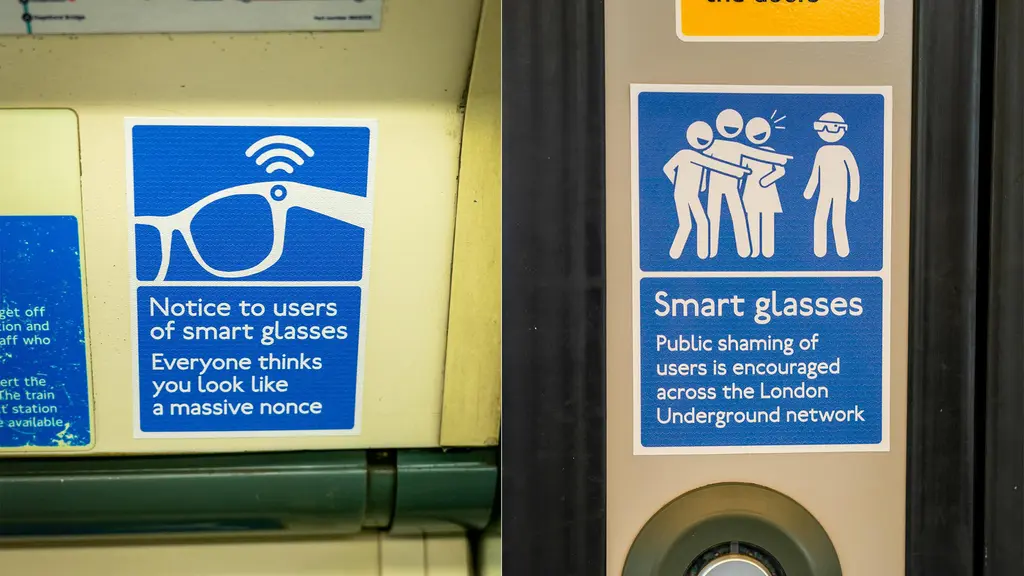
Activists slam “pervert glasses” in new guerrilla campaign
Everyone Hates Elon — Stickers have appeared on the London Underground network, criticising the wearable technology’s covert filming capabilities.
Written by: Isaac Muk

Behind the curtain at Alternative Miss World 1981
Olympia glamour — Running a subversive take on the traditional beauty pageant, the Andrew Logan organised event prioritised underground creativity and invention. Photographer David Corio went behind the scenes at its biggest edition.
Written by: Miss Rosen

Dan Lacey: “BMX is forever evolving”
Overground — Steph Pomphrey caught up with the two-wheel legend after his latest meet in east London, chatting about fatherhood, music and action sports within the outdoor industry.
Written by: Steph Pomphrey

The battle for the soul of lockpicking
Under locksport and key — In recent years, breaking locks for fun has grown from a niche hobby into an activity followed by millions of people. As it has matured, so have tensions over who sets the rules.
Written by: Jack Dennison-Thompson

New exhibition highlights British radical living over 200 years
Earthly Paradise — Taking place at the William Morris Gallery, it explores the homes and lives of artists, writers, musicians and more, as well as the conditions that allowed them to thrive.
Written by: Isaac Muk


