
Over the bank holiday weekend, Notting Hill Carnival returned to the streets of West London after a two-year hiatus due to Covid-19. Thousands of people packed the street for the two-day event dressed in kaleidoscope costumes to match the 50,000 performers. The event – which emerged after the racist killing of the Antiguan carpenter Kelso Cochrane in 1959 – has grown to become the second-biggest carnival in the world, after the one held in Rio de Janeiro.
“Notting Hill Carnival means a lot to me because of the traditions and many years of fun,” one attendee, Christine, told Huck. “Thinking that carnival might not come back was a sad thought, but yesterday seeing so many friendly and beautiful people was magical.”
Another attendee, Harry, who plays at the event as part of the steel pan band Hype Mas, shared his thoughts on Carnival’s return. “I’ve missed the costume, the vibes, the energy… everything. I’ve been doing six years,” he said, “and I’ll keeping doing this every year until I’m old and grey!”
The weekend kicked off with the UK National Panorama Steelband Competition at Emslie Horniman’s Pleasance Park, which saw Ebony Steelband secure its 23rd win. Later in the day, there was time for reflection, with a 72-second silence to honour the 72 victims of the Grenfell Tower fire. Another silence was held on Sunday at the same time. The blaze destroyed Grenfell Tower on 14 June 2017, claiming the lives of 72 residents.
Speaking to the crowd through a microphone, Grenfell survivor Zoe Dainton said: “June the 14th of this year marked five years since the fire. Five years and still no justice, still no charges, not much change.”
Photographer Humothy attended the two-day event to capture Carnival’s much-anticipated return.


Follow Humothy on Instagram.
Enjoyed this article? Like Huck on Facebook or follow us on Twitter.
You might like

Jesse Glazzard’s messy portrait of queer friends, lovers and chosen family
The Sound of Dirt and Beauty — The photographer’s debut monograph explores tender, unpolished moments shaped by the people who he surrounds himself with, while offering a window into the UK’s working-class LGBTQ+ community.
Written by: Sunny Sunday
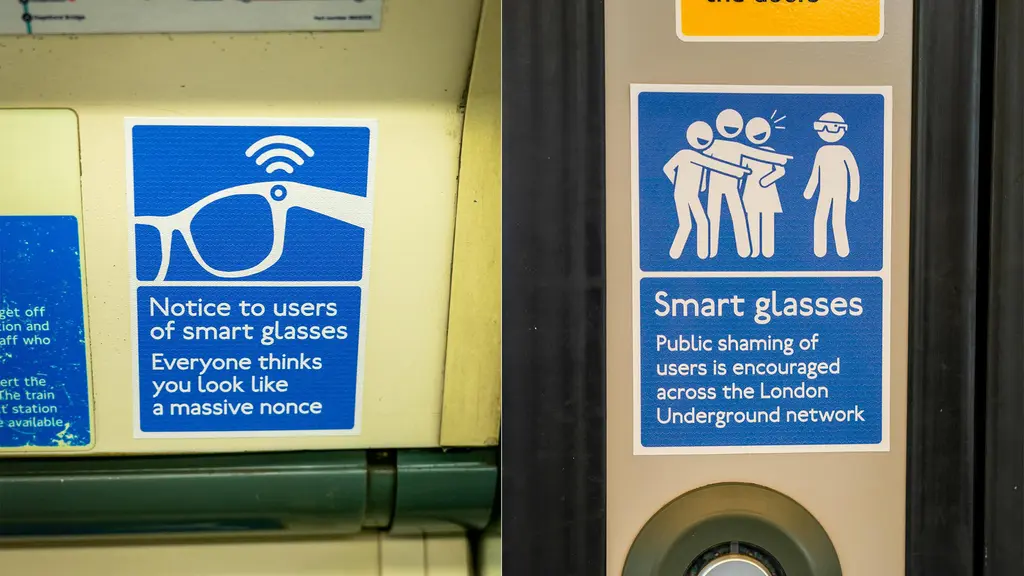
Activists slam “pervert glasses” in new guerrilla campaign
Everyone Hates Elon — Stickers have appeared on the London Underground network, criticising the wearable technology’s covert filming capabilities.
Written by: Isaac Muk

Behind the curtain at Alternative Miss World 1981
Olympia glamour — Running a subversive take on the traditional beauty pageant, the Andrew Logan organised event prioritised underground creativity and invention. Photographer David Corio went behind the scenes at its biggest edition.
Written by: Miss Rosen

Dan Lacey: “BMX is forever evolving”
Overground — Steph Pomphrey caught up with the two-wheel legend after his latest meet in east London, chatting about fatherhood, music and action sports within the outdoor industry.
Written by: Steph Pomphrey

The battle for the soul of lockpicking
Under locksport and key — In recent years, breaking locks for fun has grown from a niche hobby into an activity followed by millions of people. As it has matured, so have tensions over who sets the rules.
Written by: Jack Dennison-Thompson

New exhibition highlights British radical living over 200 years
Earthly Paradise — Taking place at the William Morris Gallery, it explores the homes and lives of artists, writers, musicians and more, as well as the conditions that allowed them to thrive.
Written by: Isaac Muk


