Why we disrupted the Snooker World Championships
- Text by Just Stop Oil
- Photography by PA Images / Alamy Stock Photo

One of the first questions we get asked after an act of cultural or sporting disruption is why that particular event? Why that sport? Why that work of art? What has Dippy the Dinosaur ever done to you? What have Van Gogh’s Sunflowers got to do with climate breakdown?
So, predictably, after last night’s explosive action at the World Snooker Championships, similar questions started pouring in from the media. Why snooker? What has snooker ever done to you? What’s the connection with climate change?
One immediate answer would be: why not snooker? Why should any cultural expression be outside the domain of climate action? Nothing is safe from climate breakdown. No-one gets a pass from the collapse of the life systems that make human society possible in the first place. You can’t sit comfortably and spectate while life breaks down around you: this crisis makes neutrality impossible.
🎱 NEW OIL AND GAS WILL SNOOKER US
— Just Stop Oil (@JustStop_Oil) April 17, 2023
🦺 At around 7:20pm, two Just Stop Oil supporters have disrupted the World Snooker Championship at the Crucible Theatre in Sheffield, interrupting play. The pair proceeded to cover the tables in orange powder paint before being removed by… pic.twitter.com/xWJXjW82jf
Because the threat doesn’t distinguish between legitimate and illegitimate targets, nor do our actions. When our supporter leapt onto the table and exploded his packet of orange paint, he was breaking the illusion of safety many in the Global North have as the impacts of climate catastrophe continues to mainly be felt in the Global South. His action told a very clear story that no-one, nowhere, is safe from the chaos we face if the Government presses on with its criminal policy of licensing new oil and gas.
This sense of unpredictability, of chaos, is what we most urgently need to communicate right now. We know that, without radical change, catastrophe will accelerate and intensify. But we don’t know when or where it will strike. Our snooker action captured exactly this sense of randomness and instability: disruption that could break out at any time, in any place. It’s the reality we’re facing, and we need to create forms of storytelling and communication that help people feel it viscerally.
Actions like the one carried out at the snooker also pose hard questions about where we attribute meaning and value. Snooker fans, just like art lovers, feel deep passion for their interest. We get that – in fact, we disrupt these cultural expressions to leverage the very passion they inspire. By honing in on these symbolic and cultural hotspots, we show how everything we cherish really is under attack.
Right now, we need to radically re-orient our sense of value to the life-support systems which make our passions and interests possible in the first place. What’s the point of caring about sport or art, if you don’t act to protect the climate stability on which they depend? And by leaping to the defence of snooker in this particular instance, are you really saying it’s more sacred than the right to eat, to have a safe home, to live?
Another crucial reason for targeting apparently random sporting and cultural events is to fill the abyssal gaps in British media coverage of the climate crisis. Day in, day out, we get stories on the Royals or the latest wellbeing trends – with precious little on the greatest threat humanity has ever faced. The Daily Mail recently gave a huge headline to a row over a parking space, squeezing its IPCC coverage, warning of ‘humanity on the brink’, into the bottom corner of the page. This is as criminal as the Government’s own expansion of fossil fuels – it’s deliberately deflecting people’s attention from the biggest threat they’ve ever faced.
So when a protestor creates a moment of massive disruption, shattering expectations, especially in the very hushed, codified world of the snooker hall, the media can’t get enough. It’s drama, theatre, storytelling – emotionally visceral, pulse-racing stuff. The enquiries flood in; Just Stop Oil’s message is suddenly everywhere. This morning, spellbound by the image of the young man taking back his right to live in clouds of orange paint, hundreds of thousands of readers are seeing the key messages that have largely been withheld from them: ‘no new oil and gas’, ‘new oil and gas is a death sentence’, ‘this is the greatest criminal act in human history’.
Because these messages are real and true, they carry a force that no amount of lying and deception can counter. Once they’re out in the world, they will take on their own momentum – germinating, building, creating tipping points for transformation and radical change.
The more unexpected, the more unpredictable the disruption, the greater the impact. So we can see that the question itself – ‘Why snooker?’ – contains the answer. If people are mystified, shocked, intrigued, they are also engaged, curious, attentive. It’s in these sudden openings, the overnight creation of new channels of communication, that reality can dawn and change can begin.
In moments of emergency, we must stand up and be brave, we must stand up for good over evil, life over death, right over wrong. Just Stop Oil is calling on everyone to pick a side. Either you are actively supporting civil resistance, fighting for life, or you are complicit with genocide.
The time is now. Join us and slow march, while you still can. Our indefinite campaign of civil resistance begins on April 24th and will not end until our government ends new oil and gas.
Visit our website to join us in civil resistance at Just Stop Oil.
Enjoyed this article? Like Huck on Facebook or follow us on Twitter.
You might like

Just Stop Oil don’t need you to like them
Not here to be loved — The hate and vitriol Just Stop Oil faced after throwing soup over a Van Gough painting has been immense. Here, one of their members explains why it won’t deter them.
Written by: Anna Holland
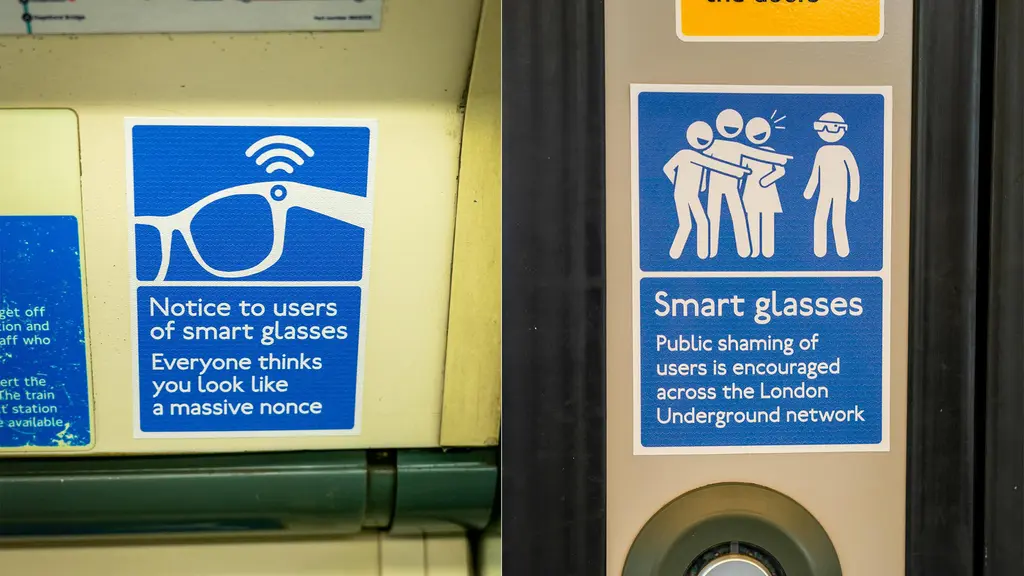
Activists slam “pervert glasses” in new guerrilla campaign
Everyone Hates Elon — Stickers have appeared on the London Underground network, criticising the wearable technology’s covert filming capabilities.
Written by: Isaac Muk

New exhibition highlights British radical living over 200 years
Earthly Paradise — Taking place at the William Morris Gallery, it explores the homes and lives of artists, writers, musicians and more, as well as the conditions that allowed them to thrive.
Written by: Isaac Muk

Pink Floyd’s Roger Waters joins team of new Palestinian resistance documentary
Freedom Theatre — Directed by Rishi Pelham, the film spotlights a theatre operating in the Jenin refugee camp.
Written by: Ella Glossop

Just Stop Oil holds first protest in 17 months
No new drilling — Having previously said that it was “hanging up the hi-vis”, the climate activist group has blocked a road outside Parliament to protest Andy Burnham opening the door for new oil and gas extraction licenses in the North Sea.
Written by: Ella Glossop

In photos: The enduring resistance of Notting Hill Carnival
Carnival of Resistance — A new photobook by Wayne Campbell and Wayne Crichlow reflects on the protest beginnings of Europe’s biggest street festival, along with the traditions keeping its original spirit alive today.
Written by: Isaac Muk


