London’s bike couriers channel the miner spirit and rally for living wage
- Text by Robin Nierynck
- Photography by Margaret Dewhurst

London bike couriers staged a protest against courier company CitySprint’s notoriously low wages earlier this week, June 9, with many claiming they earn under the minimum wage and receive no benefits or insurance, while working in dangerous conditions.
A courier named Paul, 20, says: “Cycle couriers are notorious for being poor. We’re not insured, and we often get injured. We all put money in a pot so that we can help riders who, for example, have broken a leg and are in financial hardship. The companies don’t pay any of that.”
Green Party leader Natalie Bennett made an appearance and gave a speech, later tweeting that the workers in the street are a sign of things to come. The Green Party has been fiercely campaigning for a £10 minimum wage by 2020.
The living and minimum wage campaigns have been central issues of social and economic reform, affecting workers across the UK and beyond. The fight for a $15 minimum wage in the United States has been a point of contention in the upcoming Presidential election, sparking protests across the country.
Concerning CitySprint’s low pay, Maggie, 27, a bicycle courier, explains the need for the £9.15 London living wage: “Because we earn money per job, not per hour, we need the base rates to be increased so it’s easier to survive in this expensive city.”
David Adams, 20, a courier from North London, says: “Personally, when I checked my last 10 payslips – that’s a week’s pay – I didn’t even earn £8 per hour. On top of that, they take fees off, so in the end it was less than £7 per hour, that’s not even minimum wage.”
“City sprint are notoriously anti-unions,” Maggie says. “They keep everyone self-employed so that it’s hard to unionise. But people are desperate.” The pushbike couriers have joined the Independent Workers Union of Great Britain, forming their own courier branch, through which they are pressuring their employers.
Regardless of CitySprint’s response, the foundations of change have been laid, says Uma, 24, another CitySprint courier. “It’s the start of something, you know. The industry doesn’t change in a day. If you look at history, revolutions began on the ground. This is where it all starts.”
You might like
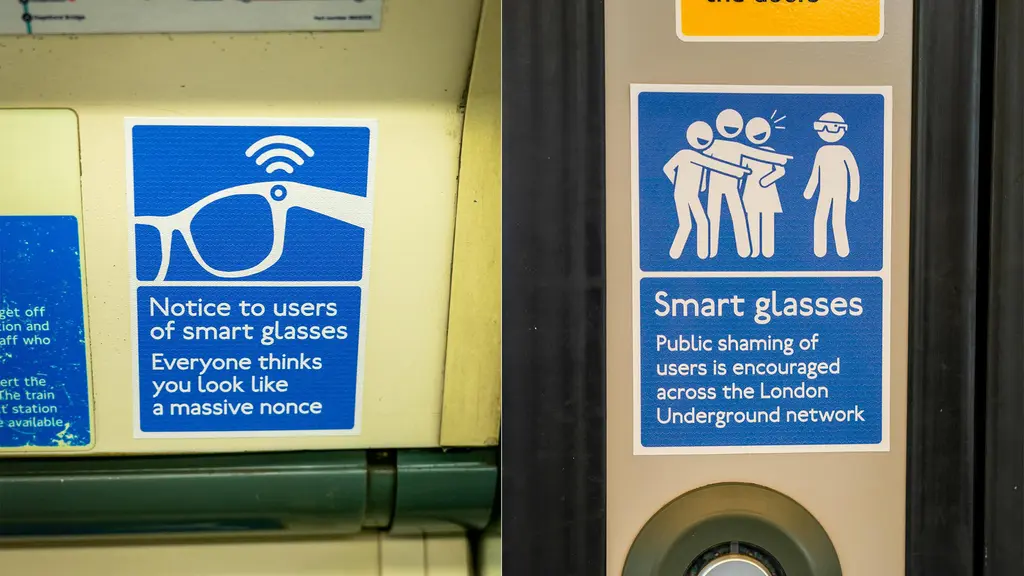
Activists slam “pervert glasses” in new guerrilla campaign
Everyone Hates Elon — Stickers have appeared on the London Underground network, criticising the wearable technology’s covert filming capabilities.
Written by: Isaac Muk

New exhibition highlights British radical living over 200 years
Earthly Paradise — Taking place at the William Morris Gallery, it explores the homes and lives of artists, writers, musicians and more, as well as the conditions that allowed them to thrive.
Written by: Isaac Muk

Pink Floyd’s Roger Waters joins team of new Palestinian resistance documentary
Freedom Theatre — Directed by Rishi Pelham, the film spotlights a theatre operating in the Jenin refugee camp.
Written by: Ella Glossop

Just Stop Oil holds first protest in 17 months
No new drilling — Having previously said that it was “hanging up the hi-vis”, the climate activist group has blocked a road outside Parliament to protest Andy Burnham opening the door for new oil and gas extraction licenses in the North Sea.
Written by: Ella Glossop

In photos: The enduring resistance of Notting Hill Carnival
Carnival of Resistance — A new photobook by Wayne Campbell and Wayne Crichlow reflects on the protest beginnings of Europe’s biggest street festival, along with the traditions keeping its original spirit alive today.
Written by: Isaac Muk

Tens of thousands gather to remember Jason Arday at London vigil
Stand Up to Racism — It took place in Trafalgar Square, with speakers paying tribute to the former Cambridge professor’s life and achievements, while calling for accountability over the reporting he faced from the mainstream press.
Written by: Ella Glossop


