Lost in the streets: a visual love letter to New York
- Text by Huck
- Photography by Jonathan Higbee

As a kid, Jonathan Higbee dreamed of New York City.
Growing up in Independence, Missouri – a satellite of Kansas City – during the ’80s, life was often tough. “I don’t want to be mean to it, but it certainly wasn’t an easy place to live,” he remembers.
“We moved around a lot, mainly because of money. My mom and my stepdad went between jobs all over the region, so we bounced between living with my mom’s parents and different apartments.”
But New York offered escapism. Camped out in front of the TV, Higbee would spend hours watching various different talk shows filmed in the city, many of which provided a platform to the LGBT community that simply didn’t exist in his hometown.
“I remember paying attention when a queer person would come on. We had nothing like that in Missouri,” he says. “I knew that I was something like that and tried to ignore it, because I thought I was weird, different, unusual.”
“But when I saw these people on these talk shows speaking so vividly – and the talk show host typically being warm and receptive to them, and my mom being chill watching them – it really seemed like New York was a welcoming place, where I could go and be myself without feeling like an alien.”
In that sense, photography was somewhat similar. During family events, Higbee would quickly co-opt the cameras brought over by his aunts and uncles, infatuated by the idea of capturing memories and disappearing inside them. On his eighth birthday, he received a camera of his own – a Polaroid 600 – and carried it around with him everywhere.
During his teenage years, however, life got in the way. As he experimented with other creative outlets – art, theatre, design and, most significantly, writing – photography found itself on the backburner. At college, he studied Media Communication, before landing himself a “dream job” as an editor at Instinct, a gay men’s lifestyle magazine based out of Los Angeles.
“I thought writing was the way my life was going to go. But as time progressed and the world changed, Instinct needed to be creative with its budget. A lot of stories I was assigned, I’d need to be the photographer as well as the writer. I was like, ‘Yes, I used to love this, let’s give it a go.’”
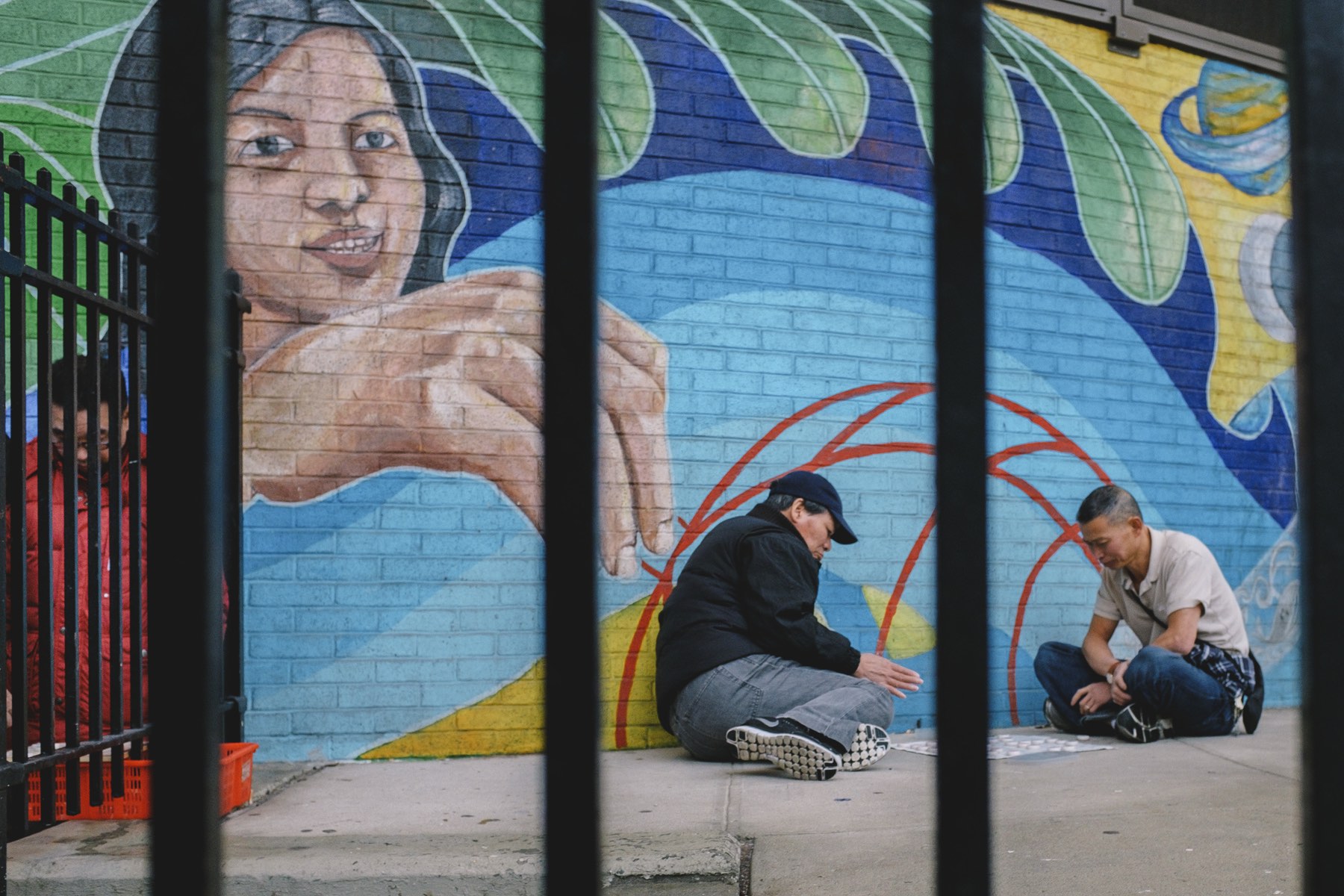 At around the same time, Higbee had also secured his move to New York, relocating to Instinct’s NYC branch. As he began to shoot more and more, living in the city that he was “infatuated by”, it felt as if everything was falling into place.
“It wasn’t even a slow gradual progression from photography overtaking my interest in the written word. It was pretty hardcore head-over-heels. All I wanted to do, almost immediately, was photograph. So that’s what I did.”
That was around five years ago. Today, Higbee counts himself as a photographer who’s worked across documentary, fine art and commercial. He won the World Street Photography grand prize in 2015 and the LensCulture Street Photography Award the following year, while 2018 saw him named a Masselblad Masters finalist.
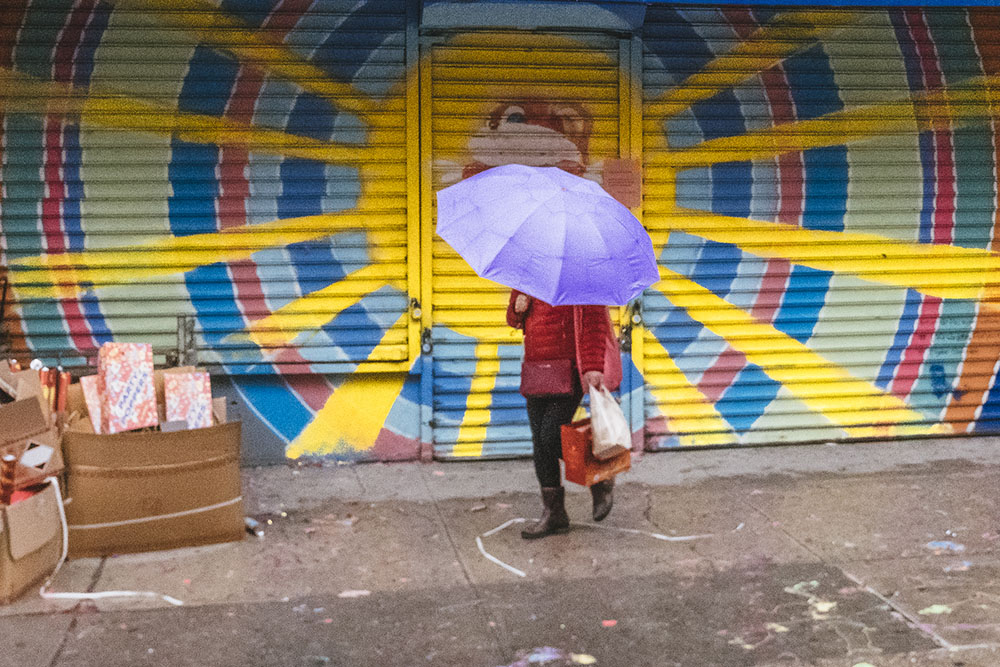
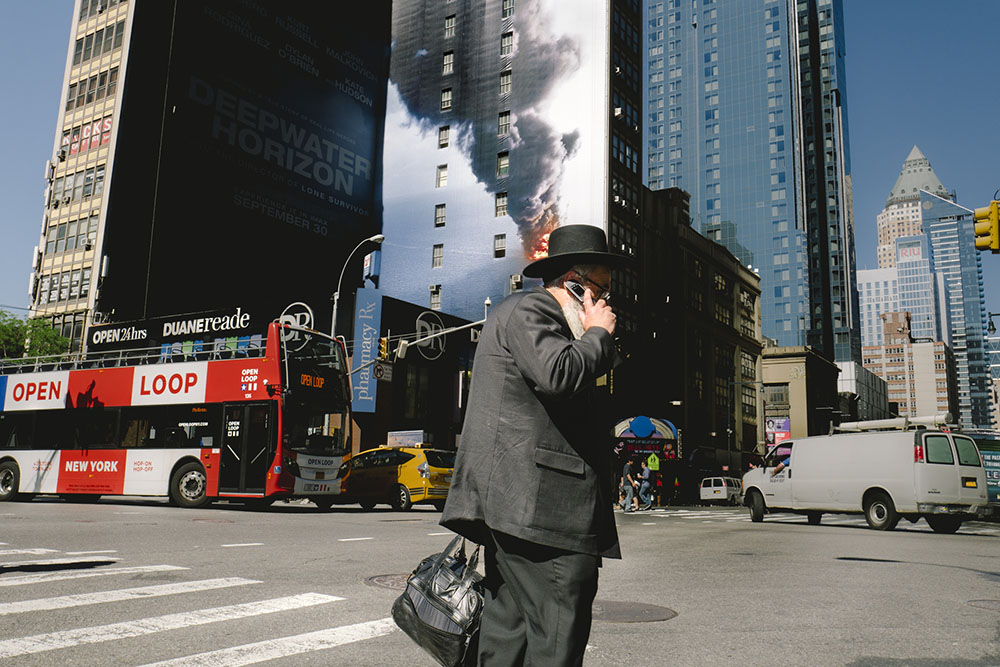
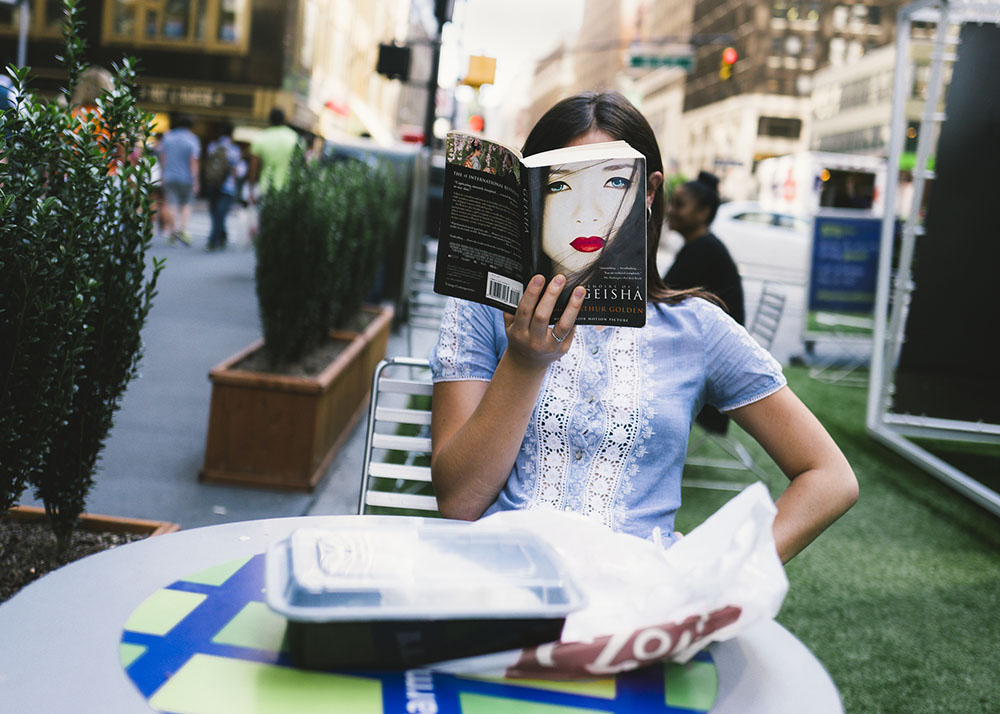
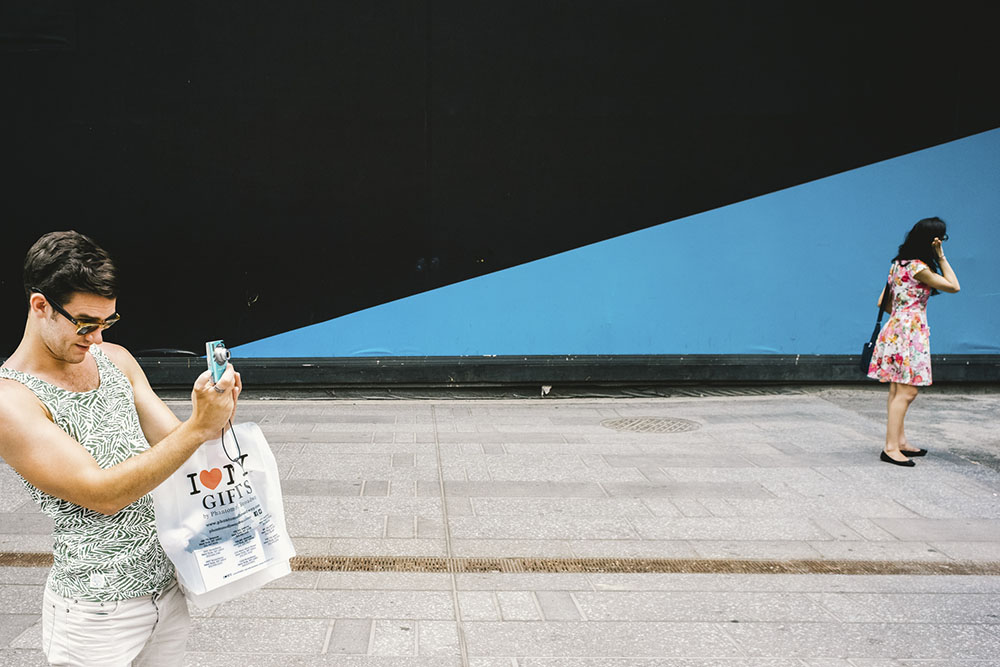
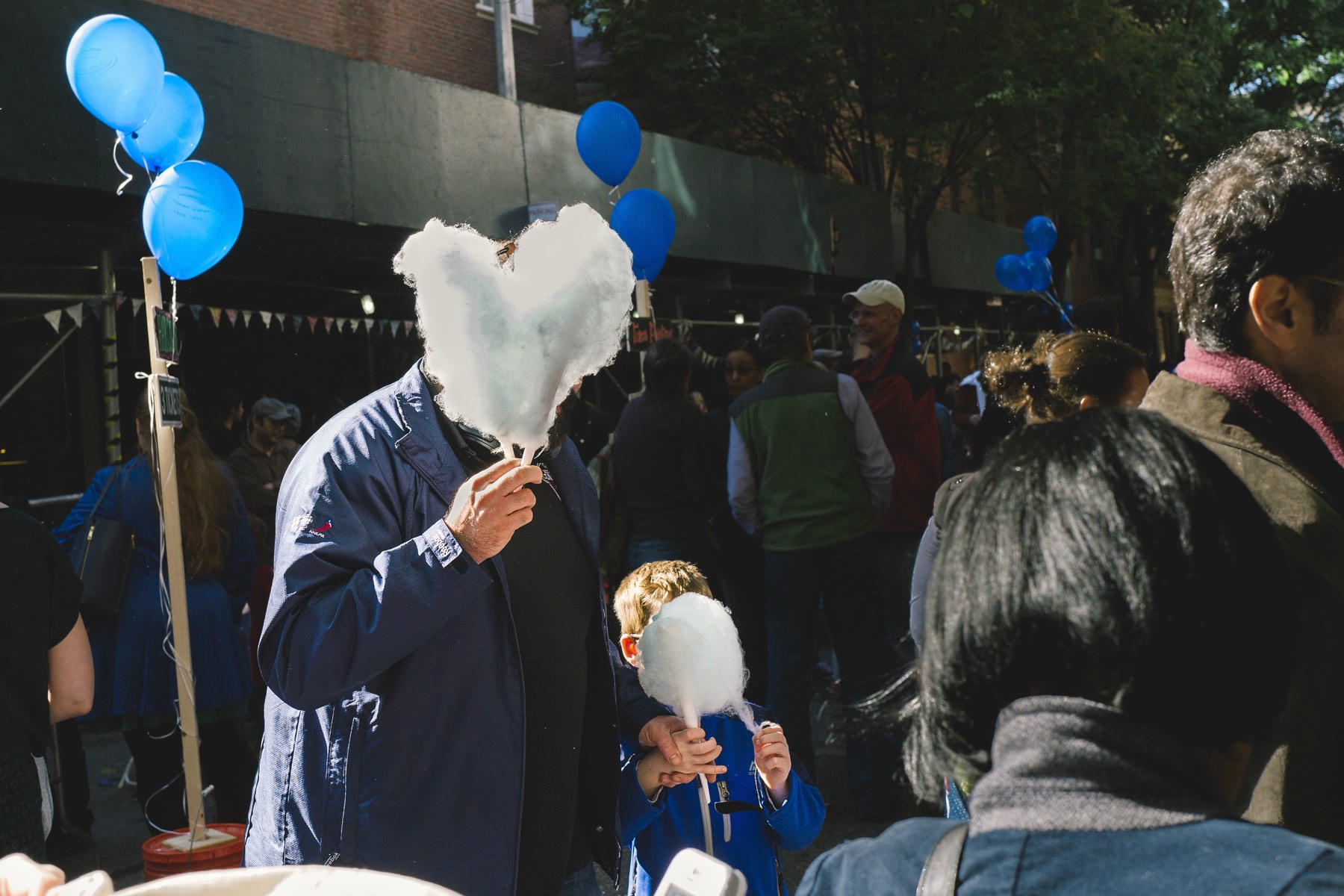
In a move that feels suitably full-circle, his first monograph, Coincidences, serves as a love letter to New York City. Featuring images captured over the course of his time there, the book sees Higbee seeking out moments of joy and serendipity among the whir of daily life in his adopted home.
For Higbee, the work represents his journey from naive Southern kid to fully-fledged New Yorker. The camera, in that sense, operates as a tool for distilling the environment around him. It’s about paying tribute to the place, but also learning to understand it too.
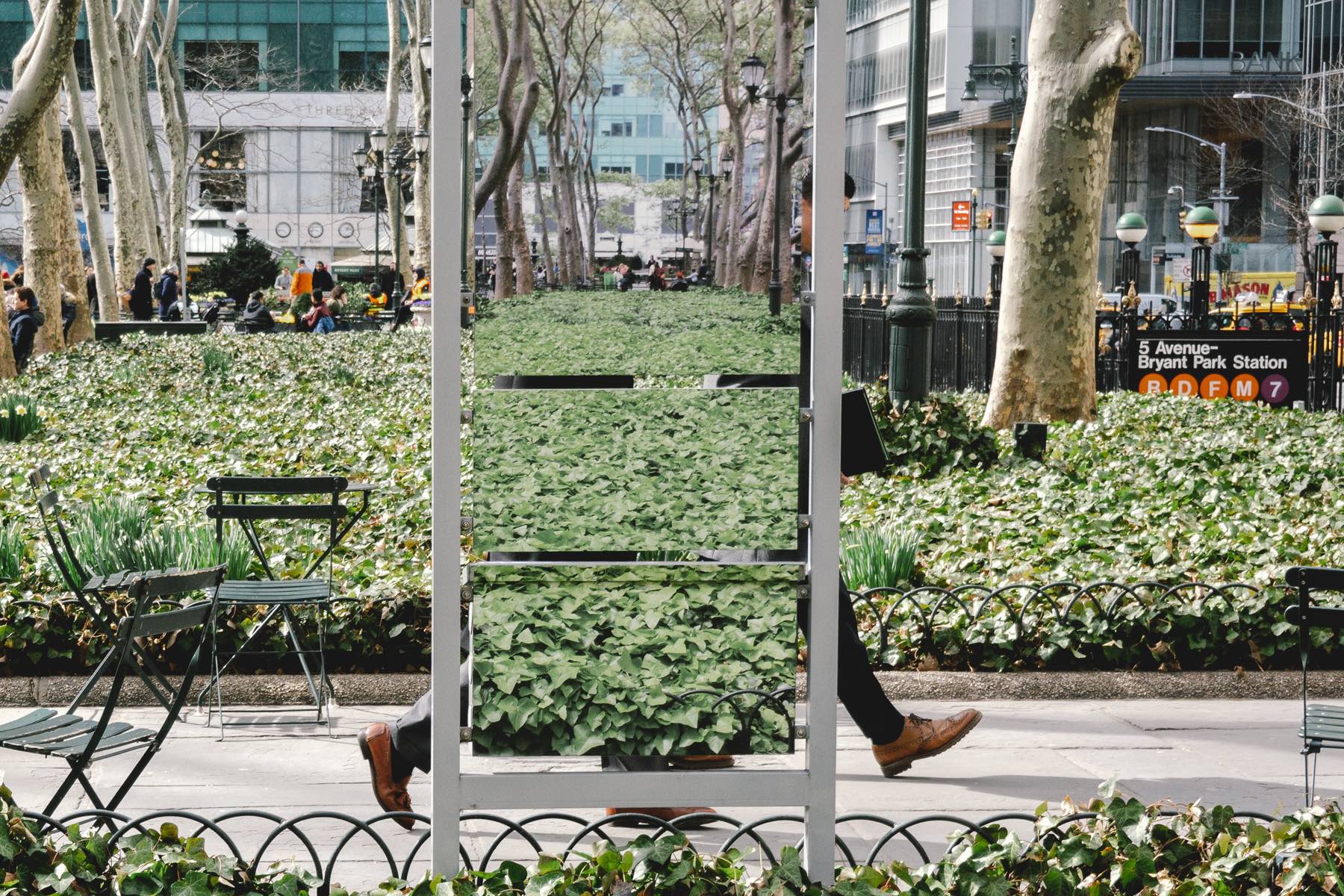
“Whenever I return to New York after being away, I think, ‘What is it that makes this so special?’ It’s that I have that decades-old emotional tie to the city – of it being a refuge for people who may find they’re different than the other people in their communities. It’s a place to escape to, a place to find yourself. I can’t break that bond.”
“But there’s just something about walking around endlessly in it too. Whether it’s Lower Manhattan, the lower East Side, or somewhere else, there’s just something about being able to get lost in the city – lost in yourself – and the sense of exploration that comes with that. I don’t really feel that anyone else.”
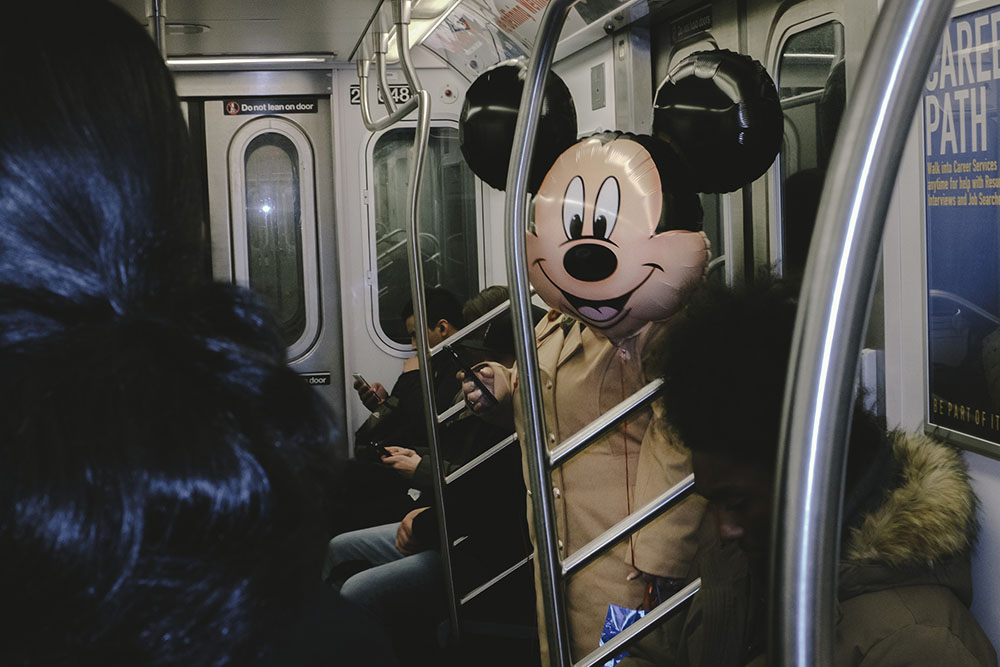
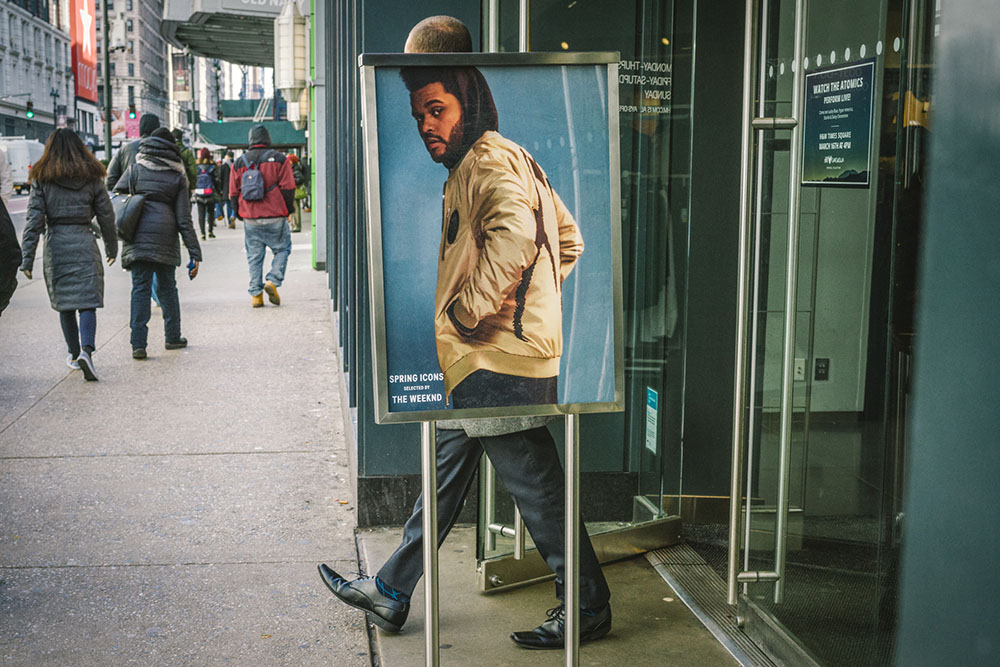
Coincidences is out now on Anthology Editions.
Enjoyed this article? Like Huck on Facebook or follow us on Twitter.
You might like

Jesse Glazzard’s messy portrait of queer friends, lovers and chosen family
The Sound of Dirt and Beauty — The photographer’s debut monograph explores tender, unpolished moments shaped by the people who he surrounds himself with, while offering a window into the UK’s working-class LGBTQ+ community.
Written by: Sunny Sunday

Behind the curtain at Alternative Miss World 1981
Olympia glamour — Running a subversive take on the traditional beauty pageant, the Andrew Logan organised event prioritised underground creativity and invention. Photographer David Corio went behind the scenes at its biggest edition.
Written by: Miss Rosen

New exhibition highlights British radical living over 200 years
Earthly Paradise — Taking place at the William Morris Gallery, it explores the homes and lives of artists, writers, musicians and more, as well as the conditions that allowed them to thrive.
Written by: Isaac Muk

What life on the Strait of Hormuz is really like
Southern Winds — Bandar Abbas based photographer Morteza Niknahad has been capturing the diverse communities and stories of his local region since he first picked up a camera. His new series highlights the human impact of war.
Written by: Isaac Muk

Nick Haymes’s intimate portrait of his family’s life
Chronograph — Over 25 years, the photographer documented his son’s lives as they grew into adults. The resulting photobook is an exploration of the passage of time, as well as the optimism of youth.
Written by: Miss Rosen

Kristina Rozhkova’s scatty, confronting portrait of captivity
Gut Feeling — The Russian artist’s 2024 arrest and subsequent detention opened her eye towards the omnipresent dynamics of power and control. Her new photobook is a stark exploration of being trapped.
Written by: Isaac Muk


