
New exhibition highlights British radical living over 200 years

Earthly Paradise — Taking place at the William Morris Gallery, it explores the homes and lives of artists, writers, musicians and more, as well as the conditions that allowed them to thrive.
A new exhibition coming to London will explore the radical people and places that have shaped contemporary Britain.
On view at the William Morris Gallery in Walthamstow between October 3, 2026 and March 28, 2027, Earthly Paradise: Radical Living in the UK, dives into the communities and conditions that have allowed art and activism to thrive over the past 200 years.
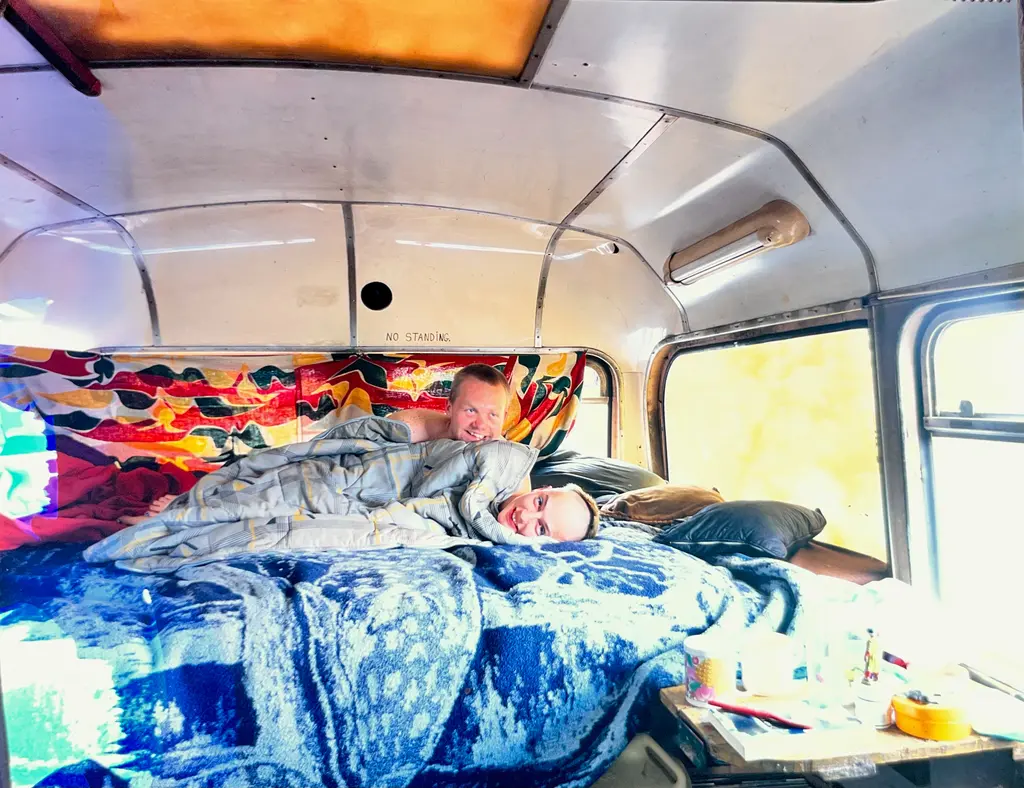
It focuses on the living spaces and homes that people living outside of mainstream society have occupied, including squats, communes and anti-racist housing movements that encourage alternative ways of thinking and existing.


The exhibition will feature photographs, objects, paintings, drawings and sound archives, featuring ephemera and work from the likes of Oscar Wilde, Lee Miller, Sunil Gupta and Martin Parr.
Through its themes and the works on show, the exhibition will raise questions about money and class within capitalism, and who has access to create and rebel. Photography from the 1990s onwards explores how rising rents and house prices, in the wake of the 1980 Right to Buy scheme introduced by Margaret Thatcher’s Conservative government, has changed our relationship with homes and the ability to create and think differently.
Earthly Paradise: Radical Living in the UK is part of Art Fund’s ‘Going Places’ touring exhibitions programme, which sees museums across the UK collaborate in sharing their collections with different local communities. It has been developed with Tŷ Pawb in Wrexham, Blackwell – The Arts & Crafts House in Bowness-on-Windermere and Dovecot Studios in Edinburgh.


“He was friends with gay men and women, anarchists and revolutionaries – and he lived radically in the ways that we see many other artists live through history,” he continued. “This show looks at how the home has acted as a site for challenging societal norms – what that has meant through history and what the possibilities are for this in today’s world.”
Earthly Paradise: Radical Living in the UK is on view at William Morris Gallery between October 3, 2026 and March 28, 2027.
Isaac Muk is Huck’s digital editor. Follow him on Bluesky.
Buy your copy of Huck 83 here.
Enjoyed this article? Follow Huck on Instagram and sign up to our newsletter for more from the cutting edge of sport, music and counterculture.
You might like

The last days of St Agnes Place, London’s longest ever running squat
Off the grid — Photographer Janine Wiedel spent four years documenting the people of the Kennington squat, who for decades made a forgotten row of terraced houses a home.
Sepia splashed memories of Britain’s ’90s squatting and free party scene
Bygones — Moving into a Hackney squat at the age of 19, Tom Hunter spent years living on London’s edges, while documenting the vibrant, creative community and culture that it enabled. Huck’s art director Sam White chats to him about the freedom that existed, the collectivism and what’s been lost over the decades since.

How Lee Miller revolutionized the role of women in photography
From model and industry darling to ground breaking war photographer Lee Miller blazed a trail that still inspires women to this day.

Remembering the radical anti-nuclear Greenham Women’s Peace Camp
Life at the Fence — In the early ’80s, a women’s only camp at an RAF site in Berkshire was formed to protest the threat of nuclear arms. Janine Wiedel’s new photobook revisits its anti-establishment setup and people.

Photos of friends, lovers and afters in Berlin’s party scene
Dreams and How to Keep Them – Vincent Wechselberger’s new monograph documents a decade of hedonism in the German capital, and the people he met along the way.

Inside the Los Angeles scene kid revival
The Rawring ’20s — For the cover of Huck 84, photographer Alexis Gross and writer Anna Zanes meet the latest faces of scene, who are finding freedom to express themselves through its technicolour, unafraid aesthetic.


