3D North Korea: Hypnotic photos of the secretive state
- Text by Jade Jackman
- Photography by Matjaz Tancic

North Korea courts intrigue. Bright, dreamlike propaganda might invite the same otherworldly curiosity as the front of a dystopian novel, but constant murmurings of rocket attacks and the sentencing of American teen Otto Warmbier to a labour camp for fifteen years for attempting to pinch a poster make the country’s presence in the world very real.
Last year, a BBC journalist was expelled from the country for ‘insulting North Korea’s dignity’, and with such repressive censorship laws very few images of real life in the country have found their way out. However, photographer Matjaz Tancic’s experience of the secretive state has been entirely different.
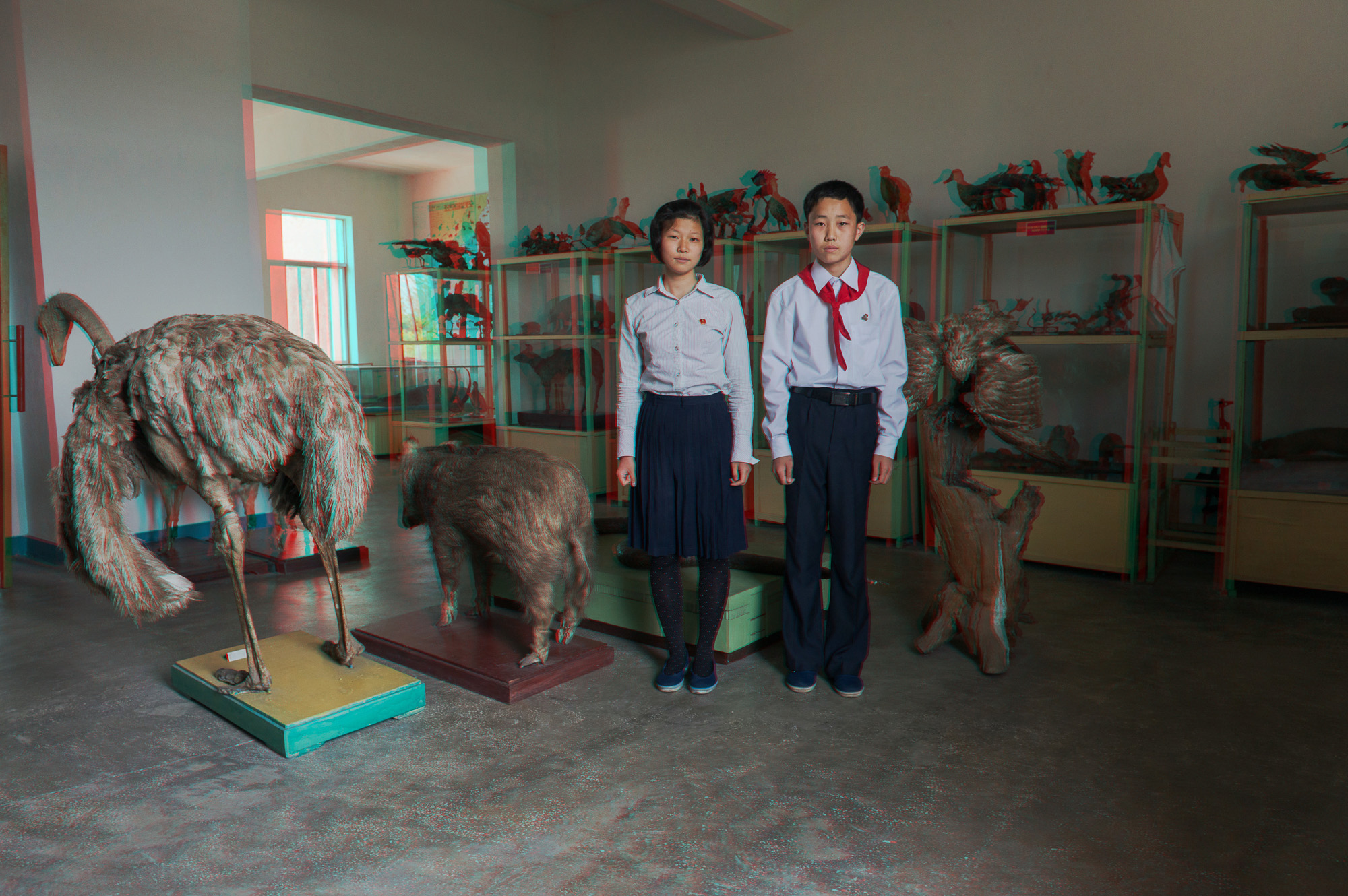
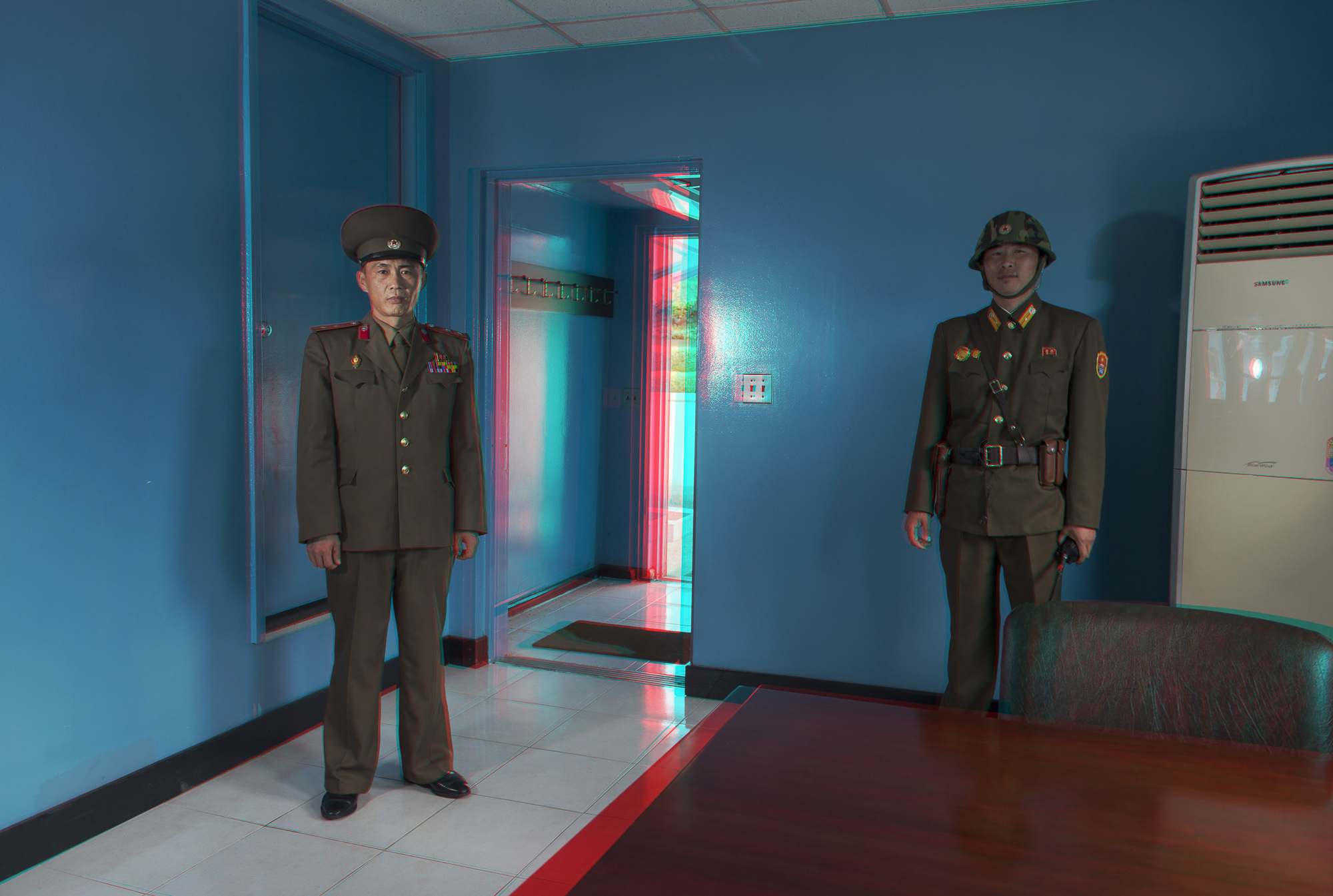
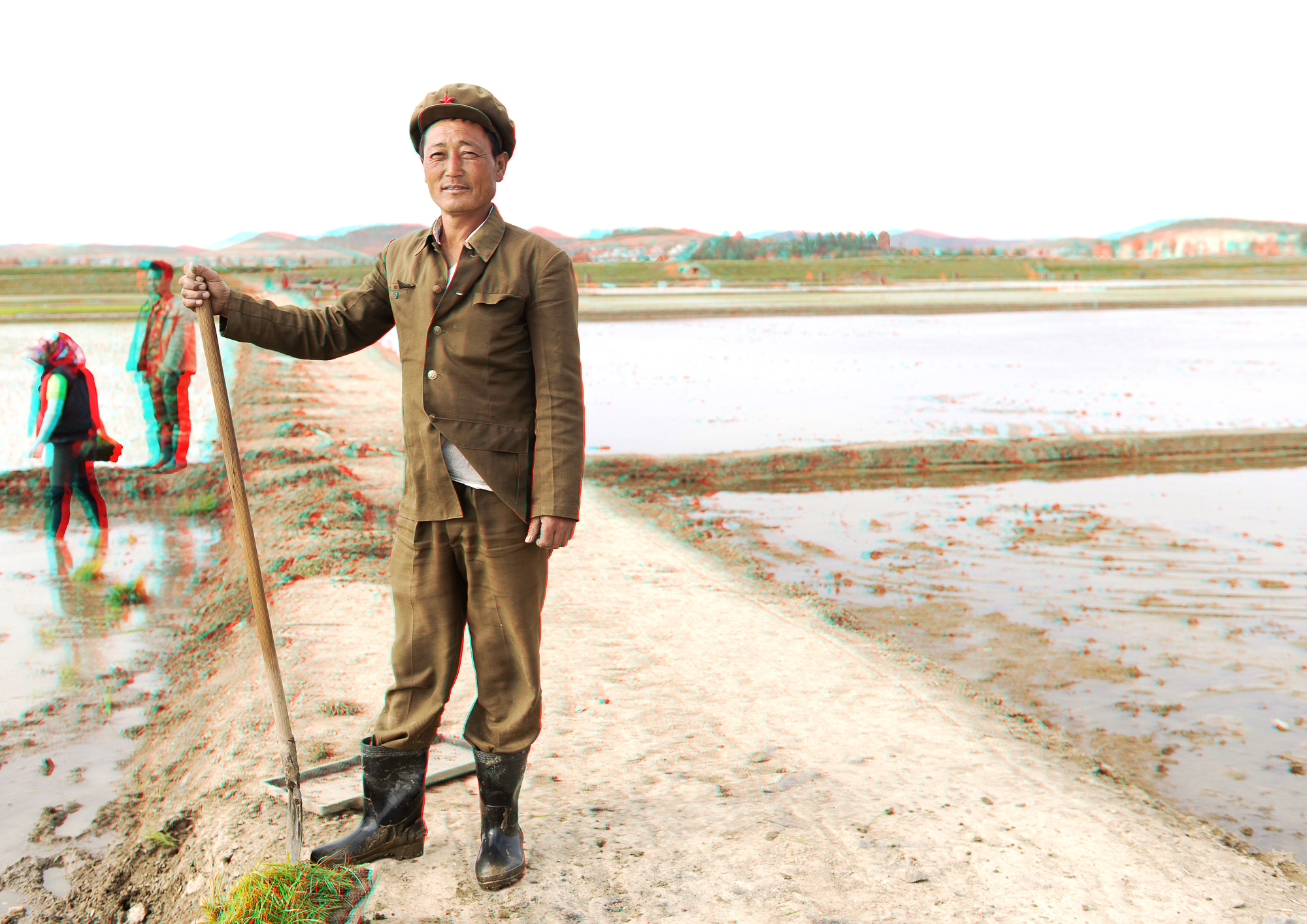
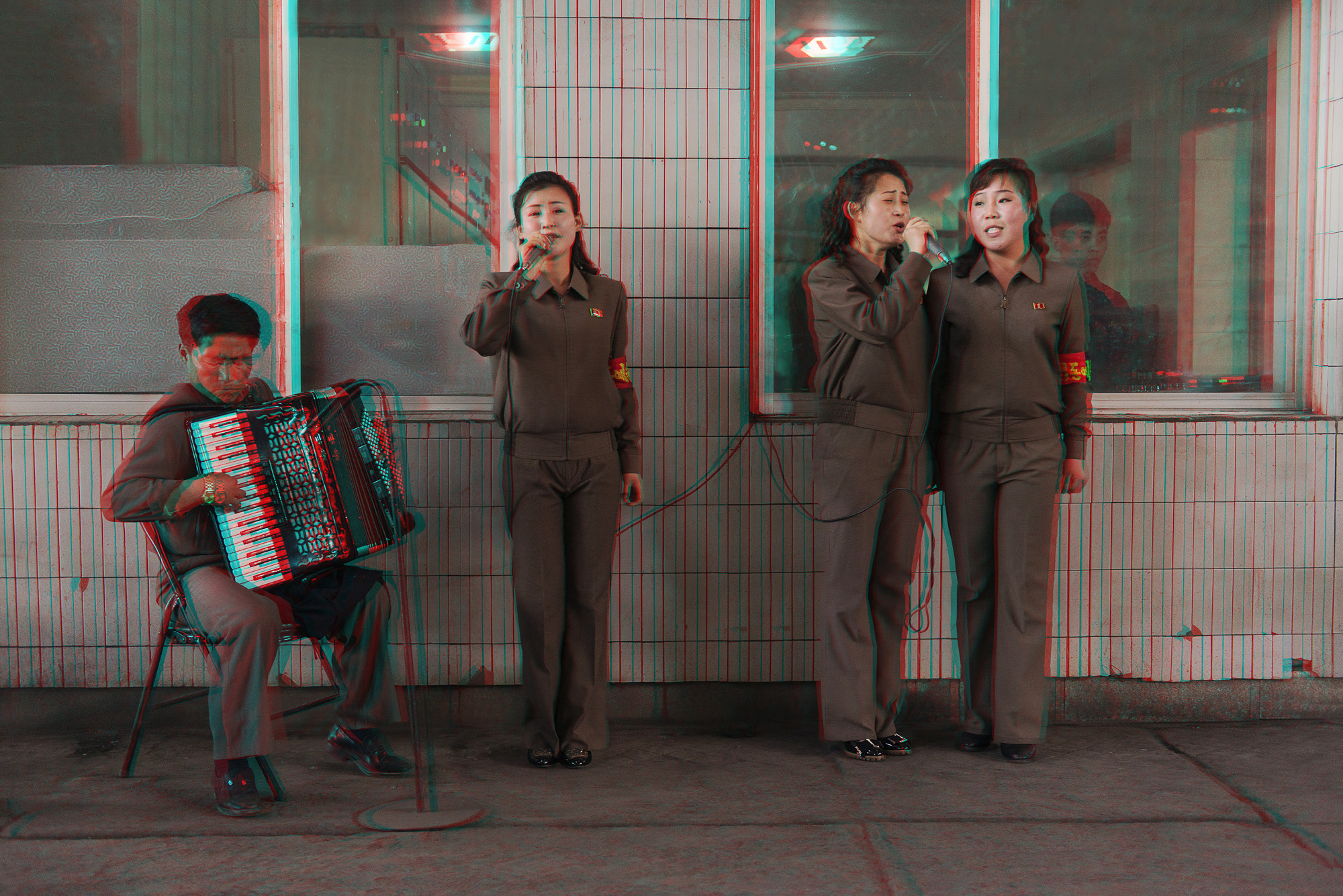
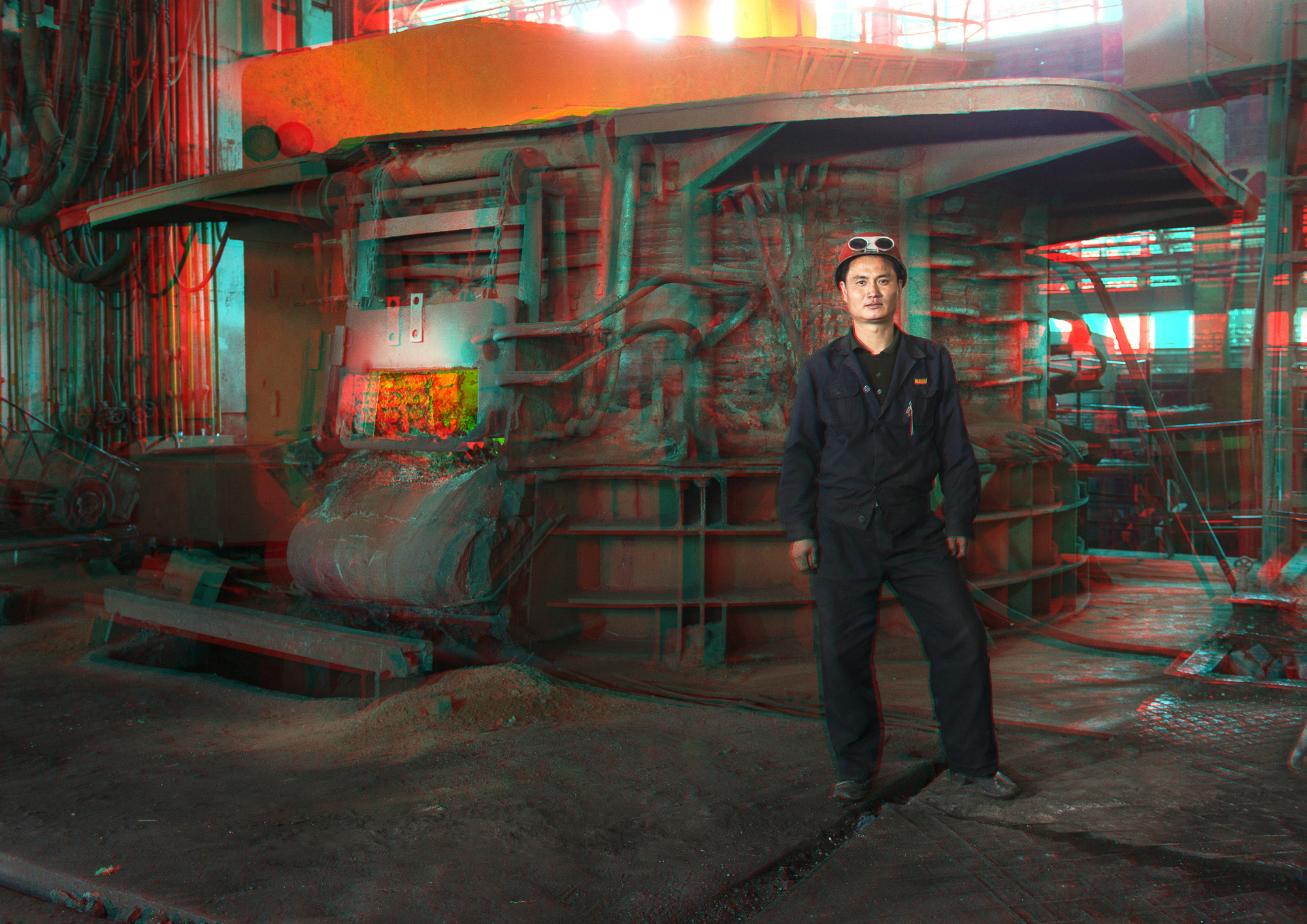
From the outset, his project was unusual. Interested in depicting everyday life of ordinary people, Tancic sought to look beyond the pomp and the politics when setting out to document life in the country. Even in his medium of photography, Tancic wanted to create an alternate vision, which he achieved by documenting the place in 3D, adding little before seen depth to our understanding of North Korean’s day to day life.
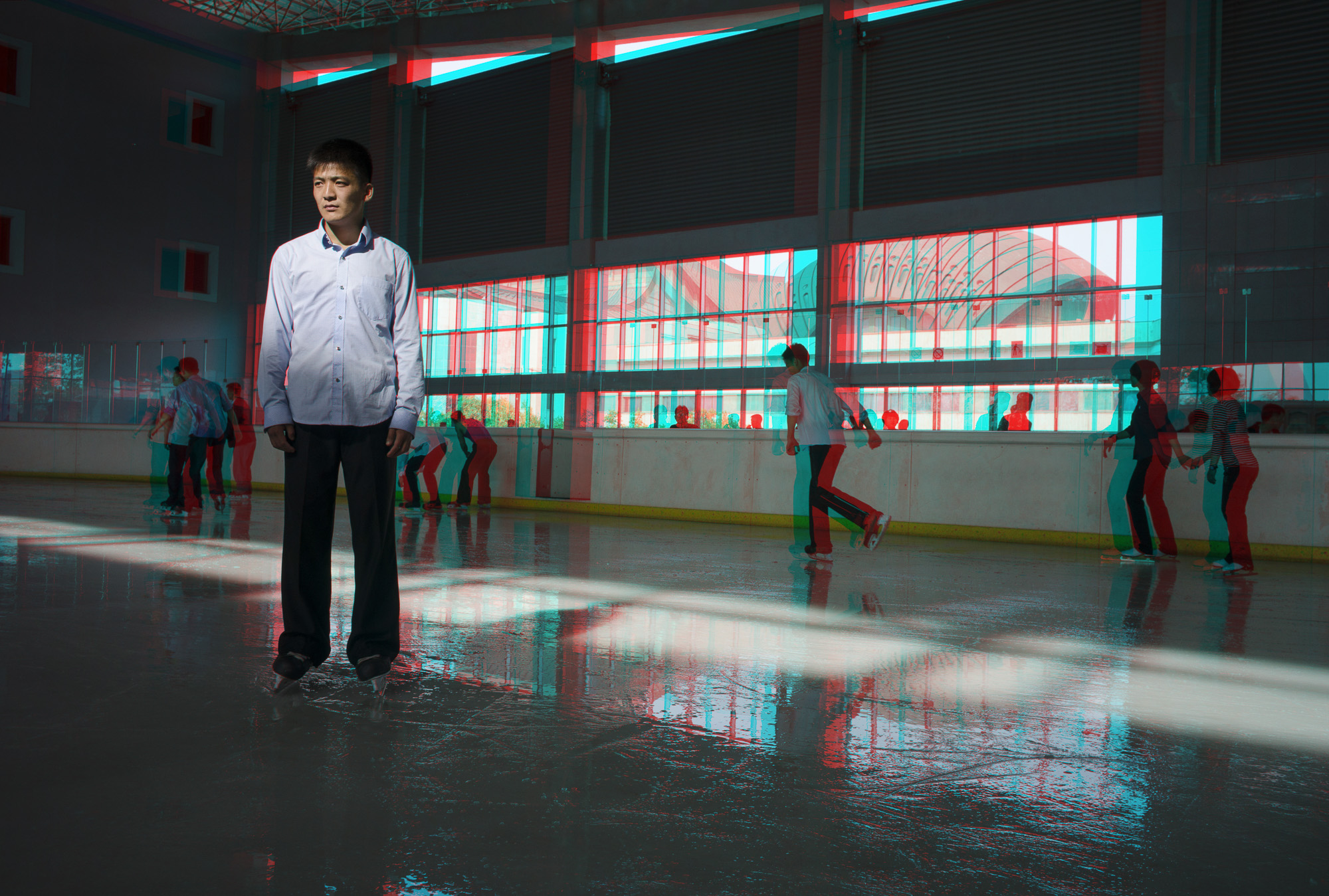
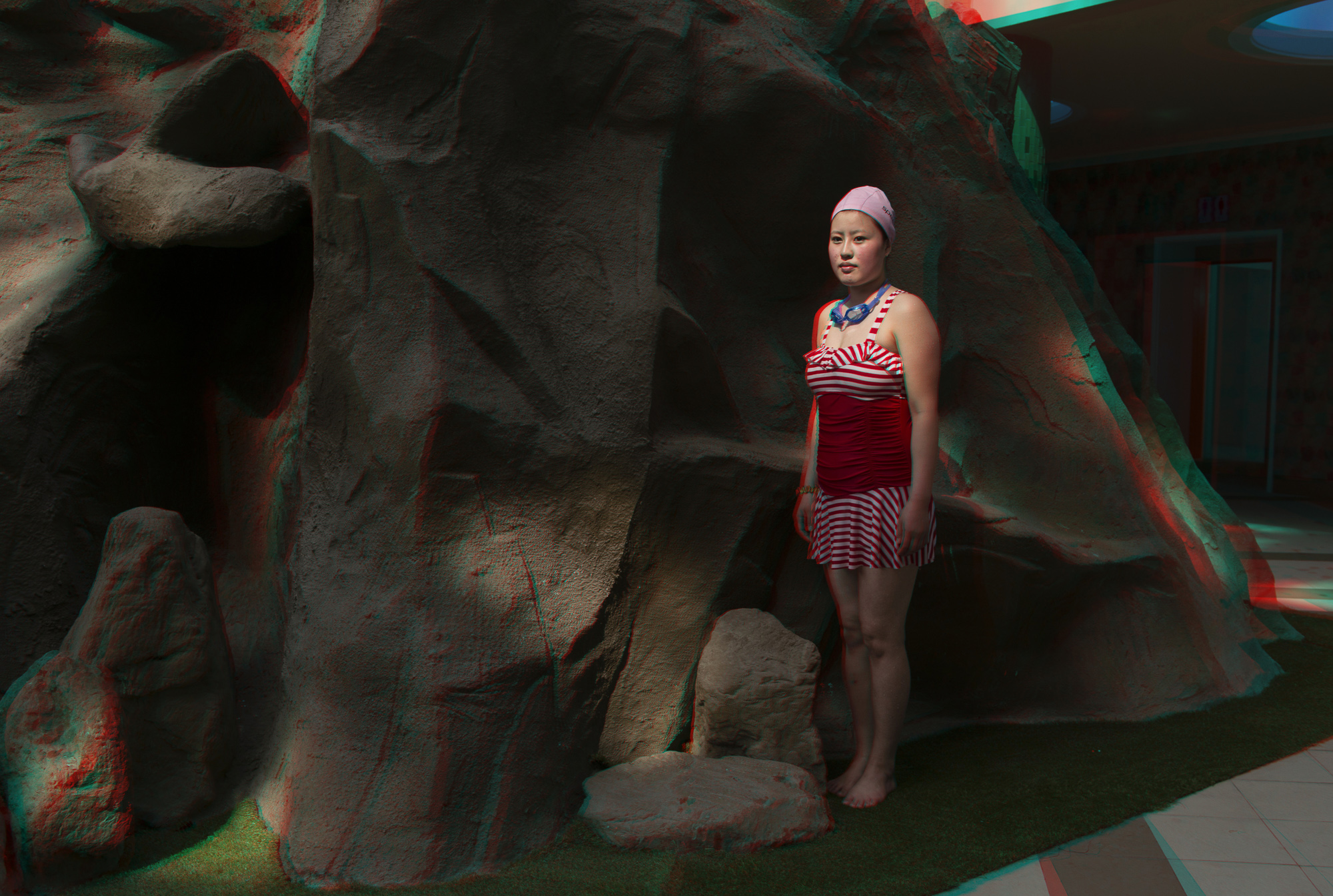
In fact, it was this unique approach that secured this unprecedented level of access. When most aren’t allowed to take photos, Tancic could move around with relative ease, dropping into different areas to speak to a variety of people. Not only did this give him a unique insight, it also brings out the stories and faces of normal citizens whose voices are otherwise are never allowed to leave the country.
“I did vast amounts of research ranging from North Korean propaganda to the Western anti-propaganda, so I had a vague idea of what to expect”, explains Tancic. “But in reality, there is nothing that can prepare you for it! The country is a perfectly preserved time capsule… you feel like you are time travelling! In general, I think my understandings have changed. Now, I have seen how ease it in to manipulate people with propaganda.”
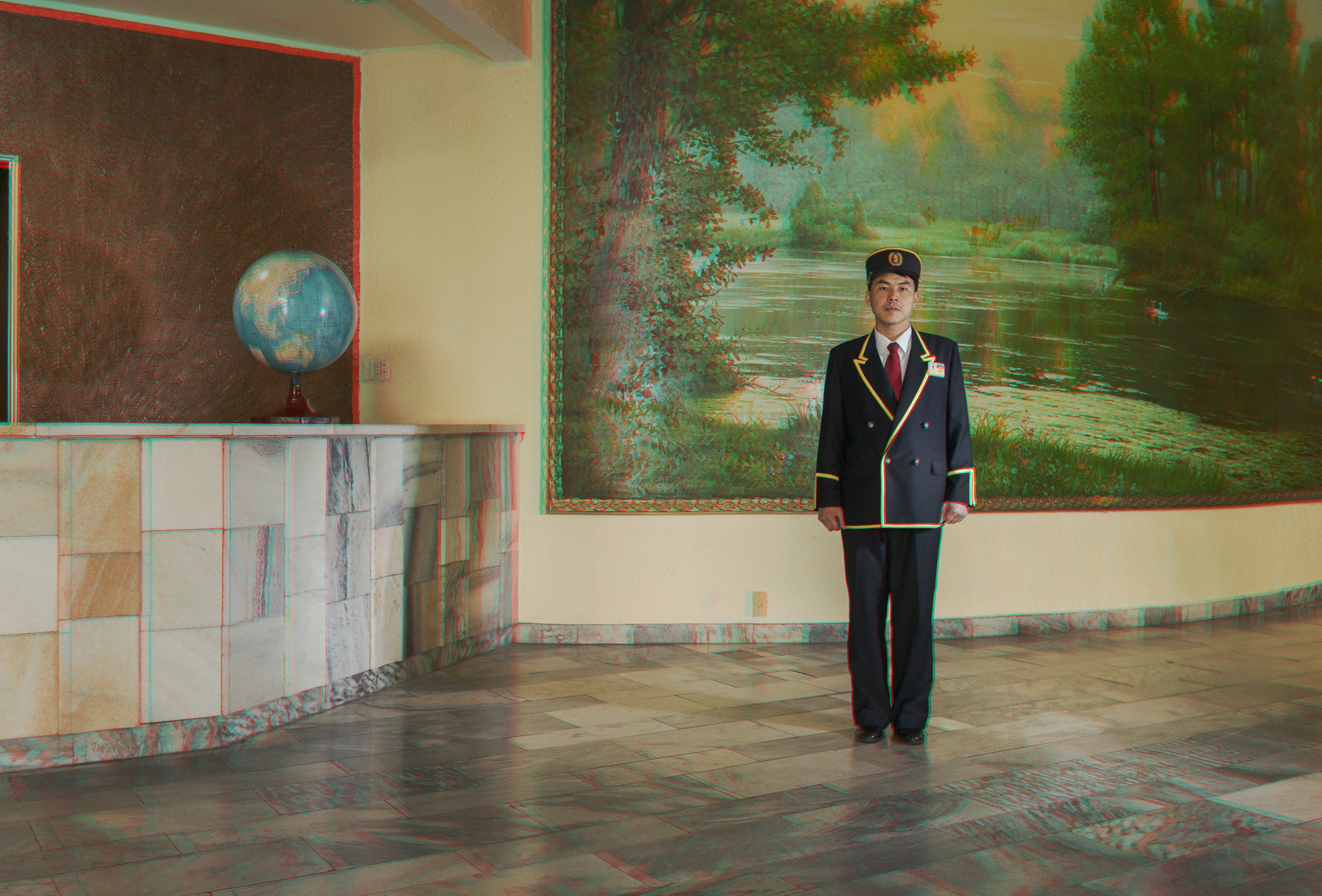
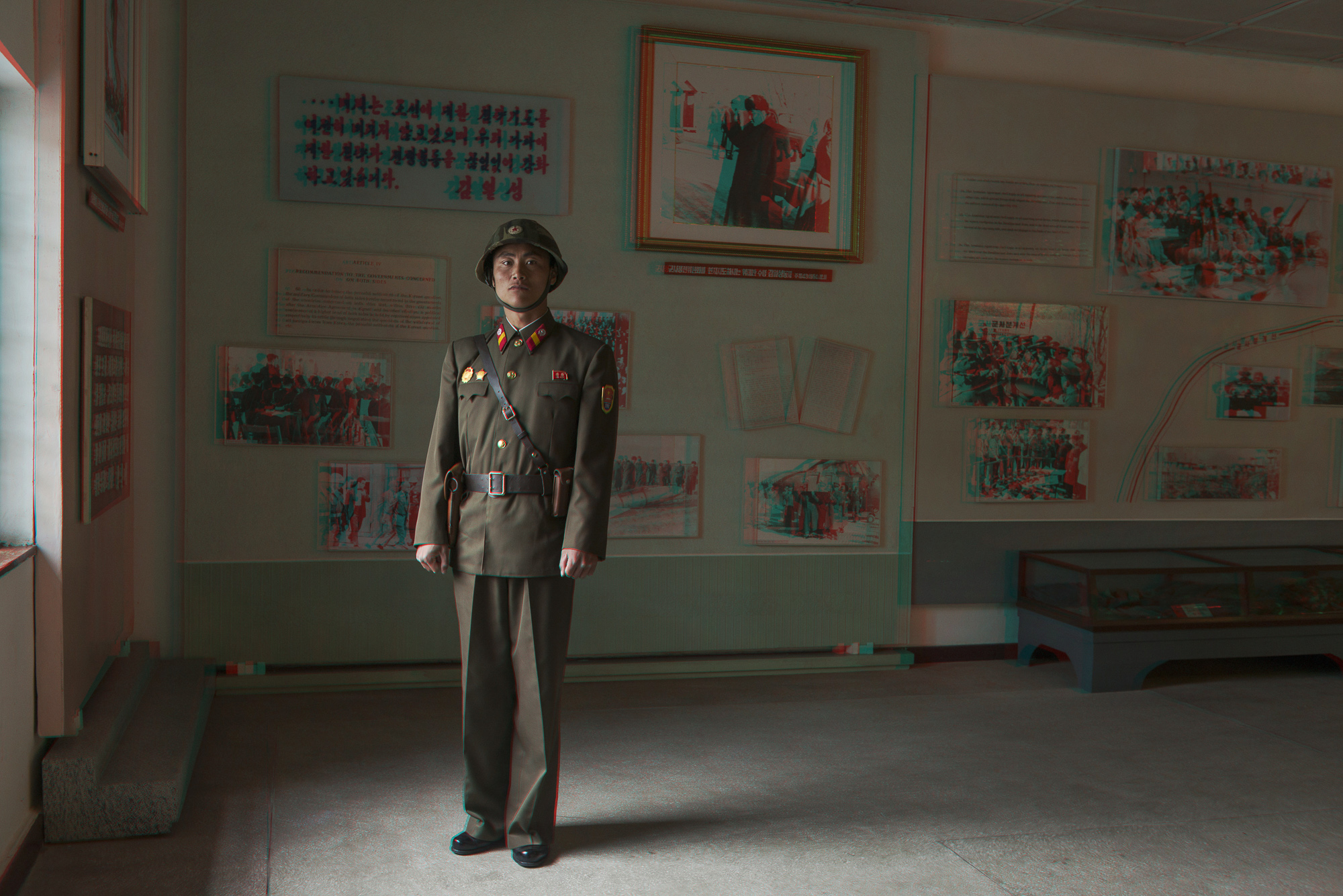
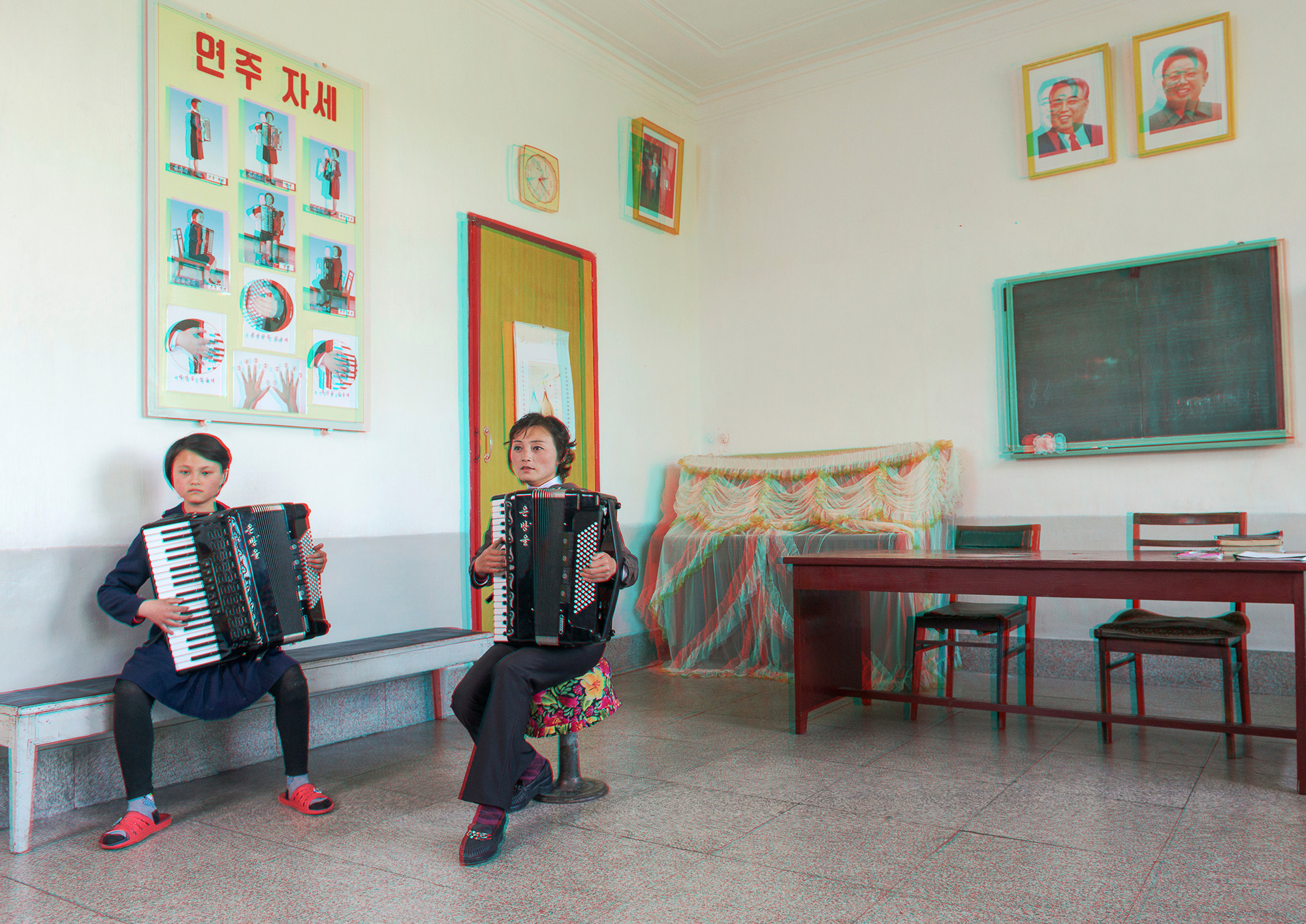
Tancic worked in collaboration with Koryo Studio, based in China, but they’ve been working and promoting the works of artists from North Korea for over 20 years. “They liked my work and asked if I would want to join them on a project in the country”, says Tancic. “Naturally, I was thrilled.”
It took about eight months of back and fourth emails and negotiations, but finally the team were given the all clear.
“In a way, the Government has shaped and controlled everything”, suggests Tancic. “Everything from how the place looks and how the people look. As it is so deeply embedded, it isn’t possible to photograph outside these attitudes so it will always be part of the work.”
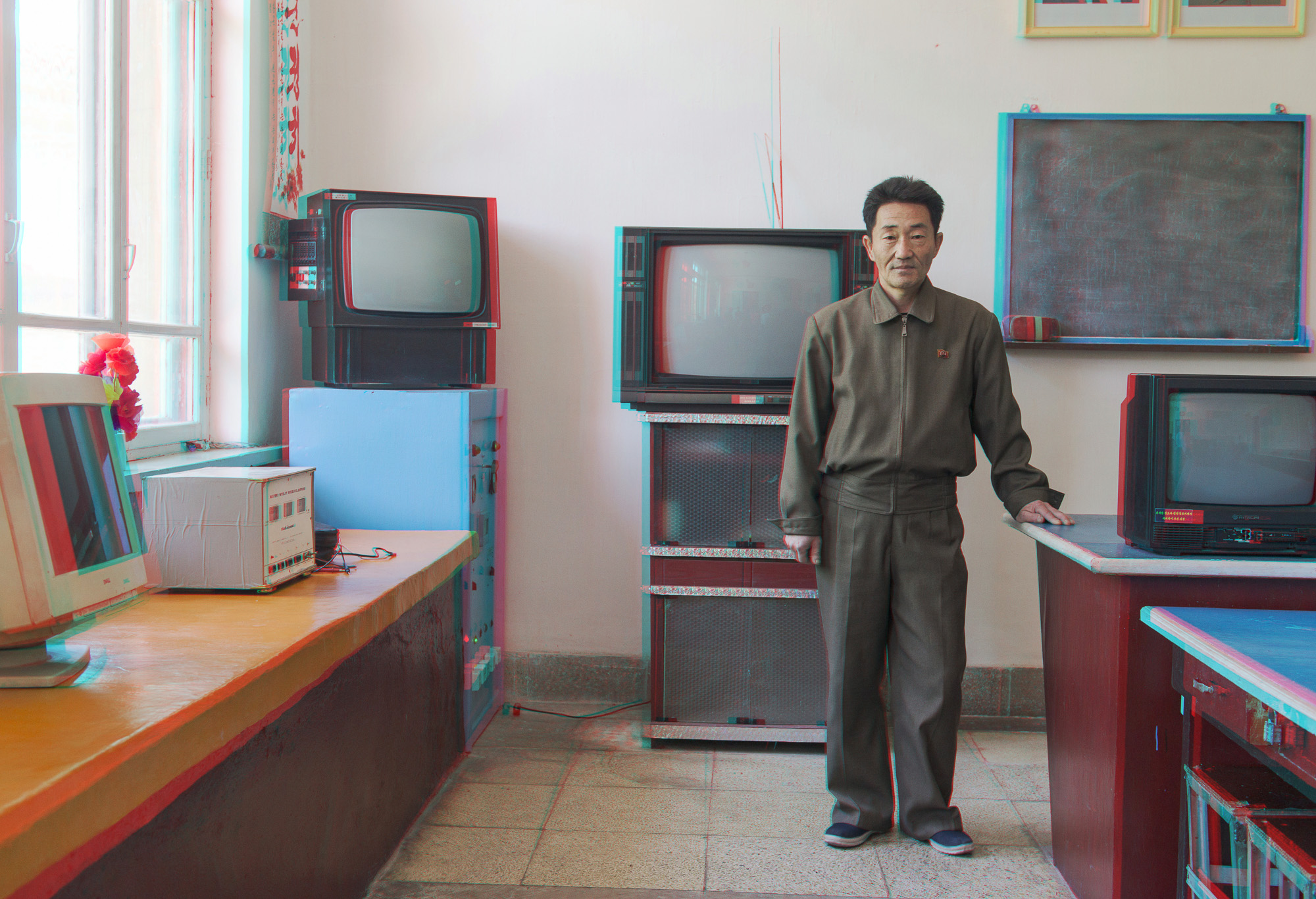
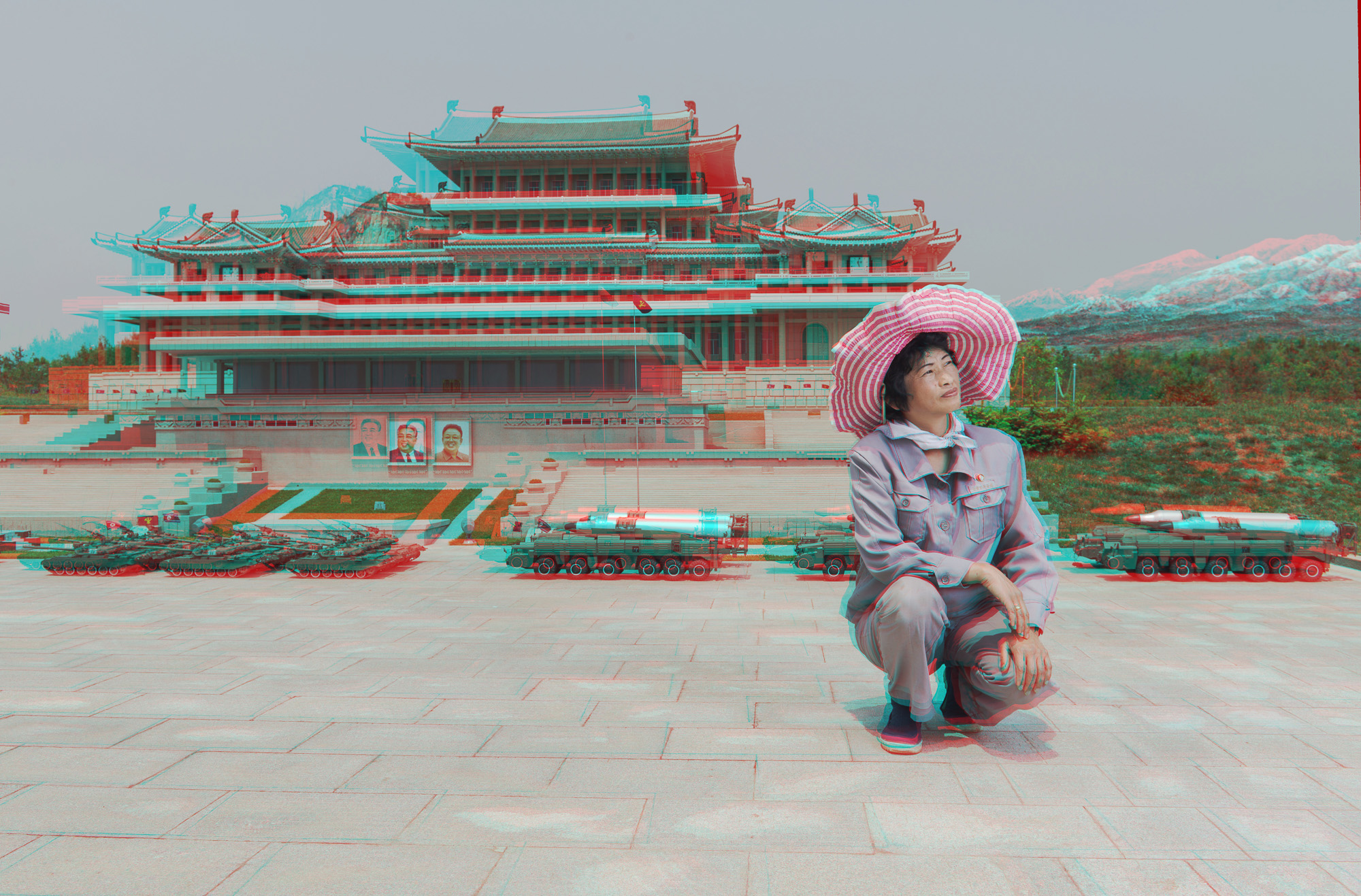
It wasn’t all plain sailing though, restrictions meant shoots were kept short. “When you are shooting, you need hours and years to build up a relationship”, Tancic tells me, but on this project he’d get three minutes tops.
“On quite a few occasions, I felt that there was an intensity to my interactions. For both us, it was a completely new experience and it made the shoot very immersive. With my work, I try to fully focus on what I am shooting and, for them, it was the first time they’d ever had their photograph taken by a foreigner.”
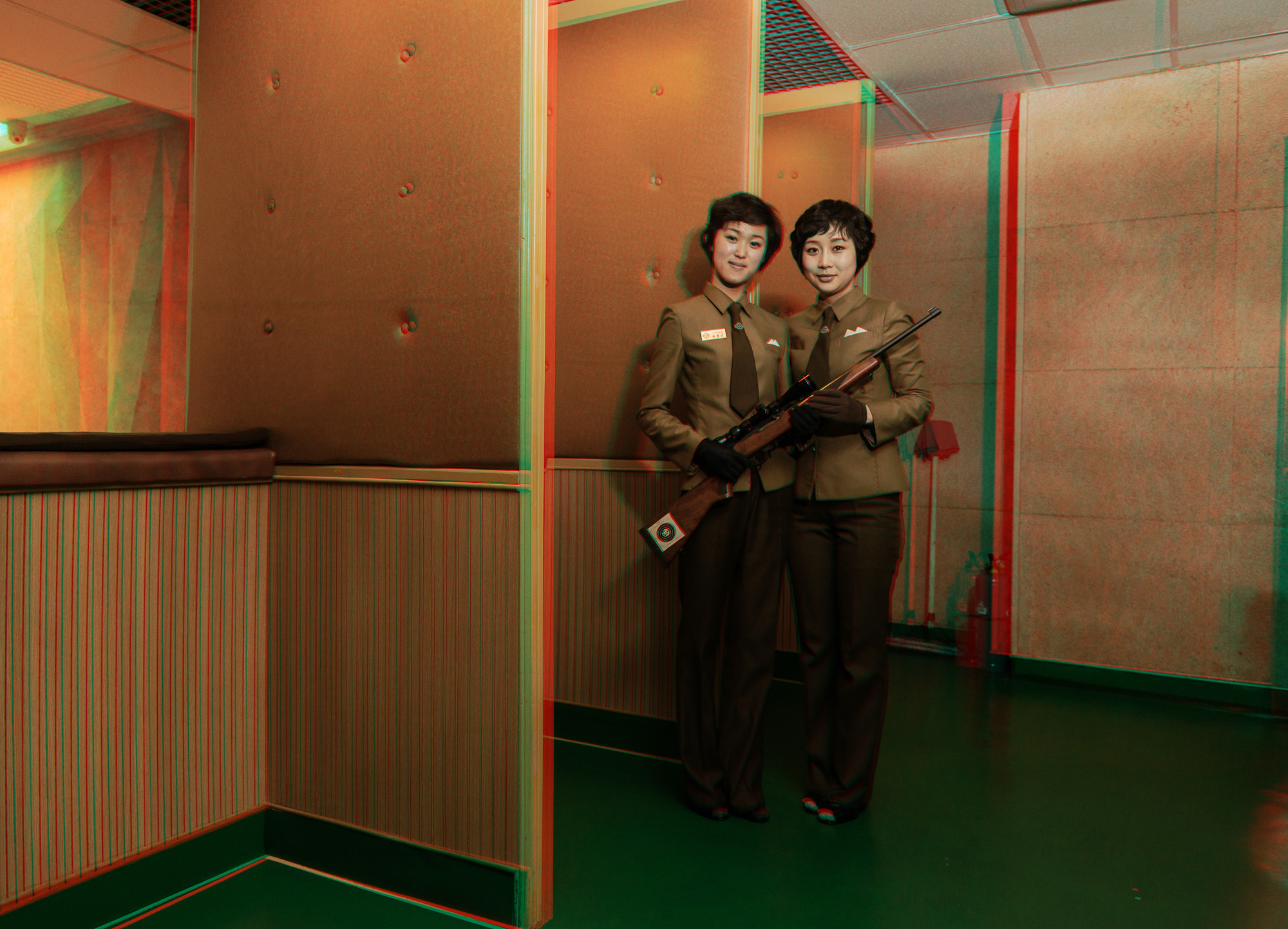
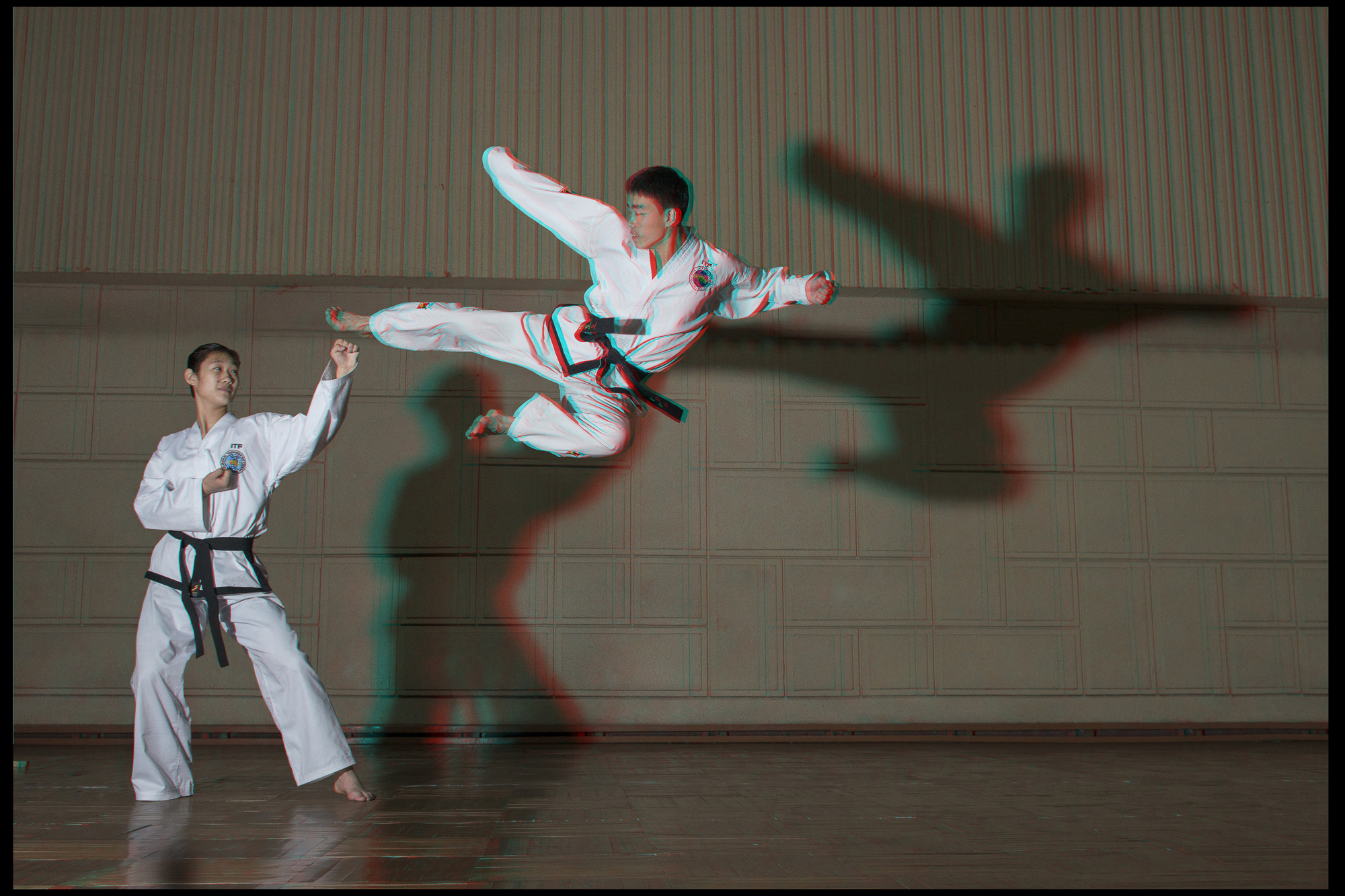
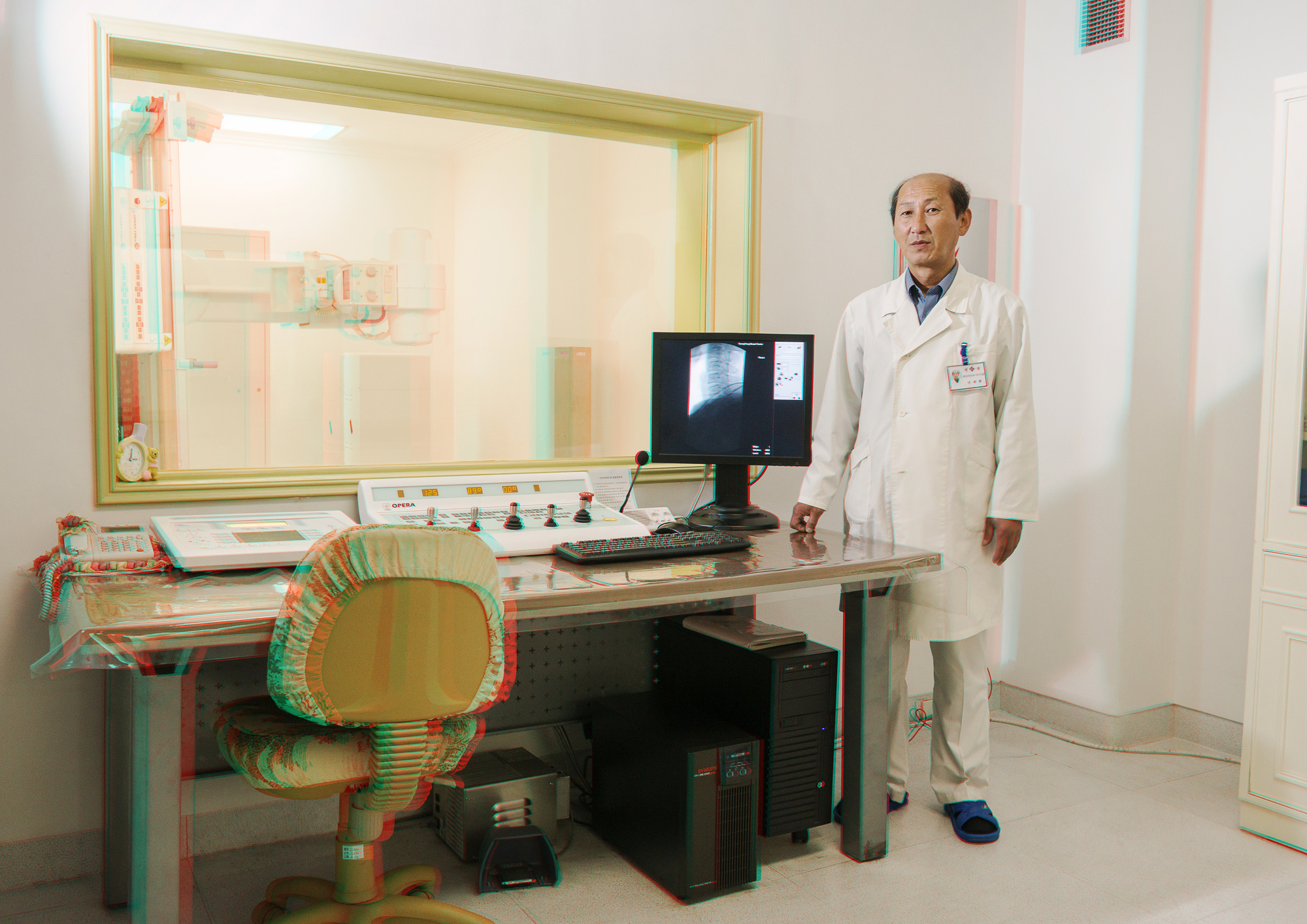
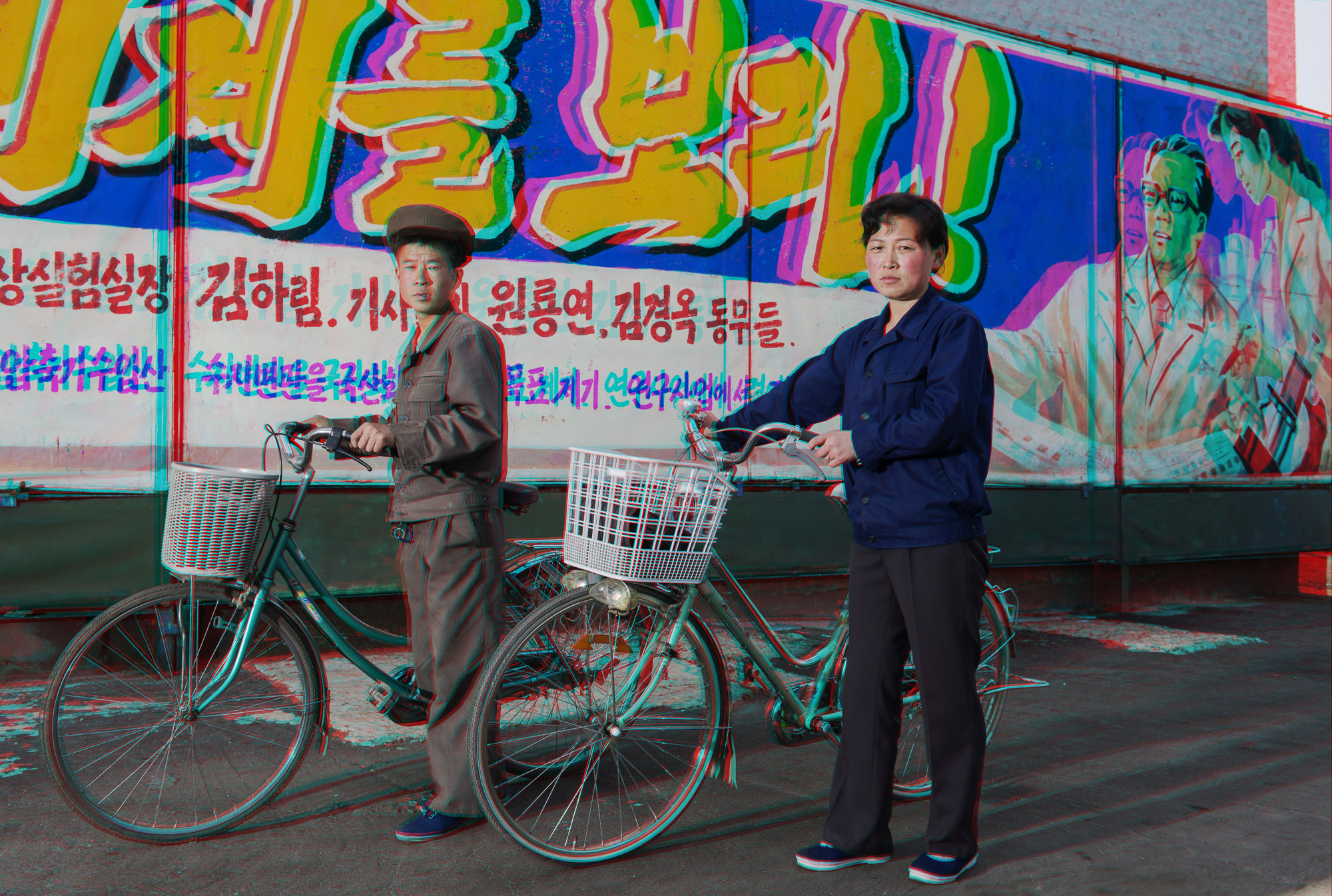
Check out more of Matjaz Tancic’s work, and grab a copy of his book.
Enjoyed this article? Like Huck on Facebook or follow us on Twitter
You might like

Jesse Glazzard’s messy portrait of queer friends, lovers and chosen family
The Sound of Dirt and Beauty — The photographer’s debut monograph explores tender, unpolished moments shaped by the people who he surrounds himself with, while offering a window into the UK’s working-class LGBTQ+ community.
Written by: Sunny Sunday

Behind the curtain at Alternative Miss World 1981
Olympia glamour — Running a subversive take on the traditional beauty pageant, the Andrew Logan organised event prioritised underground creativity and invention. Photographer David Corio went behind the scenes at its biggest edition.
Written by: Miss Rosen

New exhibition highlights British radical living over 200 years
Earthly Paradise — Taking place at the William Morris Gallery, it explores the homes and lives of artists, writers, musicians and more, as well as the conditions that allowed them to thrive.
Written by: Isaac Muk

What life on the Strait of Hormuz is really like
Southern Winds — Bandar Abbas based photographer Morteza Niknahad has been capturing the diverse communities and stories of his local region since he first picked up a camera. His new series highlights the human impact of war.
Written by: Isaac Muk

Nick Haymes’s intimate portrait of his family’s life
Chronograph — Over 25 years, the photographer documented his son’s lives as they grew into adults. The resulting photobook is an exploration of the passage of time, as well as the optimism of youth.
Written by: Miss Rosen

Kristina Rozhkova’s scatty, confronting portrait of captivity
Gut Feeling — The Russian artist’s 2024 arrest and subsequent detention opened her eye towards the omnipresent dynamics of power and control. Her new photobook is a stark exploration of being trapped.
Written by: Isaac Muk


