Learning to take photos that come from within
- Text by Guy Martin
- Photography by Guy Martin

I have been photographing in the Middle East and North Africa for as long as I have been a photographer. It has shaped who I am and determined the trajectory of my life up to this point.
Events in the Middle East over the past 10-15 years have played an integral part in how the politics of Great Britain, Europe and the USA are determined. And that is precisely the reason that I decided to devout so much time to documenting that part of the world. It shapes who we are, what we do and how we move forward.


As a photographer witnessing revolution, violence, civil war and attempted coups, I often thought that what I was seeing was unique to the countries moving through tumultuous times. I thought my pictures would always be about one place at one moment in time. I often struggled with that idea. I’ve always tried to make my work universal, so that each image is ‘about’ something rather than ‘of’ something. It’s an important distinction to make – now, perhaps, more than ever – as I begin to phase out of one long-term project in Turkey and into a new life. Personally and professionally.
But how to link one project in one country to another thousands of miles away? The link, I find, is to make every picture personal. To imprint on to each and every picture every gram of your own personal history and DNA. So that eventually when the work is done and your pictures find an audience – the work has heart. It has soul. It comes from somewhere deep inside someone. When you mix that personal vision and begin to build layers of context, both social and political, that’s when you begin to engage and most importantly say something with photography. It’s better to say anything rather than nothing at all.


With all that said, there are times when this way of working is extremely hard. I remember one moment vividly from my time working in Turkey. It was during the autumn and winter of 2015 when the government of Turkey was fighting a kind of de-facto civil war in the predominantly Kurdish south-east. As a photographer I thought that my goal was to shine a light on this needless and pointless violence. But I was becoming increasingly unsure of my own motivations for doing this work; I was no longer sure who the ‘good guys and bad guys’ were.
To correct this, I focused on the details. Macro investigations into the scars, bullet-holes and surfaces of towns and villages in the midst of armed conflict. I didn’t know it at the time but those pictures ended up playing a vital role in the construction of my first book, The Parallel State.


At the beginning of this year, I moved back to the UK. I became a Dad to a beautiful and incredibly strong-minded baby girl. While wrestling to edit and sequence my work from Turkey I have been struck by the similarities with the direction that the UK now finds itself in. Since 2012 Turkey saw a creeping polarisation, authoritarianism and rise of a powerful nationalism. I didn’t know it at the time, but I was photographing ‘fake news’ before it became ‘fake news’.


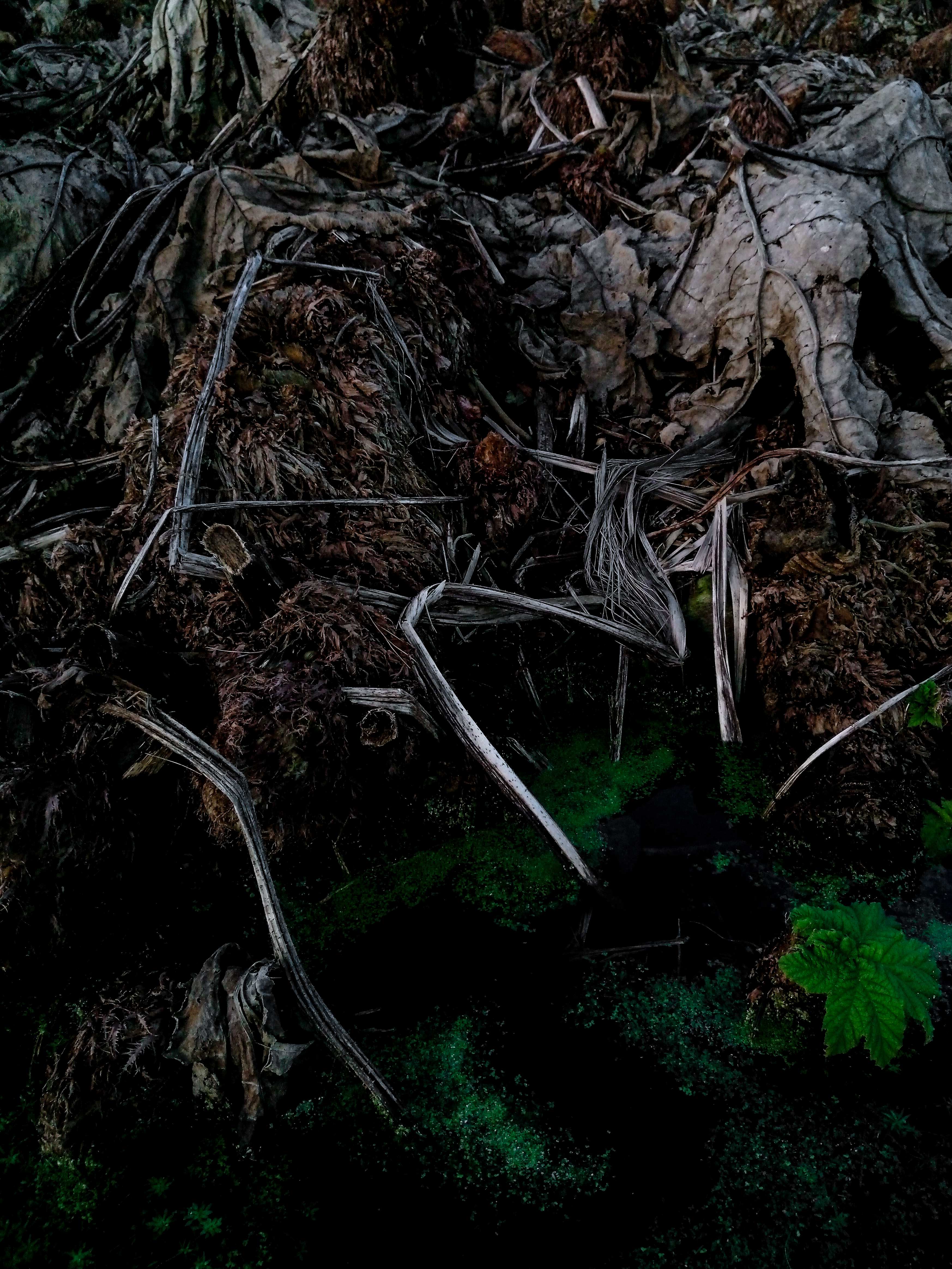
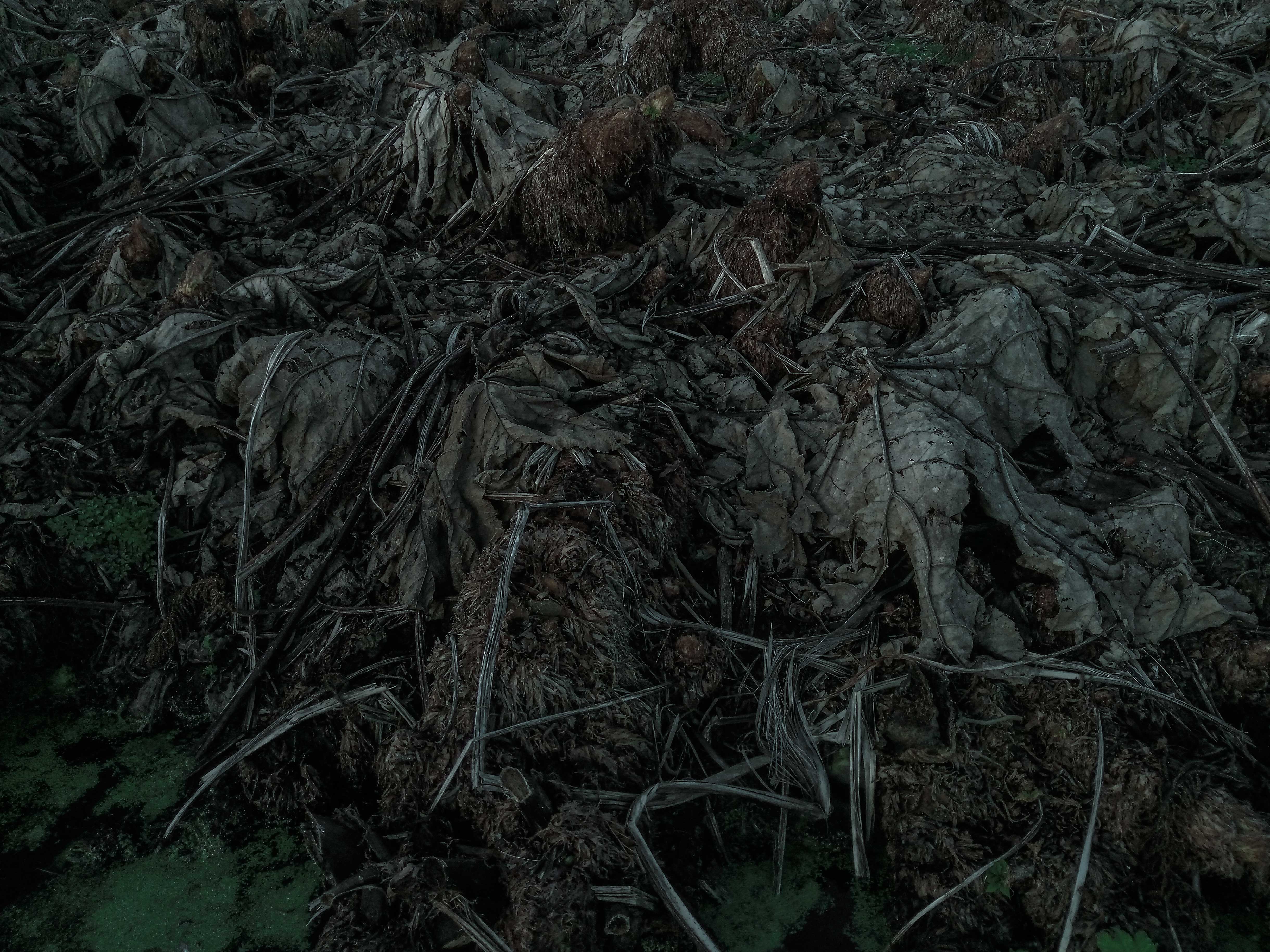
I’m desperate to begin working in my own country again. But as they say, ‘familiarity breeds contempt’ . The hardest thing is learning how to impart my experience of living and working in the Middle East into working and making images back in the UK. This set of images is a starting point for that. I stripped everything back and did exactly the same thing that I did in remote Turkish villages in 2015. I zoomed in on objects and places within my own landscape.
Using a smartphone enabled me to just walk and begin to ‘see’ again. Suddenly the fauna, landscape and vegetation became alive. The pictures began to say something about a place. A place far away in the west of England, known for picture postcard holidays, warm days and yellow sandy beaches. But what I saw was something different. Something darker. A place caught between economic deprivation and the ravages of a cold winter.


There is one picture to me, though, that stands out; that gives me hope that I’ll find a way back into photographing the issues in my own country again. It’s the picture of the graffiti damage drawn into the leaves of a giant tropical plant. I think that picture says so much about the lives of young people down here. I think it says something unique about a place far away from any urban centre or urban culture. I like how the graffiti is worked into something that is living and how eventually nature will grow over it.


As I was making that picture I remember photographing it just like I did on those bullet-lined streets of cities and towns down in the south-east of Turkey. I made that image like it meant something bigger. I made that image because it came from a memory. I made that picture because I think it was metaphorical and might just stand the passing of time. I made that picture because it could have only been made by me.
KODAK EKTRA SmartphoneYou might like

Jesse Glazzard’s messy portrait of queer friends, lovers and chosen family
The Sound of Dirt and Beauty — The photographer’s debut monograph explores tender, unpolished moments shaped by the people who he surrounds himself with, while offering a window into the UK’s working-class LGBTQ+ community.
Written by: Sunny Sunday

Behind the curtain at Alternative Miss World 1981
Olympia glamour — Running a subversive take on the traditional beauty pageant, the Andrew Logan organised event prioritised underground creativity and invention. Photographer David Corio went behind the scenes at its biggest edition.
Written by: Miss Rosen

New exhibition highlights British radical living over 200 years
Earthly Paradise — Taking place at the William Morris Gallery, it explores the homes and lives of artists, writers, musicians and more, as well as the conditions that allowed them to thrive.
Written by: Isaac Muk

What life on the Strait of Hormuz is really like
Southern Winds — Bandar Abbas based photographer Morteza Niknahad has been capturing the diverse communities and stories of his local region since he first picked up a camera. His new series highlights the human impact of war.
Written by: Isaac Muk

Nick Haymes’s intimate portrait of his family’s life
Chronograph — Over 25 years, the photographer documented his son’s lives as they grew into adults. The resulting photobook is an exploration of the passage of time, as well as the optimism of youth.
Written by: Miss Rosen

Kristina Rozhkova’s scatty, confronting portrait of captivity
Gut Feeling — The Russian artist’s 2024 arrest and subsequent detention opened her eye towards the omnipresent dynamics of power and control. Her new photobook is a stark exploration of being trapped.
Written by: Isaac Muk


