Photographer Jackie Nickerson finds tradition in the historic Woolrich mill
- Text by Advertorial
- Photography by Jackie Nickerson
Plum Run is where the story of the oldest American outdoor clothing company began. John Rich, the son of an English wool carder, had set off to America from Liverpool to find his fortune. After saving up enough money from working in Philadelphia, he stumbled on the banks of Plum Run, a small brook in the Pennsylvania wilderness where he decided to build his woollen mill in 1830. The brook’s water – and his ambition — kept the mill running.
From the back of his mule cart, he sold his fabrics to loggers, miners, trappers, and rivermen. By 1845, he expanded the mill and moved it two miles east to found the community that bears his company’s name: Woolrich. Five years later, he started designing clothing too. Since then, eight generations of his family have lived and worked here surrounded by the same rural Pennsylvania landscape.
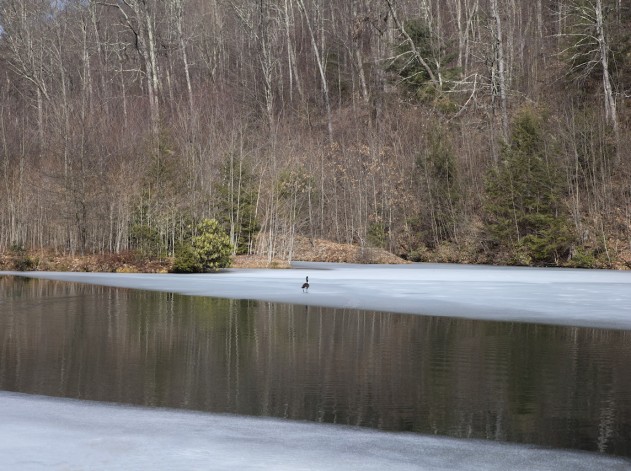
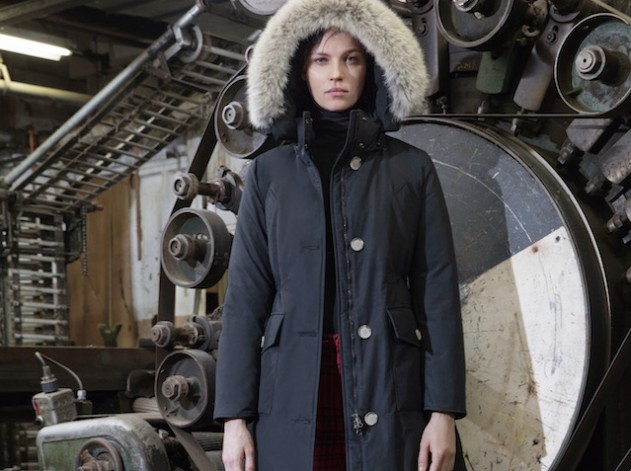
Documentary photographer, Jackie Nickerson, who is best known for her photos of farm labourers, recently captured the world of the historic Woolrich mill. As much American manufacturing moved overseas, the strength of tradition in Woolrich kept the community busy transforming bales of raw wool into premium flannel shirts, wool jumpers and arctic parkas.
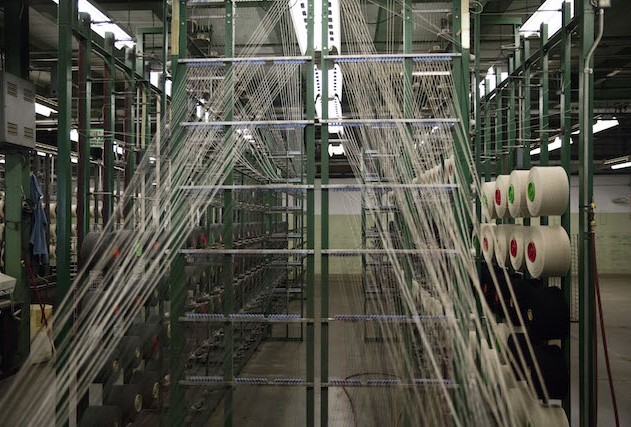
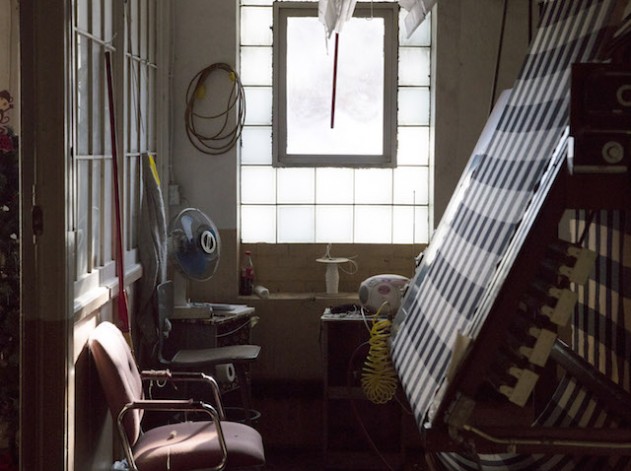
The film above captures some of what Nickerson found. The mill itself is a working museum with the 1950s carding machine, which spins like a watermill, preparing the wool to be transformed. The same weaving loom has been warping and weaving wool into trademark Woolrich designs since the 1970s, and others like the warper, twisting frame and warping creel continue to carry out their distinct functions.
Nature also still plays a role. The forest and water reservoir, which once powered the mill, also offer inspiration to people at the mill — just like they did for John Rich more than 180 years ago.
To see more of Jackie Nickerson’s photos and read more about the mill’s story, visit Woolrich’s Agenda site.
You might like

Nick Haymes’s intimate portrait of his family’s life
Chronograph — Over 25 years, the photographer documented his son’s lives as they grew into adults. The resulting photobook is an exploration of the passage of time, as well as the optimism of youth.
Written by: Miss Rosen

Kristina Rozhkova’s scatty, confronting portrait of captivity
Gut Feeling — The Russian artist’s 2024 arrest and subsequent detention opened her eye towards the omnipresent dynamics of power and control. Her new photobook is a stark exploration of being trapped.
Written by: Isaac Muk

UK’s first ever Latino film festival is coming to London
LoLaFF — Taking place between October 2-6, it will feature 55 filmmakers from Latin America, with an opening night at the Barbican.
Written by: Isaac Muk

Shawn Walker’s layered, psychedelic vision of Harlem’s streets
From BeBop to Illusion — Using glass as a means to illuminate the city’s different layers, the longtime photographer and filmmaker is publishing his first monograph at the age of 86.
Written by: Miss Rosen

Washing strangers’ feet at Houghton Festival
Pedilavium — As part of artist Henry Krokatsis’s performance piece at the weekender, we sat down with over 30 others to clean the dusty digits of passersby, while reflecting on the power of collective ritual and human connection.
Written by: Isaac Muk

Inside Yoshiwara, Japan’s oldest red light district
Asasuka soaplands — Despite numerous fires and harshening sex work laws, the centuries old area continues to persevere in East Tokyo. Manami Okazaki traces its history and meets people who shape its present.
Written by: Manami Okazaki


