In photos: Wild weekends on the ’90s London Underground
- Text by Miss Rosen
- Photography by Mark McEvoy

Mind the gap — Mark McEvoy’s new photobook revisits the three-year period when he spent Friday and Saturday evenings roaming the Tube with his camera. The result is a mix of joy, drunkenness and spots of stillness.
In 1976, Mark McEvoy’s family moved to West Hampstead in north London. Then aged nine, he remembers being mesmerised by trains from the 1930s and ’50s still running on the Metropolitan Line, with their wooden floors, window frames, and round straphangers – playfully known as “bobbles on springs” – which harkened back to a disappearing way of life.
With the introduction of the Jubilee line in 1979, the London Underground had finally begun to modernise, but not so much as to stop fare beaters from jumping over the three-arm turnstiles. “There were no CCTV cameras to catch you in the act – only the person selling the ticket in the closed off room who couldn’t be bothered,” McEvoy remembers of the times.
Trained as a classical violinist, McEvoy discovered a love for photography at age 19, which inspired him to backpack through India with camera in hand, dreaming of becoming a documentary photographer like his heroes, Don McCullin and Diane Arbus.


By 1992, McEvoy, then 25, was living with friends in Camden Town and juggling freelance gigs as a photographer, musician, and teacher – including the occasional spot miming violin on Top of the Pops. Through it all, he maintained a series of personal projects, chronicling the Notting Hill Carnival, shooting live sets at the Jazz Cafe, and photographing commuters on the Tube.
Now McEvoy looks back at this heady era in London Underground 1992 – 1995 (Café Royal Books) – a captivating portrait of the city at the end of the analogue era. The idea for the project came on a Saturday evening, while he was returning home from a party on one of the last Tubes of the night.
“Everyone was talking to each other, laughing, singing and generally being quite loud and animated – almost the complete opposite to the early morning commuters who were all heads down, oblivious to each other, distracting themselves with their newspapers, books or music,” McEvoy says.


From there on, he spent his Friday and Saturday nights roaming the Tube, chronicling the scene in black-and-white without flash. Over the span of three years, McEvoy amassed an archive of images that break through the famous British reserve, capturing the sense of carefree community that comes when the sun goes down.
He generally asked for permission to make photographs, except in the rare cases where he chose not to disturb a sleeping passenger. “The pub and party crew, inebriated and less inhibited, would be more enthusiastic and often perform for the camera,” McEvoy says. “Others would flatly refuse, get embarrassed or even annoyed. Sometimes I would talk to them for a while and after five minutes or so they would change their mind.”
McEvoy remembers an unforgettable encounter with a carriage full of punks. “I approached them (with some distance) and asked if I could take their photo,” he says. “One of them stood up and shouted: ‘Yeah mate, take a picture of this!’ Then he turned around and pulled a moonie.”

Another time, he ran into a group of five very drunk young women from Liverpool, who were celebrating the news that one of them had just recovered from leukaemia. It was just the moment that demanded it be preserved for posterity. “They were having such a laugh together – dancing, singing and constantly taking the piss out of each other,” McEvoy says. “They were keen to be photographed and pulled various poses for me. The recovered girl pulled off her hat and said: ‘Look, no hair!’”
London Underground 1992 – 1995 by Mark McEvoy is published by Café Royal Books.
Miss Rosen is a freelance arts and photography writer, follow her on X.
Buy your copy of Huck 82 here.
Enjoyed this article? Follow Huck on Instagram and sign up to our newsletter for more from the cutting edge of sport, music and counterculture.
Support stories like this by becoming a member of Club Huck.
You might like

Meet the London charity using art and music to tackle youth violence
Art Against Knives — For 15 years, the group has been inspiring Barnet’s young people through creativity and possibility. Following their recent win at the Youth Music Awards, we caught up with Katy Dawe and Rickardo Stewart to hear about their story.
Written by: Isaac Muk

Throwback portraits of the UK’s first punks
Punks 1978-1980 — While working as a photographer in the army, Wayne “Spike” Large would moonlight as a punk on the weekends. His new photobook revisits the characters that he captured from the genre’s heyday.
Written by: Miss Rosen

Jesse Glazzard’s messy portrait of queer friends, lovers and chosen family
The Sound of Dirt and Beauty — The photographer’s debut monograph explores tender, unpolished moments shaped by the people who he surrounds himself with, while offering a window into the UK’s working-class LGBTQ+ community.
Written by: Sunny Sunday
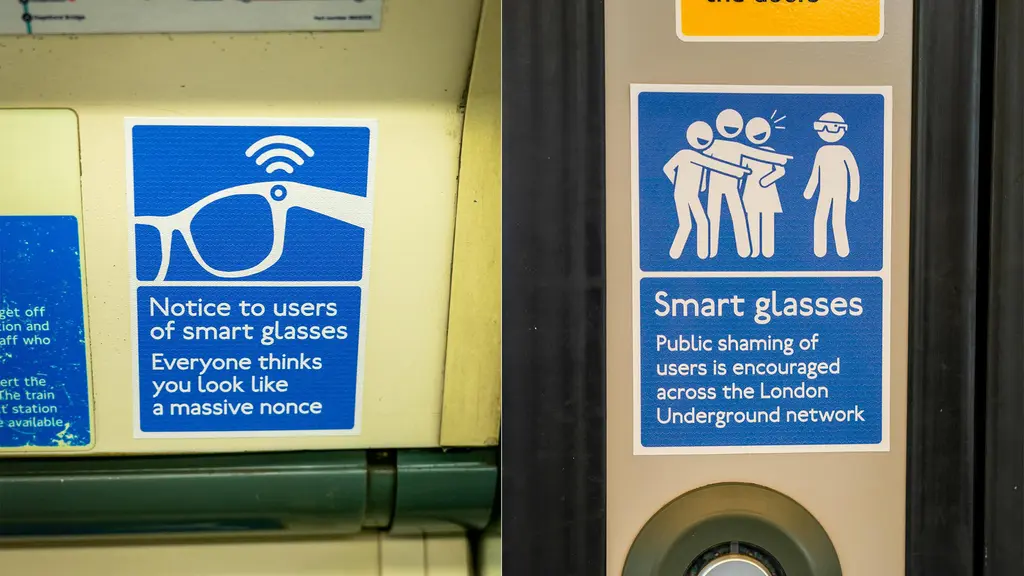
Activists slam “pervert glasses” in new guerrilla campaign
Everyone Hates Elon — Stickers have appeared on the London Underground network, criticising the wearable technology’s covert filming capabilities.
Written by: Isaac Muk

Behind the curtain at Alternative Miss World 1981
Olympia glamour — Running a subversive take on the traditional beauty pageant, the Andrew Logan organised event prioritised underground creativity and invention. Photographer David Corio went behind the scenes at its biggest edition.
Written by: Miss Rosen

Dan Lacey: “BMX is forever evolving”
Overground — Steph Pomphrey caught up with the two-wheel legend after his latest meet in east London, chatting about fatherhood, music and action sports within the outdoor industry.
Written by: Steph Pomphrey


