Photos celebrating community spirit in everyday Ireland
- Text by Charlotte Rawlings
- Photography by Tony O'Shea

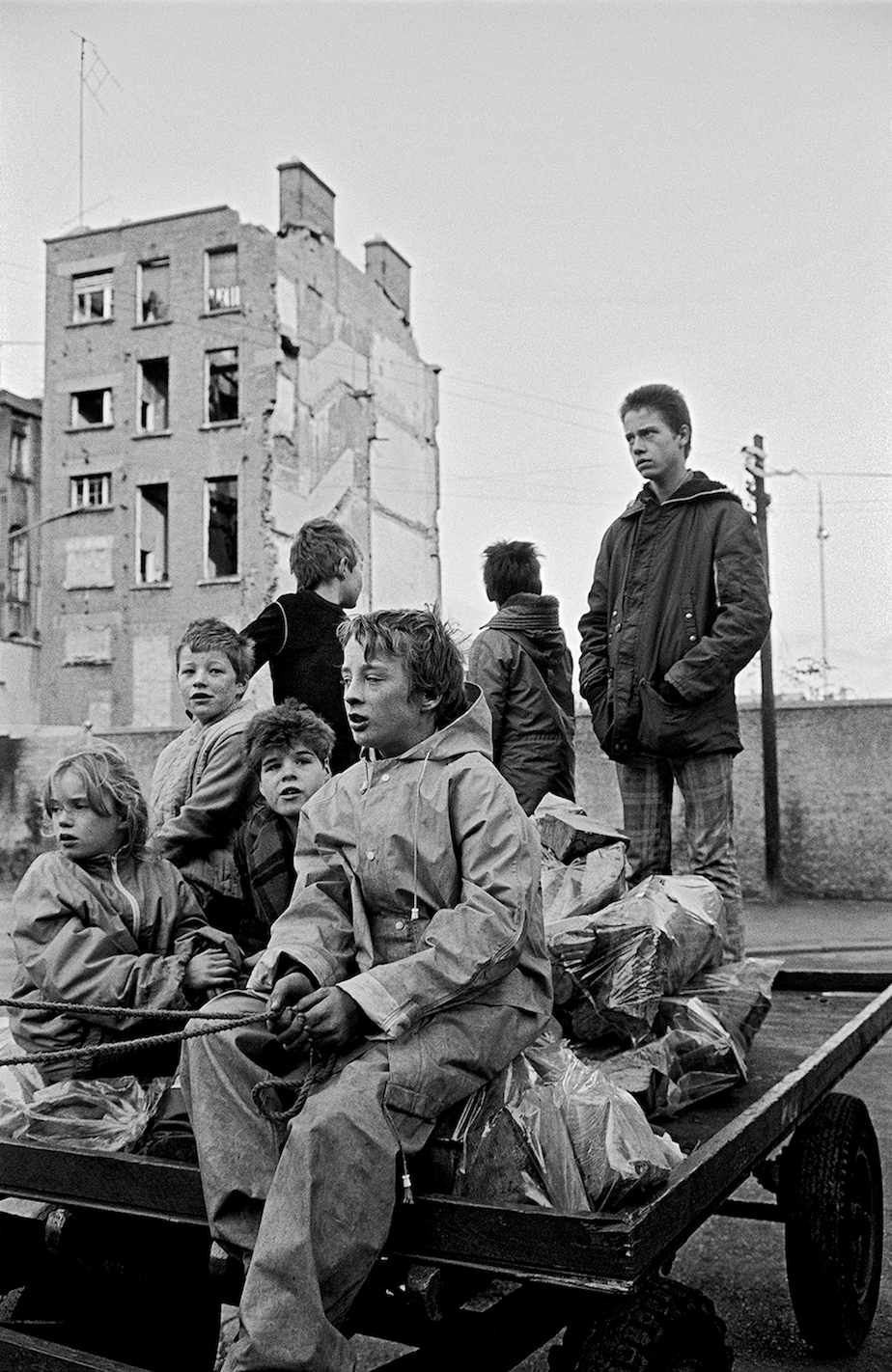
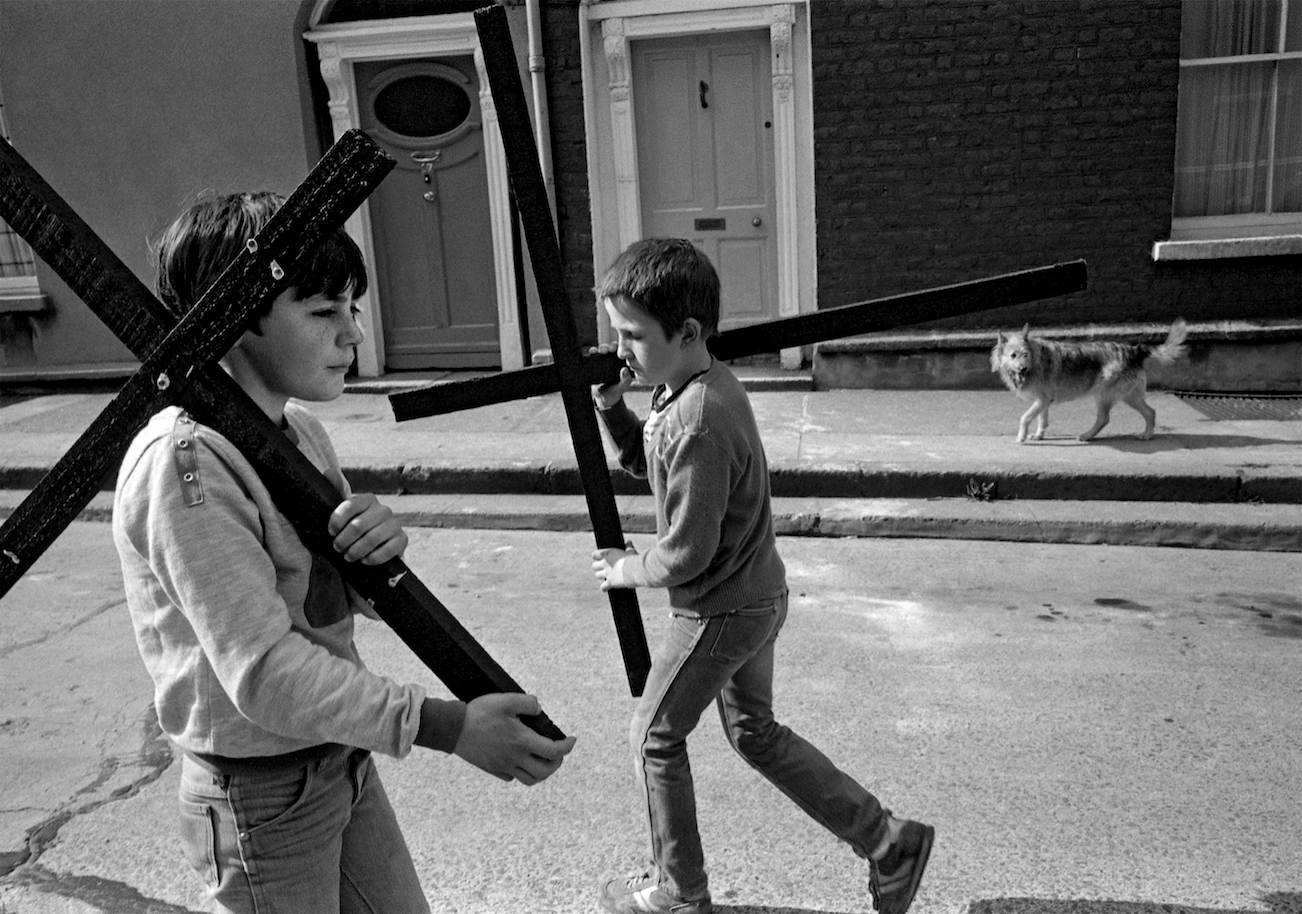
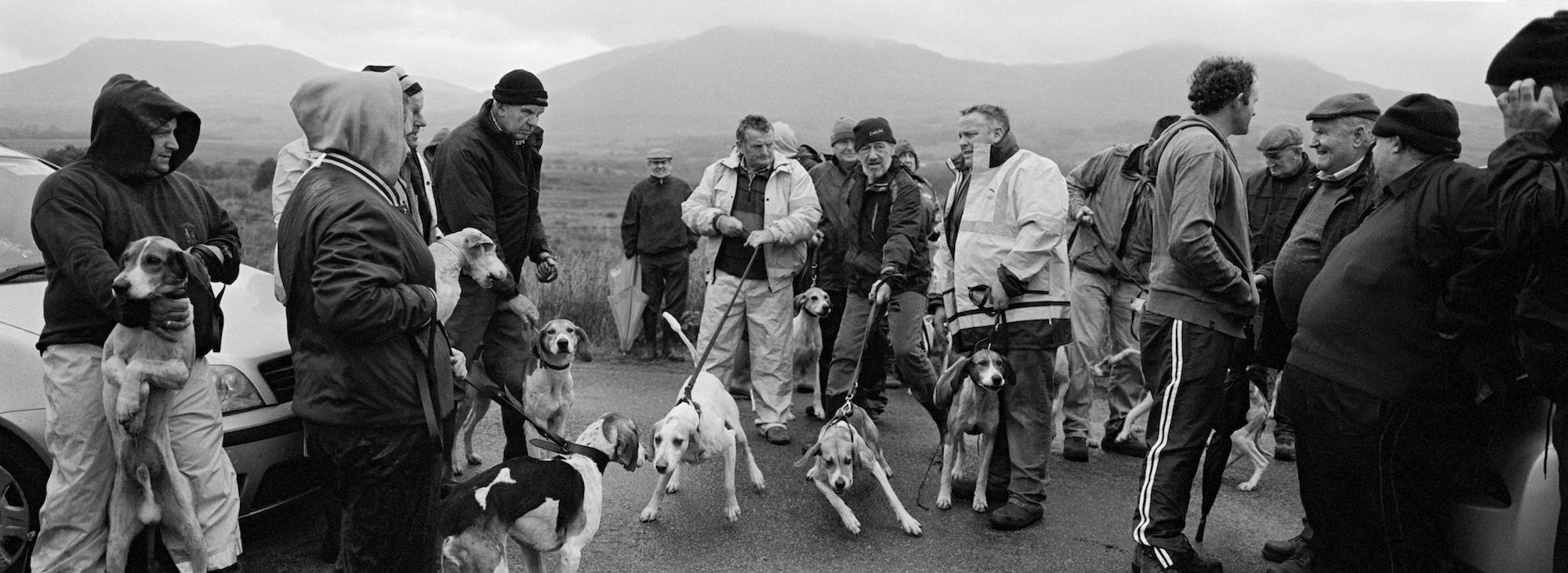
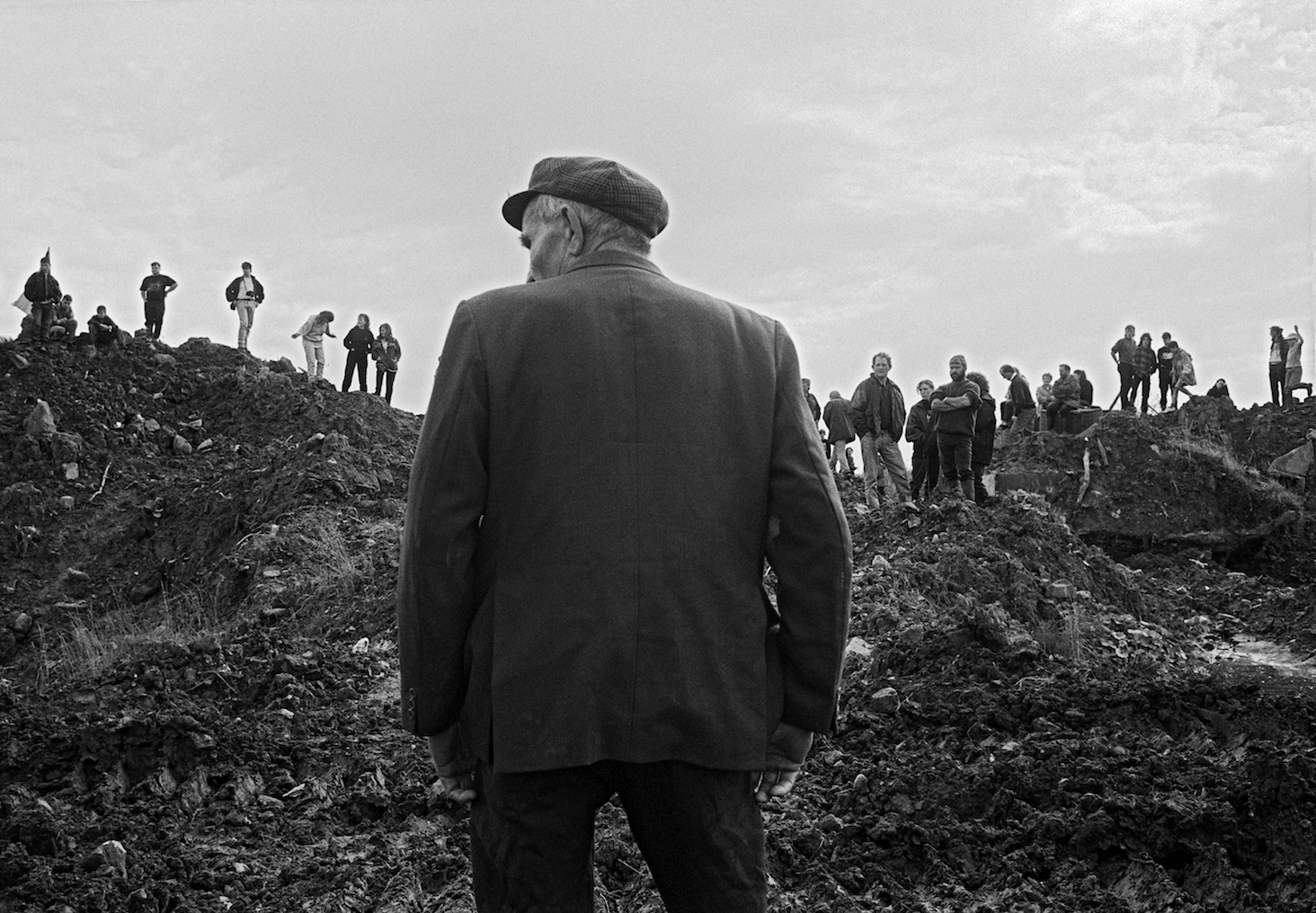
From 1979 through till 2019, Irish photographer Tony O’Shea shot intimate, black and white photographs, providing an intimate glimpse into Ireland and Northern Ireland. These are now featured in a new book, The Light of Day, which includes previously unpublished photographs documenting both isolation and unity and how in many instances, they can entwine.
The book comes ahead of an exhibition of O’Shea’s work set to take place in 2021 at the Gallery of Photography, Ireland. For O’Shea, being able to view his photographs on a page makes for an even richer experience: “In a sense, I think a book is a fitting place to show photographs, when you can go back again and again, and look at the same image and maybe look at it in a different way or see new things.”
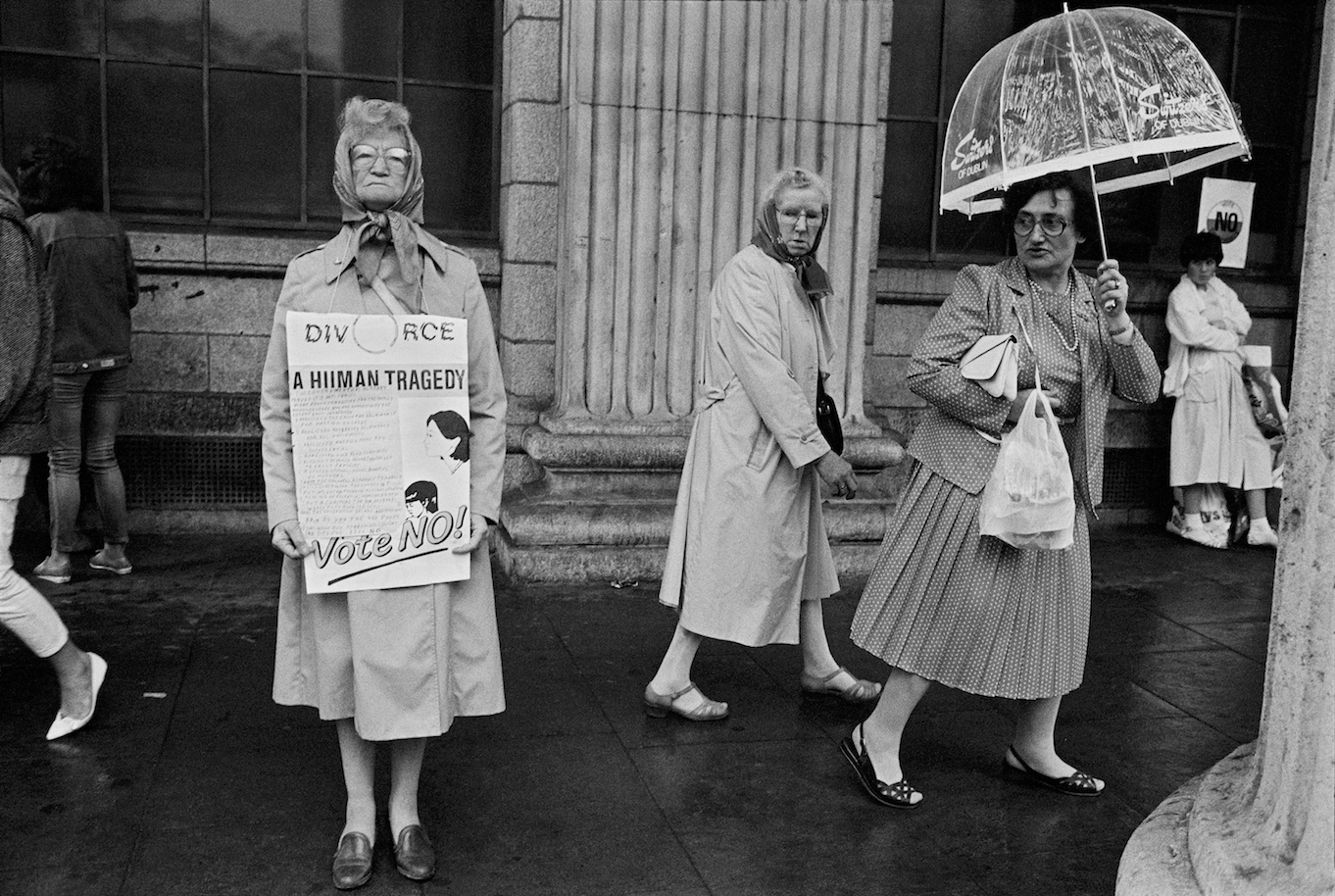
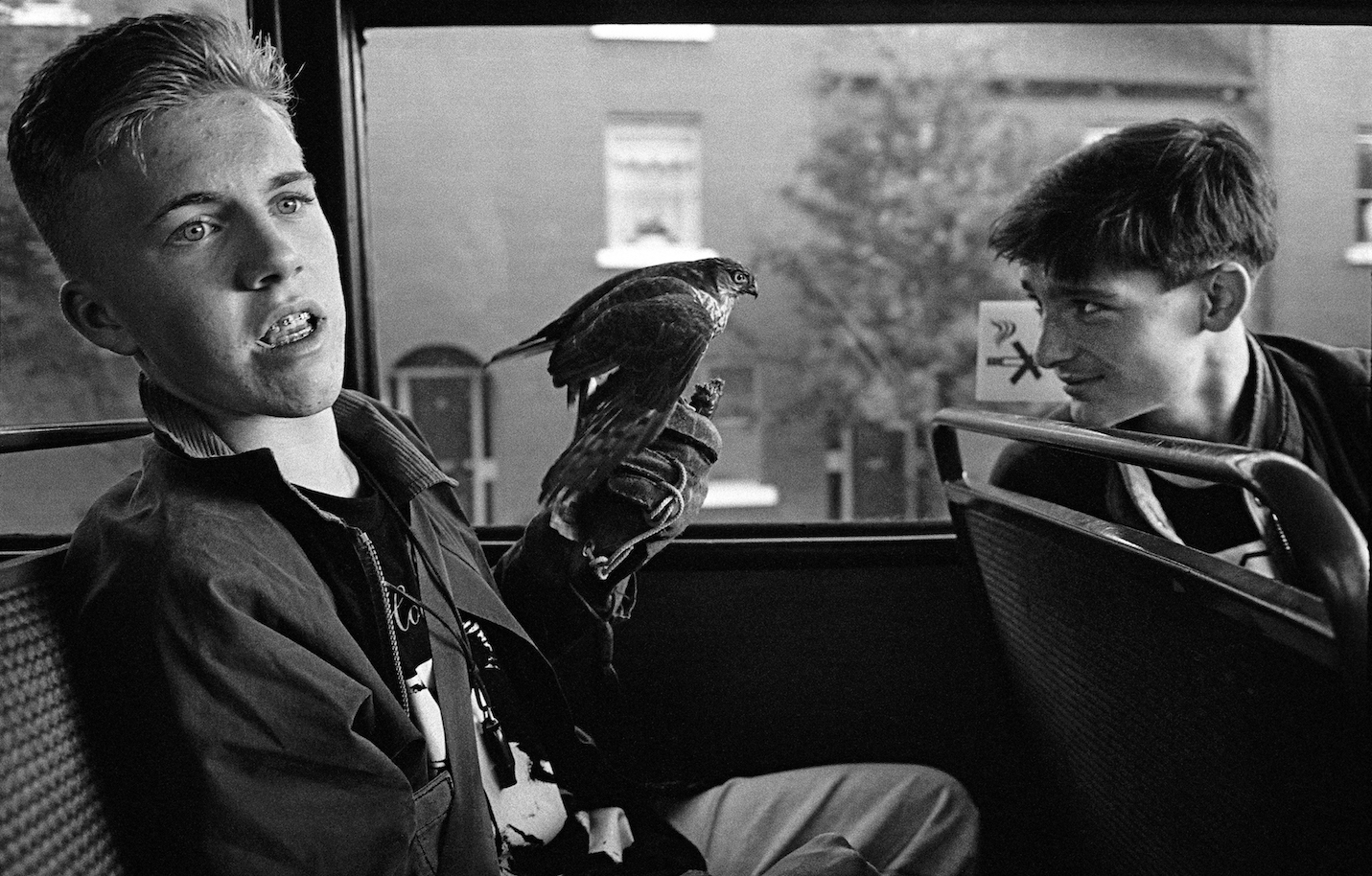
“In many ways, we are a bit obsessed with our own identity,” O’Shea observes, describing the role Ireland plays in his work. Most of his photographs were taken in Dublin and County Kerry. “We’re often asking this question of ‘What does it mean to be Irish?’ and there are probably many answers. But I suppose it’s this whole need for ritual,” he says.
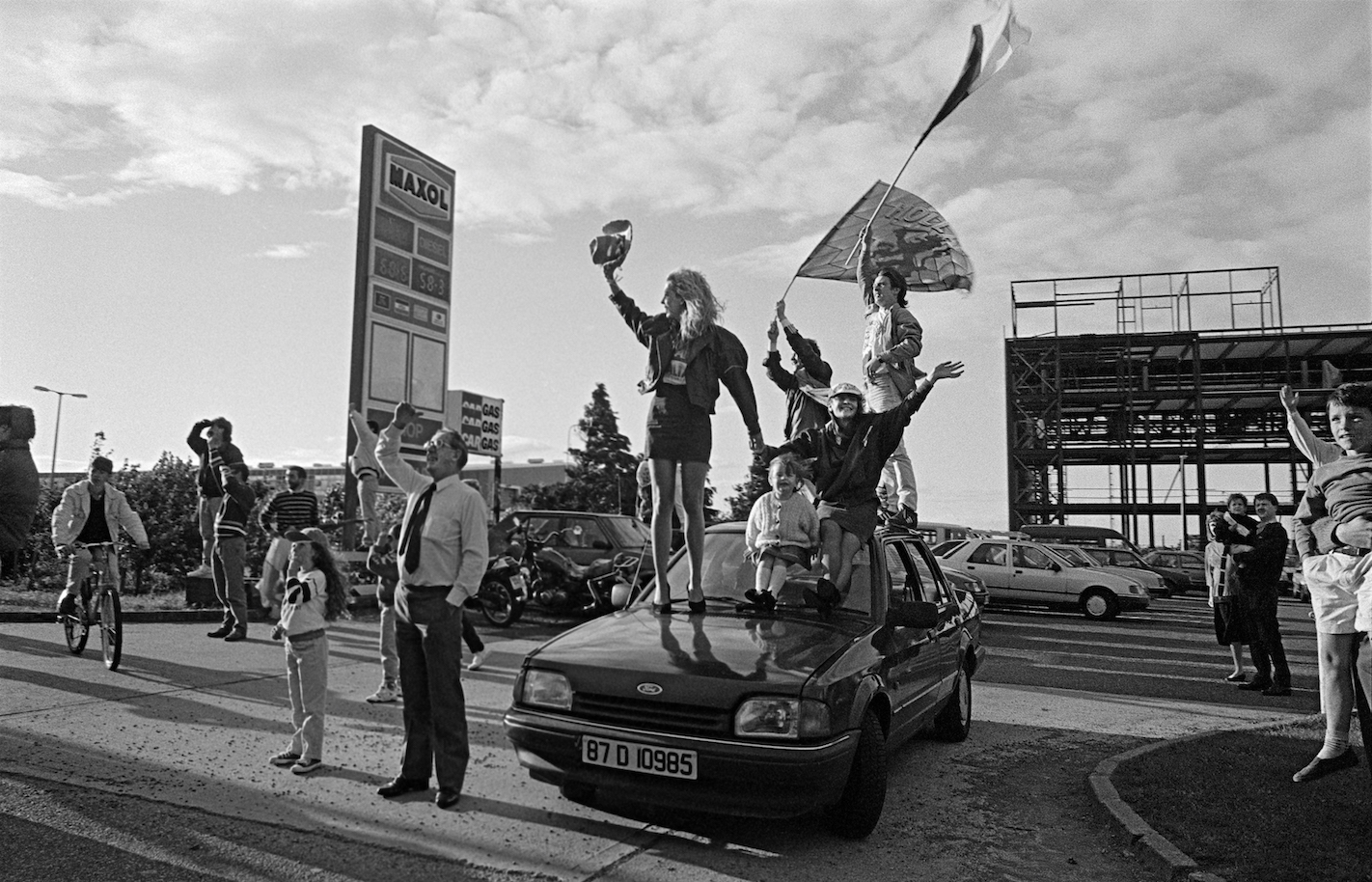
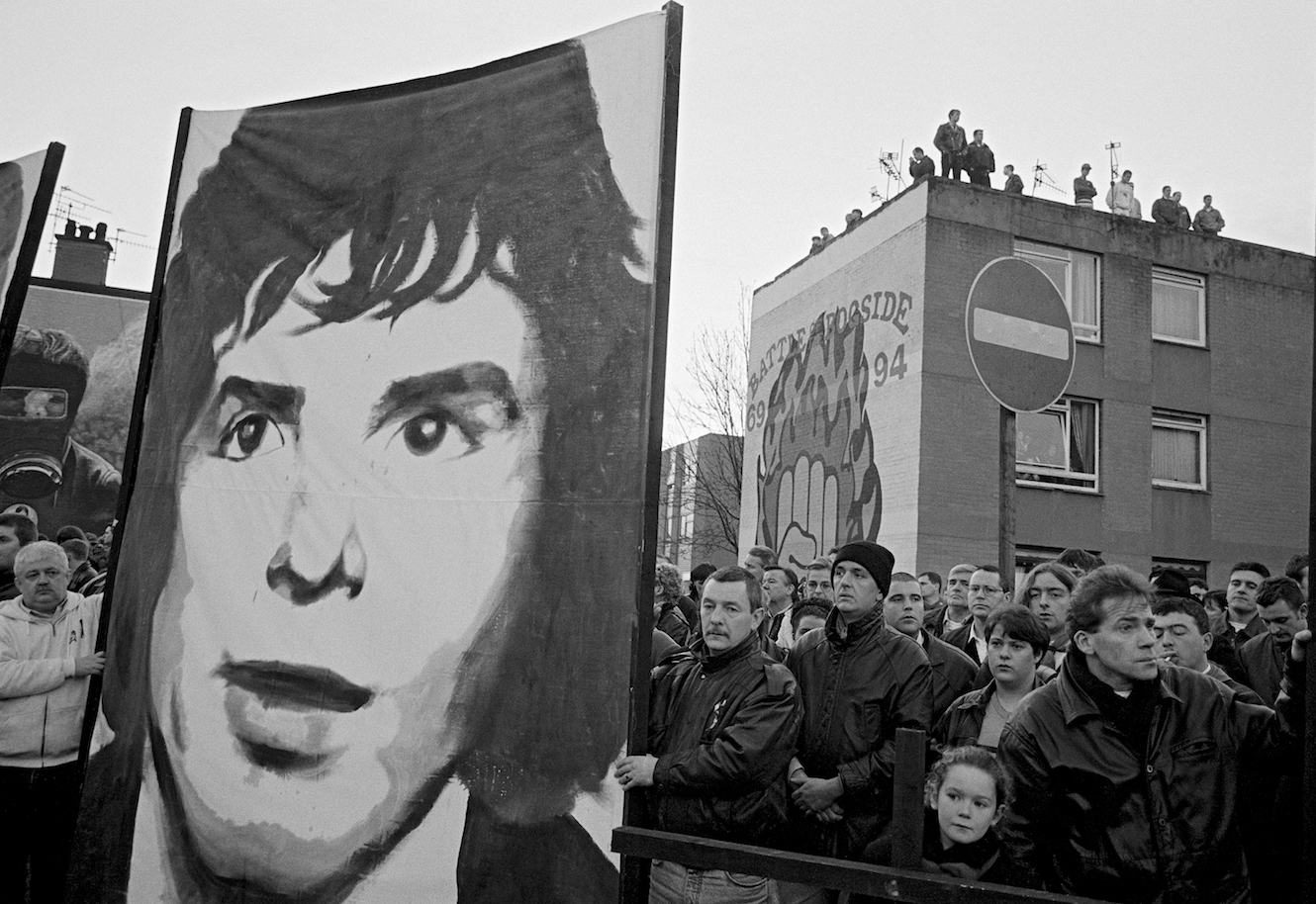
His work traverses themes of processions, ceremonies and protests, along with other social gatherings, documenting the unique human spirit of everyday Ireland. As Colm Tóibín writes in a text included in the book: “[O’Shea] seeks images of individual loneliness and isolation, figures in a state of reverie and contemplation, or figures in a state of excitement.”
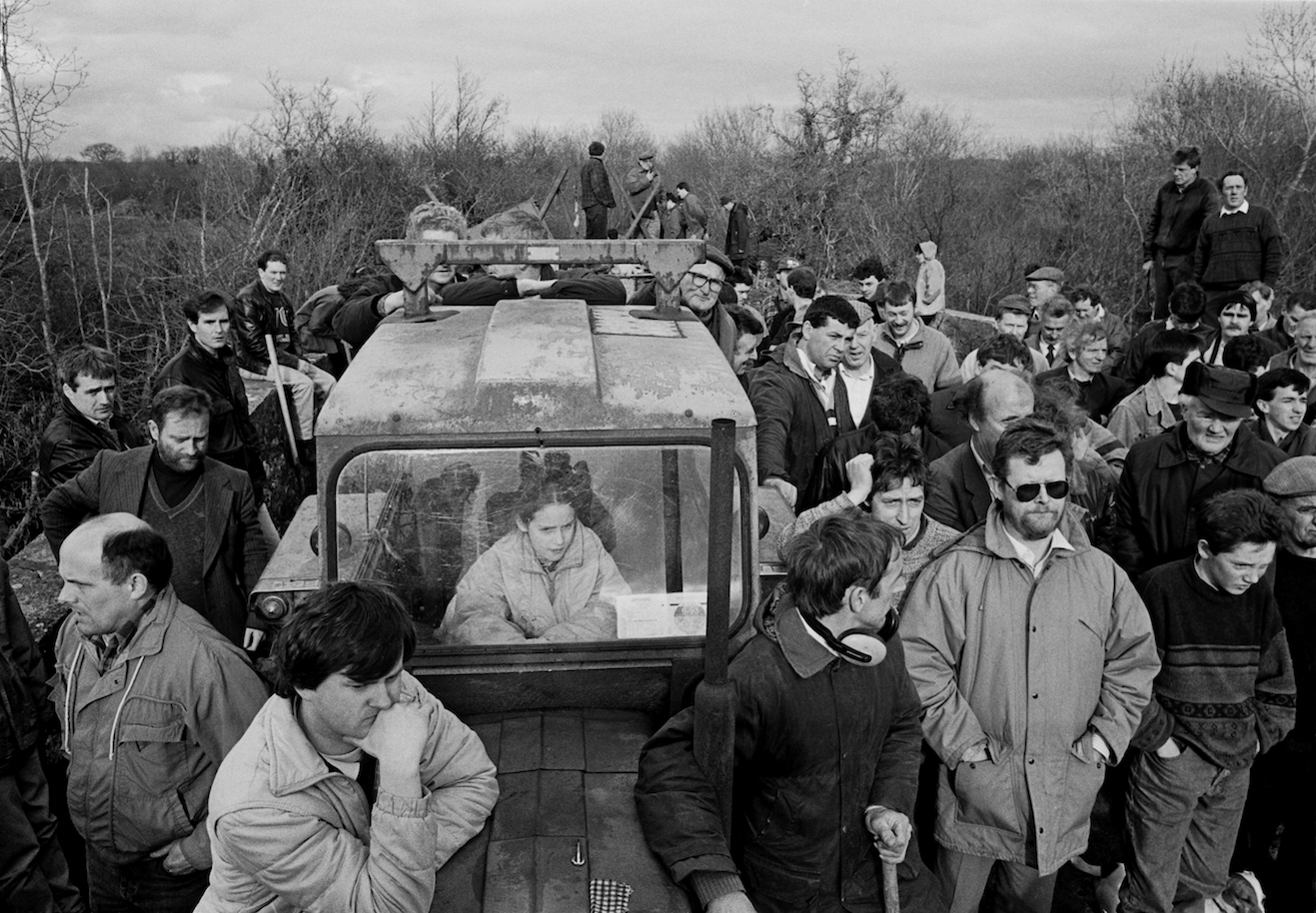
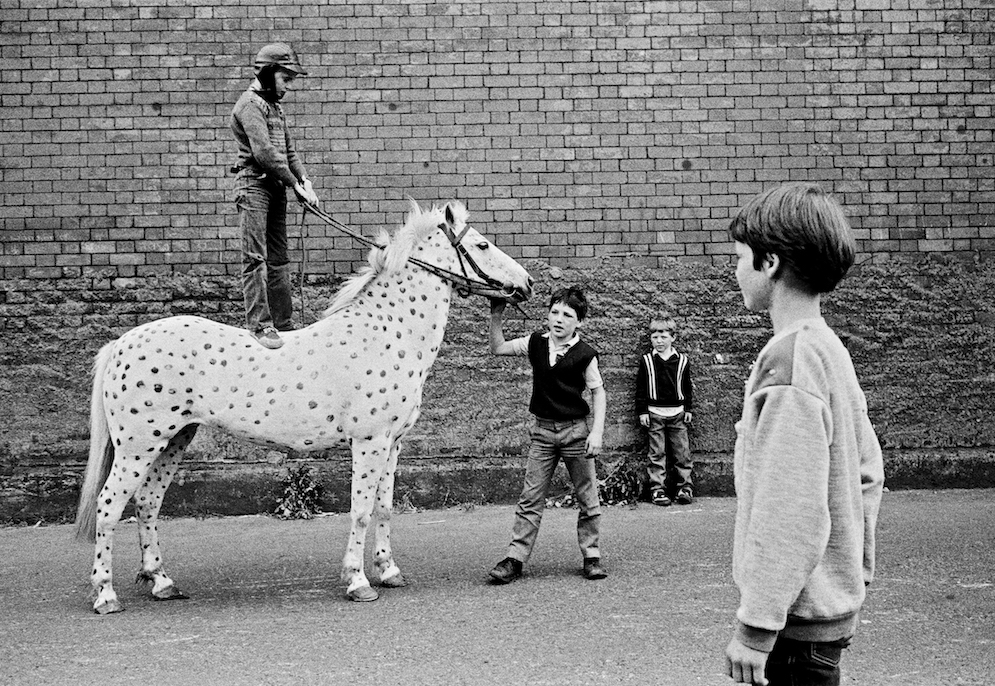
O’Shea attributes his enduring fascination with capturing emotional vulnerability to studying philosophy at college and learning about the theory of existentialism: “Human beings [are] able to reflect on themselves and are possibly the only creatures who can do this,” he says. “That brings with it a certain kind of isolation and I suppose the whole uncertainty about what happens when we die. It does create that kind of human experience of isolation and separation.”
The photographer provides a counterpoint to the representations of loneliness through his striking shots of crowds or busy streets. “It is very interesting to look at people in crowds or in groups,” he says. “How they try to reach out and the satisfaction of being part of a group, rather than an isolated individual.”
“I’m hoping that I’ve stumbled across something that is a little bit of what it means to be human.”
Light of Day is out now on RRB Photobooks.
Follow Charlotte Rawlings on Twitter.
Enjoyed this article? Like Huck on Facebook or follow us on Twitter.
You might like

Jesse Glazzard’s messy portrait of queer friends, lovers and chosen family
The Sound of Dirt and Beauty — The photographer’s debut monograph explores tender, unpolished moments shaped by the people who he surrounds himself with, while offering a window into the UK’s working-class LGBTQ+ community.
Written by: Sunny Sunday

Behind the curtain at Alternative Miss World 1981
Olympia glamour — Running a subversive take on the traditional beauty pageant, the Andrew Logan organised event prioritised underground creativity and invention. Photographer David Corio went behind the scenes at its biggest edition.
Written by: Miss Rosen

New exhibition highlights British radical living over 200 years
Earthly Paradise — Taking place at the William Morris Gallery, it explores the homes and lives of artists, writers, musicians and more, as well as the conditions that allowed them to thrive.
Written by: Isaac Muk

What life on the Strait of Hormuz is really like
Southern Winds — Bandar Abbas based photographer Morteza Niknahad has been capturing the diverse communities and stories of his local region since he first picked up a camera. His new series highlights the human impact of war.
Written by: Isaac Muk

Nick Haymes’s intimate portrait of his family’s life
Chronograph — Over 25 years, the photographer documented his son’s lives as they grew into adults. The resulting photobook is an exploration of the passage of time, as well as the optimism of youth.
Written by: Miss Rosen

Kristina Rozhkova’s scatty, confronting portrait of captivity
Gut Feeling — The Russian artist’s 2024 arrest and subsequent detention opened her eye towards the omnipresent dynamics of power and control. Her new photobook is a stark exploration of being trapped.
Written by: Isaac Muk


