In Pictures: New York City's long-lost graffiti culture

Martha Cooper and Henry Chalfant’s Subway Art captured an era, stocked with photographs of New York imagery that remains iconic and identifiable, but long rendered of the past by persistent government meddling.
It wasn’t always this way. Subway graffiti was at one point a key element of New York iconography. Think of any Manhattan sitcom in the 1980’s, with smartly-dressed urbanites traveling borough to borough on clunky, rattling subway cars, amidst a sea of colourful scrawls and tags. These sitcom stars looked out of place, sure, but the clash of cultures and ideas was creative shorthand for the city’s intersection of rich and poor. All extremes of life clumsily piled on top of one another – separate but equal.
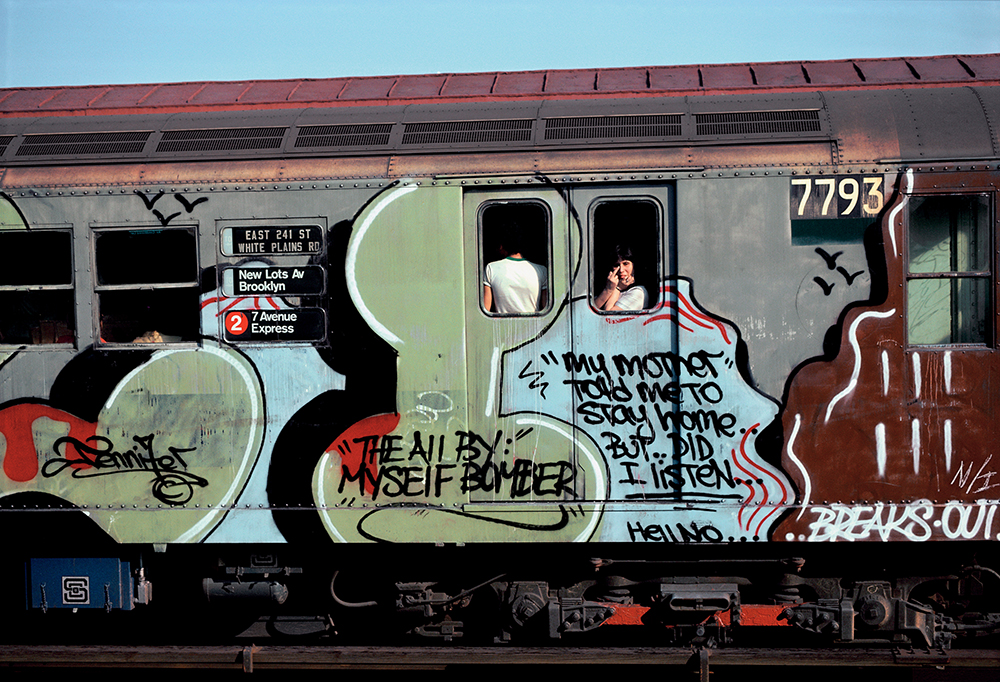
Deli, by Ban2, 1981. Photograph: Martha Cooper
This, of course, came before New York State’s mission to ‘clean up’ the streets. It was a well-intentioned plea to reduce crime in the city – but which often took the form of cracking down on grassroots forms of creativity, leading to widespread gentrification that has arguably sucked the life out of the entire state.
Throughout the ’70s and ’80s, graffiti was a key target, meaning large-scale bombing of subway cars became a transient experience. You better take a look now, because city officials will be along in the afternoon to wash it all away.
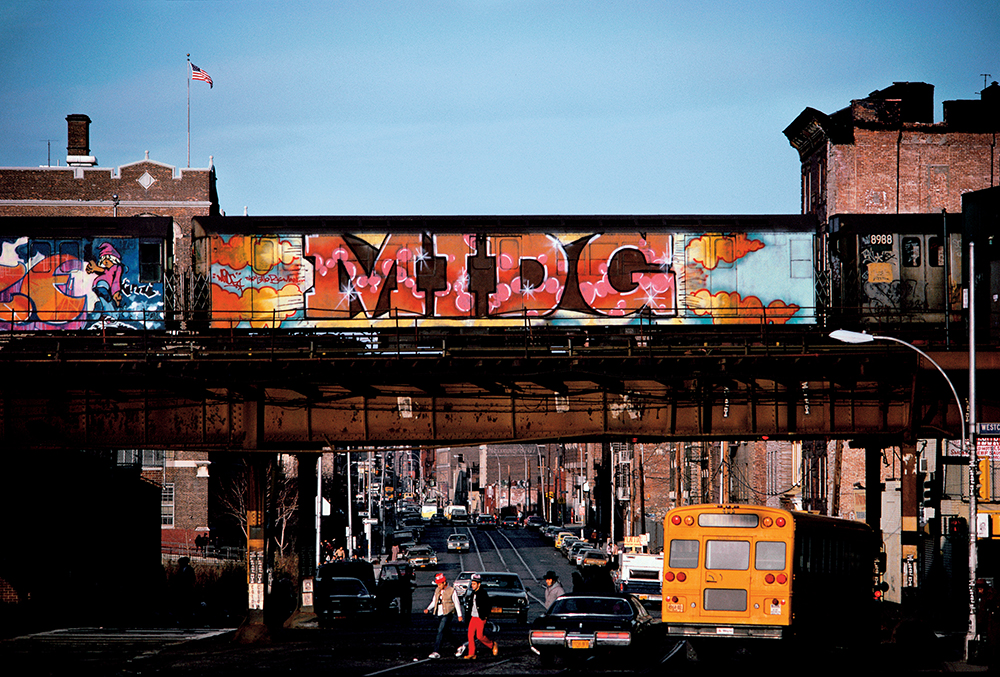
“Midg” with yellow school bus, 1982. Photograph: Martha Cooper
Luckily Martha Cooper and Henry Chalfant were there to snap some photographs before city-approved chemicals wiped the surfaces clean. Their work went on to form the subsequent ‘graffiti bible’ Subway Art. Originally published in 1984, the photo book has now undergone a large-scale reissue, featuring close to 70 previously unpublished photographs and a new introduction and afterword. Gathered here are some of the duo’s incredible images.
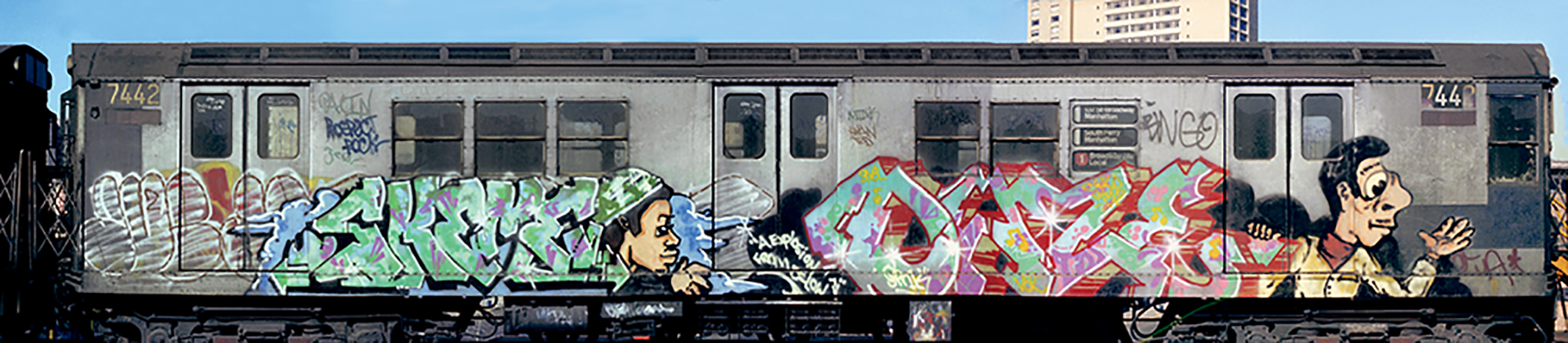
“Skeme Daze,” 1981. Photograph: Henry Chalfant
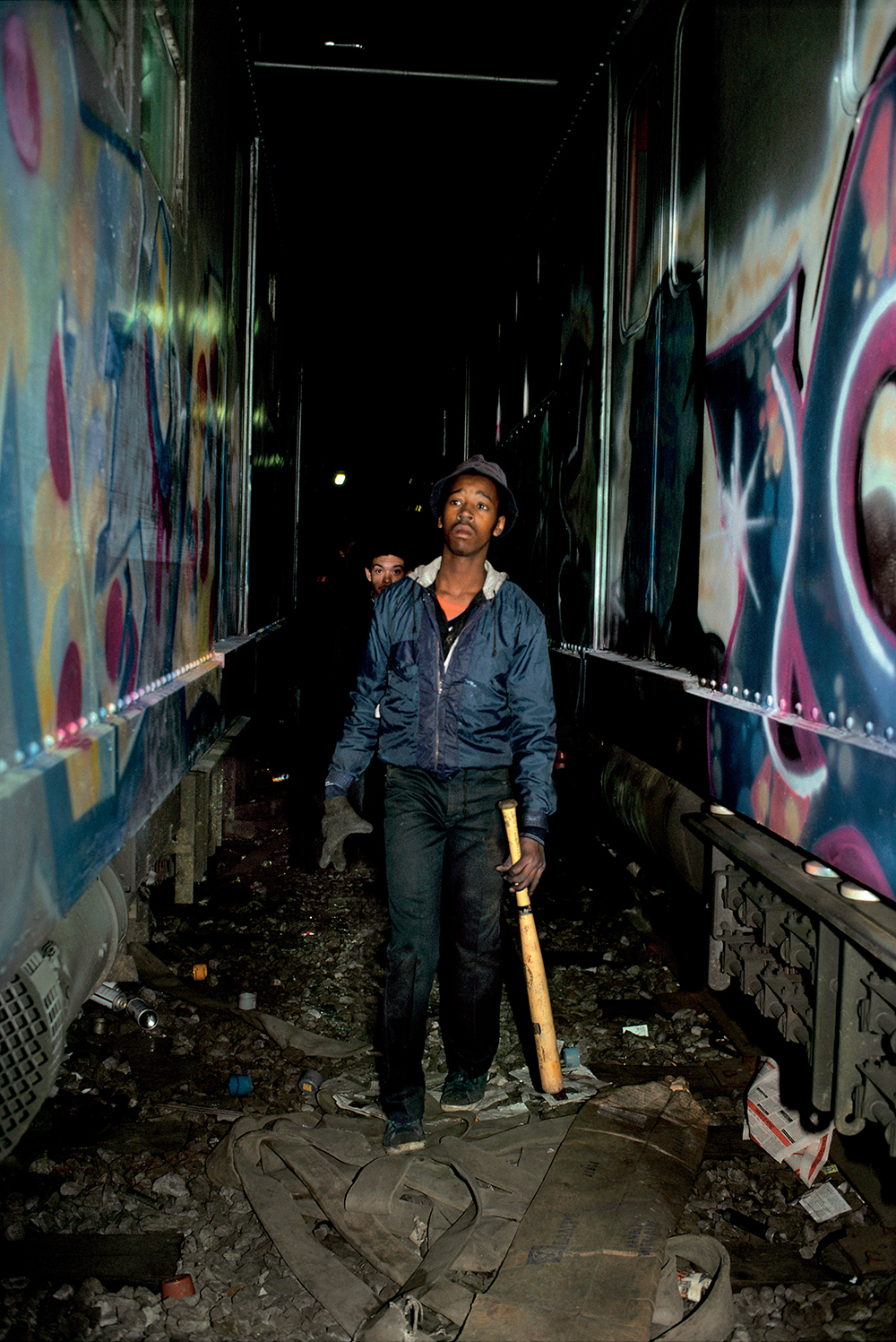
Dez on lookout with a baseball bat in the 3 Yard, Manhattan, 1982. Photograph: Martha Cooper
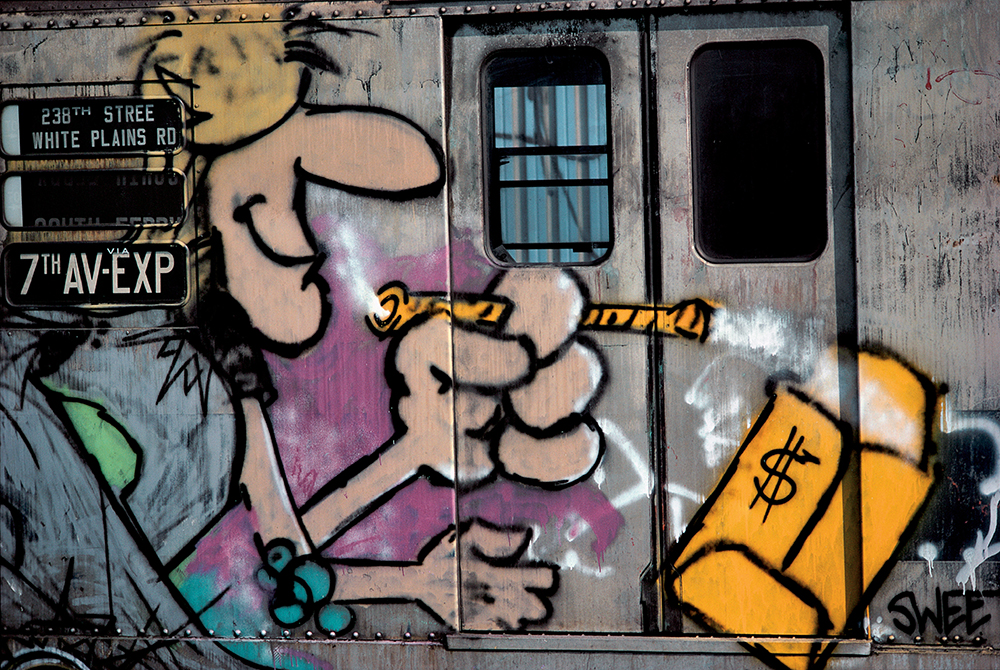
Photograph: Henry Chalfant
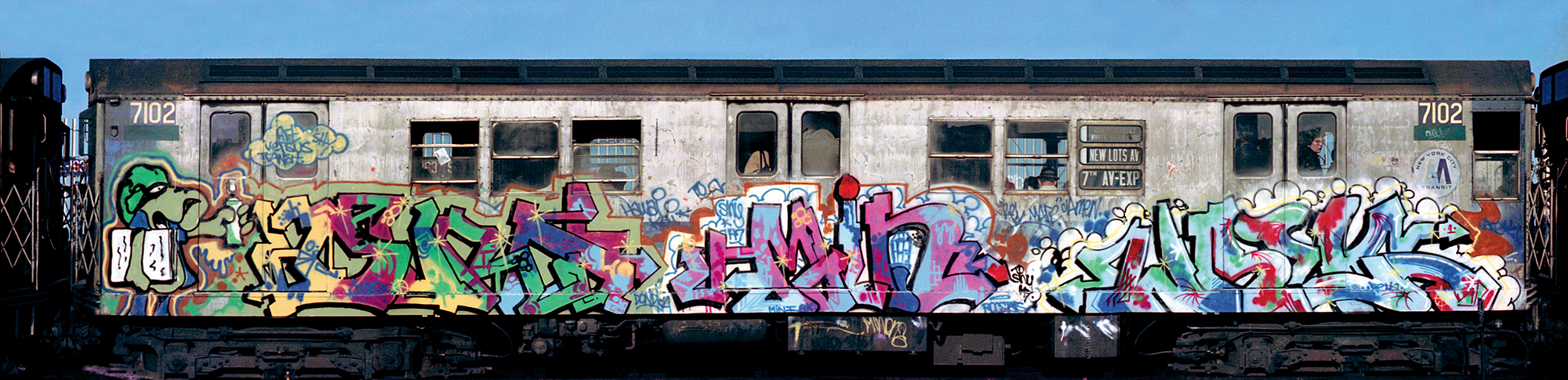
“Duro Min Wrek,” 1982. Photograph: Henry Chalfant
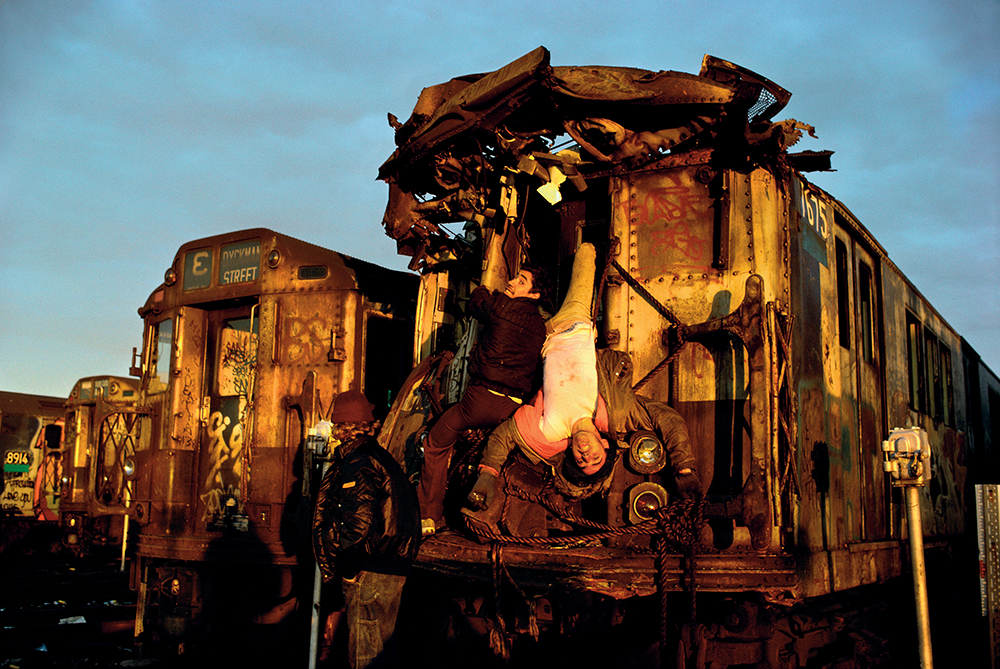
Min, Duro and Shy 147, New Lots Yards, the Bronx, 1981. Photograph: Martha Cooper
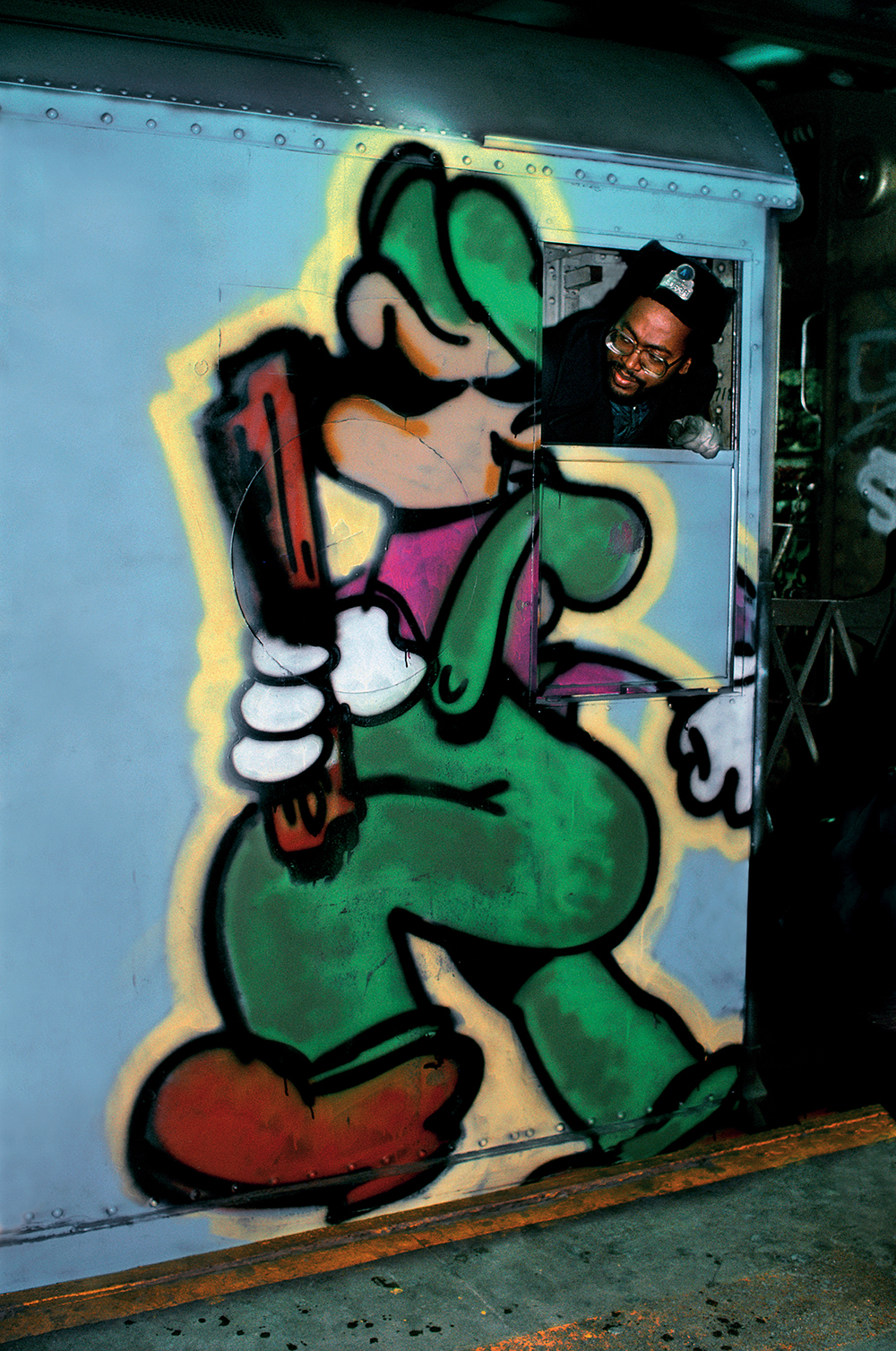
Mario character from Nintendo’s early Donkey Kong video game, by Son 1 and Rem, Manhattan, 1983. Photograph: Martha Cooper
Subway Art, by Henry Chalfant and Martha Cooper, is published by Thames & Hudson and is available to purchase here.
Enjoyed this article? Like Huck on Facebook or follow us on Twitter.
You might like

Exploring girlhood and land ancestry in Sudan’s cotton fields
Cotton Queen – A new feature debut from filmmaker Suzannah Mirghani explores the legacy of colonialism and the fight for self-determination through the tender eyes of a teenage girl.
Written by: Roxana Diba

Portraits of gay bears through a rooftop hatch
Big Boys On My Roof™ — Growing up, Anthony Stockdale struggled with his love for bigger men. His new photo series celebrates the bear community.
Written by: Anthony Stockdale

In photos: Lives of solitude at the world’s edge
Coirón — Pie Aerts’s new photobook documents years spent in close quarters with puesteros in Patagonia – a group of aging gauchos who live almost completely isolated existences.
Written by: Isaac Muk

The raw, fledgling intimacy of Peter Hujar’s contact sheets
Hujar:Contact — A new photobook highlights the process of the legendary queer photographer, and his process of growing into the artist he ultimately became.
Written by: Miss Rosen

Jesse Glazzard’s messy portrait of queer friends, lovers and chosen family
The Sound of Dirt and Beauty — The photographer’s debut monograph explores tender, unpolished moments shaped by the people who he surrounds himself with, while offering a window into the UK’s working-class LGBTQ+ community.
Written by: Sunny Sunday

Behind the curtain at Alternative Miss World 1981
Olympia glamour — Running a subversive take on the traditional beauty pageant, the Andrew Logan organised event prioritised underground creativity and invention. Photographer David Corio went behind the scenes at its biggest edition.
Written by: Miss Rosen


