Piratbyrån and Friends
- Text by Alex King
- Photography by Furtherfield

Piratbyrån, or the Pirate Bureau, were a group of Swedish artists, hackers and activists affiliated to the Pirate Bay, the notorious file sharing website that became a symbol of the fight against copyright. This small group made the multibillion dollar music and film industries tremble… then got bored, burned their manifesto and headed off on a series of road trips around Europe on rackety old bus.
“We decided to take our online experience and see what would happen if we put it into a stinky bus,” says former Piratbyrån member Palle Torsson. “It was such a concrete project on many levels and we made so many connections.”
After their bus journey came to an end and having become bored of the binary debate on copyright, the group dissolved in 2010. ‘Piratbyrån and Friends’ at London’s Furtherfield gallery commemorates the artwork, writings and adventures of this merry band of digital pranksters made over almost a decade of teasing the powers that be.
One of the key pillars of their philosophy was Kopimi; which goes beyond rejecting copyright and advocates that all information should be actively copied and shared. Piratbyran’s ideas had a huge influence on a number of artists, such as Evan Roth, whose work is also featured in the show.
“I’m an outsider or a latecomer to this group but that idea of Kopimi was a huge influence for me,” Evan explains. “You go to the Pirate Bay and at the bottom there’s this little logo. It’s still there and it’s these weird triangles and it’s this cryptic, mystic almost like religious symbol. I didn’t even know what it was for a long time, you know? And then you find out it’s this very simple idea but a very powerful one.”
‘Piratbyrån and Friends‘ is at London’s Furtherfield Gallery, London until Sunday, June 8.
You might like

Photographing America’s 20th century rebels
Rebels With a Cause — A new monograph looks back at Jean-Pierre Laffont’s extensive archive documenting counterculture, art, activism and more, shaping the country as it is today.
Written by: Isaac Muk

Sports Banger is throwing a party to mark 90 years since the Battle of Cable Street
“Fascists hate dancing” — The October event will bring DJs, live music, sound system culture and anti-fascist politics together in East London.
Written by: Ella Glossop
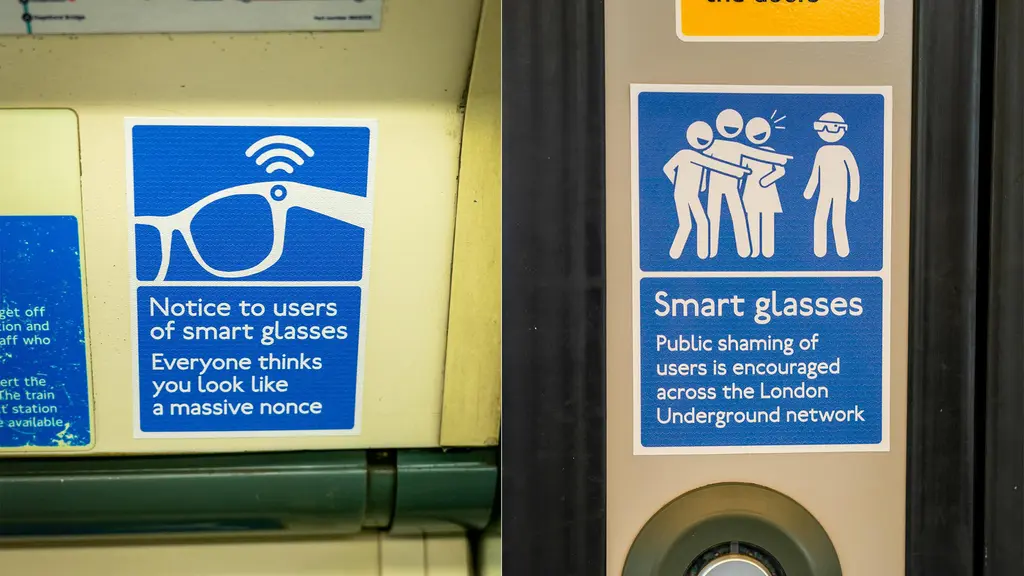
Activists slam “pervert glasses” in new guerrilla campaign
Everyone Hates Elon — Stickers have appeared on the London Underground network, criticising the wearable technology’s covert filming capabilities.
Written by: Isaac Muk

New exhibition highlights British radical living over 200 years
Earthly Paradise — Taking place at the William Morris Gallery, it explores the homes and lives of artists, writers, musicians and more, as well as the conditions that allowed them to thrive.
Written by: Isaac Muk

Pink Floyd’s Roger Waters joins team of new Palestinian resistance documentary
Freedom Theatre — Directed by Rishi Pelham, the film spotlights a theatre operating in the Jenin refugee camp.
Written by: Ella Glossop

Just Stop Oil holds first protest in 17 months
No new drilling — Having previously said that it was “hanging up the hi-vis”, the climate activist group has blocked a road outside Parliament to protest Andy Burnham opening the door for new oil and gas extraction licenses in the North Sea.
Written by: Ella Glossop


