Women in Poland are fighting for their reproductive rights
- Text by Natalia Domagala
- Photography by Agata Chybińska/Agarianna

“We want the whole life”, exclaimed a prominent Polish writer, Zofia Nalkowska, during the first Women’s Congress in Warsaw in 1907. More than a century later, not much has changed, and her words could not be more relevant. In Poland today female reproductive rights under threat. Poland already has some of the most restrictive abortion laws in Europe, and new proposals are set to implement an almost total ban on abortions in the country.

In recent months, the streets of Polish cities have been brimming with crowds of women in revolt. “My body, my choice”, they yell, as they march with clothes hangers raised as a weapon in a battle of democracy, respect and restoration of their full reproductive rights. As far as they see it, it’s time to stand up and be heard.


A Facebook group ‘Dziewuchy Dziewuchom’ – ‘Gals4Gals’ emerged overnight as a reaction to the new bill banning abortion. the legislation has been proposed by anti-abortion groups, led by Fundacja Pro. This spontaneous platform allowing women to express their discontent expanded rapidly, growing to one hundred thousand members in the first few days of its existence.
‘Gals’, as they call each other, come from various places, political backgrounds and age groups; united with one joint aim. “The idea behind this movement is clear”, says Mags, 31, an active member of this new organisation. “If we do not stand up for it, no one will. So Gals4Gals is exactly what it says – an international movement of Polish women fighting for all Polish women’s rights.”
With local divisions in all the major Polish cities and beyond, the grassroots group may have started out in the virtual world, but the physical movement is growing. It’s a testament to the power of social media to create real, powerful movements offline.
Fuelled by anger, frustration and injustice, Gals are striving for change, and their power lies in numbers and determination -this is the largest spontaneous female activist group in Poland’s long history.


Is it enough to influence the politics? They believe so. “If we organise a group of women who dare to disturb the male-dominated order, then yes, we can really achieve something. I want as many women as possible to find out that they can try to fight for their rights”, Iwona tells me, who’s become active in the campaign in her small town in central Poland.
“It is hard to ignore us and we will make it even harder if we need to,” Mags chimes in. “We will definitely not lay down our weapons – or lay down our hangers, should I say.”
“In Poland or not, we are united across borders – Girls4Girls have come to life in all major European cities, Australia and the US.”
As it stands, Polish abortion laws are heavily restrictive on woman’s autonomy over her body. Pregnancy can only be terminated in the first 12 weeks, and only if they fit into one of three scenarios: if there is a medical threat to the life of the mother, a severe foetal defect, or if pregnancy is a result of rape or incest. The proposed bill aims to eliminate these narrow provisions, and extend the prison sentence for doctors performing abortions.
Despite the fact that there are plans to restrict these laws even further, women are harnessing this opportunity to demand that a bigger debate about abortion can occur. Right now the message is clear: if you are a sexually active woman, unwanted pregnancy is your own fault, and you don’t deserve any legal protection, and something has to give.

“If you look at different aspects of reality of living in Poland, you will see that women who choose not to have children are stigmatised, perceived as emotionally damaged, portrayed as career-obsessed and selfish”, suggests Mags, who doesn’t want to have children and had abortion in the UK when she was in her late-twenties.
“A Polish woman is supposed to be a mother, above all, she is expected to make sacrifices for her offspring, to place everyone’s wellbeing before her own.”
Gals4gals are tired of church officials, the government and men in general determining their sexual freedom. The Catholic Church is prominent in Poland in 2016, and the views they’re espousing remain extremely significant in the debate. For women like Iwona, a mother of three, it’s just not good enough. “Religion makes people believe that women are worse – I understand that the Church wants power, but to hate women so much?”
This movement is growing stronger every day, expanding and working on the new events, protests and marches. They are stubborn and focused, refusing to be silenced.
“I am fighting for every woman’s rights to make her own decisions”, suggest Mags, “whether about her body, her mind or what she wants to do with her life in general.”
“This whole matter is about something bigger than the question of abortion – it is about whether or not women are still considered human beings.”
Enjoyed this article? Like Huck on Facebook or follow us on Twitter.
You might like

Photographing America’s 20th century rebels
Rebels With a Cause — A new monograph looks back at Jean-Pierre Laffont’s extensive archive documenting counterculture, art, activism and more, shaping the country as it is today.
Written by: Isaac Muk

Sports Banger is throwing a party to mark 90 years since the Battle of Cable Street
“Fascists hate dancing” — The October event will bring DJs, live music, sound system culture and anti-fascist politics together in East London.
Written by: Ella Glossop
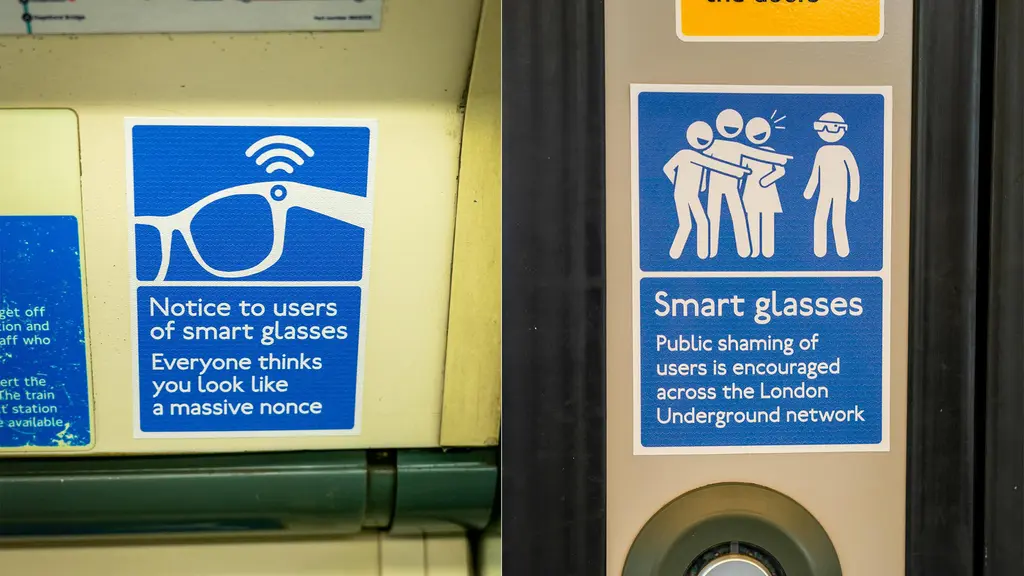
Activists slam “pervert glasses” in new guerrilla campaign
Everyone Hates Elon — Stickers have appeared on the London Underground network, criticising the wearable technology’s covert filming capabilities.
Written by: Isaac Muk

New exhibition highlights British radical living over 200 years
Earthly Paradise — Taking place at the William Morris Gallery, it explores the homes and lives of artists, writers, musicians and more, as well as the conditions that allowed them to thrive.
Written by: Isaac Muk

Pink Floyd’s Roger Waters joins team of new Palestinian resistance documentary
Freedom Theatre — Directed by Rishi Pelham, the film spotlights a theatre operating in the Jenin refugee camp.
Written by: Ella Glossop

Just Stop Oil holds first protest in 17 months
No new drilling — Having previously said that it was “hanging up the hi-vis”, the climate activist group has blocked a road outside Parliament to protest Andy Burnham opening the door for new oil and gas extraction licenses in the North Sea.
Written by: Ella Glossop


