A nostalgic and evocative portrait of modern Iran
- Text by Zoe Whitfield
- Photography by Sébastien Cuvelier

Belgian photographer Sébastien Cuvelier is drawn to man-made utopias. In 2017, he paid three visits to Iran over ten weeks, a place where people are “deeply romantic and flowers are everywhere,” he says. Each time, he stayed with new acquaintances, while producing a photo book entitled Paradise City – a celebration of modern Iran.
“I travel a lot, and I’ve rarely received such a high level of hospitality,” says Cuvelier, speaking about his trips to Iran on a call from his home in Luxembourg.
While the photographer was unfamiliar with the country beyond portrayals in the media, the project stemmed from a place of intimacy. Cuvelier found a journal belonging to his uncle, who had died some years before and had travelled to Persepolis in 1971. Almost immediately, he wanted to find out more about Iran.
“It put something in my head,” he explains. “My uncle was a student, 20 or 21, and around that time Iran was very much in the news – they had these celebrations for the 2,500th anniversary of the Persian Empire. At some point, I thought, ‘I’m going’.”
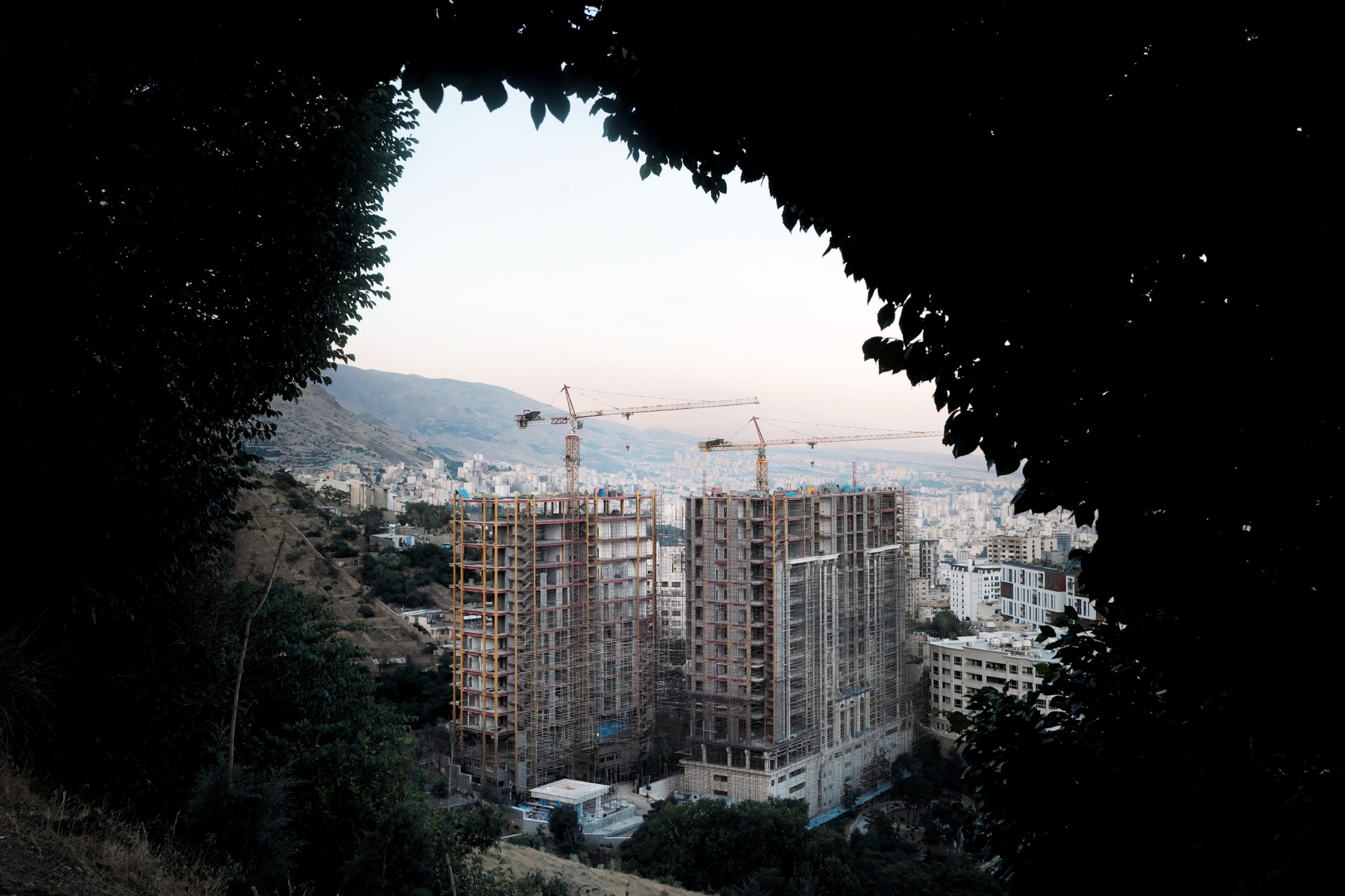
Although Cuvelier’s initial resource was his uncle’s 1971 travel itinerary, the photographer wanted to form his own relationship with the country. So, he travelled solo, and took pictures in lieu of his uncle’s writing.
In Paradise City, Cuvelier curates a conversation. He publishes his uncle’s observations of the country before the 1979 revolution, alongside his own images, oscillating between past and present.
“What struck me in Iran, was that you could feel how much of an in-between space the country was in,” notes Cuvelier. “There was something moving, like trying to run after a train that’s going full speed. I thought if I do the project for too long, I’m going to miss all those things that are going to change. So I saw this very much as a snapshot, which I thought was fitting because my uncle’s trip was the same.”
This urgency, he continues, was informed by the intensity he felt on his visits. “Because I was travelling alone, sleeping in people’s houses, even if I was resting at home there was something to see, to say, to talk about. It was an incredible time.”
Cuvelier spoke to Iranians on the ground and those in Europe about their experiences, which ultimately shaped the project. “Obviously it’s my pictures, so it’s very subjective,” he says. “But I wanted it to be, somehow, what they see. I felt this responsibility to show part of their brain.”
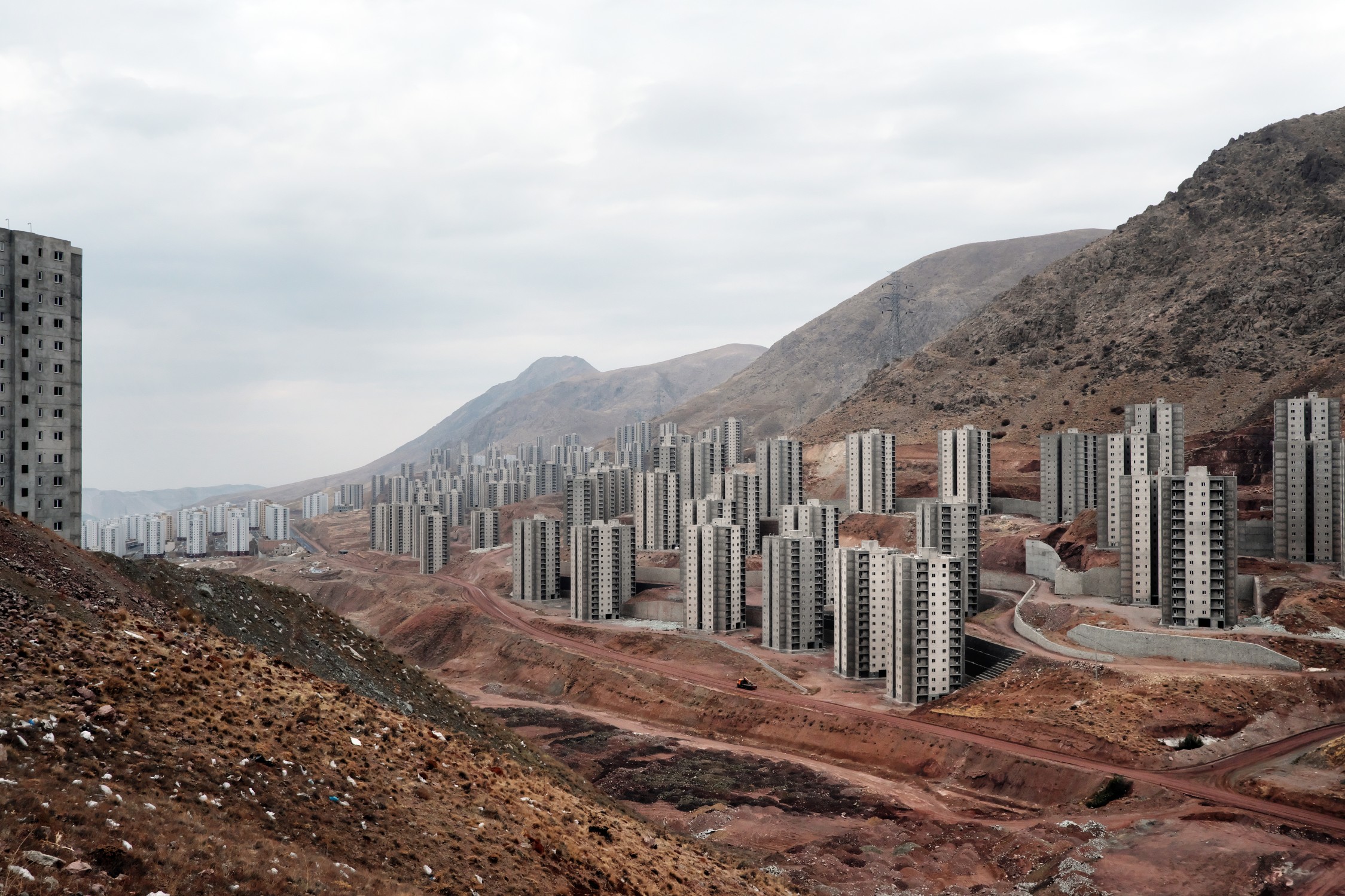
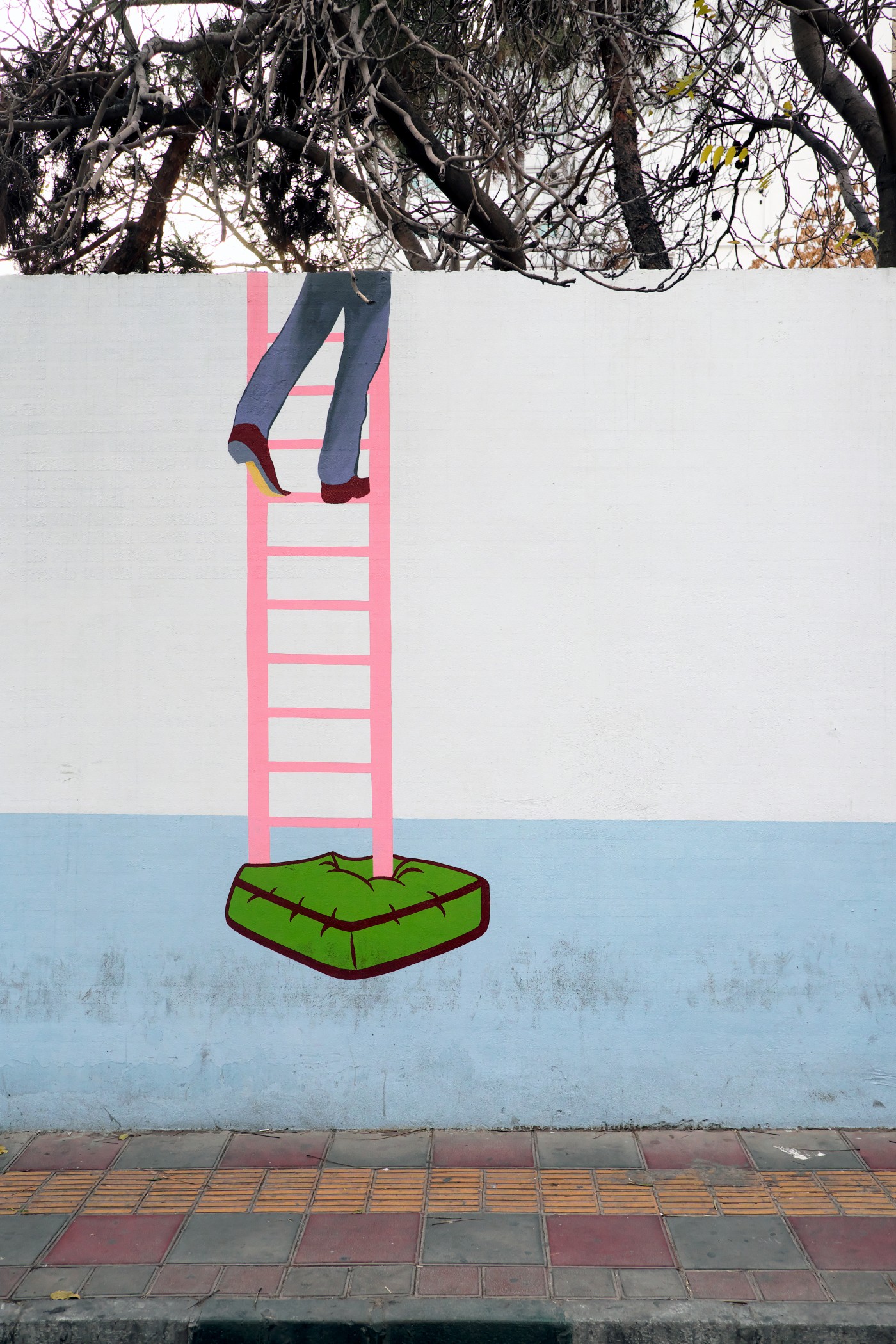
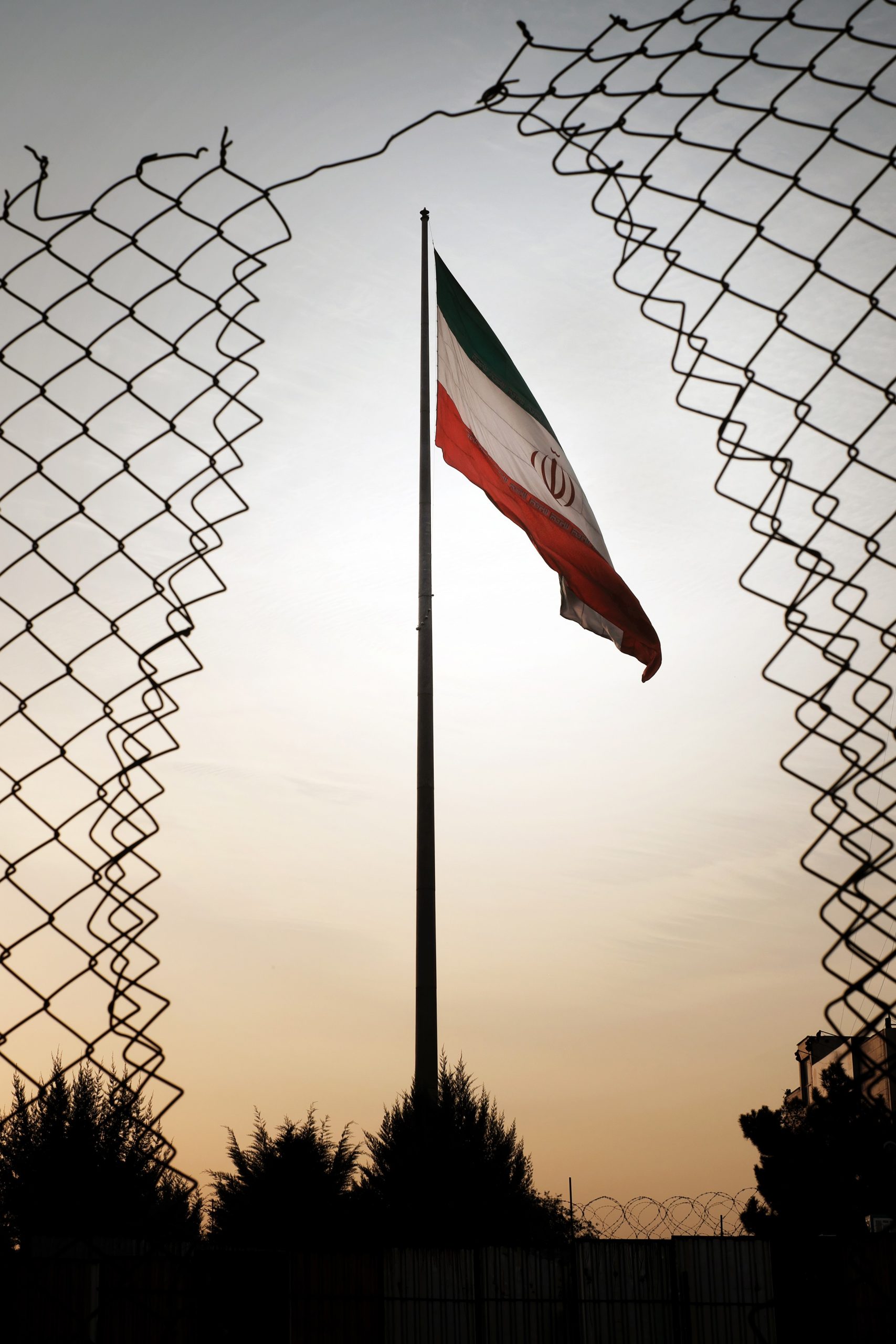
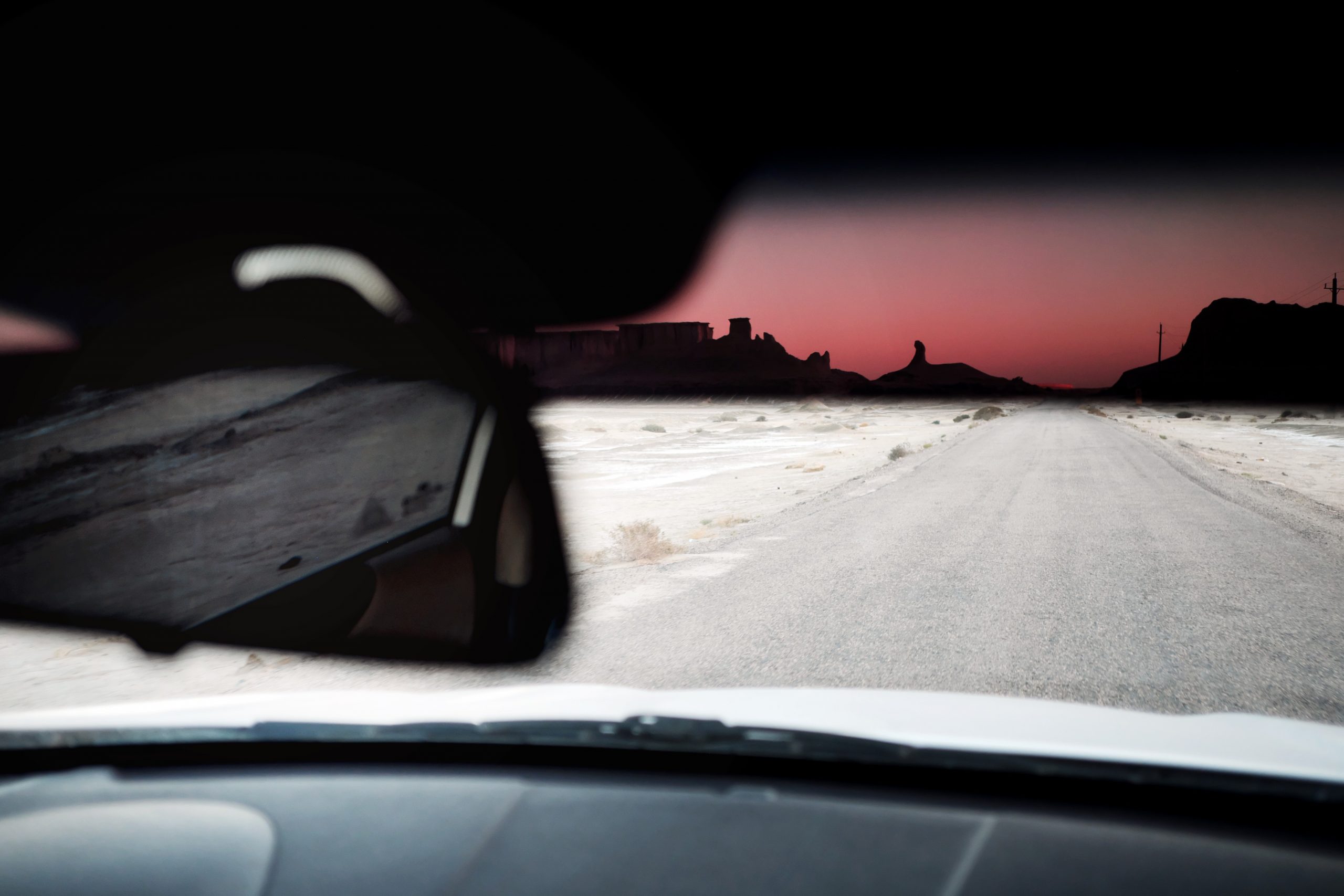
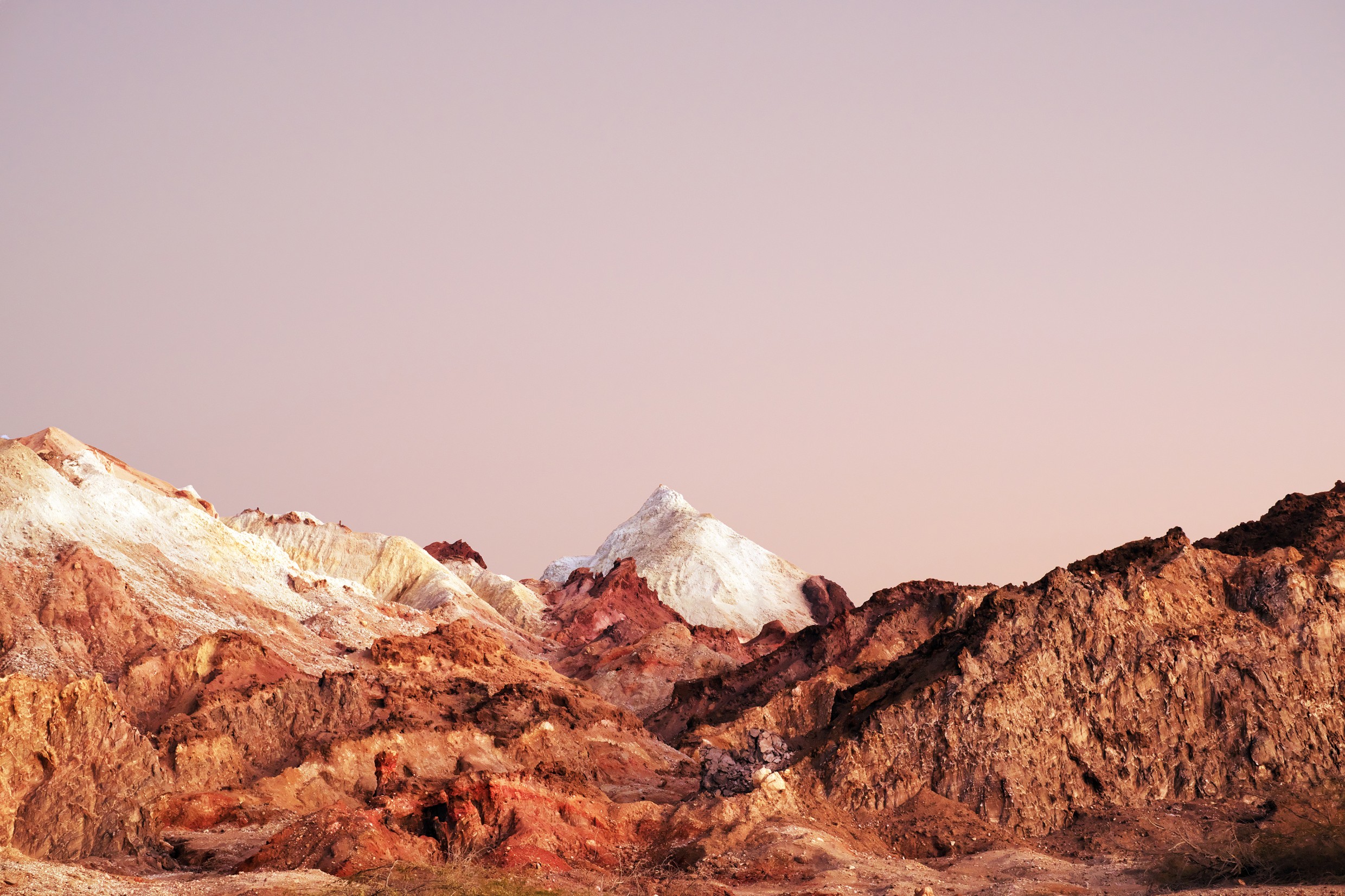
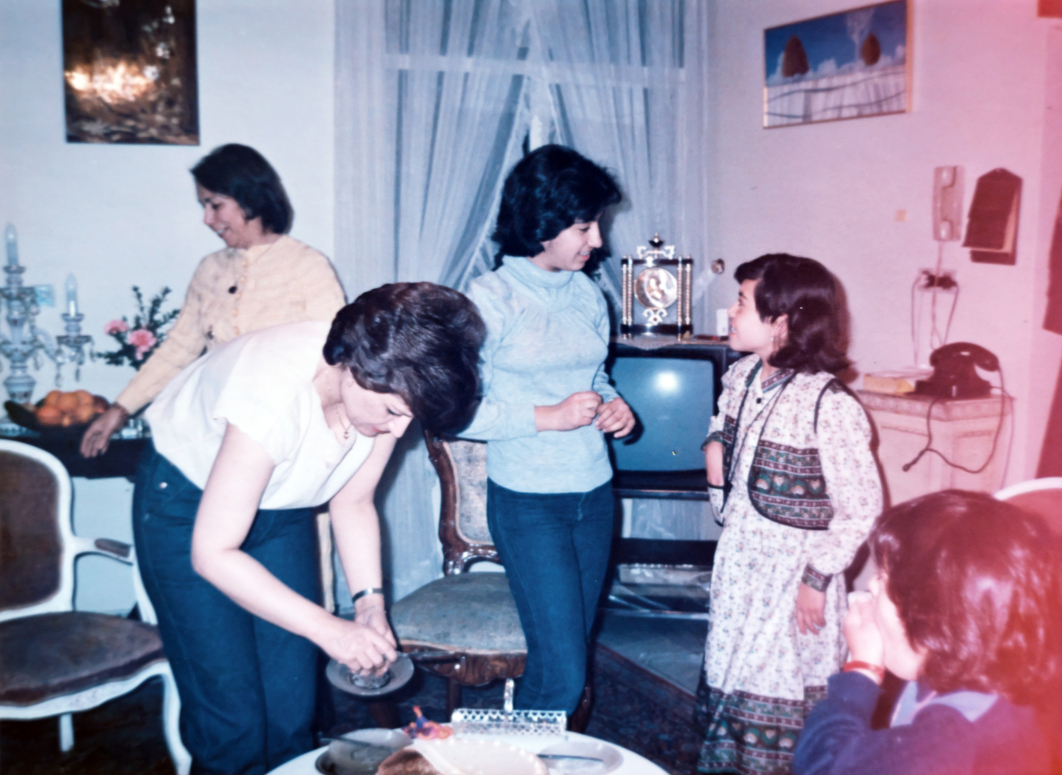
Paradise City is out now on GOST.
Follow Zoe Whitfield on Twitter.
Enjoyed this article? Like Huck on Facebook or follow us on Twitter.
You might like

Landmark new exhibition is celebrating 50 years of female punk
God Save the Queens – The Museum of Youth Culture is bringing together rare photography, archive material and a one-night-only supergroup featuring members of X-Ray Spex, The Slits and The Raincoats.
Written by: Ella Glossop

Halcyon, end of summer days in ’80s Massachusetts
Bell Pond — Stephen DiRado’s new photobook is a nostalgic look at blissed out moments of young love, family and coming of age at a swimming pond in Worcester, Massachusetts.
Written by: Miss Rosen

The groundbreaking photography of Gordon Parks
Voices in the Mirror — A new exhibition dives deep into the legendary lensman’s archive, who captured the Civil Rights Movement and Black America like no other.
Written by: Miss Rosen

A chaotic portrait of an ’80s American farming family
Holy Cow! — Melonie Bennett grew up on a farm in Maine in the ’80s, and documented her family’s idiosyncratic daily life. She presents those humorous, everyday memories in a new exhibition and photobook.
Written by: Miss Rosen

Nick Danziger’s striking vision of everyday British life in the ’90s
The British 1994-1999 — The renowned photojournalist returned to his birth country on the cusp of the Millennium, capturing its contradictions with humour and wit.
Written by: Miss Rosen

Exploring girlhood and land ancestry in Sudan’s cotton fields
Cotton Queen – A new feature debut from filmmaker Suzannah Mirghani explores the legacy of colonialism and the fight for self-determination through the tender eyes of a teenage girl.
Written by: Roxana Diba


