In Malawi, living with Albinism can be a death sentence
- Text by Alex King
- Photography by Reggie Yates

If you’re born with Albinism, a genetic condition that produces an absence of pigmentation in the eyes, skin and hair, it’s hard to keep a low profile. In the UK, that might mean attracting unwanted attention or drawing uncomfortable stares from passersby. But in Malawi, living with Albinism can be a death sentence.
Thousands of people with Albinism in Malawi live in fear of being killed or kidnapped. Superstitions and myths say that the bones and body parts of people with Albinism can bring good luck or financial rewards. People with Albinism risk ritual killing or having their body parts sold for use in rituals.

Amnesty has reported a worrying rise in killings of people with Albinism in Malawi over the last two years. Between December 2014 and April 2016, at least 18 people with Albinism were killed, with five others abducted and their whereabouts remain unknown.
At least 69 other crimes have been reported against people with Albinism, – including attempted abductions and the opening of graves in search of bones of dead people with Albinism. In April alone this year, four people, including a baby, were murdered.
The lack of accountability over killings of people with Albinism has revealed the police’s inability to protect this vulnerable group of people. Amnesty are leading calls for Malawian authorities to do more to ensure the rights of people with Albinism are protected.

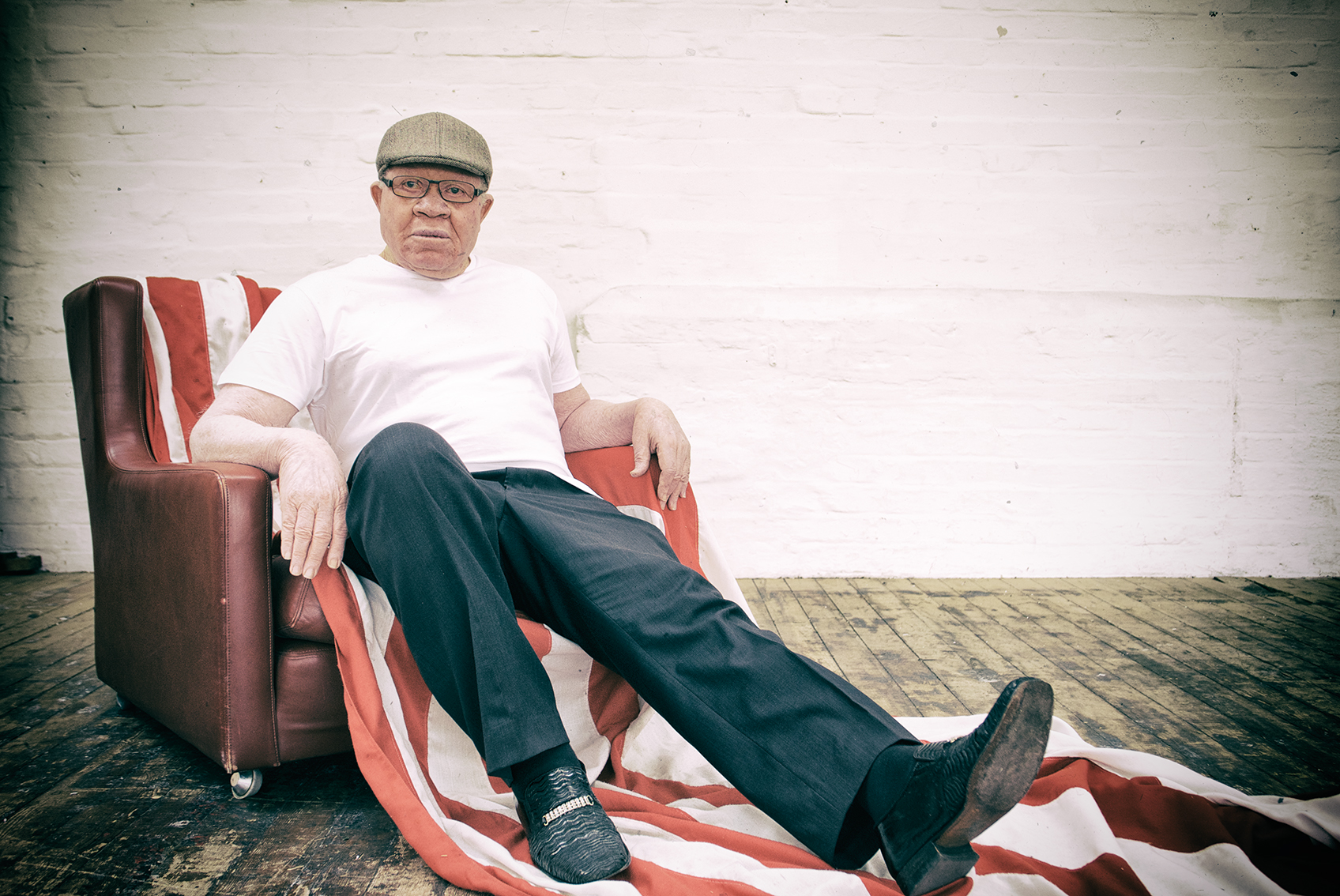
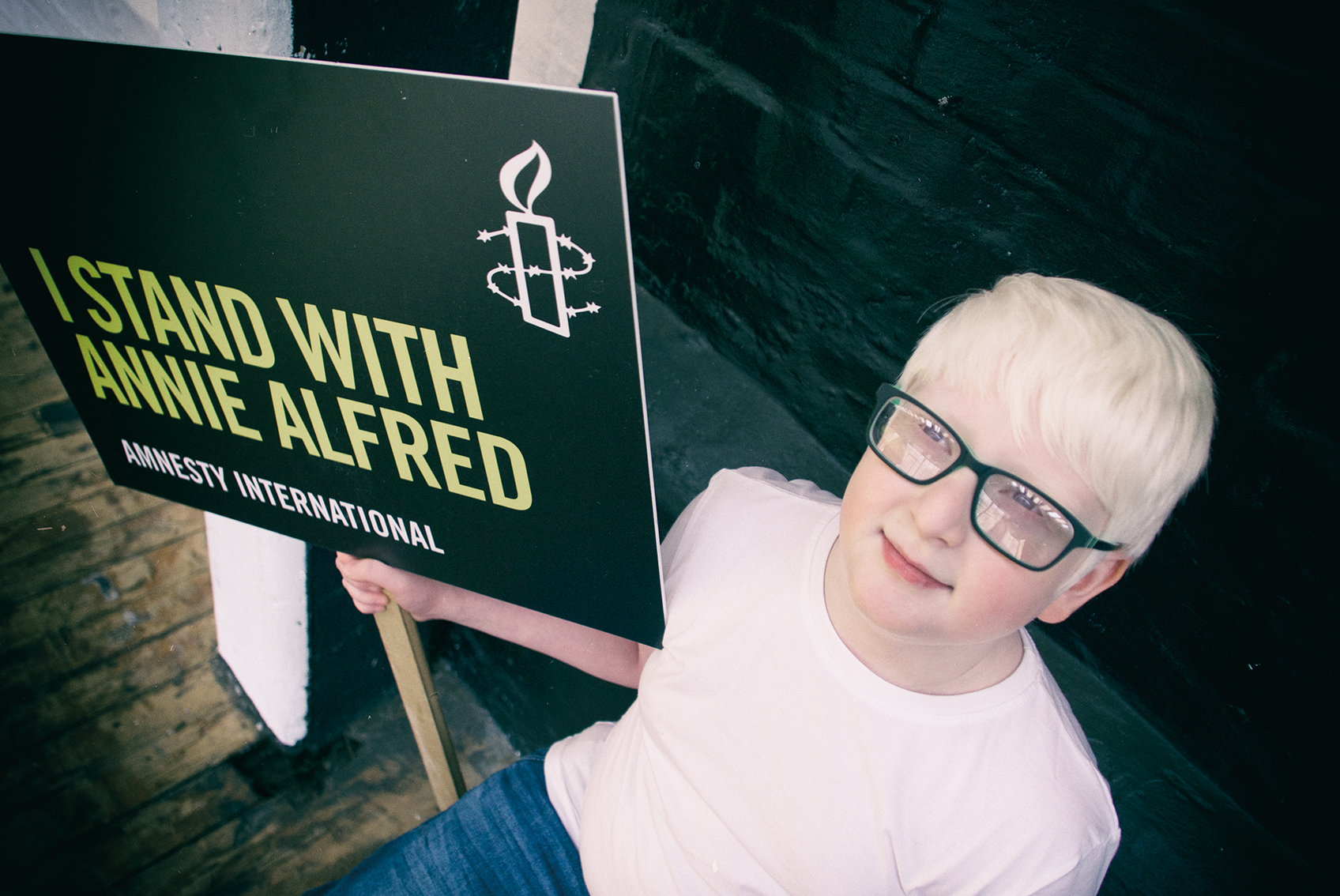
Now broadcaster Reggie Yates has created a photo series of British people with Albinism to support the campaign. Deirdre from Ireland, Christian from Cameroon, Yemi from Nigeria and nine-year-old Zain, born in the UK with Pakistani parentage, took part in the photoshoot to show their solidarity with those who live with the condition in Malawi.
11-year-old Annie Alfred is one of 7,000-10,000 people in Malawi who live with Albinism. When she finishes school, she wants to be a nurse but due to her condition she is at far greater risk of abuse, abduction or killing than her classmates. Annie features in Amnesty’s Write for Rights campaign, where people around the world are encouraged to send a message of hope to someone whose rights are being abused.
For Reggie and the British people with Albinism who took part in the photoshoot at Amnesty’s London HQ, the project is a small way they can support people like Annie who are standing up to protect their rights.
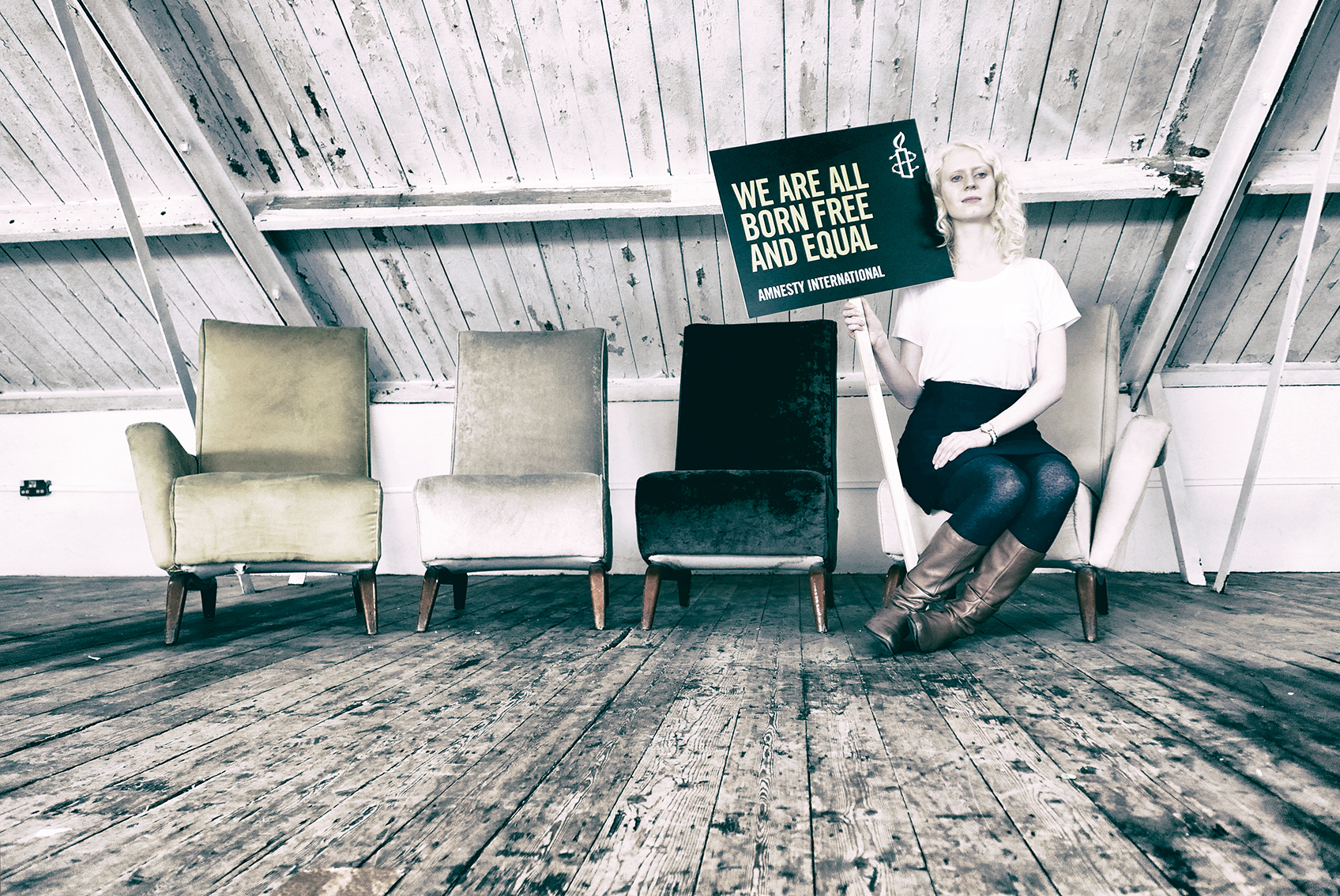
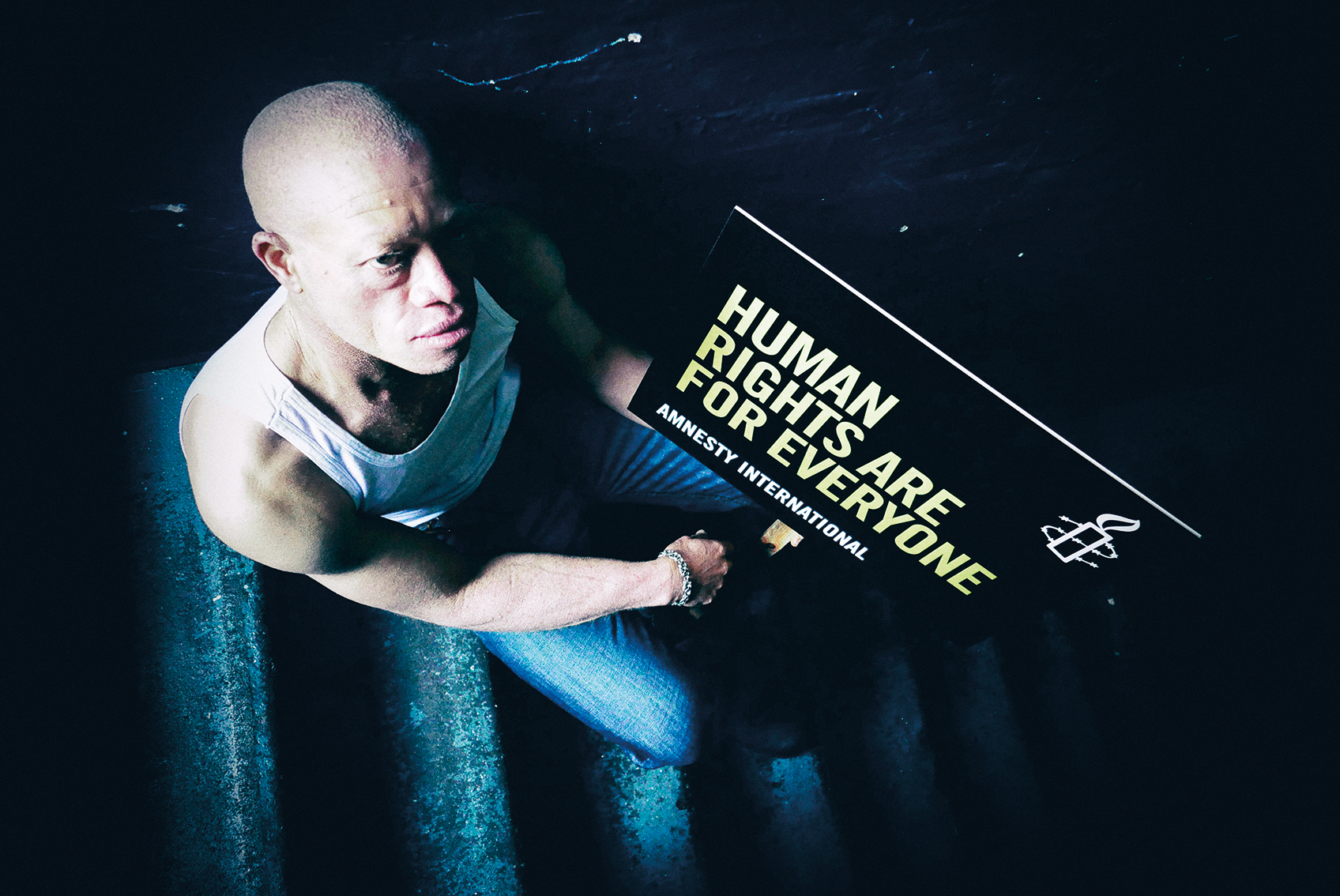
“The dangers and threats levelled at people living with Albinism in Malawi are hardly ever discussed here in the UK,” Reggie says. “But the reality for so many of them is terrifying. It was great to have met such amazing people from all walks of life, and to take their photographs, which I hope will play a role in supporting and encouraging Annie Alfred and all the thousands living in Malawi with Albinism. The fact that Annie has the strength to be the face of a campaign like this, to me is super inspiring and hopefully can inspire other people.”
Reggie Yates and Amnesty International present From London to Lilongwe: Photographs of solidarity and hope at Huck’s 71a Gallery, Leonard Street, Shoreditch 16-17 December 2016.
Enjoyed this article? Like Huck on Facebook or follow us on Twitter.
You might like

Nick Haymes’s intimate portrait of his family’s life
Chronograph — Over 25 years, the photographer documented his son’s lives as they grew into adults. The resulting photobook is an exploration of the passage of time, as well as the optimism of youth.
Written by: Miss Rosen

Kristina Rozhkova’s scatty, confronting portrait of captivity
Gut Feeling — The Russian artist’s 2024 arrest and subsequent detention opened her eye towards the omnipresent dynamics of power and control. Her new photobook is a stark exploration of being trapped.
Written by: Isaac Muk

UK’s first ever Latino film festival is coming to London
LoLaFF — Taking place between October 2-6, it will feature 55 filmmakers from Latin America, with an opening night at the Barbican.
Written by: Isaac Muk

Shawn Walker’s layered, psychedelic vision of Harlem’s streets
From BeBop to Illusion — Using glass as a means to illuminate the city’s different layers, the longtime photographer and filmmaker is publishing his first monograph at the age of 86.
Written by: Miss Rosen

In photos: The enduring resistance of Notting Hill Carnival
Carnival of Resistance — A new photobook by Wayne Campbell and Wayne Crichlow reflects on the protest beginnings of Europe’s biggest street festival, along with the traditions keeping its original spirit alive today.
Written by: Isaac Muk

Washing strangers’ feet at Houghton Festival
Pedilavium — As part of artist Henry Krokatsis’s performance piece at the weekender, we sat down with over 30 others to clean the dusty digits of passersby, while reflecting on the power of collective ritual and human connection.
Written by: Isaac Muk


