Protesters gather in London to oppose more police powers
- Text by Ben Smoke
- Photography by Aiyush Pachnanda

On 7 December, the Police, Crime, Sentencing and Courts bill (also known as the ‘policing bill’) reached another stage in its passage through Parliament. After passing its third reading in the commons in July of earlier this year, the Bill moved into the House of Lords where it has gradually been progressing. It is expected to reach its final stage over the next few days.
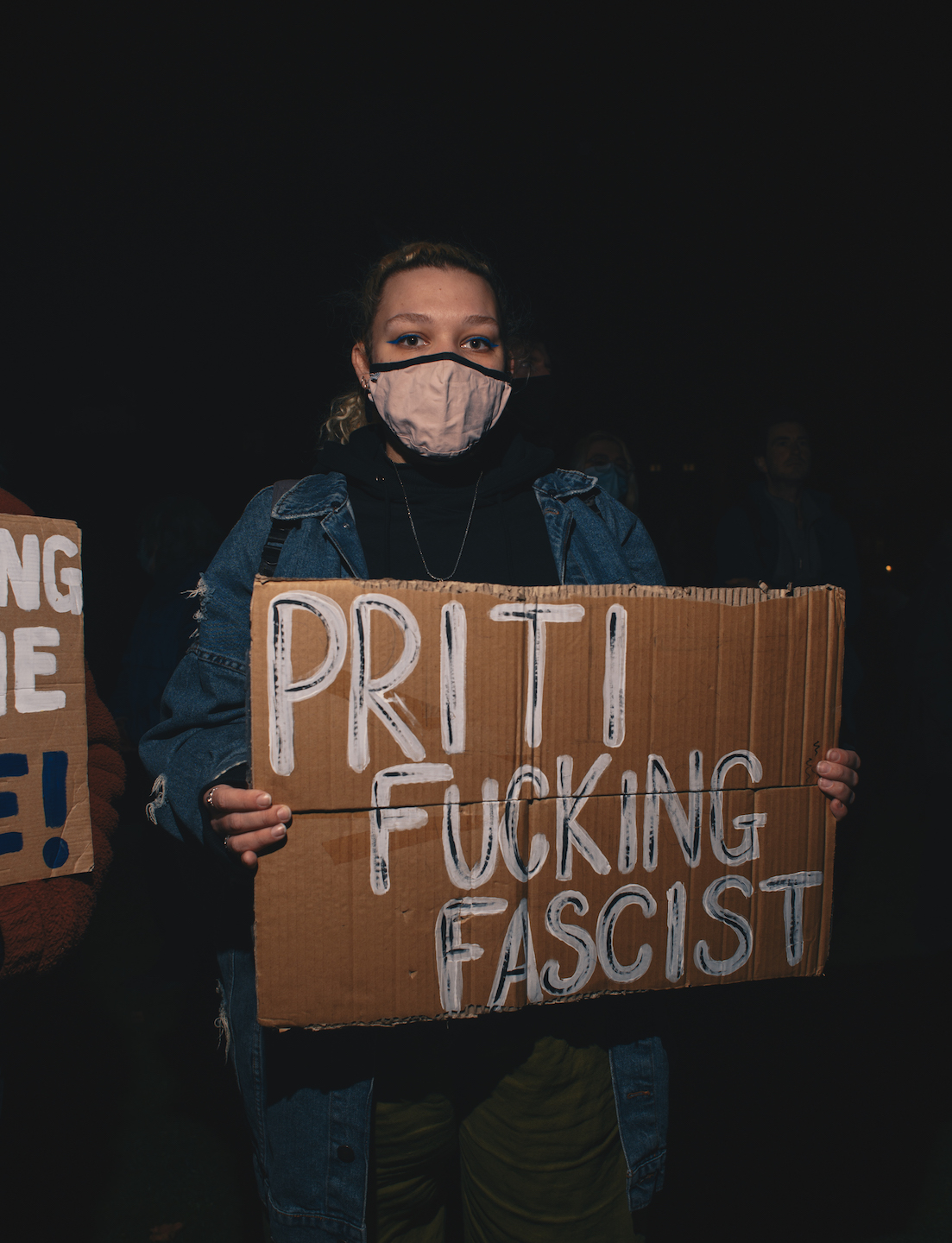
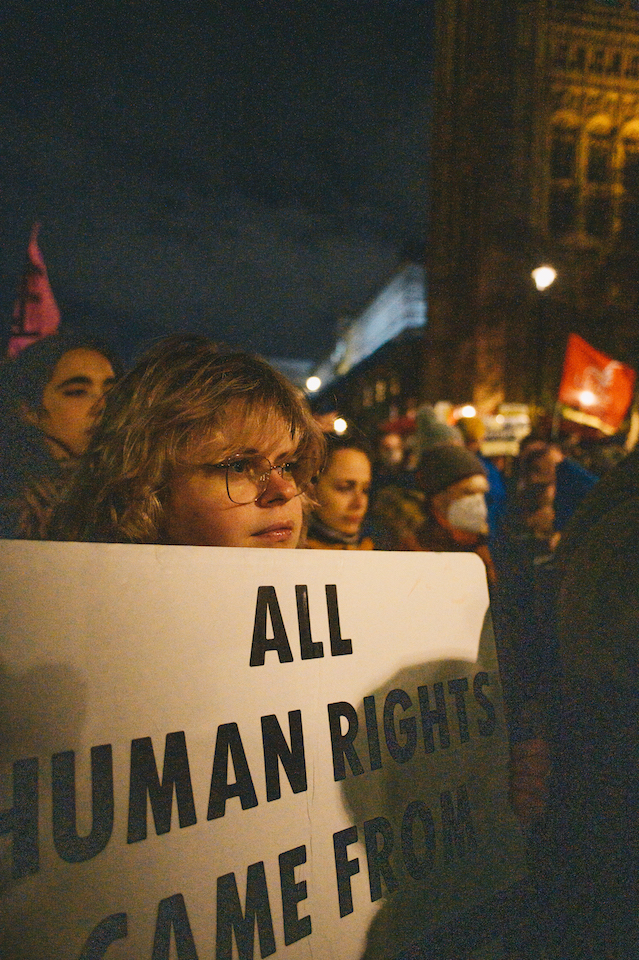
The policing bill has been extremely controversial since its introduction earlier this year. Campaigners say that many of the new provisions within it, which include new offences for vandalising statues and new powers for the police to shut down protest, will dramatically impinge on the right to protest in the UK, which is enshrined within the Human Rights Act. The Bill also includes provisions to criminalise trespass which many say will target Gypsy, Roma and Traveller communities.
Protests erupted in March and saw violent clashes on the streets of Bristol, London and Manchester as activists fought to ‘kill the bill’.
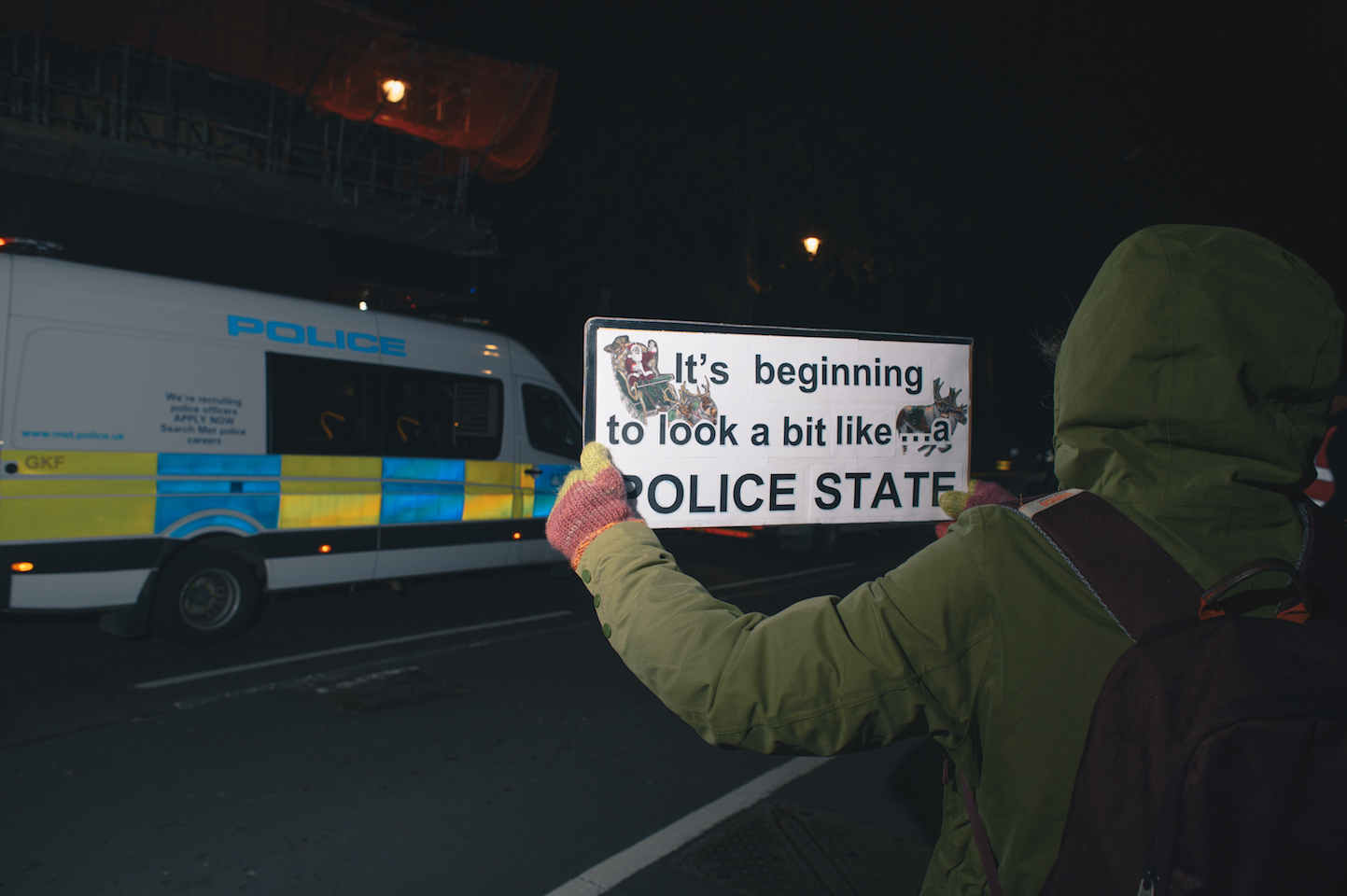
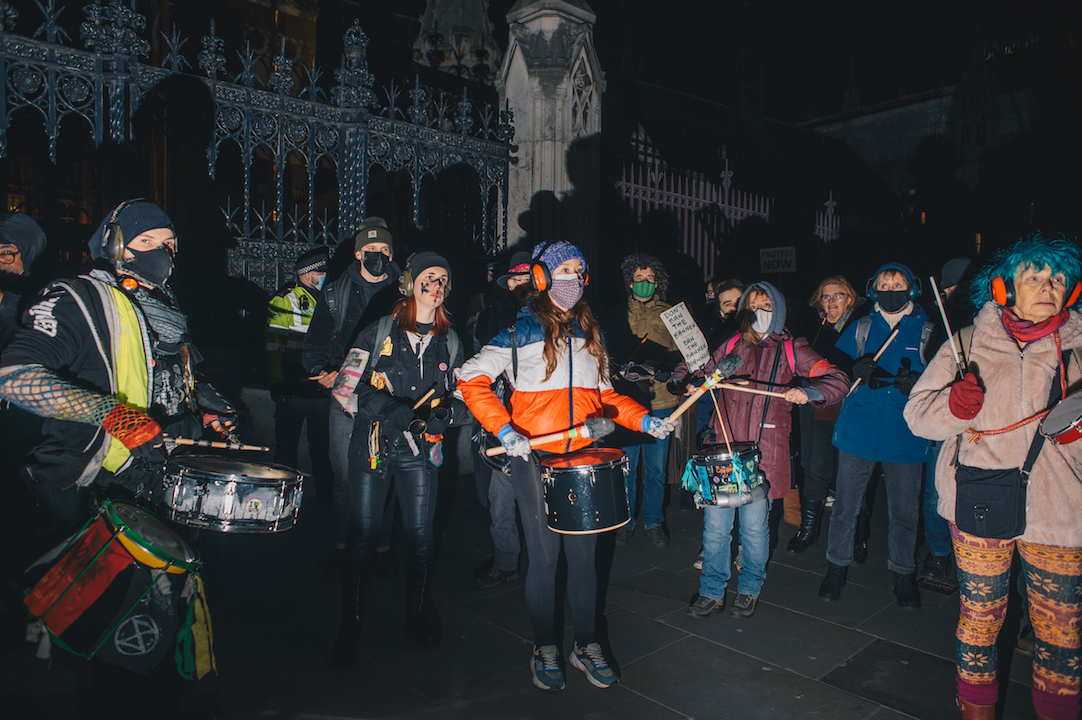
As the Bill has passed through the Lords, further powers have been added, including provisions that see increased stop and search powers and those which will outlaw so-called ‘lock-ons’ (the practice of locking yourself to a person or an object through the use of lock-on tubes or D-locks). Last night, hundreds came out on the streets of London to protest the bill.
Speaking on the Bill, Labour MP Nadia Whittome told Huck: “This Bill represents the criminalisation of our democratic rights; the end of protest as we know it in this country. Anyone who attends any demonstration will be at risk of arrest, of prosecution, of having their lives turned upside-down for daring to oppose this government. These are the laws of a dictatorship, not a democracy.”
She added: “It is of course marginalised people, like Roma and Traveller communities and Black youth, who will be targeted disproportionately. We have to resist this attack on protest through protest itself. We must build public pressure and force the government to U-turn.”
As Tories continue to be embroiled by scandal around alleged parties held in lockdown, and Prime Minister Boris Johnson announced a new raft of Covid-19 measures, anger at the government reached fever pitch. Photographer Aiyiush Pachnanda was there to capture the protests which took place in Westminster as the Bill continued its passage through the House of Lords.





Follow Aiyush Pachnanda on Instagram.
Ben Smoke is Huck’s Politics & Activism Editor. Follow him on Twitter.
Enjoyed this article? Like Huck on Facebook or follow us on Twitter and Instagram.
You might like
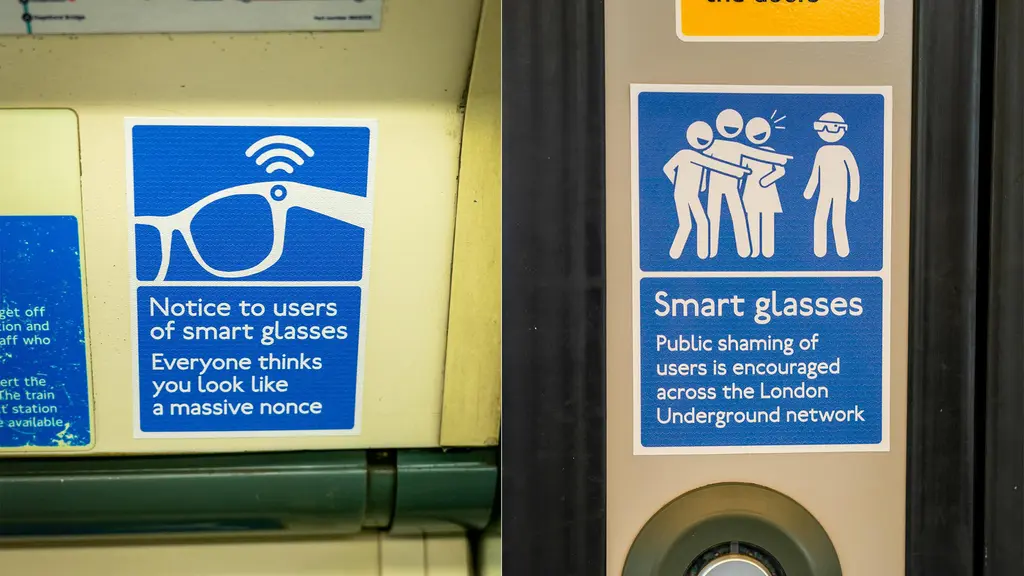
Activists slam “pervert glasses” in new guerrilla campaign
Everyone Hates Elon — Stickers have appeared on the London Underground network, criticising the wearable technology’s covert filming capabilities.
Written by: Isaac Muk

New exhibition highlights British radical living over 200 years
Earthly Paradise — Taking place at the William Morris Gallery, it explores the homes and lives of artists, writers, musicians and more, as well as the conditions that allowed them to thrive.
Written by: Isaac Muk

Pink Floyd’s Roger Waters joins team of new Palestinian resistance documentary
Freedom Theatre — Directed by Rishi Pelham, the film spotlights a theatre operating in the Jenin refugee camp.
Written by: Ella Glossop

Just Stop Oil holds first protest in 17 months
No new drilling — Having previously said that it was “hanging up the hi-vis”, the climate activist group has blocked a road outside Parliament to protest Andy Burnham opening the door for new oil and gas extraction licenses in the North Sea.
Written by: Ella Glossop

In photos: The enduring resistance of Notting Hill Carnival
Carnival of Resistance — A new photobook by Wayne Campbell and Wayne Crichlow reflects on the protest beginnings of Europe’s biggest street festival, along with the traditions keeping its original spirit alive today.
Written by: Isaac Muk

Tens of thousands gather to remember Jason Arday at London vigil
Stand Up to Racism — It took place in Trafalgar Square, with speakers paying tribute to the former Cambridge professor’s life and achievements, while calling for accountability over the reporting he faced from the mainstream press.
Written by: Ella Glossop


