Protestors oppose TED Talks’ platforming of oil bosses
- Text by Ben Smoke
- Photography by Theo McInnes

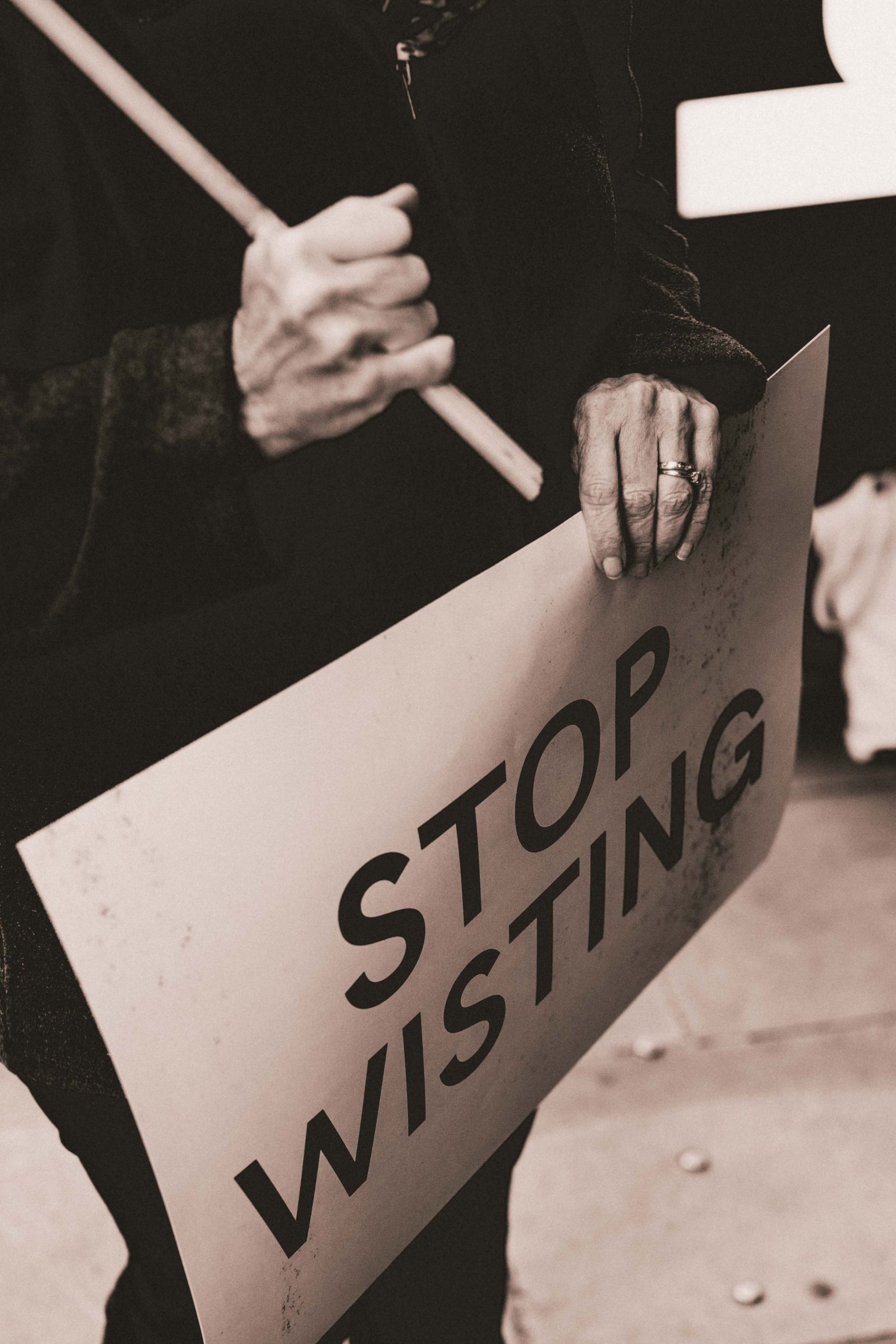
Today (6 October), dozens of activists gathered in the early morning sunshine outside of the Barbican centre. The demonstrators, who represented groups ranging from Greenpeace to grassroots organising groups like Stop Cambo, came together to picket a TED Countdown summit taking place in the central London venue.
The summit, organised by TED Talks and part of the non-profit’s climate initiative, seeks to “put ideas into action” where preventing climate change is concerned. Lauren MacDonald was one of those who took part in the picket this morning. Speaking to Huck, MacDonald explained that the activists – who held banners, distributed leaflets to attendees and chanted – were there to protest the platforming of oil executives at the summit.
“Today we are outside the TED Countdown Dilemma series where representatives of fossil fuel companies and banks that are funding the climate crisis are coming together in conversation about how we phase out from fossil fuels,” she says. “We are here to hold them accountable to the responsibility that they have for the climate crisis.”

The event this morning included representatives from Equinor, a Norwegian oil giant, who have submitted an application to drill the biggest undeveloped oil field in the North Sea called Rosebank.
“If Rosebank were to go ahead” Macdonald, who is part of the Stop Rosebank campaign, continued, “it would create more co2 pollution than the combined annual co2 emissions of the 28 lowest income countries combined, so from this one field, it would create more co2 than 700 million people in the global south produce in a year. Equinor has a vast responsibility not to go ahead with this field, the UK government must reject it and we’re here to call for that.”
Representatives from other fossil fuel companies including BP were invited to speak. Activists have claimed that TED is providing a platform for fossil fuel companies to greenwash and “continue their rhetoric of lies”. Last year MacDonald challenged Shell CEO Ben Van Beurden on stage at TED Countdown over the company’s complicity in climate breakdown.
“These spaces need to directly hold the fossil fuel companies and those causing the climate crisis responsible, and if they are not doing that, then it begs the question: whose side are they actually on?” MacDonald told Huck.

Also present at the demonstration were representatives from Fossil Free London. Robin from the group told Huck, “Our life support systems are being suffocated by the likes of Equinor and BP. London – and the world – will resist these oily executives. Forty years of climate disinformation speaks for itself. They cannot be trusted to have a good faith conversation, so we continue to protest and to ask for people to join us in resistance to demand one simple thing: our survival.”
In a statement given to Huck, TED Countdown stated: “Activism and efforts to address the climate crisis take many forms. We support the right of people to protest, including against those they hold responsible for climate change. Our work includes convening people for difficult, candid conversations about some of the toughest issues we face. Eighty percent of today’s global energy comes from fossil fuels – we’re focused on how we shift away from this, to clean, secure affordable energy as fast as possible. We do not believe we can accelerate progress by refusing to talk to the incumbents who are responsible for the bulk of today’s energy supply, and we’re committed to holding space for this difficult work.”




Follow Theo McInnes on Instagram.
Enjoyed this article? Like Huck on Facebook or follow us on Twitter.
You might like
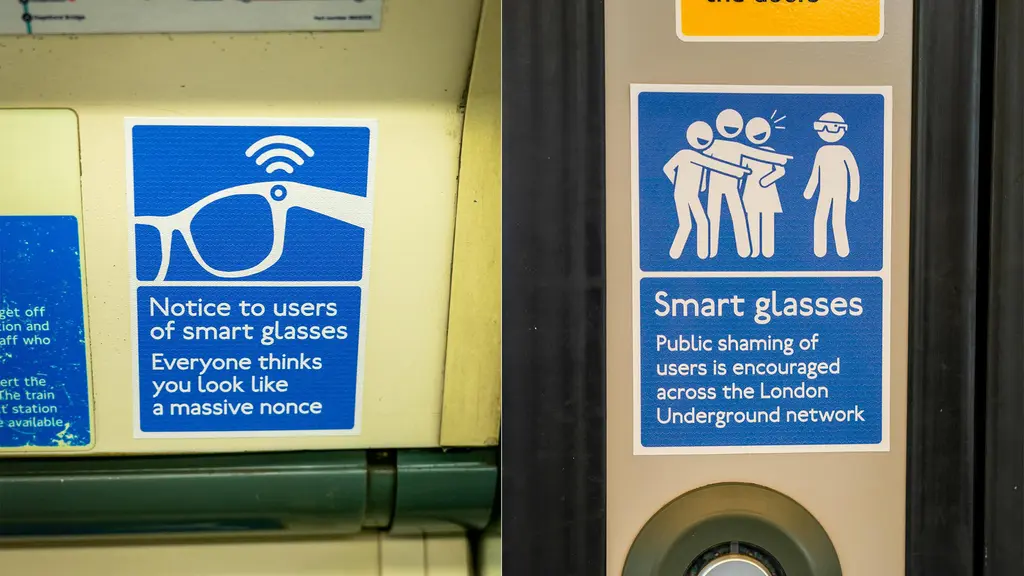
Activists slam “pervert glasses” in new guerrilla campaign
Everyone Hates Elon — Stickers have appeared on the London Underground network, criticising the wearable technology’s covert filming capabilities.
Written by: Isaac Muk

New exhibition highlights British radical living over 200 years
Earthly Paradise — Taking place at the William Morris Gallery, it explores the homes and lives of artists, writers, musicians and more, as well as the conditions that allowed them to thrive.
Written by: Isaac Muk

Pink Floyd’s Roger Waters joins team of new Palestinian resistance documentary
Freedom Theatre — Directed by Rishi Pelham, the film spotlights a theatre operating in the Jenin refugee camp.
Written by: Ella Glossop

Just Stop Oil holds first protest in 17 months
No new drilling — Having previously said that it was “hanging up the hi-vis”, the climate activist group has blocked a road outside Parliament to protest Andy Burnham opening the door for new oil and gas extraction licenses in the North Sea.
Written by: Ella Glossop

In photos: The enduring resistance of Notting Hill Carnival
Carnival of Resistance — A new photobook by Wayne Campbell and Wayne Crichlow reflects on the protest beginnings of Europe’s biggest street festival, along with the traditions keeping its original spirit alive today.
Written by: Isaac Muk

Tens of thousands gather to remember Jason Arday at London vigil
Stand Up to Racism — It took place in Trafalgar Square, with speakers paying tribute to the former Cambridge professor’s life and achievements, while calling for accountability over the reporting he faced from the mainstream press.
Written by: Ella Glossop


