How radical publishers in Hong Kong are pissing off the Chinese government
- Text by Josh Gabert-Doyon

In a busy shopping district not far from Hong Kong’s port, Causeway Bay Bookstore is a popular spot for travellers arriving from mainland China to buy banned books. The bookstore is owned by Mighty Current, a publishing house that documents power struggles and scandals within the Chinese government – a sort of mix of tabloid exposé and political zine.
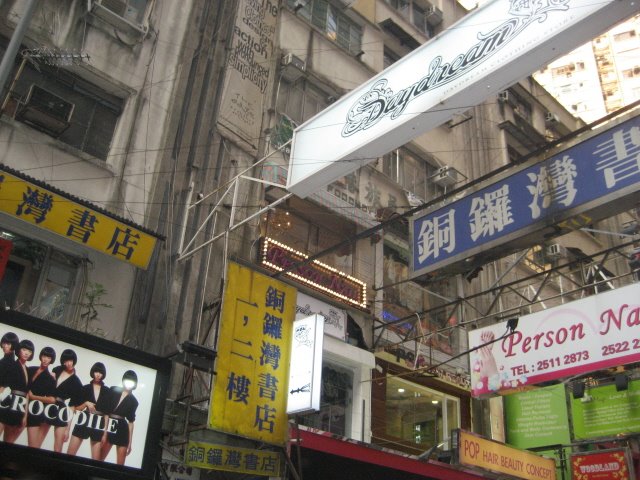
Causeway Bay Bookstore
Lee Bo, one of the employees of Mighty Current, was out on a trip to the shop’s warehouse when it’s suspected Chinese officials detained him and had him transported to Mainland China.
Lee, a British citizen, is the fifth person associated with the anti-Beijing publisher to disappear since October. Gui Minhai, Lui Bo, Cheung Jiping and Lam Wing-kei have all gone missing since Mighty Current announced it was assembling a book on Chinese president Xi Jinping’s sexual escapades.
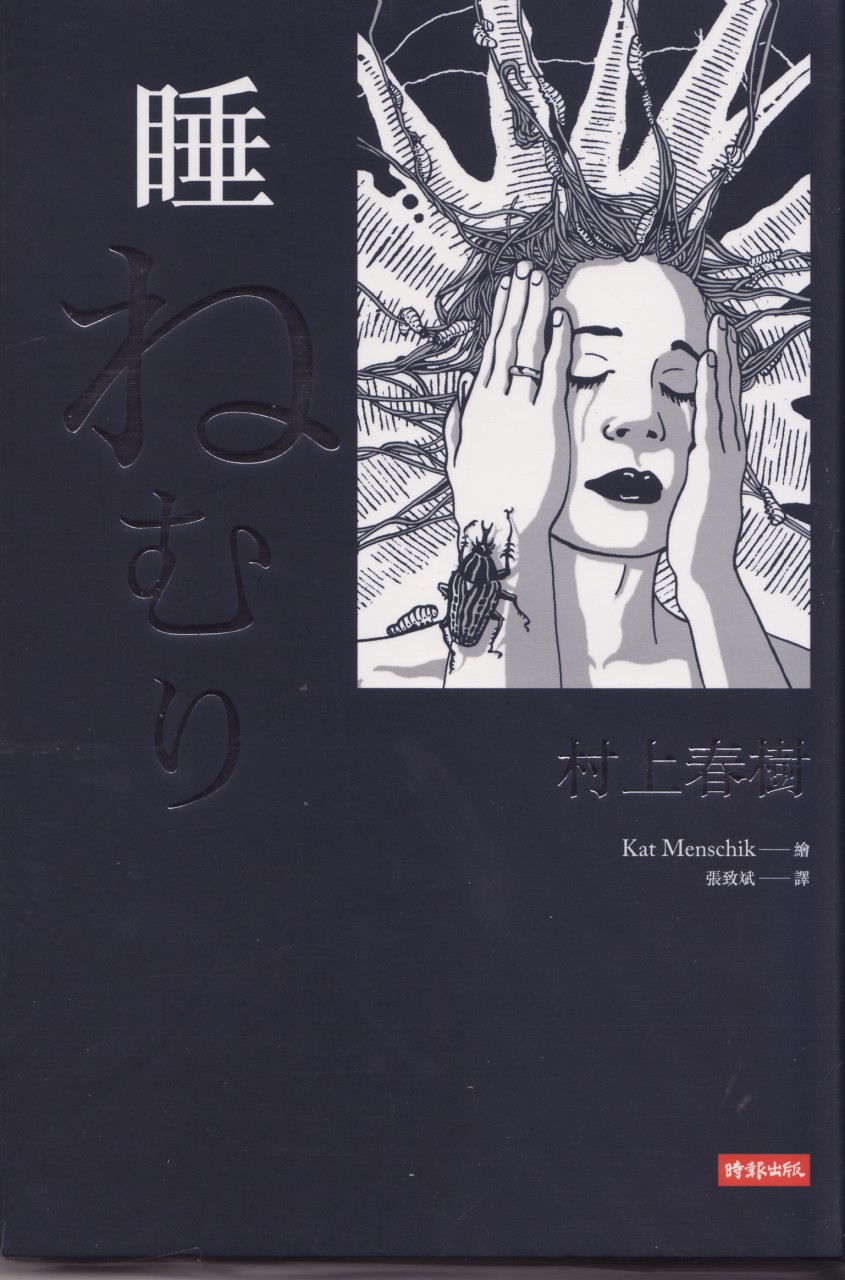
Sleep by Haruki Murakami (Chinese Edition)
The bookshop also carries poetry, history, economics, and an array of books that forecast China’s collapse. Political literature is something of a cottage industry in Hong Kong, often being smuggled out of the semi-autonomous island. Politics and sex are closer than you might think. Erotic literature is difficult to get in Mainland China because of the censors – so Causeway Bay Bookstore has a shelf for that as well.
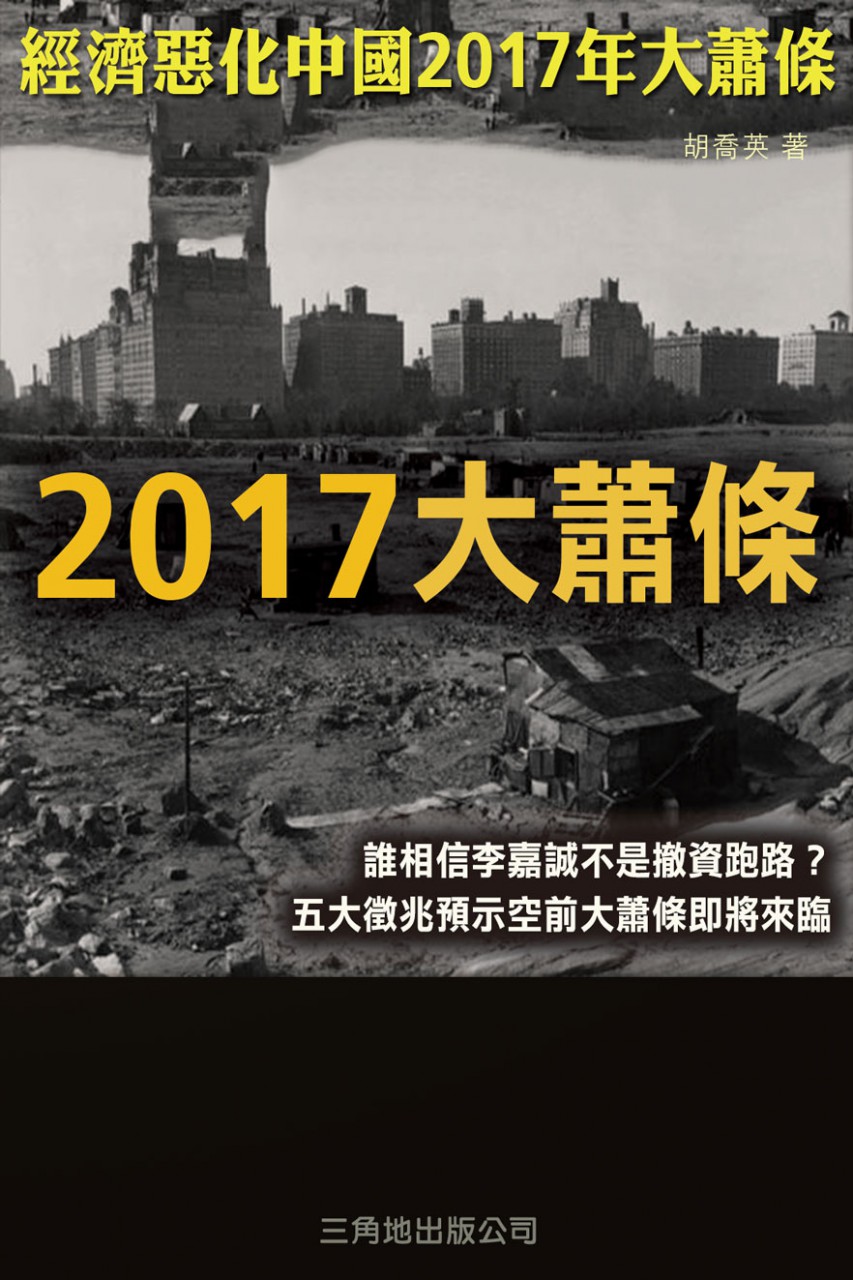
2017 Great Depression by Huqiao Ying
Hong Kong doesn’t have the same press and publishing restrictions as the rest of China – where much critical literature, art and even social media is carefully monitored and controlled – due to the “One Country, Two Systems” agreement that was reached after the British colony became independent in 1997.
The agreement also means that if China were responsible for the disappearances, it would be in encroaching on Hong Kong’s sovereignty – essentially swooping in and kidnapping people.
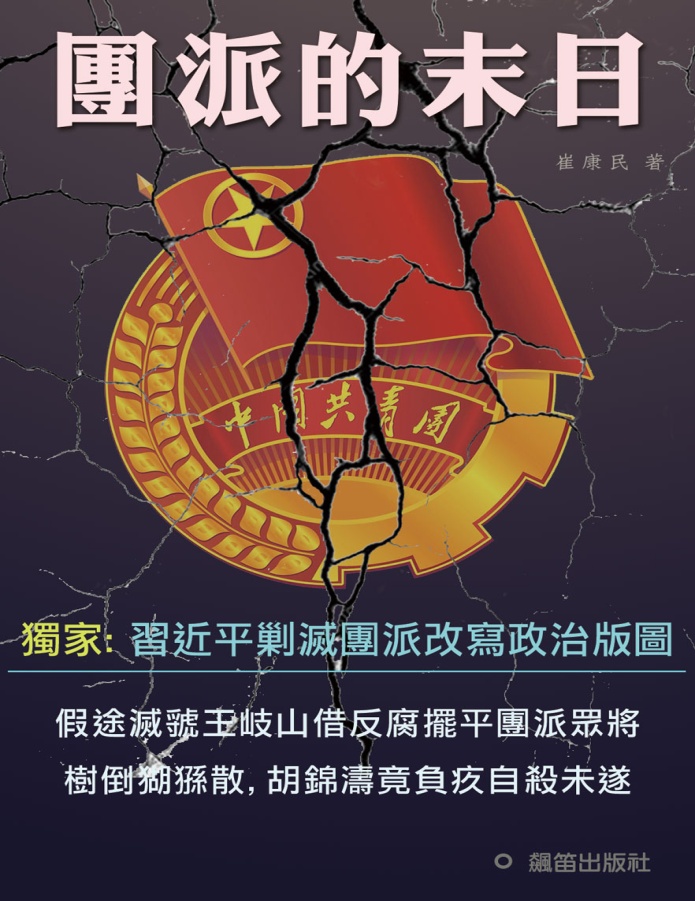
Doom of Tuanpai by Cui Kangmin
In a bizarre turn of events, Lee’s wife received a call from him the night he disappeared; he told her he would be back soon and that he was helping the government with an investigation – what investigation he was referring to is unclear. Soon afterwards a handwritten letter from the bookseller was released which said he was safe and sound in Mainland China. Despite widespread speculation Lee wrote the letter against his own will, his wife quickly retracted her missing person’s report.
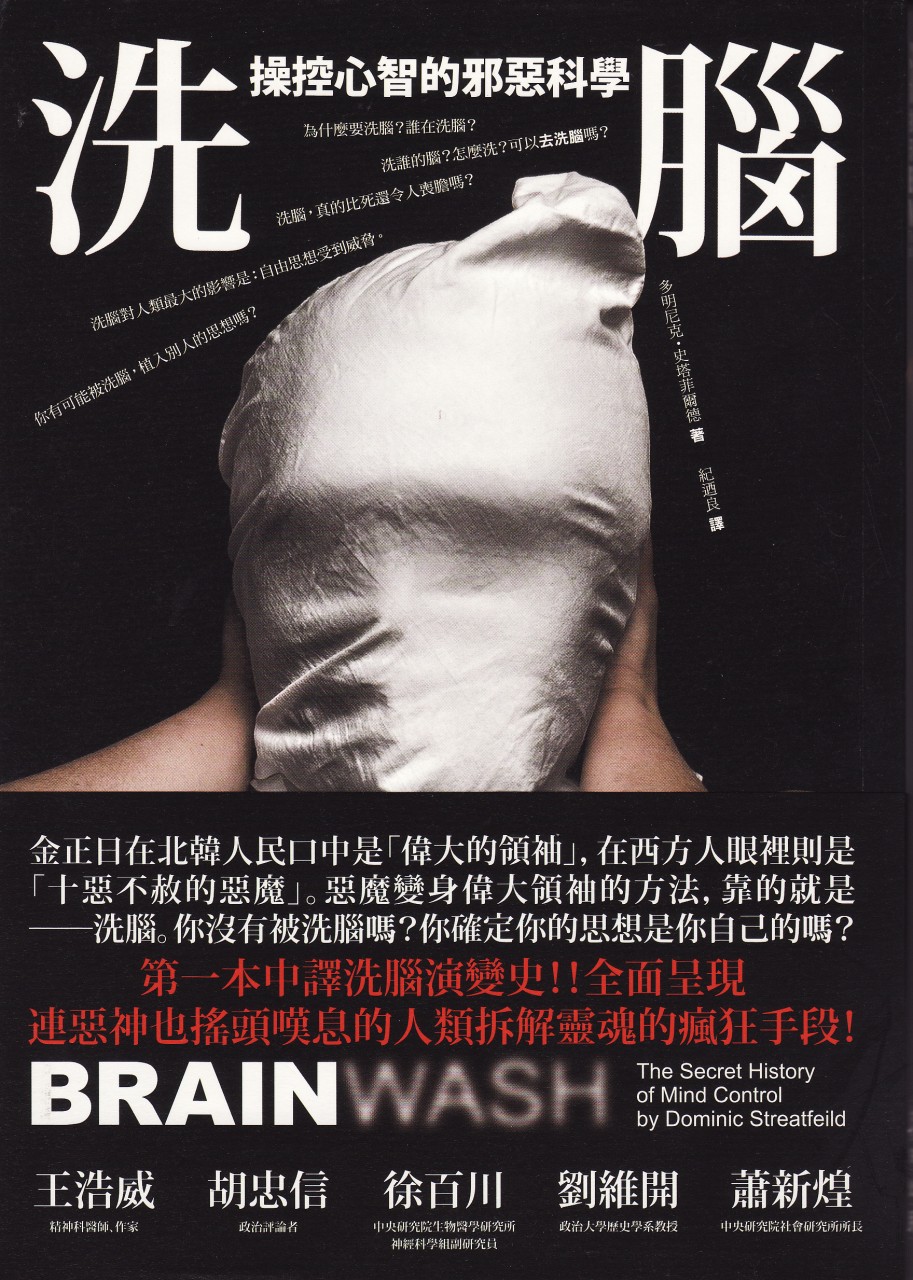
Brainwash: The Secret History of Mind Control by Dominic Streatfeild (Chinese Edition)
In 2014, pro-democracy protestors who were part of Hong Kong’s Umbrella Movement occupied an intersection not far from the bookshop. Agnes Chow, a leader of one of the main organizing groups during the Umbrella Revolution, has released a video in response to Lee’s disappearance. In the video she draws attention to Chinese suppression in Hong Kong and urges people to keep fighting for their freedoms.
Enjoyed this article? Like Huck on Facebook or follow us on Twitter.
You might like

In photos: Lives of solitude at the world’s edge
Coirón — Pie Aerts’s new photobook documents years spent in close quarters with puesteros in Patagonia – a group of aging gauchos who live almost completely isolated existences.
Written by: Isaac Muk

The raw, fledgling intimacy of Peter Hujar’s contact sheets
Hujar:Contact — A new photobook highlights the process of the legendary queer photographer, and his process of growing into the artist he ultimately became.
Written by: Miss Rosen

Jesse Glazzard’s messy portrait of queer friends, lovers and chosen family
The Sound of Dirt and Beauty — The photographer’s debut monograph explores tender, unpolished moments shaped by the people who he surrounds himself with, while offering a window into the UK’s working-class LGBTQ+ community.
Written by: Sunny Sunday
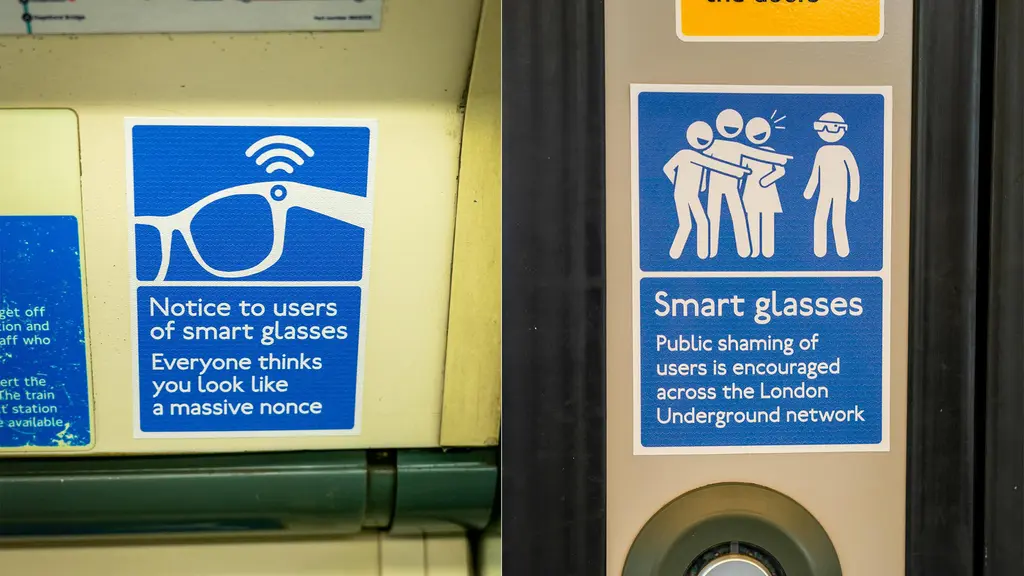
Activists slam “pervert glasses” in new guerrilla campaign
Everyone Hates Elon — Stickers have appeared on the London Underground network, criticising the wearable technology’s covert filming capabilities.
Written by: Isaac Muk

Behind the curtain at Alternative Miss World 1981
Olympia glamour — Running a subversive take on the traditional beauty pageant, the Andrew Logan organised event prioritised underground creativity and invention. Photographer David Corio went behind the scenes at its biggest edition.
Written by: Miss Rosen

New exhibition highlights British radical living over 200 years
Earthly Paradise — Taking place at the William Morris Gallery, it explores the homes and lives of artists, writers, musicians and more, as well as the conditions that allowed them to thrive.
Written by: Isaac Muk


