Remembering Fabio da Costa Saldanha: The young star of Rio Breaks
- Text by Vince Medeiros

On Sunday 5 March, I woke up to the following email from my friend and fellow Rio Breaks producer John Maier: “I just got a message from Ricardo saying Fabio was killed by the special police forces in Rio. He had been in prison the last 3 years, got out, tried to work but then went back to being a ‘traficante’. He was killed 2 days ago and the burial was yesterday.”
I spent two years on and off with Fabio da Costa Saldanha and his best friend Naama Martines de Uzeda, making a documentary about the two young surfers from Morro do Cantagalo in Rio. This was 2006/2007, they were in their early teens, and they loved the beach.

A young Fabio
Rio Breaks director Justin Mitchell wrote on his FB page: “When we filmed with Fabio and his best friend Naama they were just kids, sweet and funny boys who reminded me of two grumbling old men with how they bickered back and forth with one another. Even though they had lived hard lives in the favela, they both maintained a sense of wonder for life, and an innocence that was felt by everyone around them.”
Life in the favela is tough. I mean, really fucking tough. Tough in a way that metropolitan folk and the Twittering liberal classes almost certainly fail to comprehend.
Fabio lived at the very top of the hill with his grandparents – mum had left him; dad had been killed – in a small, unimaginably precarious home. Food was limited. There’s a vérité scene in the film where he’s sitting with Naama on the roof of his house, watching vultures circle up above. The two are just sitting together, shooting the shit, being kids. At one point Fabio says he’s hungry; he says he’d love to eat “that delicious bread from the bakery”.
Fabio once said he wanted to come back to the UK with me, but when I said there was no surf in London, and that it was cold, he seemed to think twice about it; all of a sudden he wasn’t so sure anymore. But that desire to escape had always been there.
Surfing at Arpoador was a small window into that dream. There, in the waves, he was happy. The happiest I’d ever seen him while making the film. He was also happy in the company of Rogerio, who runs the Favela Surf Club and is a mentor to many of the kids on the hill. Rogerio is a real life hero. But there’s only so much he can do.

Fabio’s killing personalises what is often a newspaper headline, if that. More often than not, it is just a statistic. Another kid – a ‘bandido’ – shot by the police. Fabio was a kid when we made the film. He was 13. And he was also a kid when he was shot dead by the police. He was only 22.
Fabio’s death brought the whole gang who worked on Rio Breaks closer together. I’ve been in touch with Justin and producers Ricardo Gomes and John Maier. And I’ve also been in touch with Fabio’s best friend, Naama.
Naama’s had a tough ride in the last few years. After some time in prison, he made it out and got back together with his girlfriend. They have a kid, Artur, who’s now 4-years-old. Naama’s set on making a fresh start. He’s now working with NGO Afro Reggae, and has reconnected with Rogerio and the Favela Surf Club. He told me he’d taken Artur out surfing for the first time recently.
Naama’s a survivor. He said to me last night: “I wish Fabio was alive to see how I managed to turn things around.”
May Fabio rest in peace.
Enjoyed this article? Like Huck on Facebook or follow us on Twitter.
You might like
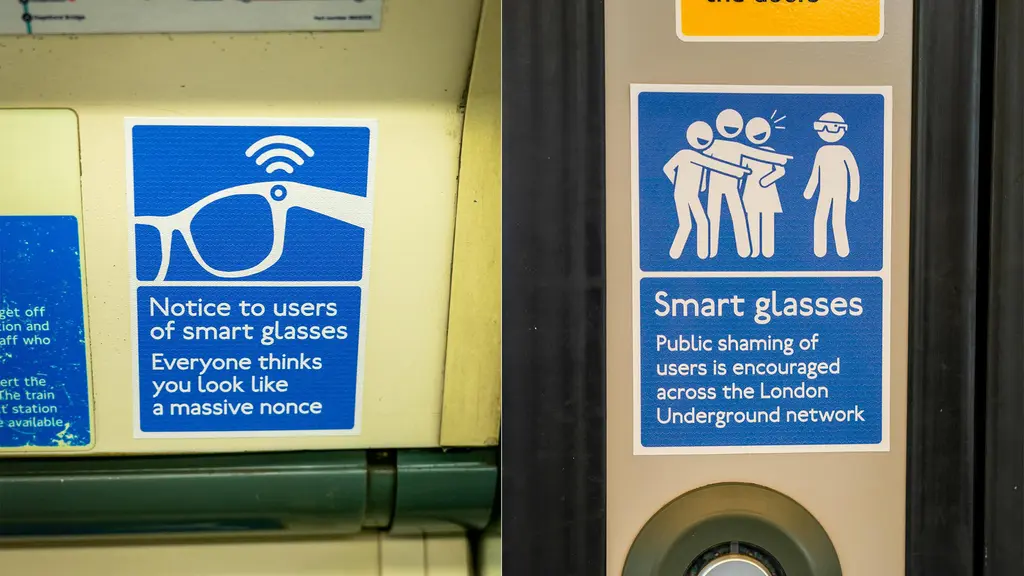
Activists slam “pervert glasses” in new guerrilla campaign
Everyone Hates Elon — Stickers have appeared on the London Underground network, criticising the wearable technology’s covert filming capabilities.
Written by: Isaac Muk

New exhibition highlights British radical living over 200 years
Earthly Paradise — Taking place at the William Morris Gallery, it explores the homes and lives of artists, writers, musicians and more, as well as the conditions that allowed them to thrive.
Written by: Isaac Muk

Pink Floyd’s Roger Waters joins team of new Palestinian resistance documentary
Freedom Theatre — Directed by Rishi Pelham, the film spotlights a theatre operating in the Jenin refugee camp.
Written by: Ella Glossop

Just Stop Oil holds first protest in 17 months
No new drilling — Having previously said that it was “hanging up the hi-vis”, the climate activist group has blocked a road outside Parliament to protest Andy Burnham opening the door for new oil and gas extraction licenses in the North Sea.
Written by: Ella Glossop

In photos: The enduring resistance of Notting Hill Carnival
Carnival of Resistance — A new photobook by Wayne Campbell and Wayne Crichlow reflects on the protest beginnings of Europe’s biggest street festival, along with the traditions keeping its original spirit alive today.
Written by: Isaac Muk

Tens of thousands gather to remember Jason Arday at London vigil
Stand Up to Racism — It took place in Trafalgar Square, with speakers paying tribute to the former Cambridge professor’s life and achievements, while calling for accountability over the reporting he faced from the mainstream press.
Written by: Ella Glossop


