Rishi Sunak’s climate speech debunked
- Text by Danny Gross
- Photography by JessicaGirvan / Shutterstock.com

This week, in an astonishing act of self-sabotage Rishi Sunak unveiled plans that set fire to a number of vital climate policies. The proposals, delivered in a hastily arranged, televised speech will undermine the UK’s climate targets, and push up the cost of living for those already struggling to makes ends meet,
Speaking from the Downing Street press briefing room Sunak acknowledged that people “dislike Westminster gameplay, the short termism and the lack of accountability”. The Prime Minister then went on to perfectly embody these ideals in a series of dangerous rollbacks.
Let’s start with accountability. Last year at COP27, Sunak promised that the UK would reduce emissions by over two thirds by 2030 as our contribution to limiting global heating to 1.5C. Though he was emphatic about his continued commitment to the target, the government’s recent actions speak otherwise.
In a landmark court case last year brought by Friends of the Earth, ClientEarth and Good Law Project, the government’s climate strategy was judged to be unlawful as it failed to show how its policies would meet our climate targets. As a result, the government was forced to rewrite its climate plan. Yet its latest version, published earlier this year, openly admits that all policies combined would not be enough to meet the 2030 target. Needless to say, we are taking the government back to court.
Sunak also suggested he can afford to hit the brakes on climate action as the UK’s share of global greenhouse gas emissions is less than 1%, all but pointing a finger at other nations’ emissions in an absurd justification for climate inaction. This feeble argument fails to consider the UK’s fair share of climate responsibility proportionate to our small size. We make up just 0.8% of the world’s population whilst also having historic responsibility for polluting that goes back centuries to the start of the Industrial Revolution.
Countries around the world have each made commitments to limit greenhouse gas emissions by 2030, but what we heard yesterday undermines this international, collaborative effort. Before the announcement, the government’s own official climate advisers reported that credible plans exist for only 25% of the required emissions reductions necessary for the UK to hit its target. The government’s attempt to water down green policies only takes us further from our goals. For someone who professes to love maths, Sunak’s policies don’t add up.
Going back to Sunak’s proclamation on the likes and dislikes of the British public, let’s turn to short-termism. The Prime Minister claimed to be acting in the UK’s long-term interest, but his bonfire of policies will drive up the cost of living and damage the economy in the long run. For example, he scrapped a policy that would have compelled landlords to insulate tenants’ homes to a minimum standard. Landlords will certainly benefit now, but renters will miss out on £1.75bn per year in energy savings on their bills – unlikely to be very popular with this growing share of the electorate.
Sunak also watered down the government’s plan to phase out the installation of gas boilers by 2035. Let’s not forget the surging price of gas is what first sent energy bills skyrocketing. This U‑turn will keep many reliant on expensive gas to heat their homes for longer, and exposed to future price shocks.
Climate activists and big business are sometimes portrayed as being in opposing camps, but Sunak managed to unify influential voices from both sides against him. His announcement to delay the phase out of new petrol and diesel cars to 2035 was slammed by parts of the car industry, which has already invested millions in transitioning to electric vehicles to meet a 2030 deadline.
The chair of Ford UK said: “Our business needs three things from the UK government: ambition, commitment and consistency. A relaxation of 2030 would undermine all three.” Businesses have called for long-term clarity – instead they’ve been met with chaotic policy flip-flops driven by short-term political expediency.
Perhaps most bizarre of all, though, were the claims to scrap plans to incentivise carpooling and reduce meat eating and flying. That’s because none of these initiatives were ever actually proposed by the government or even Labour. Regardless of whether they should be on the table or not, these straw men policies invented by Sunak seek to exploit people’s fears about potential lifestyle changes. If that isn’t “Westminster gamesplay”, then what is?
Instead of resorting to cheap political gimmicks, wouldn’t it be great if our government designed policies so that they’re fair and equitable from the outset, and stopped delaying inevitable climate action which only becomes more costly the longer we wait? These are surely the best ways to ensure that those who’ve contributed least to climate change, including those on low incomes, benefit as we transition to a future without fossil fuels.
Sunak has taken a cynical gamble, paying lip service to the UK’s climate targets while dismantling the policies that are vital to hit them. But saying one thing and doing another won’t work. You only have to look at the polling to know the public agrees we need more climate action, not less. History will not be kind on the Prime Minister who torched his own climate policies while parts of the planet burned.
Danny Gross is a climate campaigner at Friends of the Earth
Enjoyed this article? Follow Huck on Twitter and Instagram.
You might like
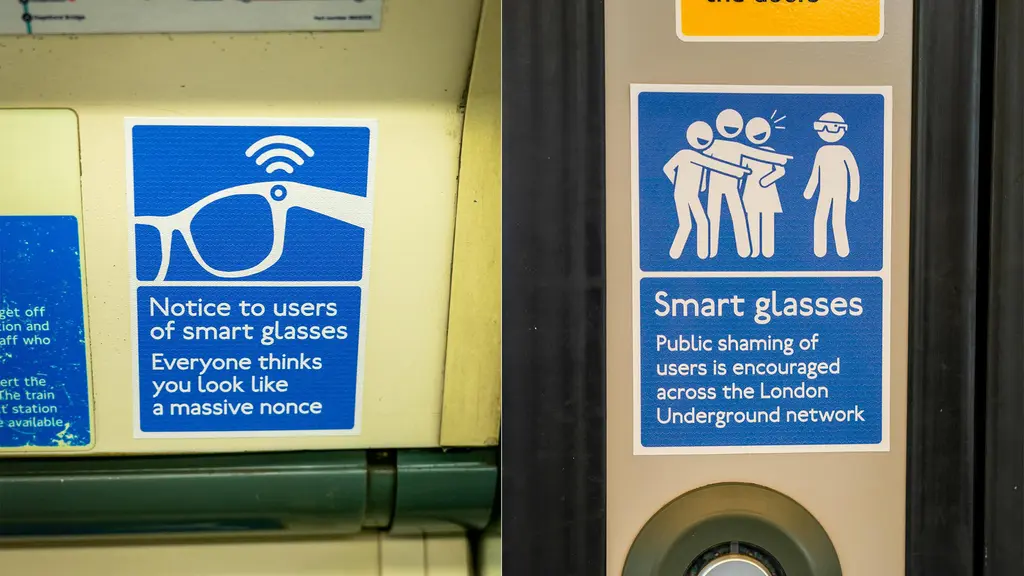
Activists slam “pervert glasses” in new guerrilla campaign
Everyone Hates Elon — Stickers have appeared on the London Underground network, criticising the wearable technology’s covert filming capabilities.
Written by: Isaac Muk

New exhibition highlights British radical living over 200 years
Earthly Paradise — Taking place at the William Morris Gallery, it explores the homes and lives of artists, writers, musicians and more, as well as the conditions that allowed them to thrive.
Written by: Isaac Muk

Pink Floyd’s Roger Waters joins team of new Palestinian resistance documentary
Freedom Theatre — Directed by Rishi Pelham, the film spotlights a theatre operating in the Jenin refugee camp.
Written by: Ella Glossop

Just Stop Oil holds first protest in 17 months
No new drilling — Having previously said that it was “hanging up the hi-vis”, the climate activist group has blocked a road outside Parliament to protest Andy Burnham opening the door for new oil and gas extraction licenses in the North Sea.
Written by: Ella Glossop

In photos: The enduring resistance of Notting Hill Carnival
Carnival of Resistance — A new photobook by Wayne Campbell and Wayne Crichlow reflects on the protest beginnings of Europe’s biggest street festival, along with the traditions keeping its original spirit alive today.
Written by: Isaac Muk

Tens of thousands gather to remember Jason Arday at London vigil
Stand Up to Racism — It took place in Trafalgar Square, with speakers paying tribute to the former Cambridge professor’s life and achievements, while calling for accountability over the reporting he faced from the mainstream press.
Written by: Ella Glossop


