Capturing the forgotten communities of Belarus
- Text by Siarhiej Leskiec
- Photography by Siarhiej Leskiec

I left my village – a small ‘agro-town’ in north western Belarus – rather intuitively, like most of my peers. I moved to Minsk to go to university. For 10 years I had a desire to return, and when I passed by the train station and heard the sound of an outgoing train, my heart would freeze. I wanted to drop everything and go home on it – I felt like a traitor.
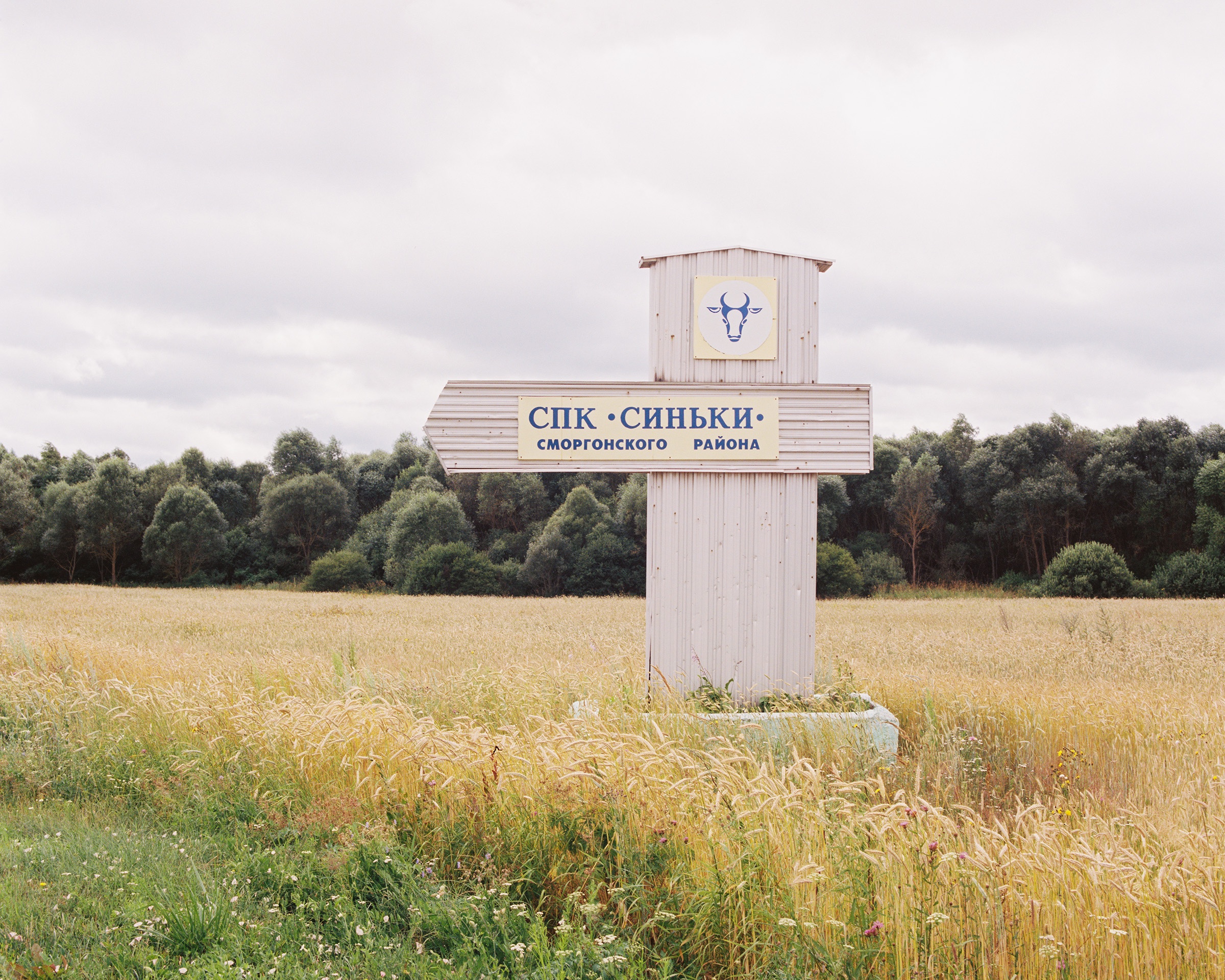
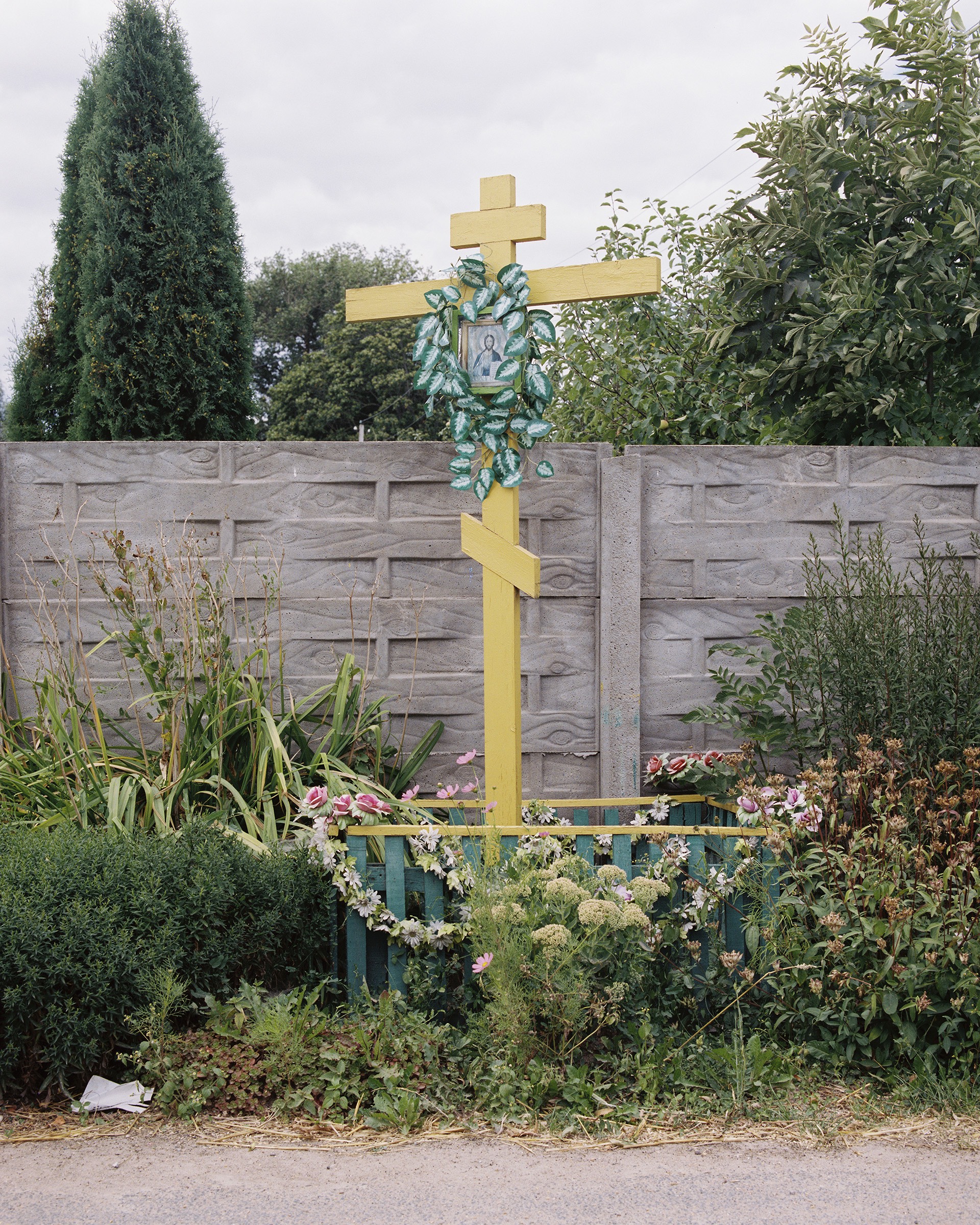
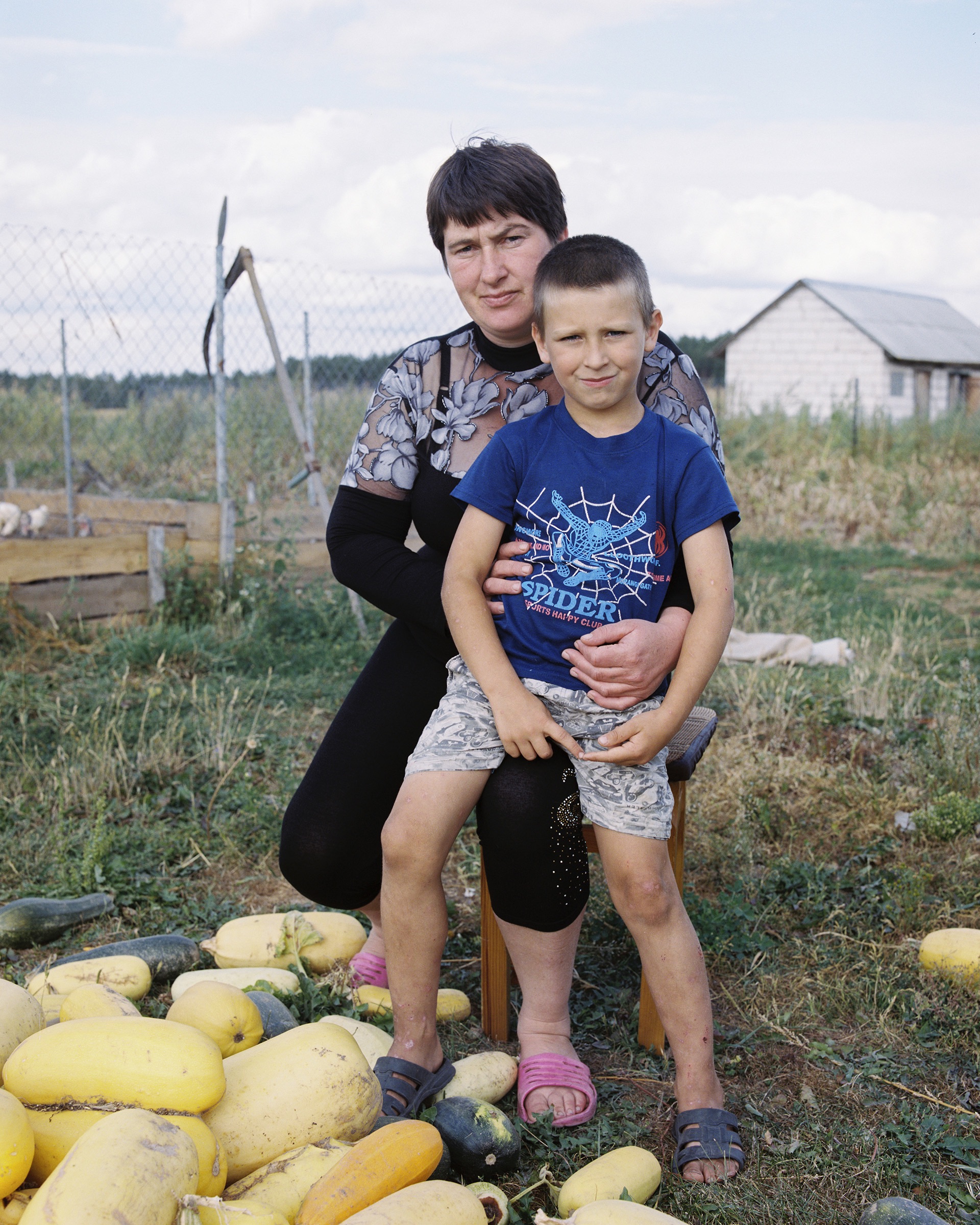
In Belarus, agro-town life is very politicised. These village’s collective farms are presented by the state media as the greatest achievement of President Lukashenka, as they have helped preserve rural communities. State TV depicts agro-towns as ‘heaven on earth’ – one of the finest legacies of the Soviet Union. However, they have come under fire from independent media outlets, who believe that they have killed the traditional village structure. But I grew up among these people, and many of my acquaintances chose this way of life for themselves. I wanted to tell their story.
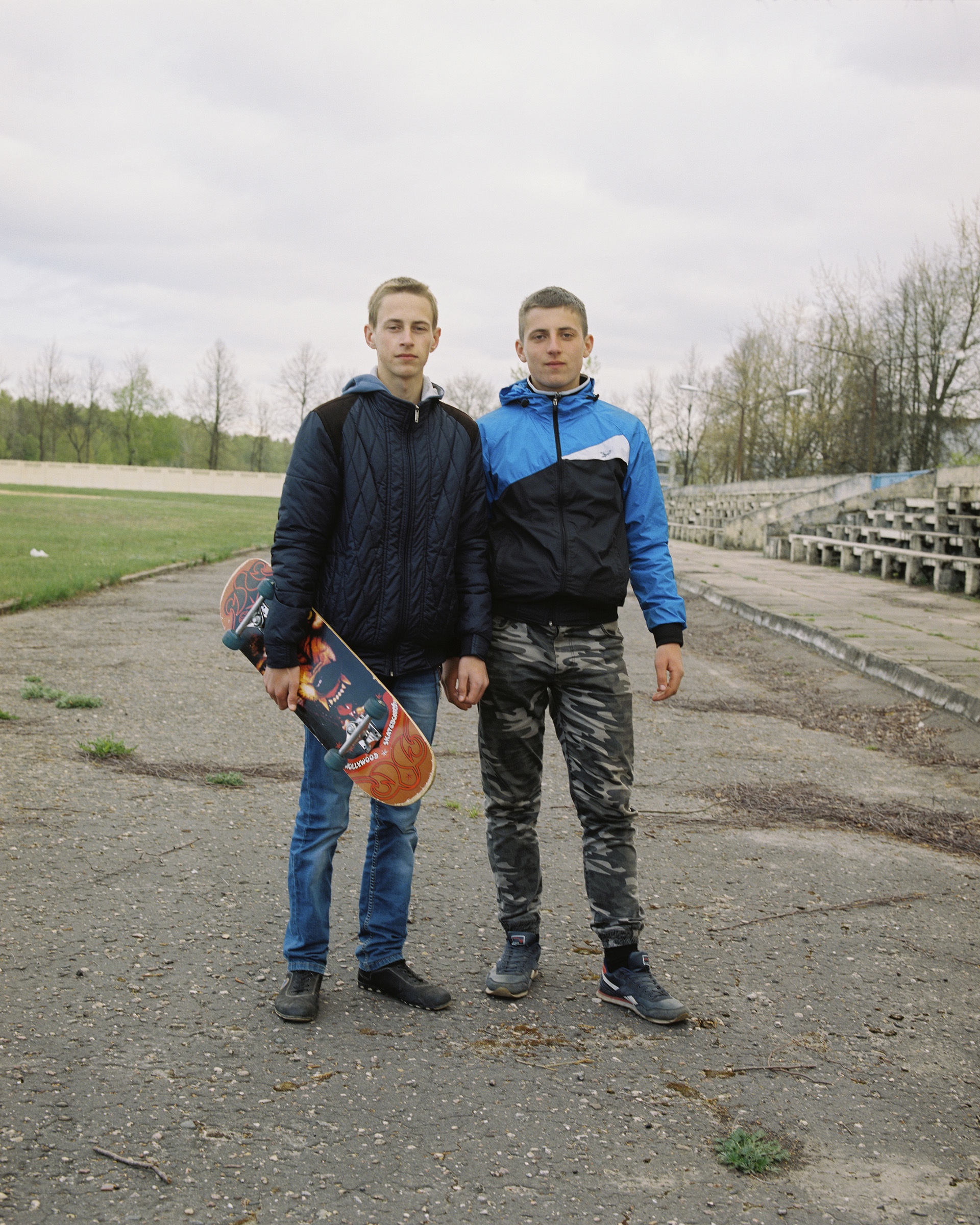
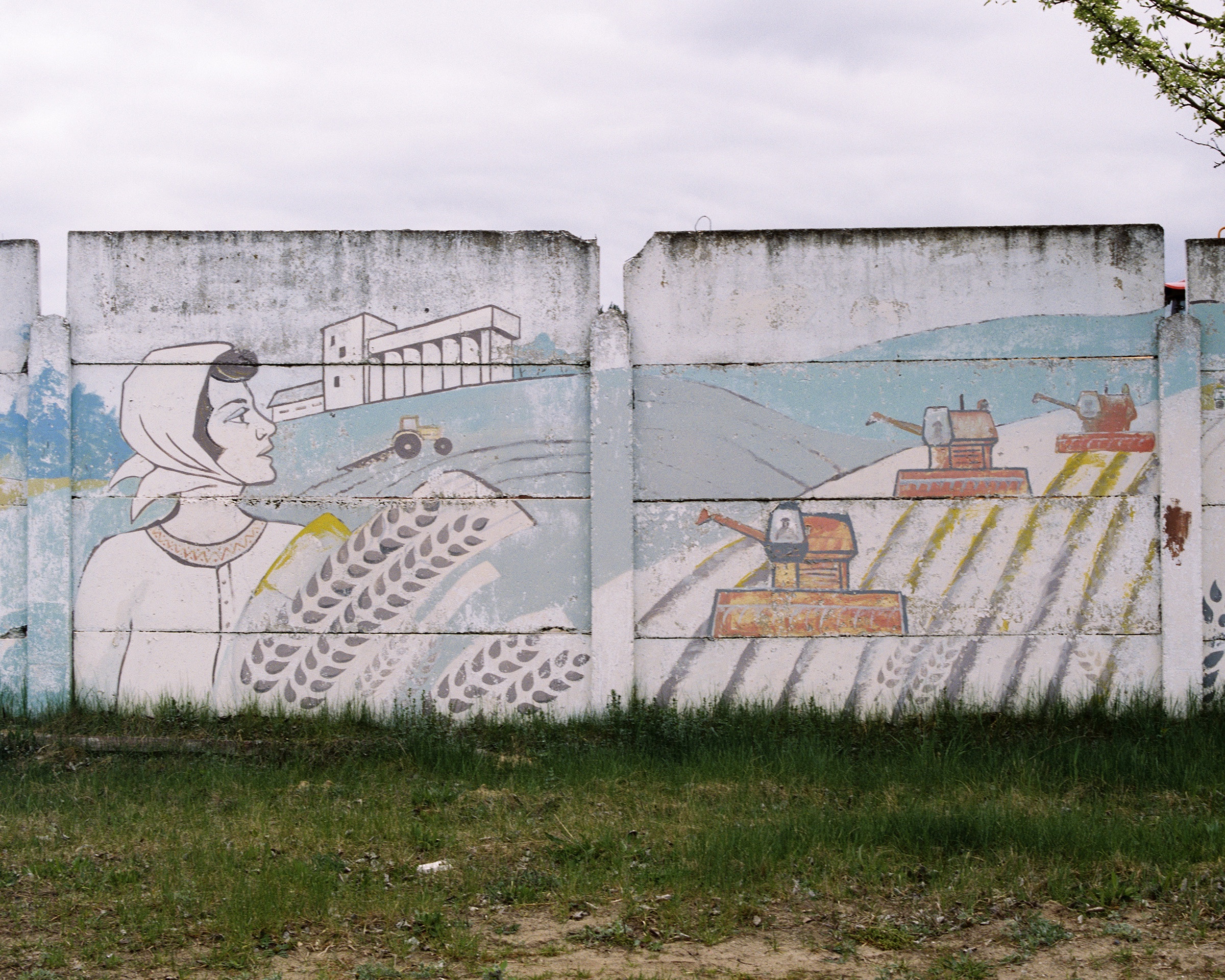
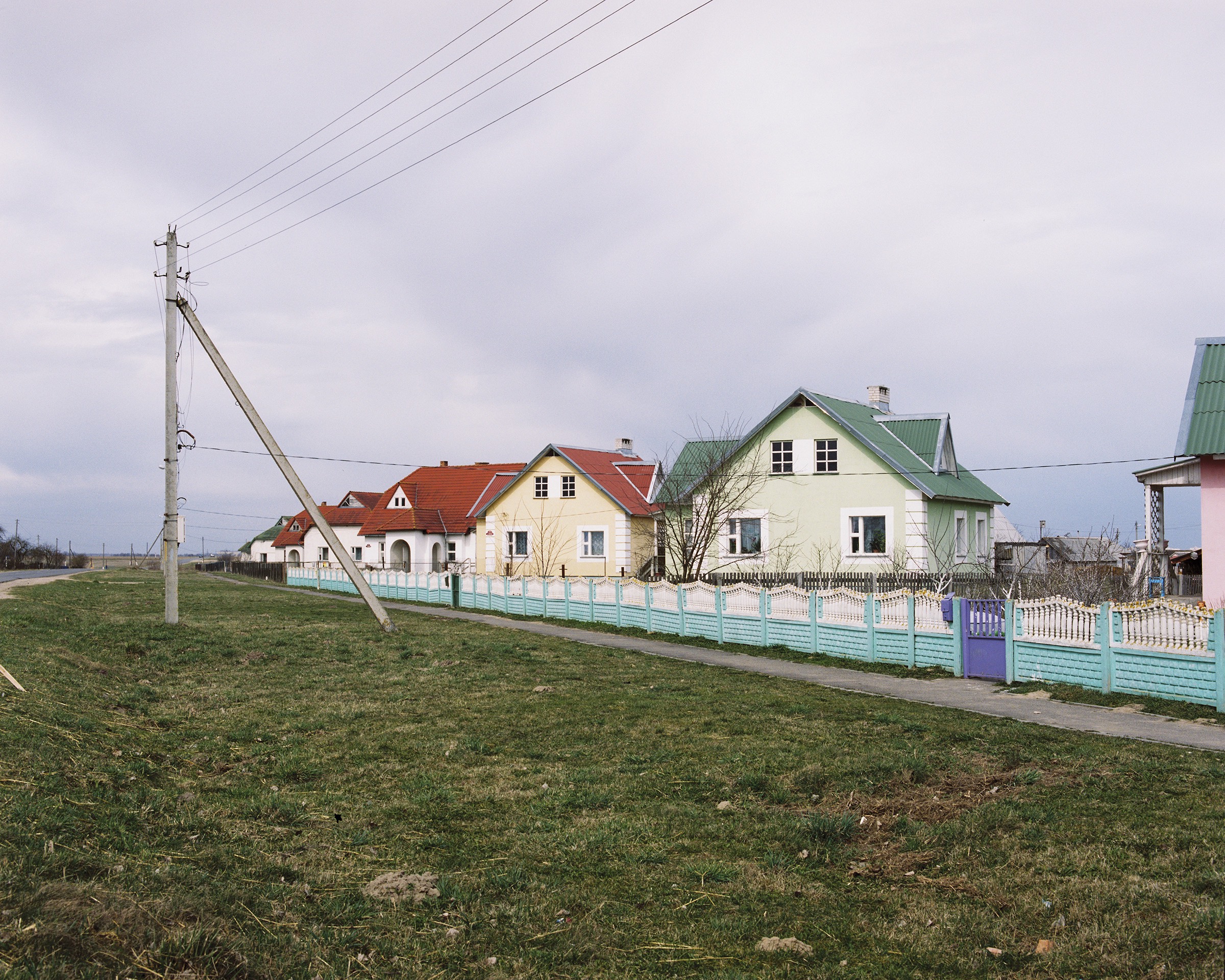
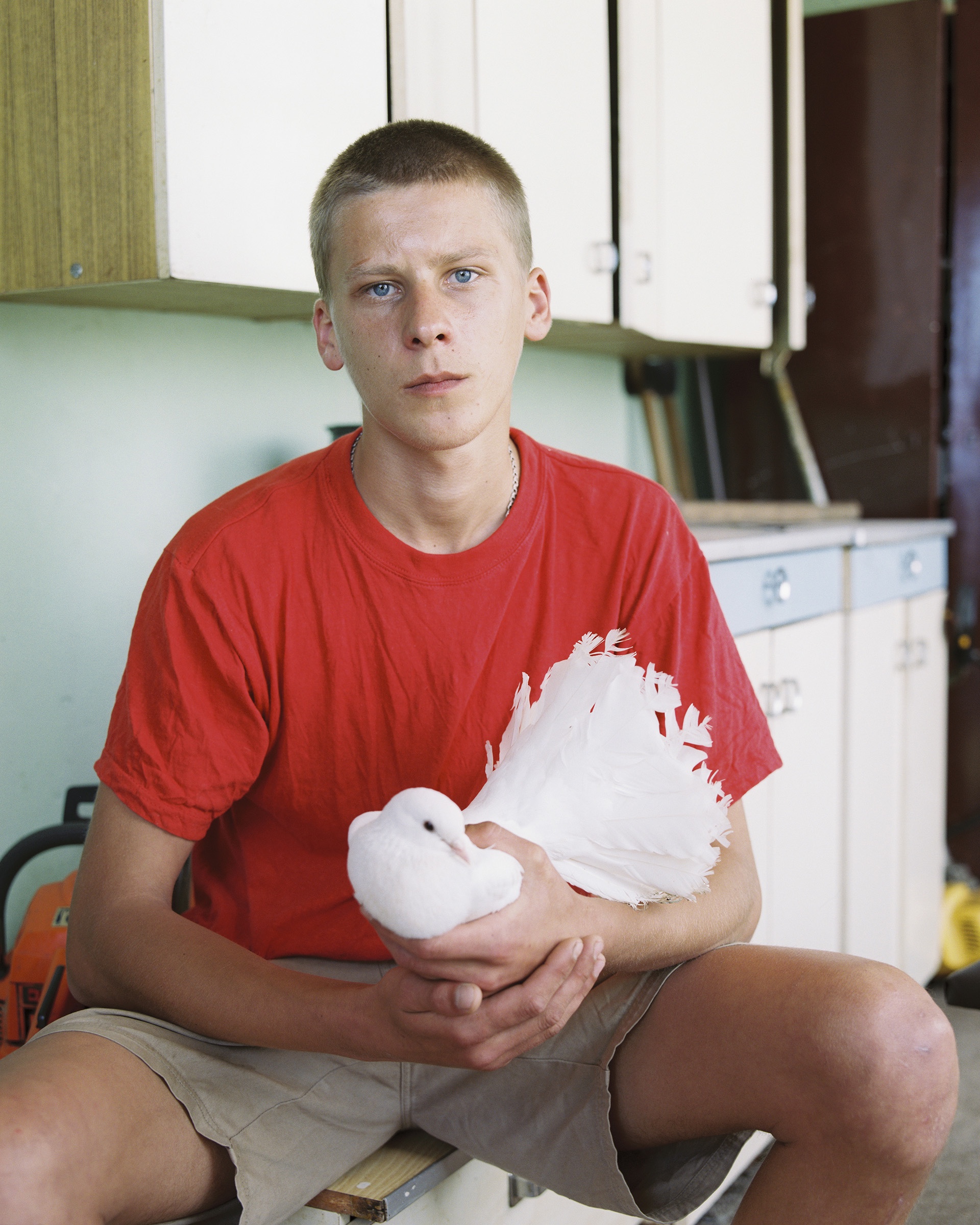
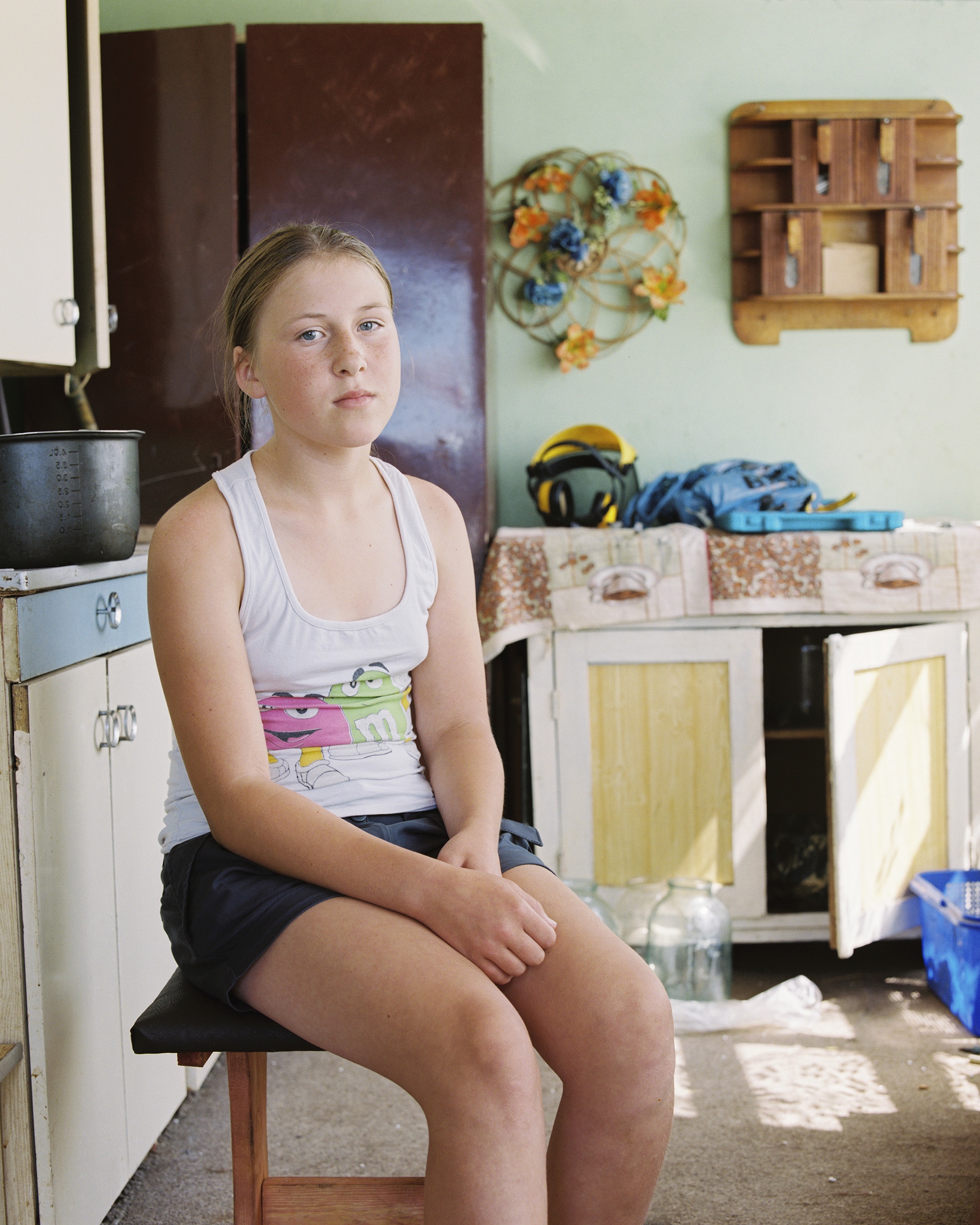
In these villages, the state gives you everything you need. You stay at home and work on the collective farms. You get a good house, working internet, hot water and asphalted roads. You end up staying for 10-20 years because, if you leave, you lose everything.
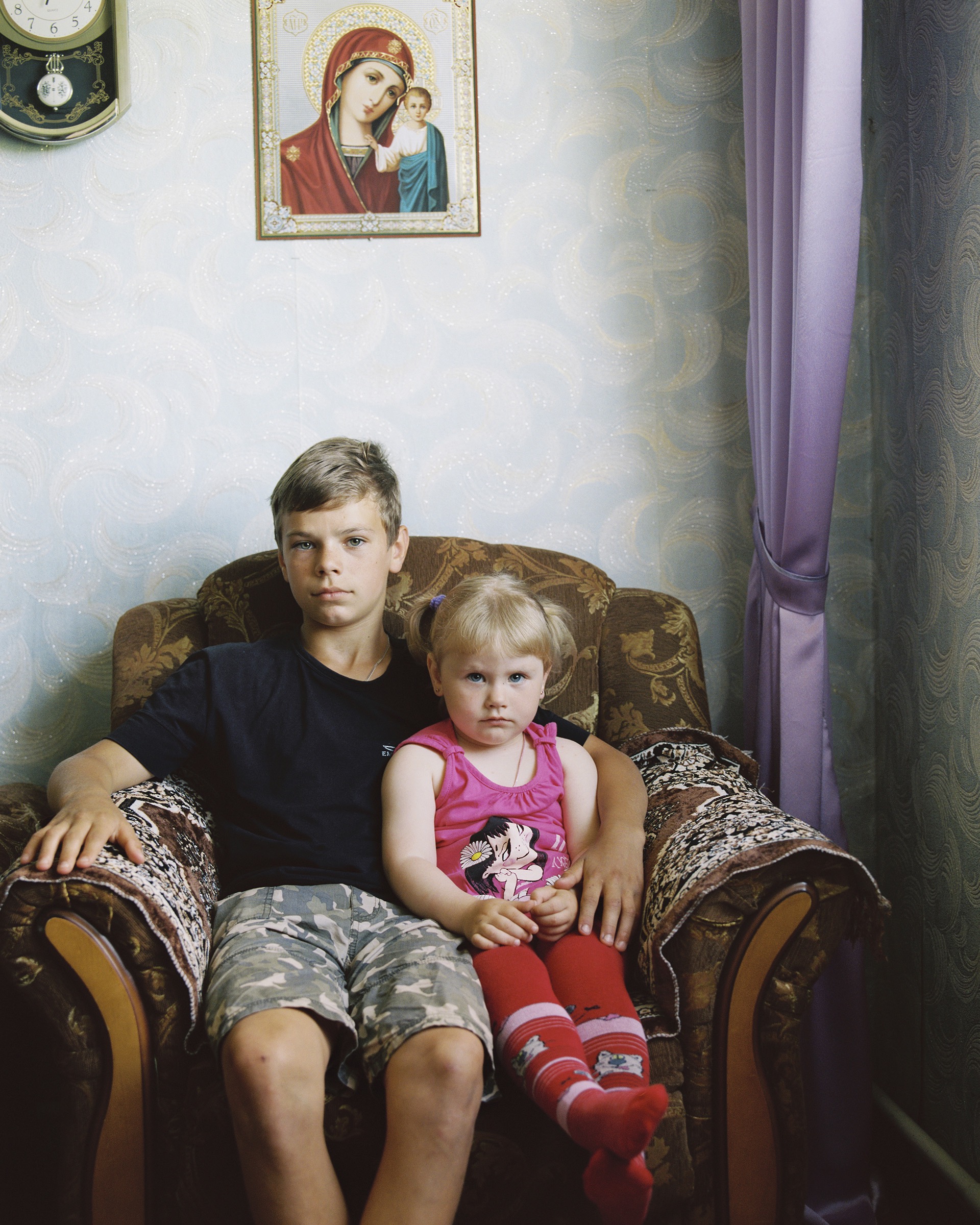
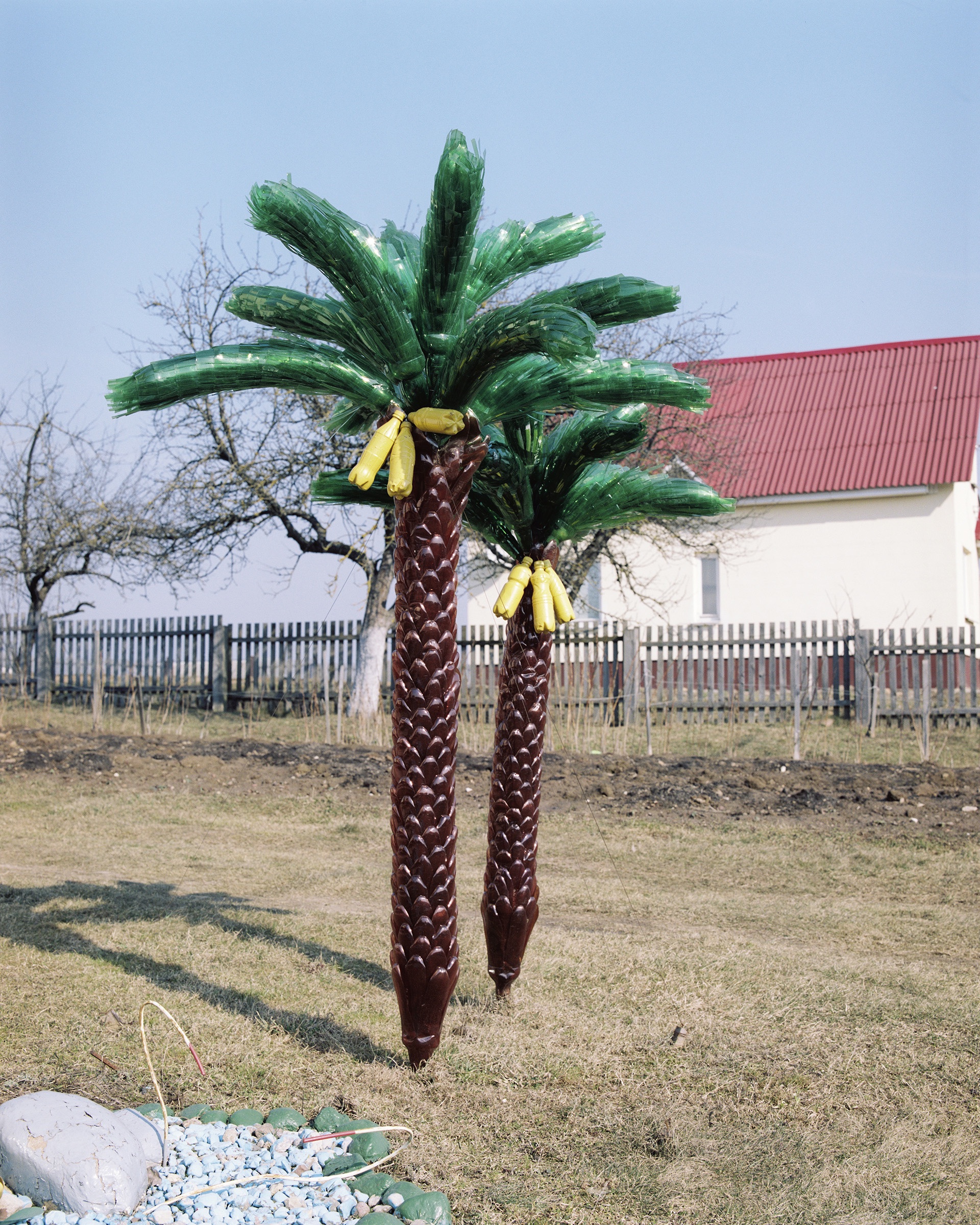
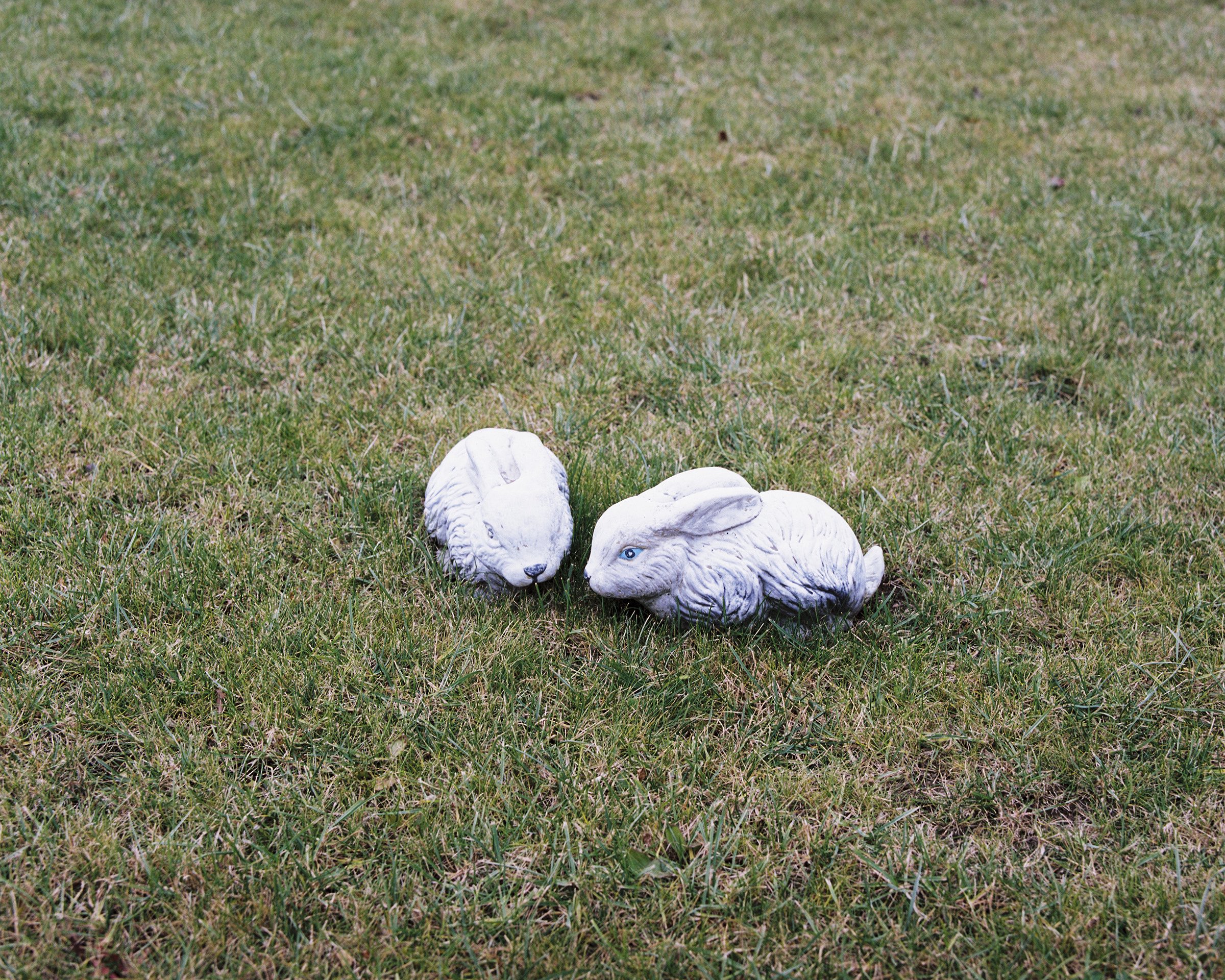
These photos are a visual and anthropological study of Belarusian identity. I’m interested in the way our society is a transition from the сollective (rural life) to the private (city life). Most of the pictures I took were in places where I grew up or where my relatives lived – in Malodzieczna, Smargon, Astraviec, Miadziel, and other regions.
My “escape” from the countryside introduced me to opportunities. It gave me self-confidence and knowledge that changed my life. I returned to take these pictures as a historian, photographer and anthropologist, who understood the processes that are taking place in the world, and in my country. It’s important to capture these moments – even if they don’t seem interesting now, they will be interesting later.
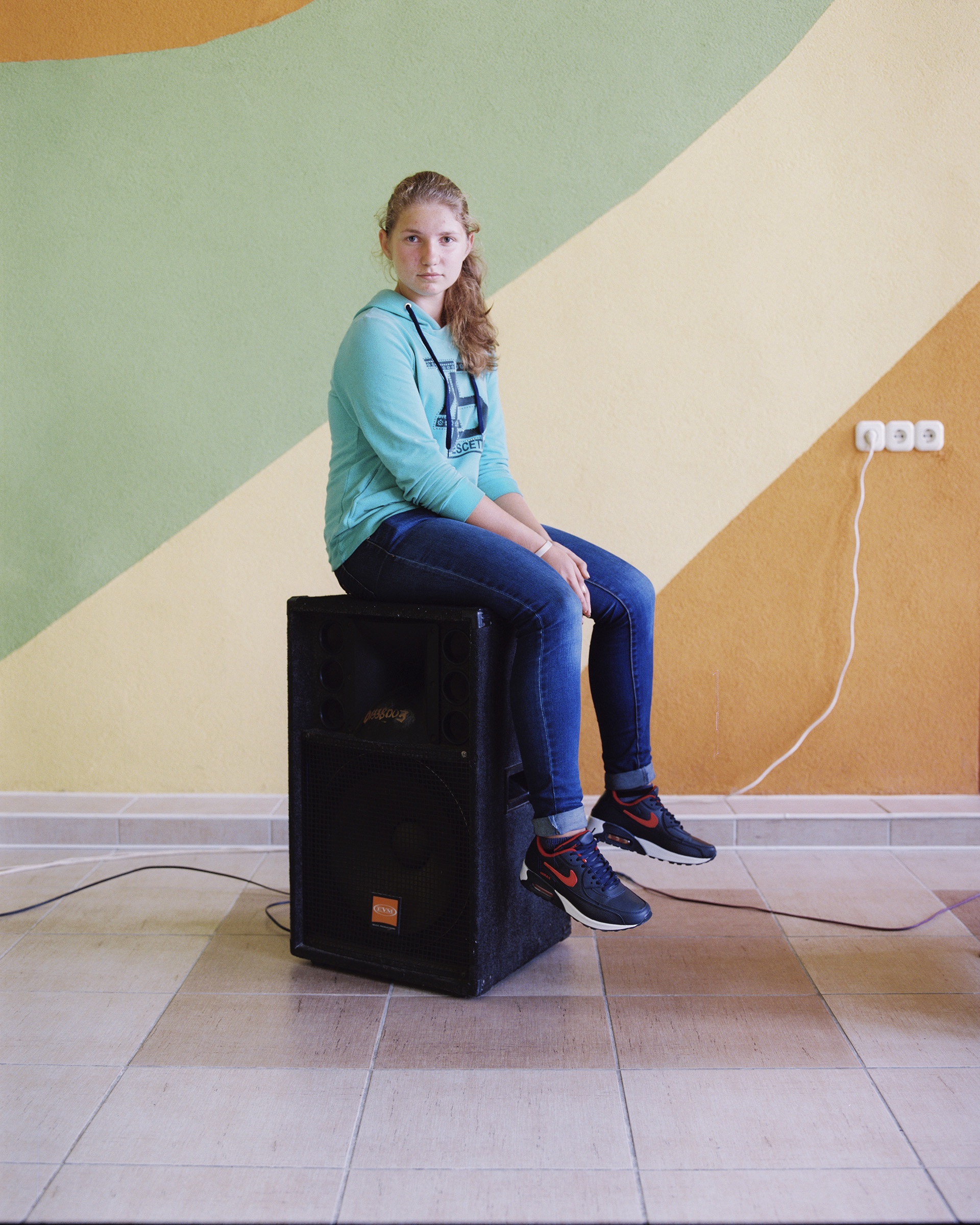
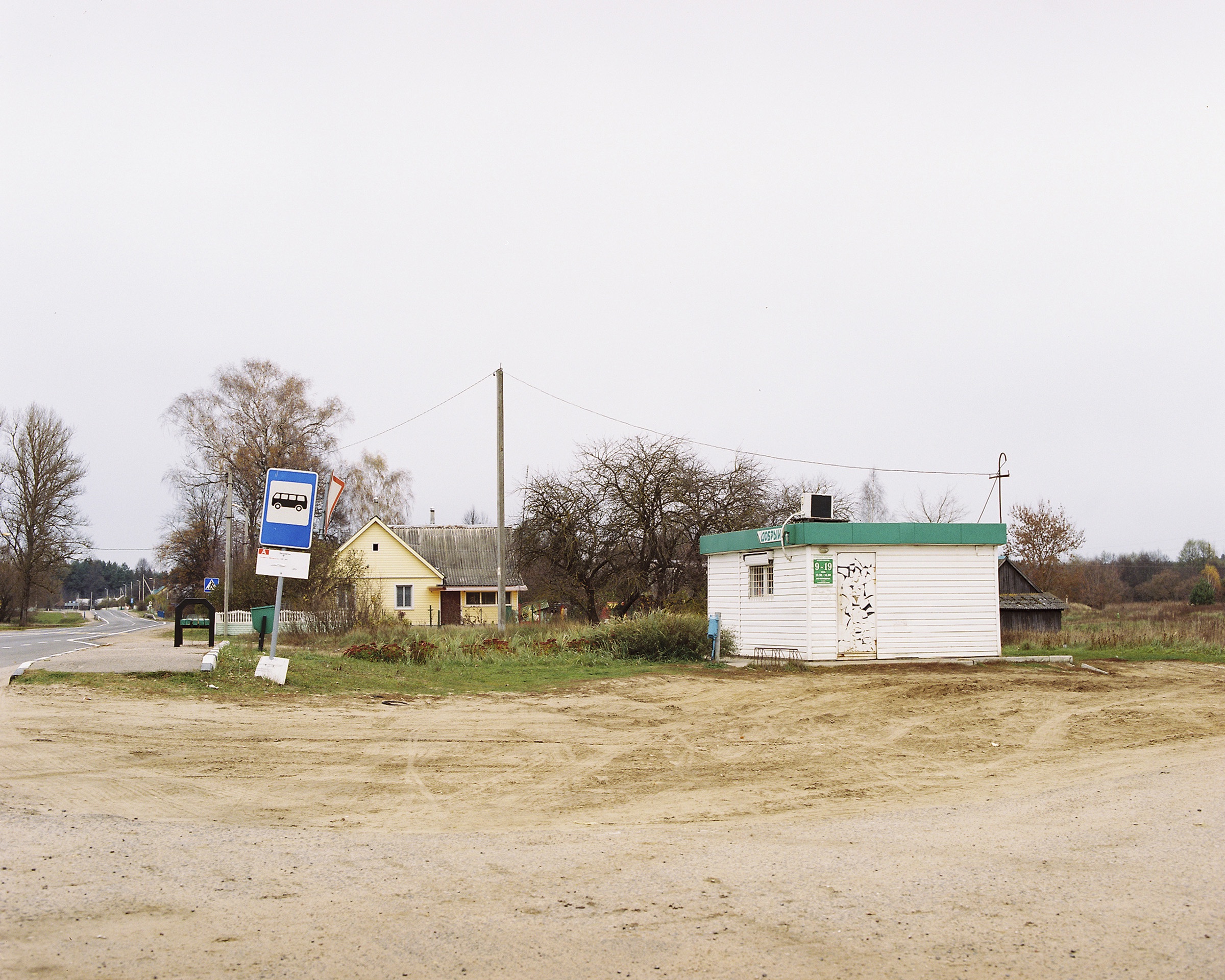
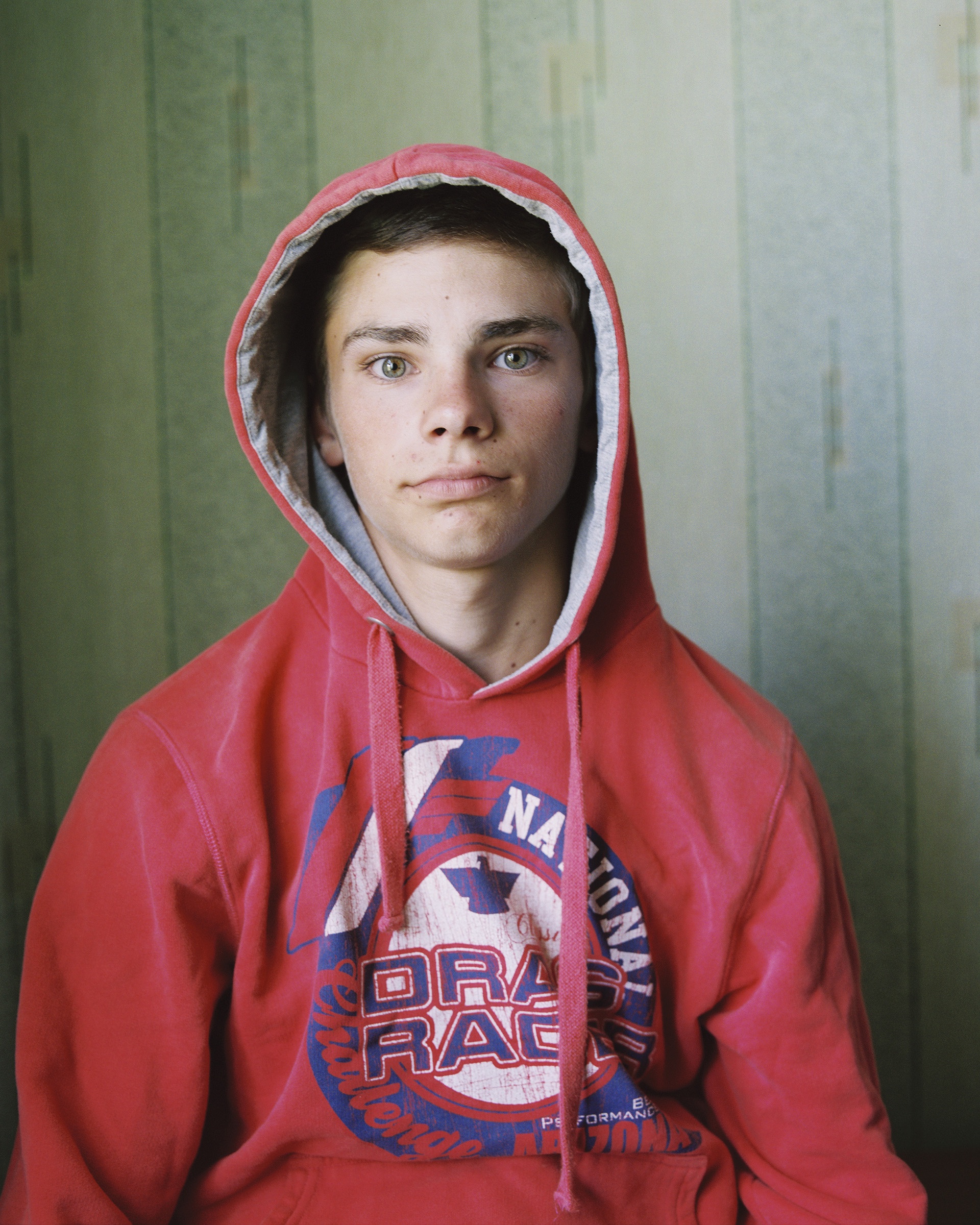
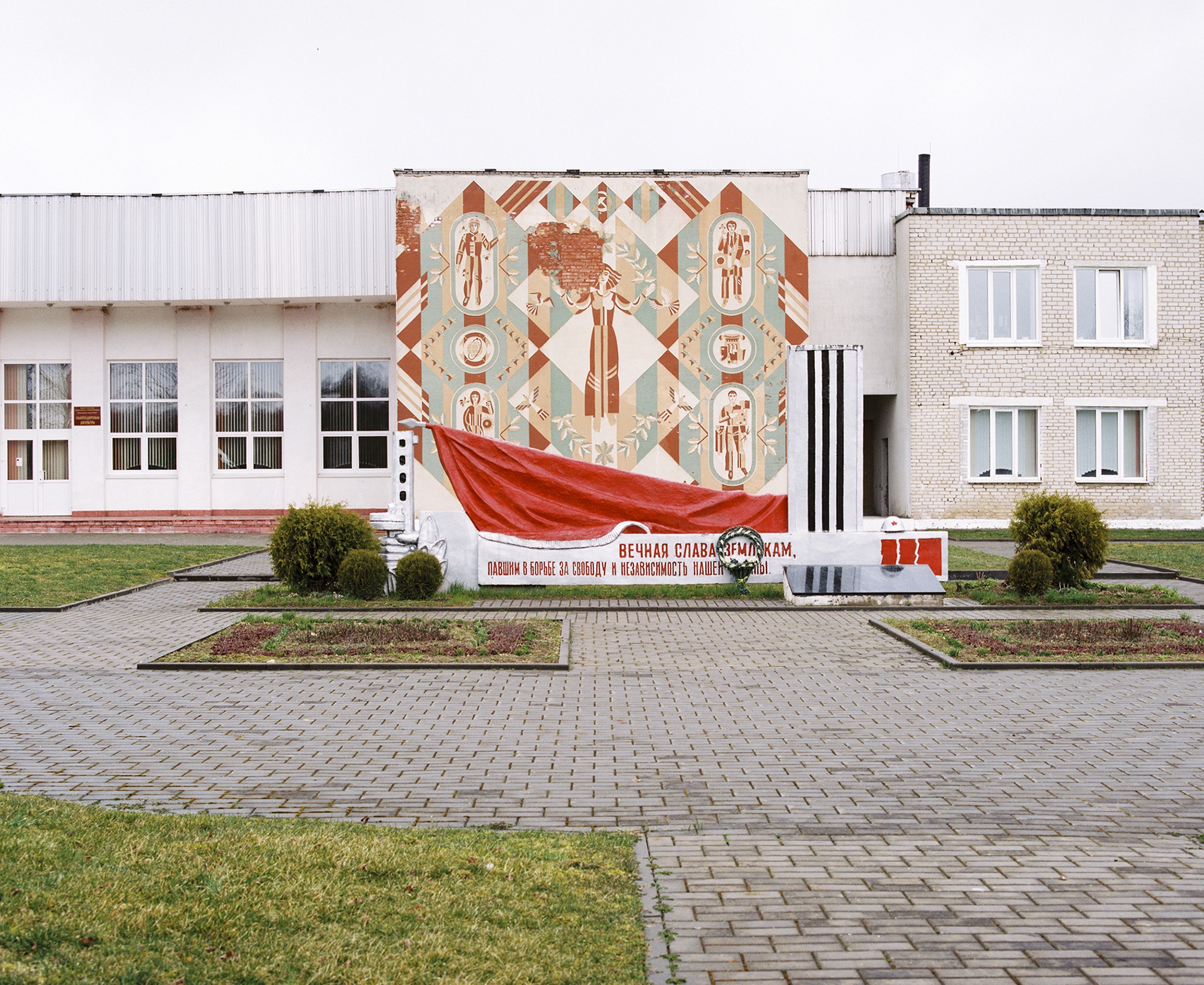

See more of Siarhiej Leskiec’s work on his official website.
Enjoyed this article? Like Huck on Facebook or follow us on Twitter.
You might like

In photos: Lives of solitude at the world’s edge
Coirón — Pie Aerts’s new photobook documents years spent in close quarters with puesteros in Patagonia – a group of aging gauchos who live almost completely isolated existences.
Written by: Isaac Muk

The raw, fledgling intimacy of Peter Hujar’s contact sheets
Hujar:Contact — A new photobook highlights the process of the legendary queer photographer, and his process of growing into the artist he ultimately became.
Written by: Miss Rosen

Jesse Glazzard’s messy portrait of queer friends, lovers and chosen family
The Sound of Dirt and Beauty — The photographer’s debut monograph explores tender, unpolished moments shaped by the people who he surrounds himself with, while offering a window into the UK’s working-class LGBTQ+ community.
Written by: Sunny Sunday

Behind the curtain at Alternative Miss World 1981
Olympia glamour — Running a subversive take on the traditional beauty pageant, the Andrew Logan organised event prioritised underground creativity and invention. Photographer David Corio went behind the scenes at its biggest edition.
Written by: Miss Rosen

New exhibition highlights British radical living over 200 years
Earthly Paradise — Taking place at the William Morris Gallery, it explores the homes and lives of artists, writers, musicians and more, as well as the conditions that allowed them to thrive.
Written by: Isaac Muk

What life on the Strait of Hormuz is really like
Southern Winds — Bandar Abbas based photographer Morteza Niknahad has been capturing the diverse communities and stories of his local region since he first picked up a camera. His new series highlights the human impact of war.
Written by: Isaac Muk


