The corners of Soviet-era Russia still hidden from view
- Text by Christine Armbruster
- Photography by Christine Armbruster

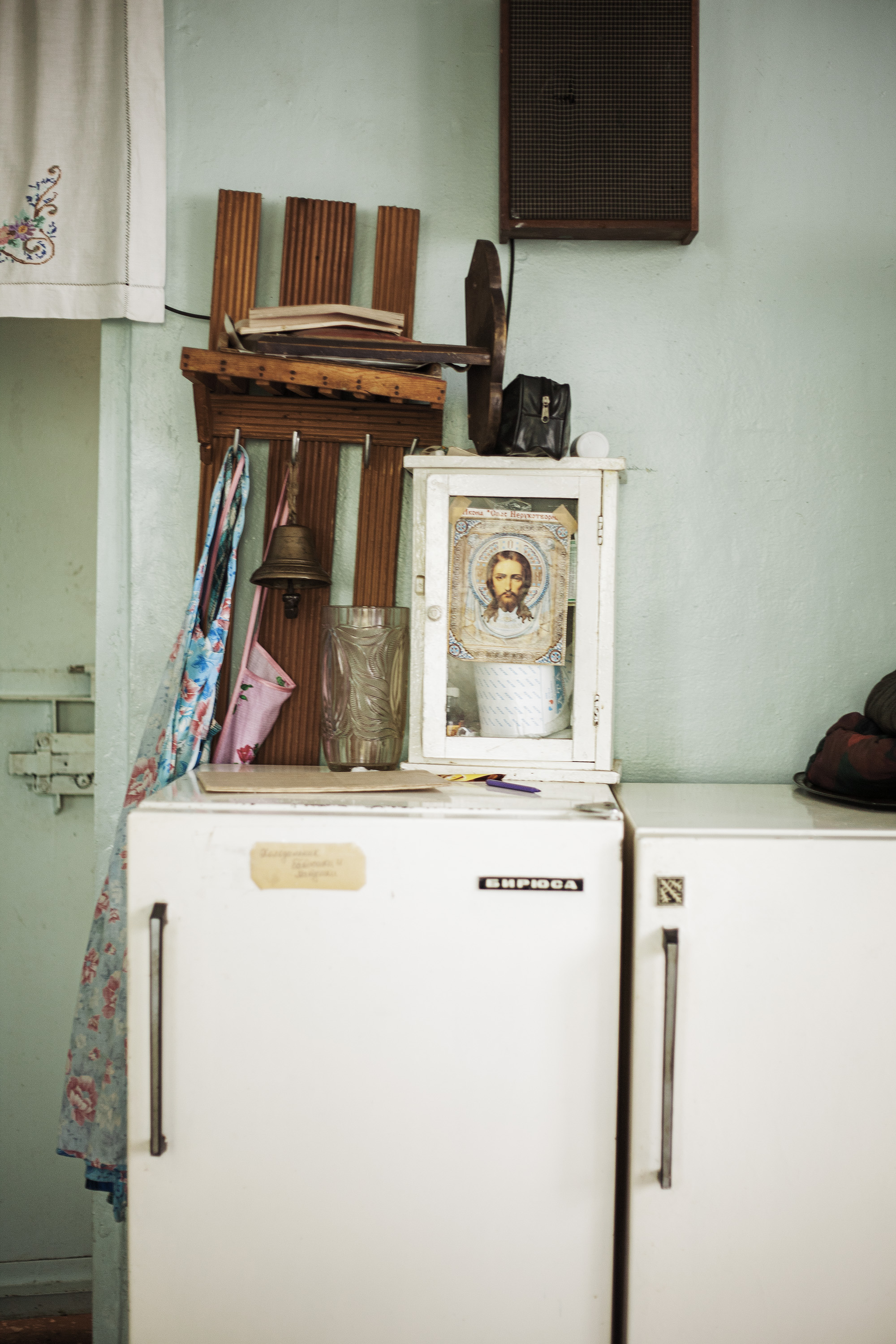
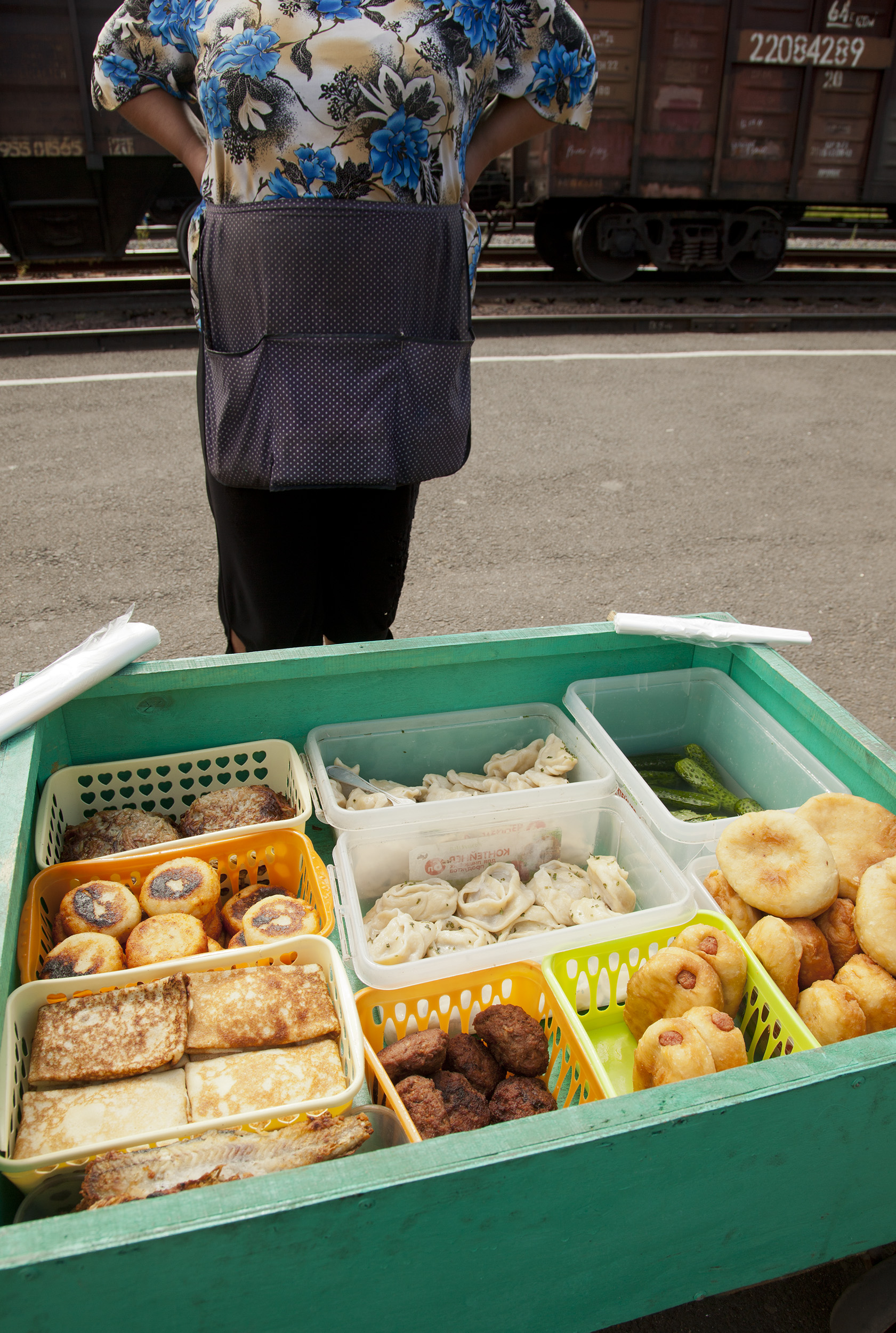
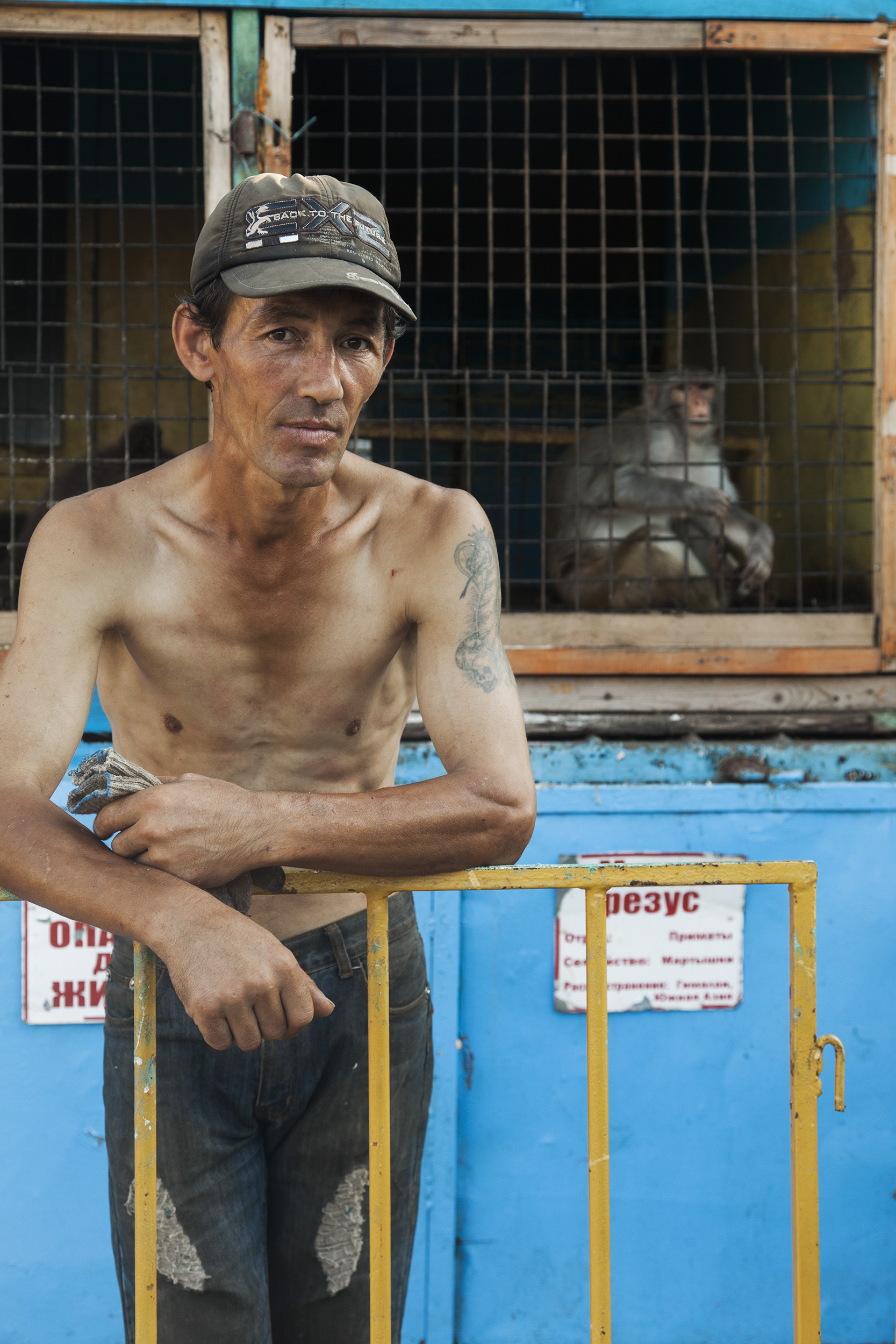
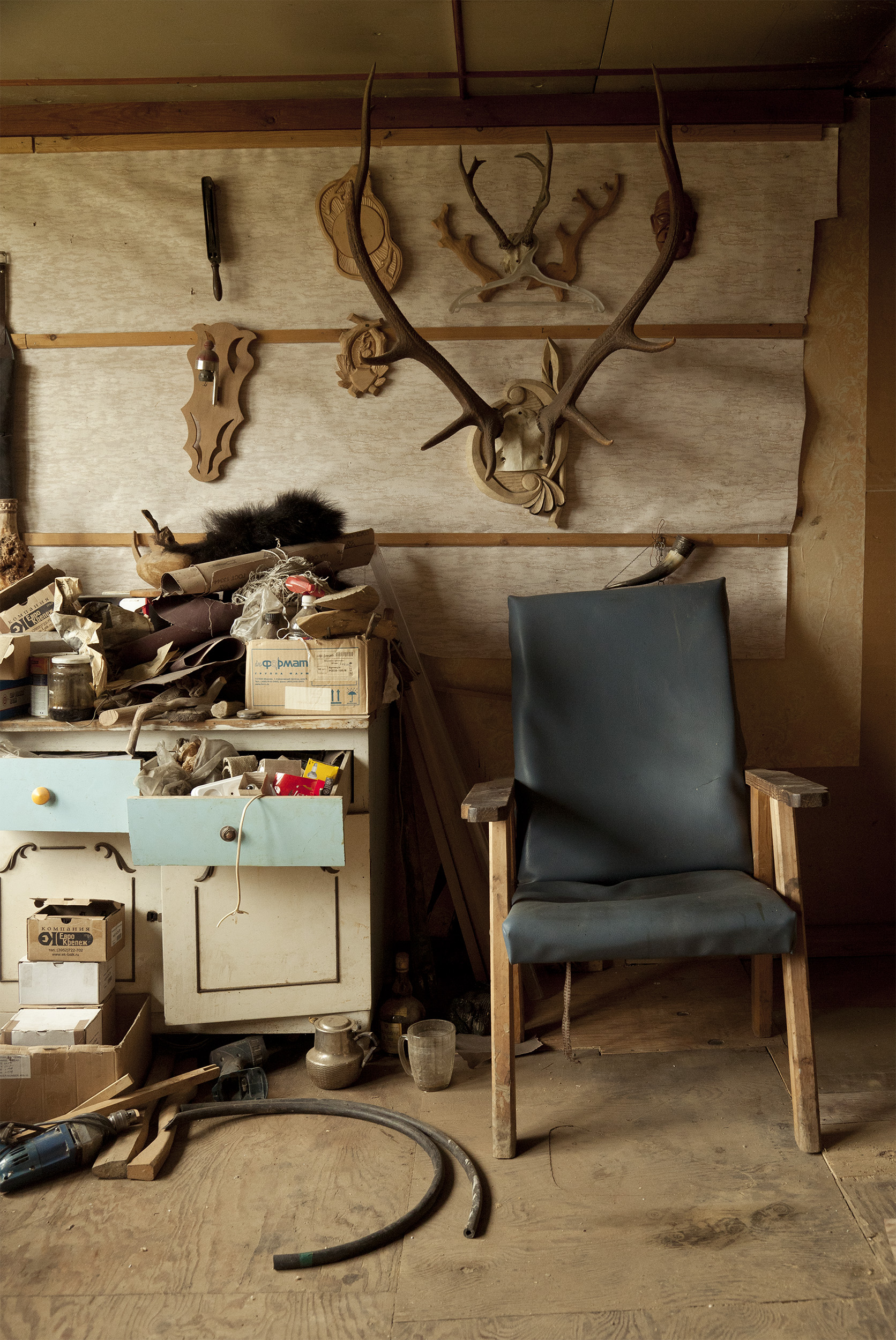
Russia is a liquid place. A place of change despite how solid and rigid it may seem in its ways. As it melts and reforms, the regions and people change, going both forward and backward in time, from stop to stop on the Trans-Siberian Railway.
During the Soviet Era, over two thousand towns and cities were built. Each town serving an unique purpose, comprising of one fourth of the country’s population. Some towns were built for manufacturing nuclear power, others for smelting steel. Some cities were closed and secret with deceiving names depicting false locations, others well known and open for visitors.
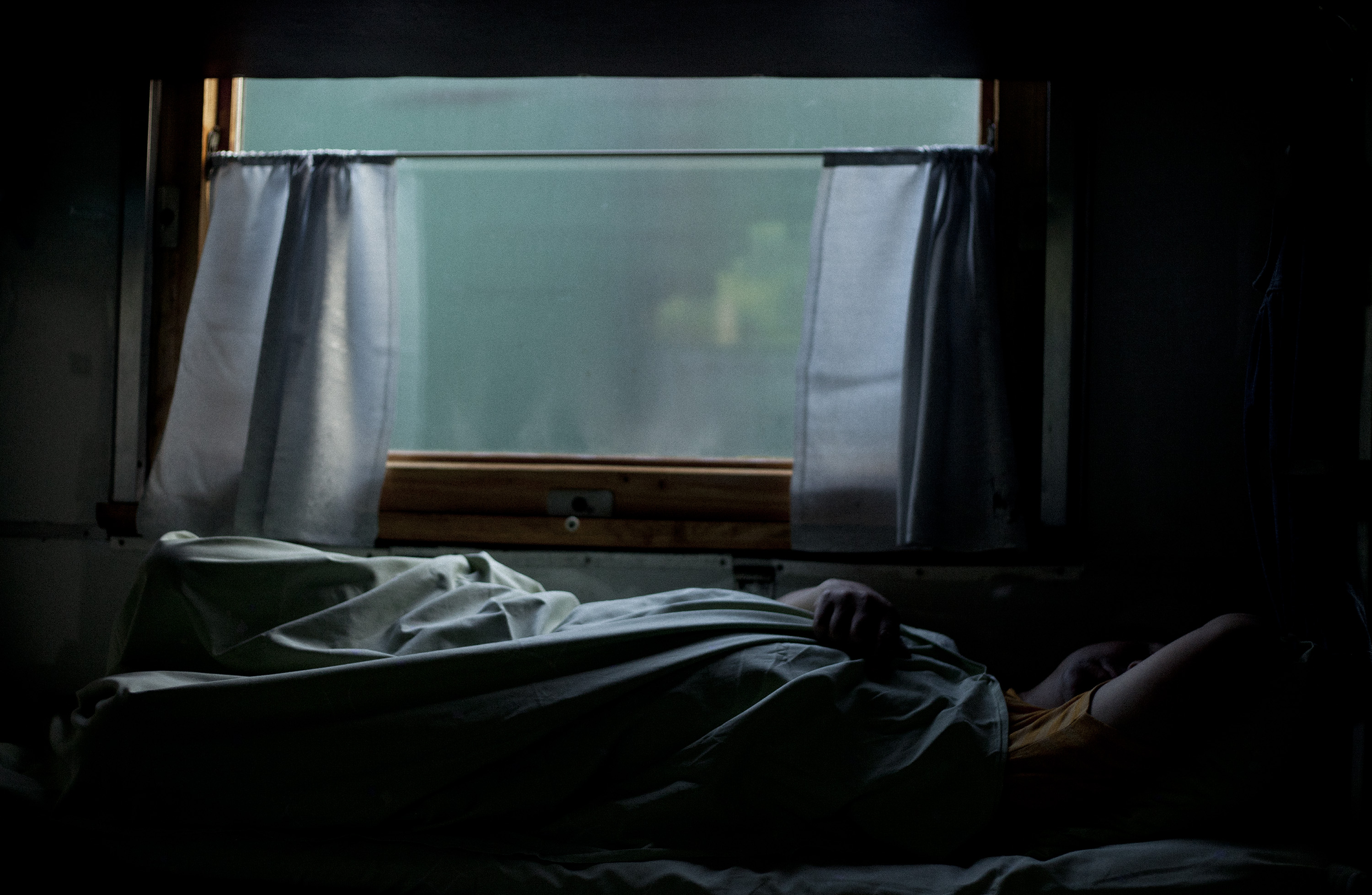
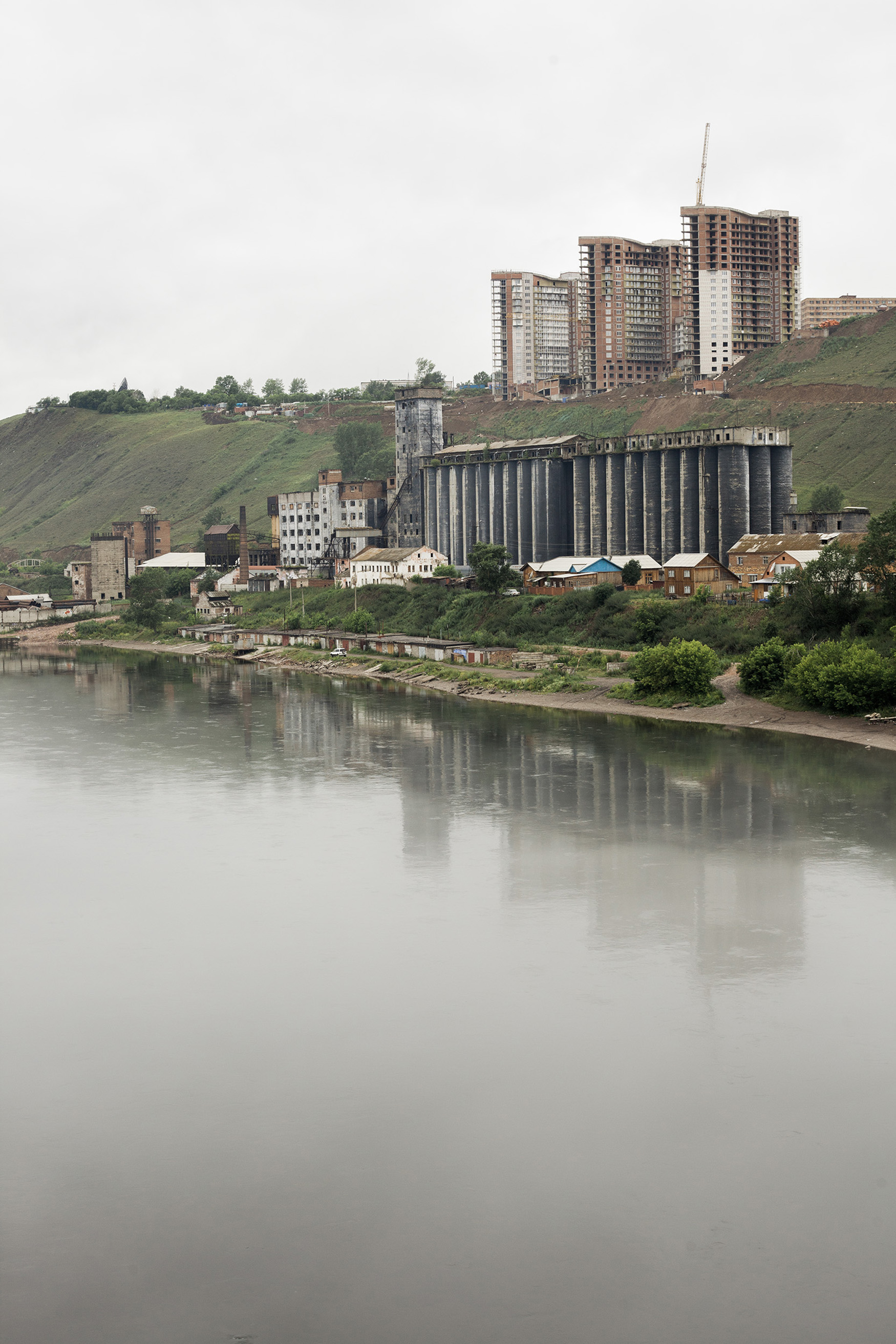
Most families were assigned a city, and when the Soviet Union collapsed, these families had no option but to stay. Handfuls of these towns had factories that were sold to individuals, keeping doors open, while others were abandoned completely. Workers did not know where the materials came from and where products went to, and when jobs were lost and moving proved impossible, former factory workers settled down.
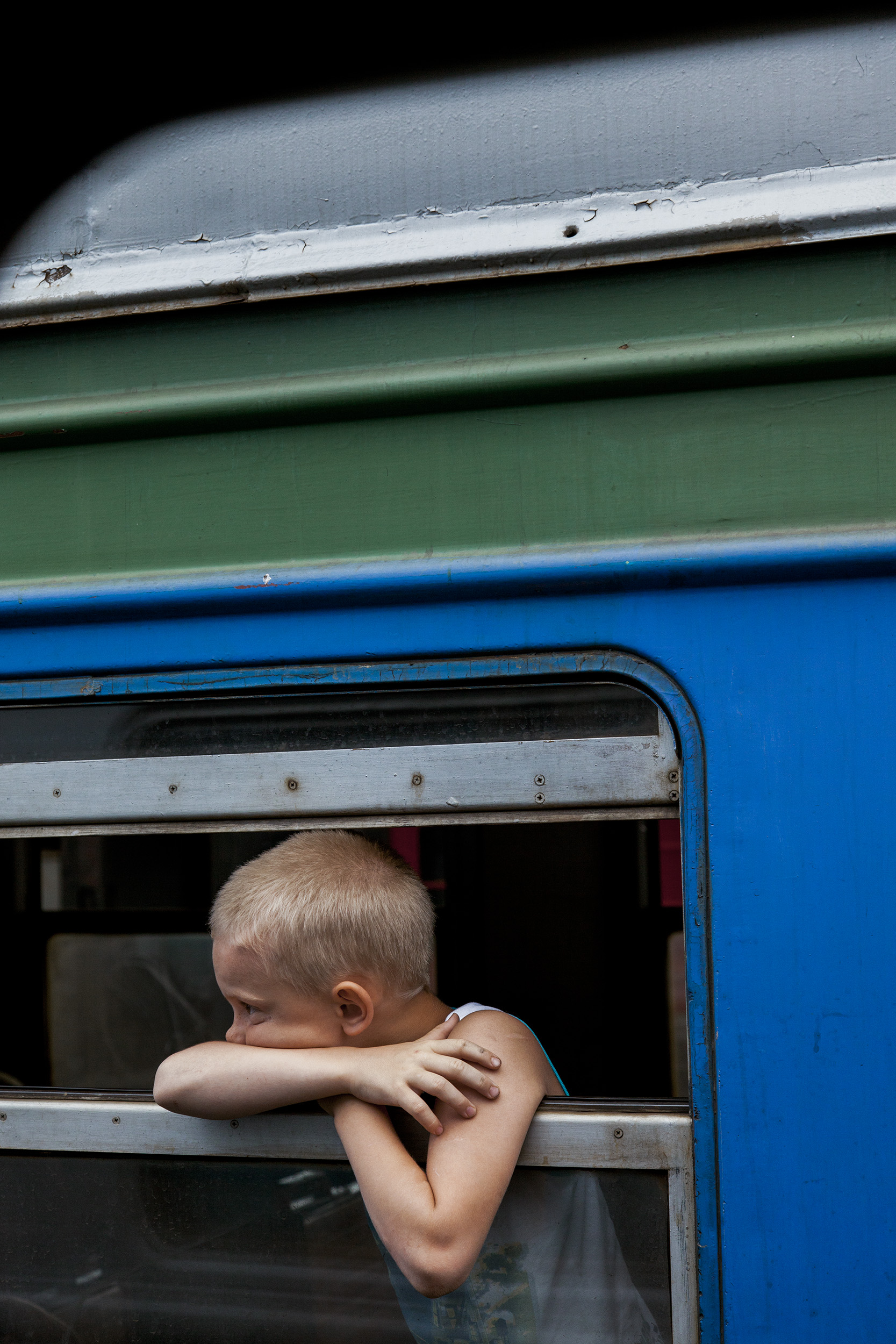
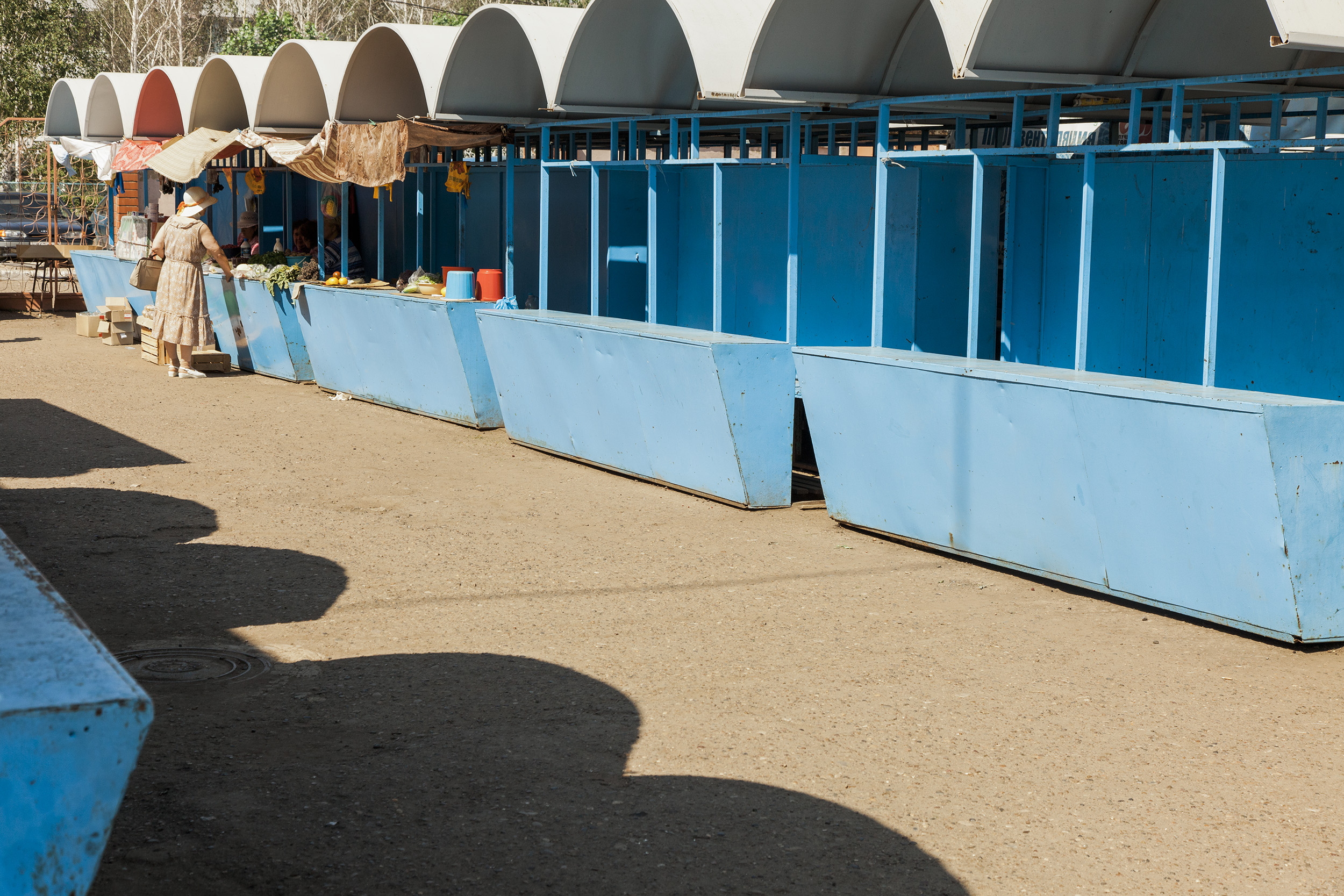
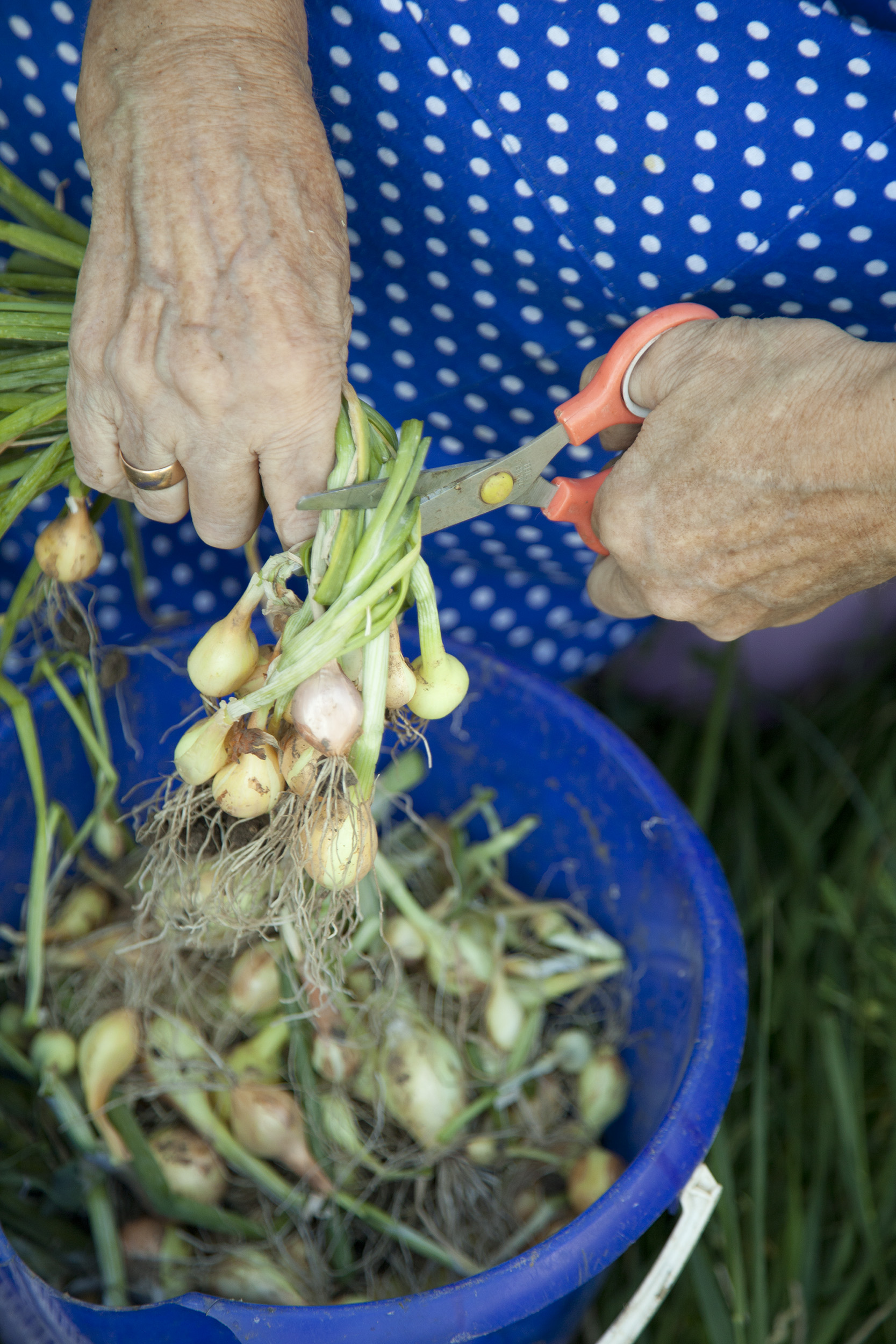
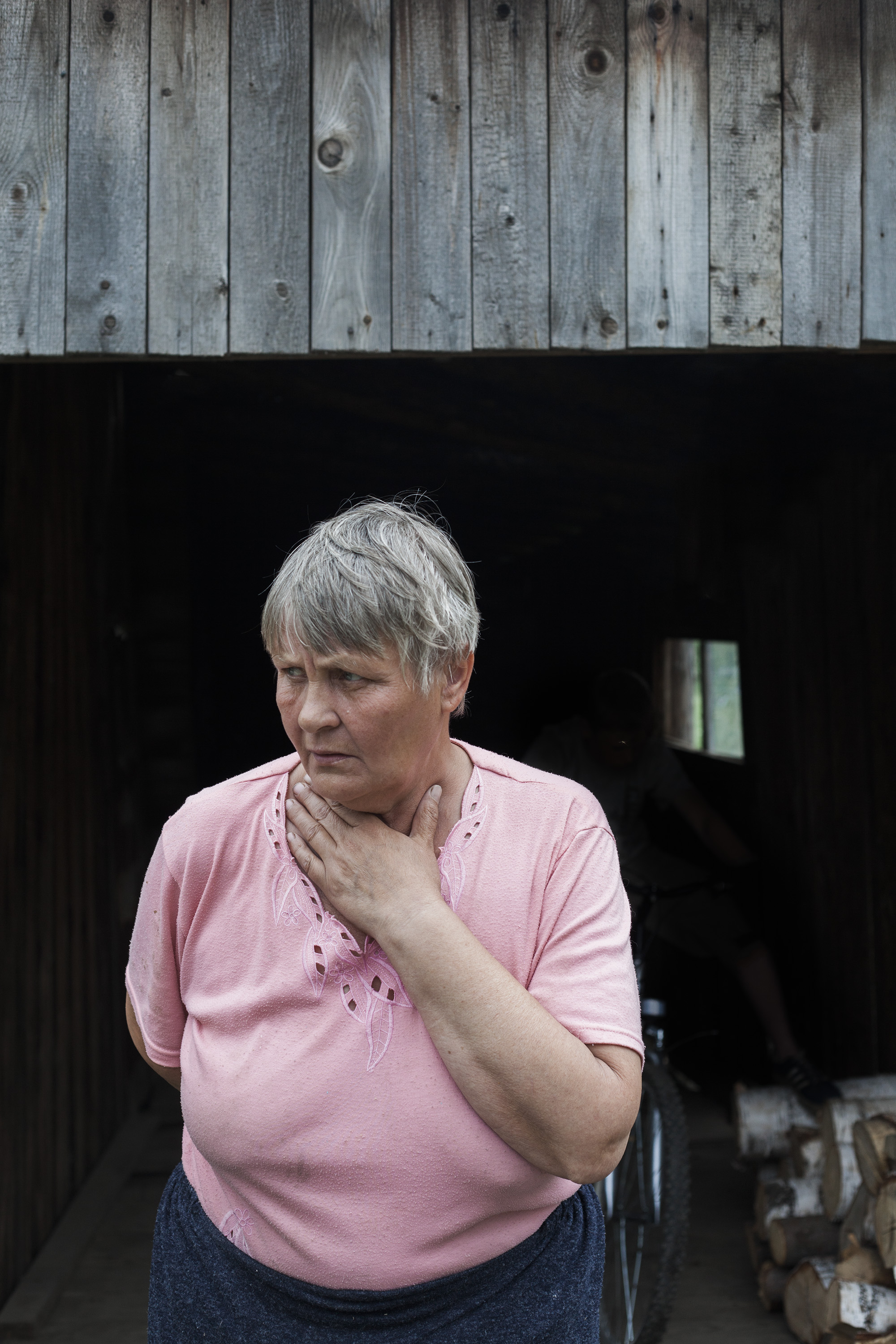
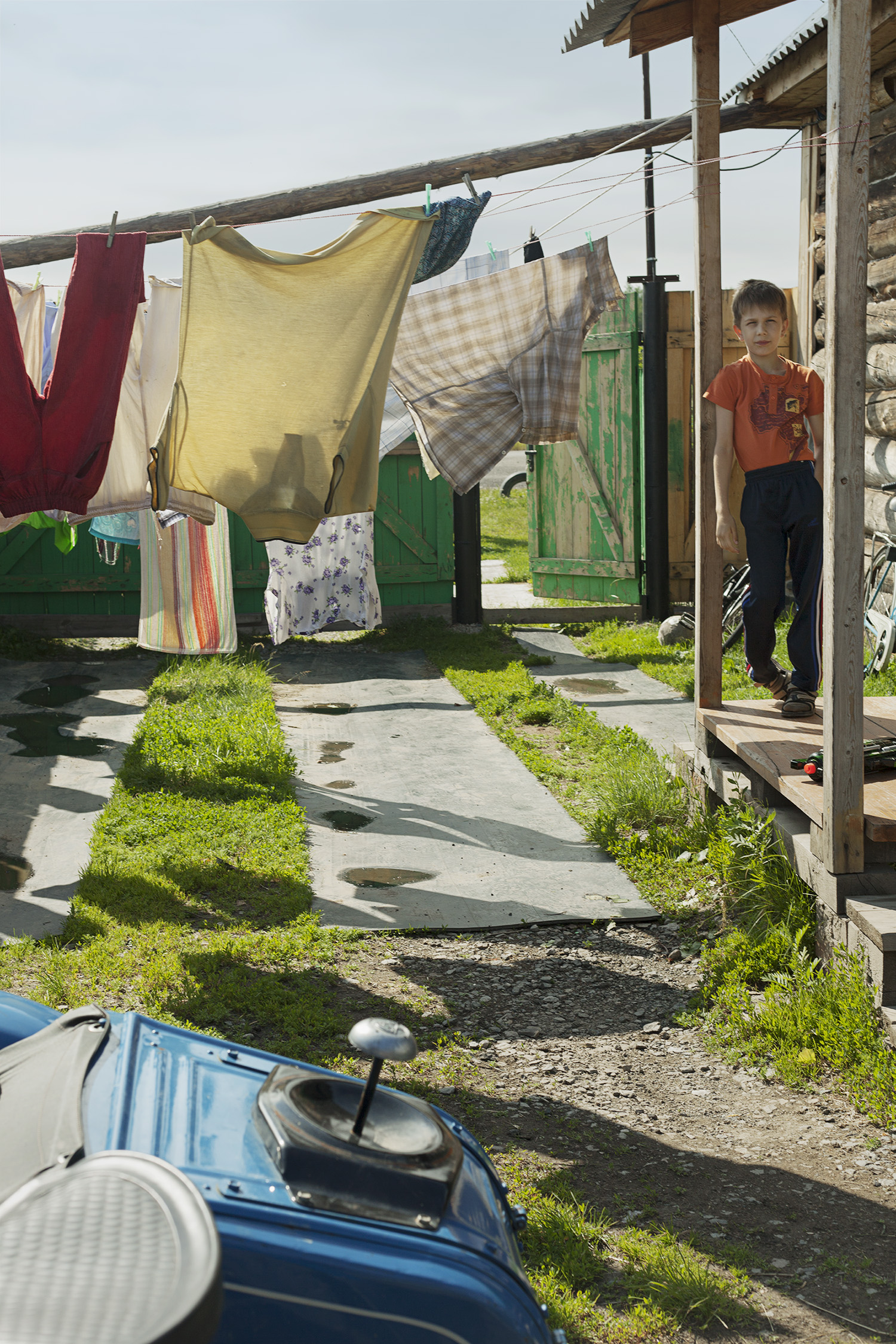
These factory workers became the local farmers, the bee keepers, the rabbit breeders. Going back in time, many of these towns with promising futures for families now they rely on their own hands and soil. In the last 20 years since the Soviet Union has collapsed, the people had to become stronger and self-reliant.
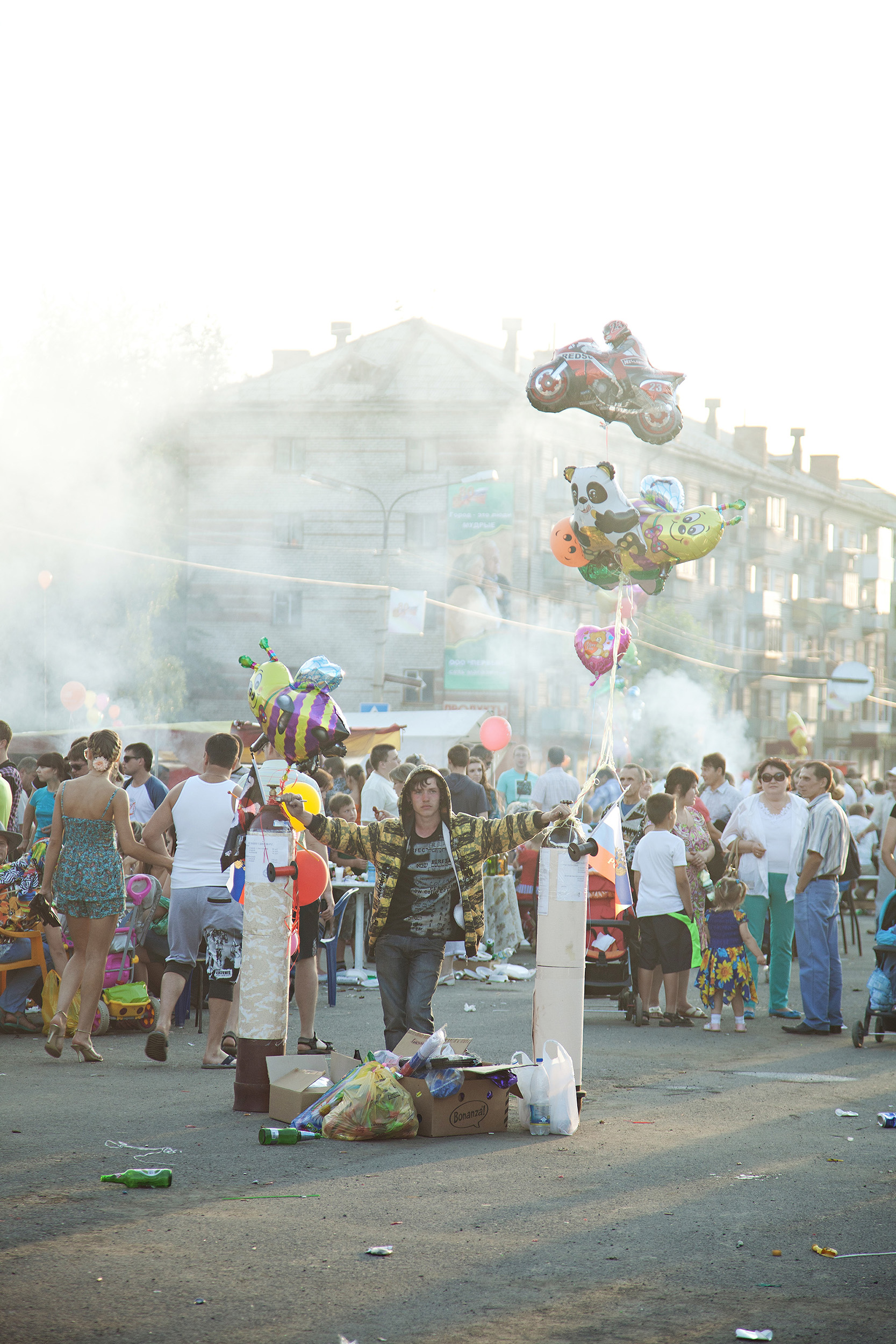
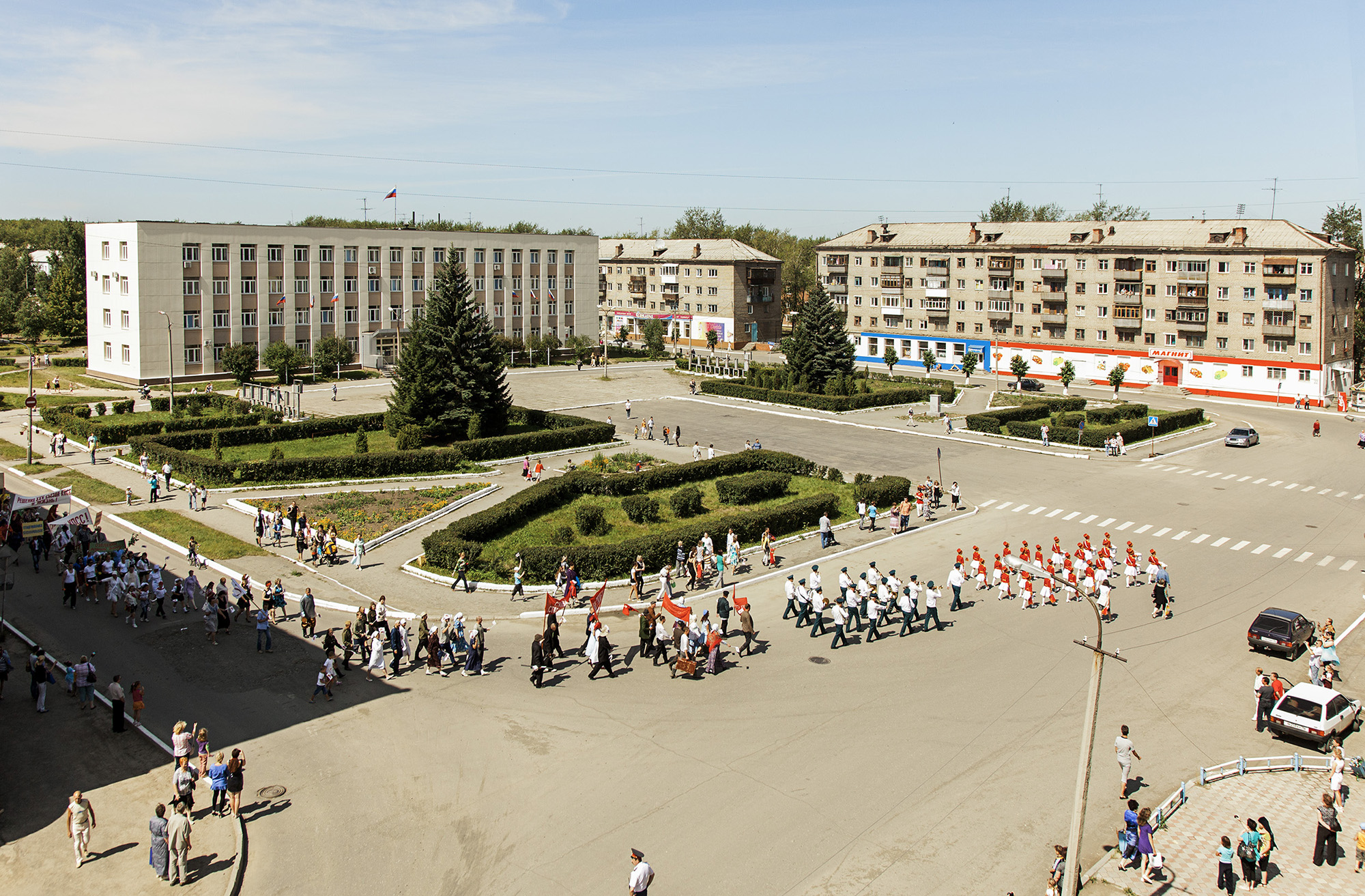
For months, I backpacked back and forth across Russia. With the collapse of the Soviet Union came a massive destruction of documents. I had to work from the ground up to find the names of these towns, then I had to ask around to find out where they were, as modern maps don’t include them.
There are still secret towns, with secret histories that many Russians don’t even know about themselves. Towns with radioactive rivers and histories so unreal they wax folklore. Hitchhiking from small town to small village, I found the hidden 1/4 of Russia. The ones who used to make steel, but have since become Made of Steel themselves.
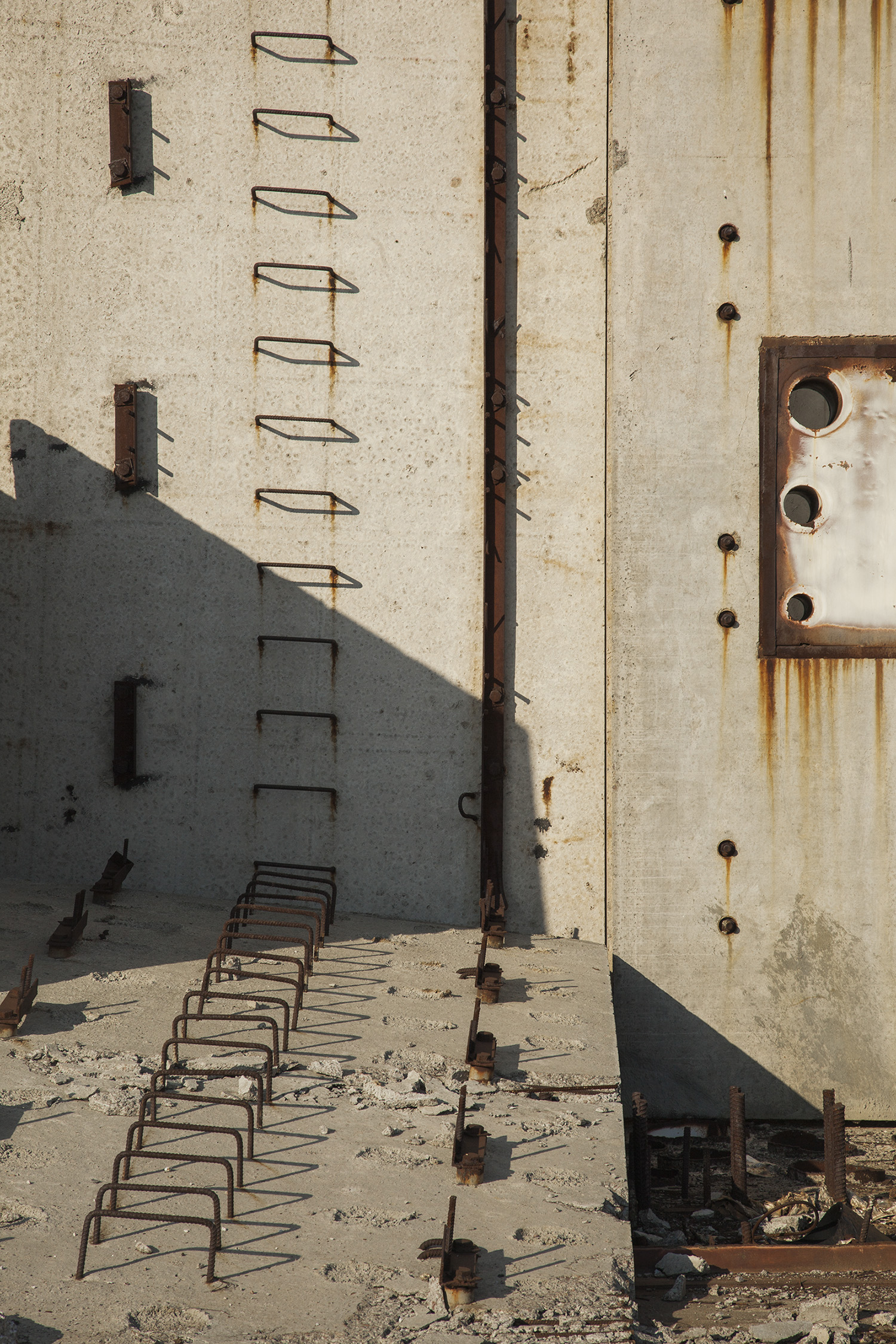
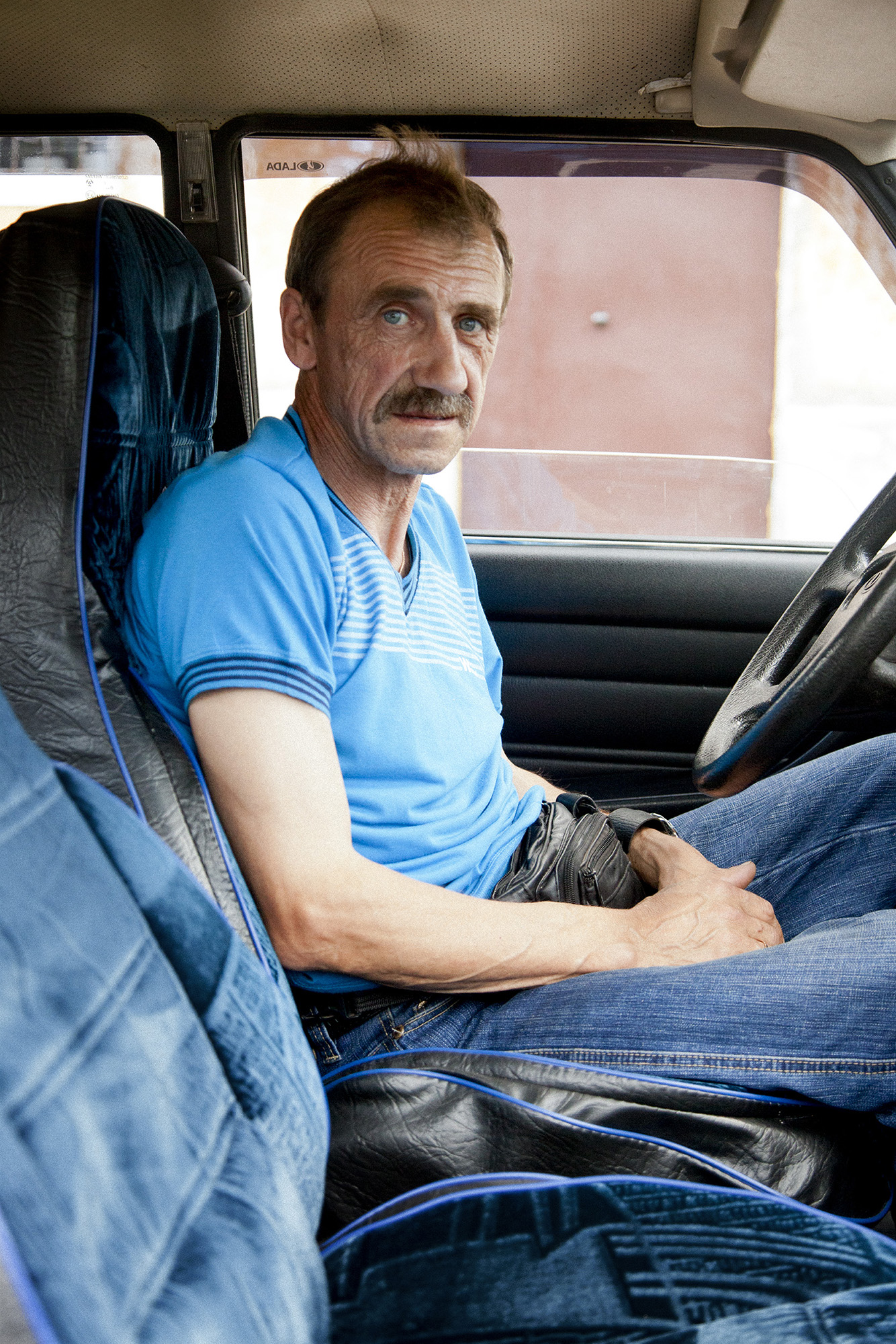
Check out more of Christine’s work on her website, and follow her on Instagram.
Enjoyed this article? Like Huck on Facebook or follow us on Twitter.
You might like

Nick Haymes’s intimate portrait of his family’s life
Chronograph — Over 25 years, the photographer documented his son’s lives as they grew into adults. The resulting photobook is an exploration of the passage of time, as well as the optimism of youth.
Written by: Miss Rosen

Kristina Rozhkova’s scatty, confronting portrait of captivity
Gut Feeling — The Russian artist’s 2024 arrest and subsequent detention opened her eye towards the omnipresent dynamics of power and control. Her new photobook is a stark exploration of being trapped.
Written by: Isaac Muk

UK’s first ever Latino film festival is coming to London
LoLaFF — Taking place between October 2-6, it will feature 55 filmmakers from Latin America, with an opening night at the Barbican.
Written by: Isaac Muk

Shawn Walker’s layered, psychedelic vision of Harlem’s streets
From BeBop to Illusion — Using glass as a means to illuminate the city’s different layers, the longtime photographer and filmmaker is publishing his first monograph at the age of 86.
Written by: Miss Rosen

In photos: The enduring resistance of Notting Hill Carnival
Carnival of Resistance — A new photobook by Wayne Campbell and Wayne Crichlow reflects on the protest beginnings of Europe’s biggest street festival, along with the traditions keeping its original spirit alive today.
Written by: Isaac Muk

Washing strangers’ feet at Houghton Festival
Pedilavium — As part of artist Henry Krokatsis’s performance piece at the weekender, we sat down with over 30 others to clean the dusty digits of passersby, while reflecting on the power of collective ritual and human connection.
Written by: Isaac Muk


