Shedding light on Tokyo's underground noise scene
- Text by Jack Richardson
- Photography by Gin Satoh

The sun rises as a small crowd of people emerge, ears ringing, onto the street. This is Tokyo, 1985, and Japanese noise band Hanatarash has just finished a legendarily show involving diggers, circular saws and (almost) a molotov cocktail. Among the crowd is photographer Gin Satoh, who has chronicled this show and many others since 1978.
Gin’s photos will be exhibited for the first time outside Japan in London this summer, offering a window into one of the most mysterious music scenes in modern Japanese history.
The 1980s boom years brought a lot to Japan, not least a rapid development of both cities and technology. As the world became accustomed to gleaming skyscrapers and Tokyo futurism, another underground culture had been developing in the shadows and basements. Known as noizu (noise), this genre and music scene blends punk, jazz and absolute volume. This is sweaty, bloody and violent — completely at odds with the cool, calm and sleek image of air conditioned Tokyo.
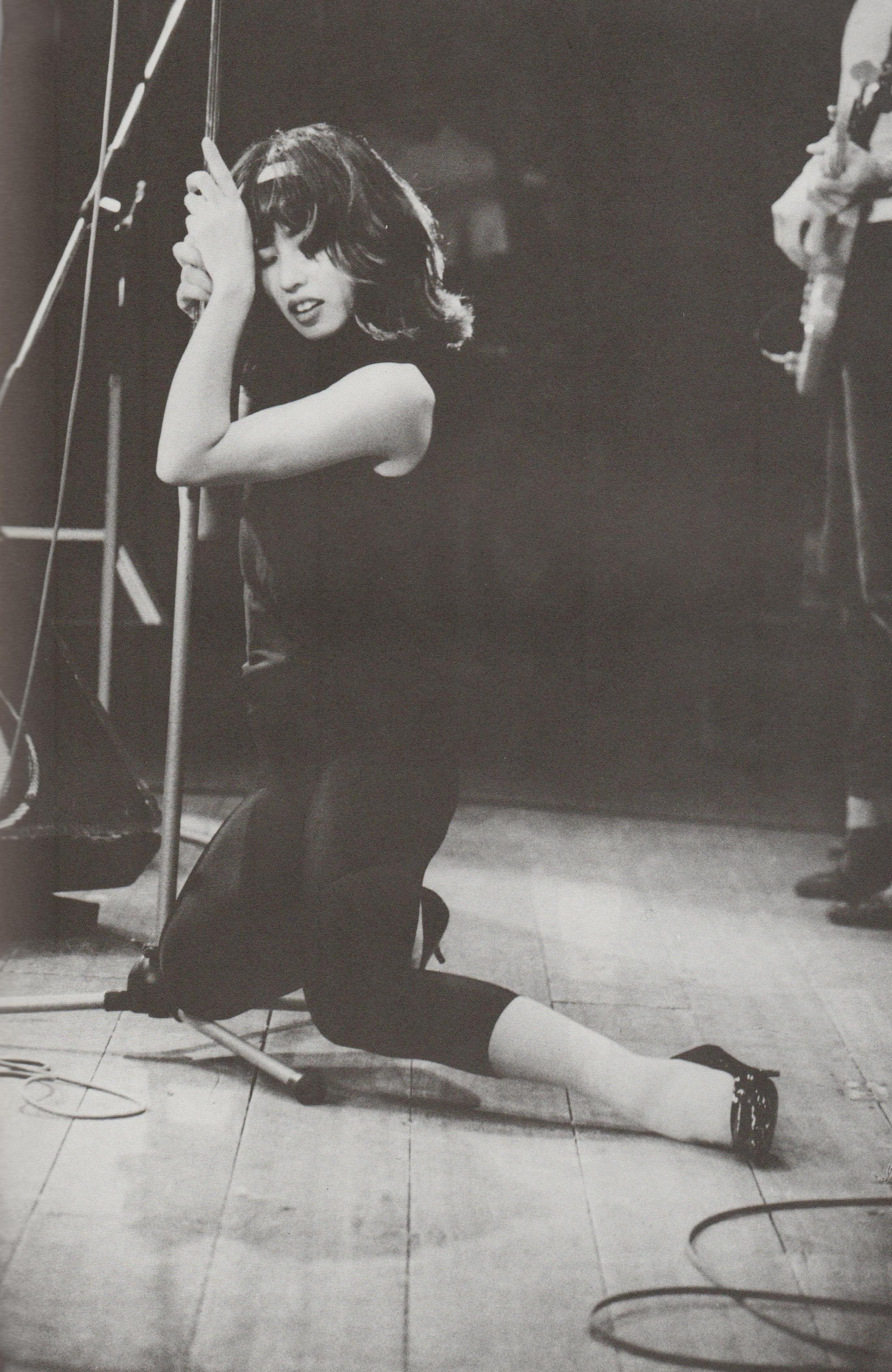
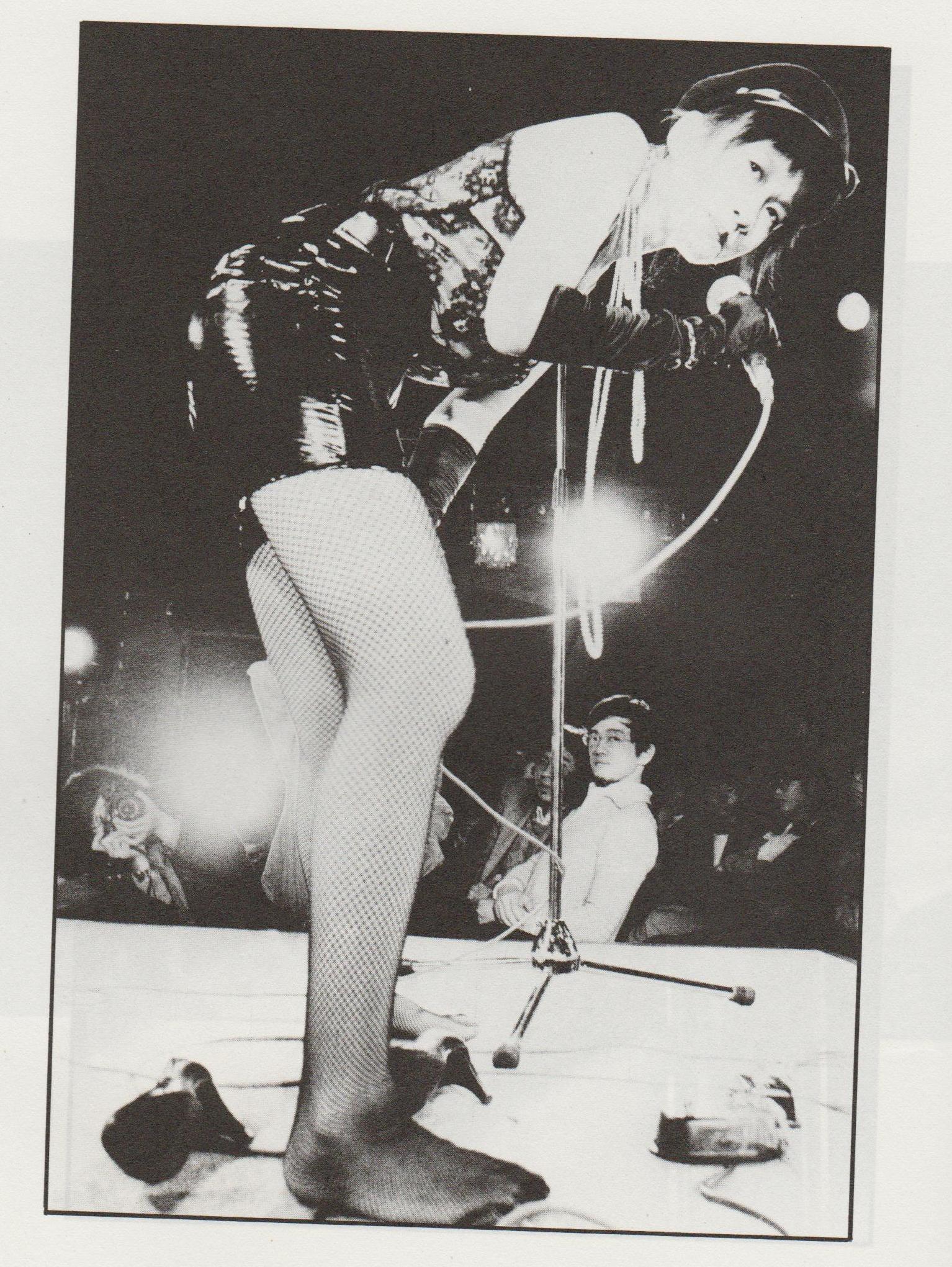
Gin began shooting live music in Tokyo when the scene was exploding. He studied photography but never graduated, instead cutting his teeth in the music scene early and building experience. It took until the 1970s for him to find the noizu scene, and when he did it was through a mixture of American influence and anti-war activism.
How did you come across this music scene?
In the 1970s, lots of events occurred frequently. If a festival like Woodstock happened, something similar would follow in Japan. And the Vietnam War was running in the background. And an anti-war message carried over into the massive protests against the renewal of ‘The Treaty of Mutual Cooperation and Security between the United States and Japan’. Musicians like Les Rallizes Dénudés and Keiji Haino participated in the opposition movement. Part of that scene I agree with.
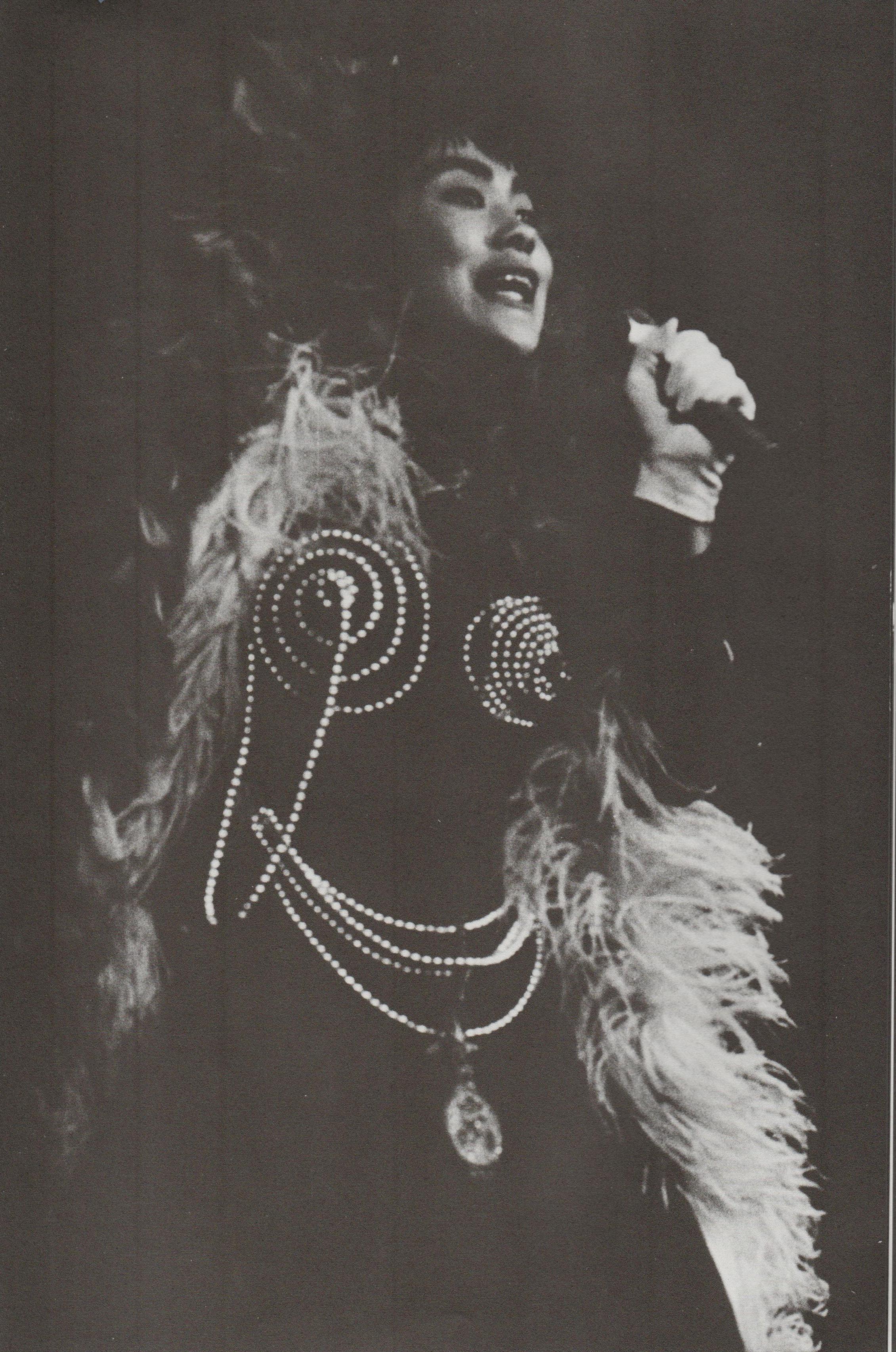
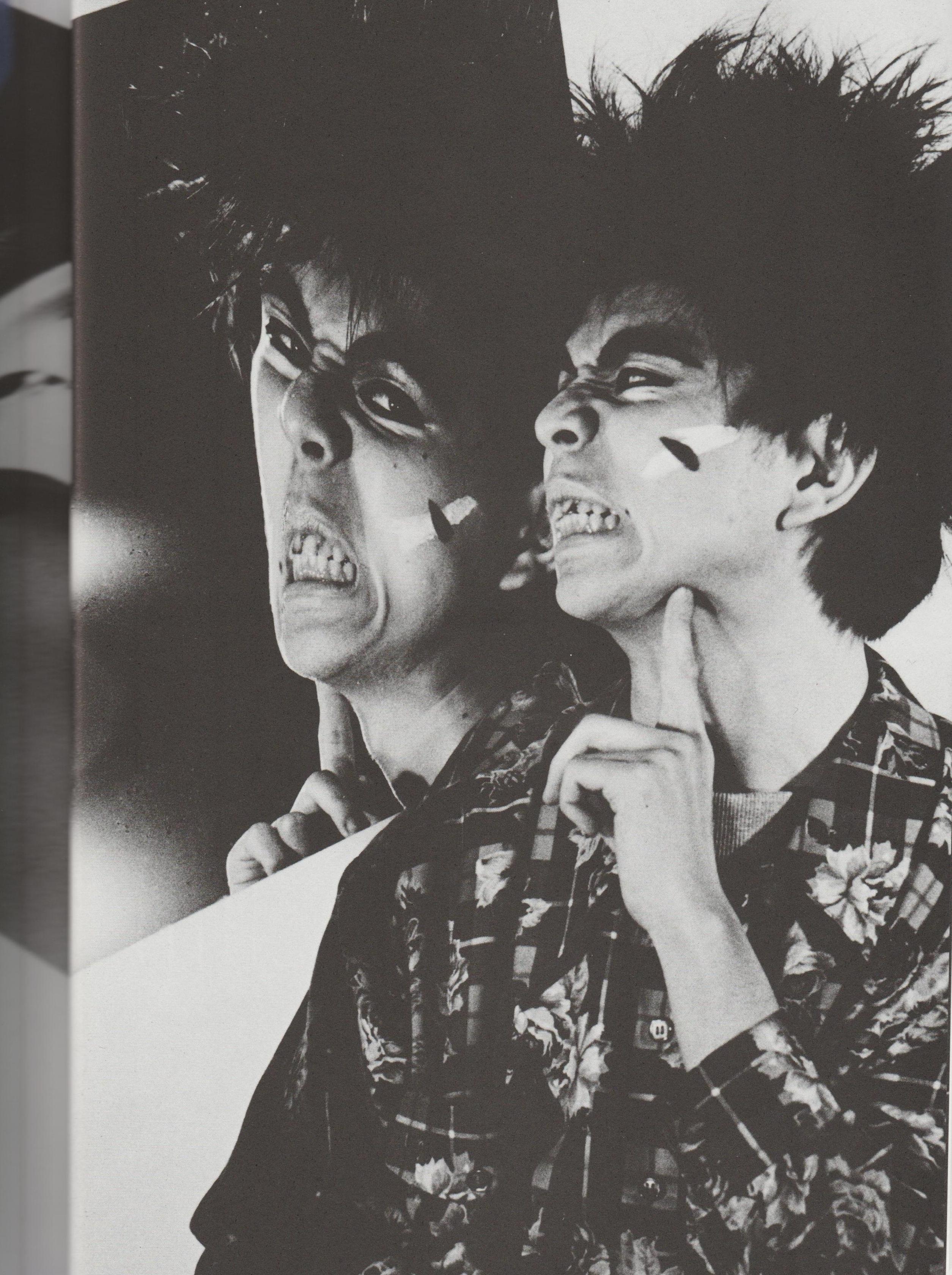
What intrigued you enough to spend nearly ten years photographing it?
It was simply these that musicians were interesting to me. To be a specialist musical photographer was a way to continue that interest.
What changed/developed across the time you knew it?
The musicians got younger. In the 1980s they were roughly between 25–30. Around 1985 they were probably 20–25. By 1990 they were younger than 20. The clothes themselves gradually became more striking, more ‘punk fashion’ too.
What was the mood like in the clubs? Rebellious? Escapist?
There were no clubs back then; there were ‘live houses.’ There was no dance scene. Rather than escapism, it was like self-assertion. That had become the norm of the time. This also affected the technical ability you need to perform with a music instrument. With a poem or a performance the guitar doesn’t need to be played well.
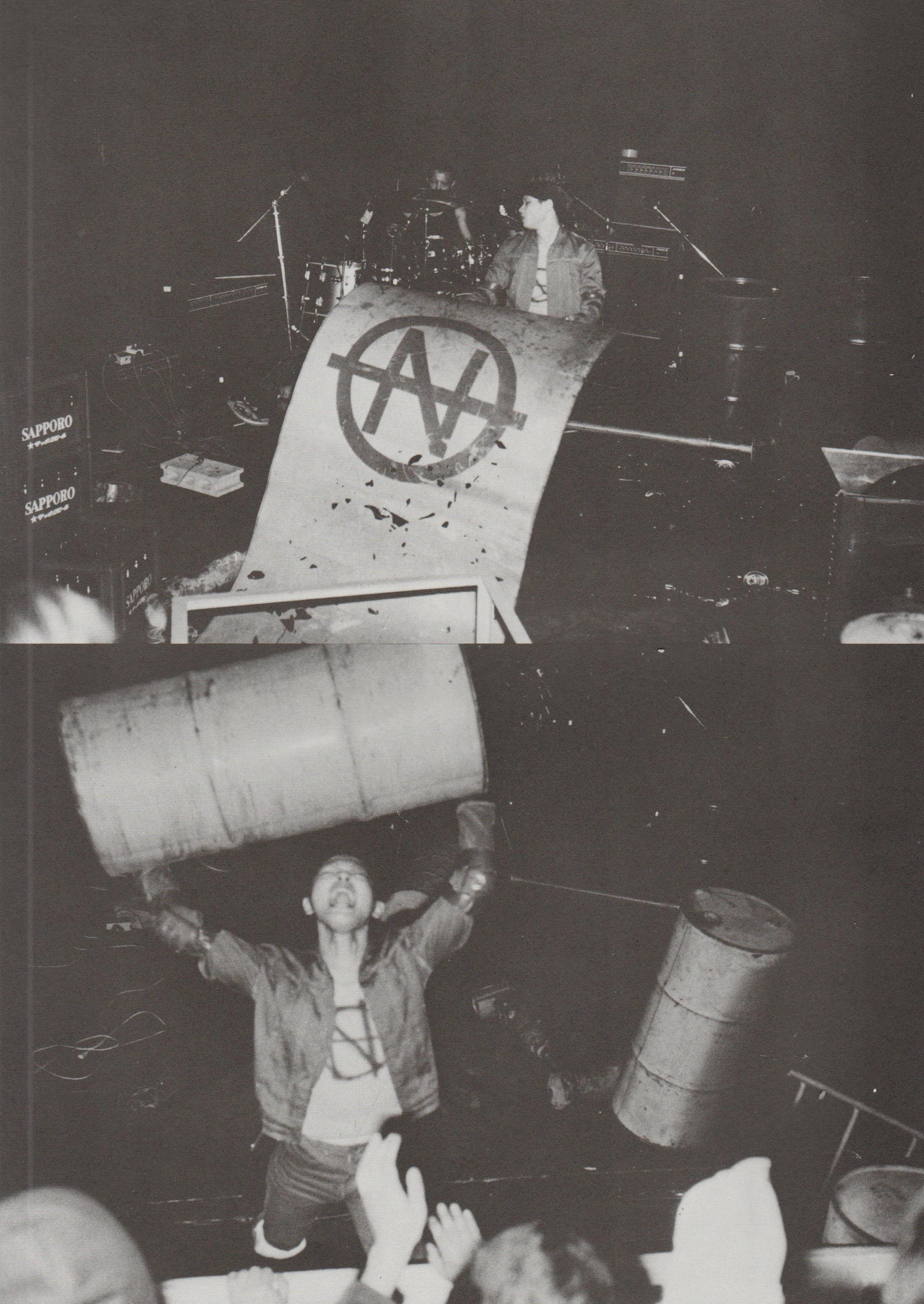
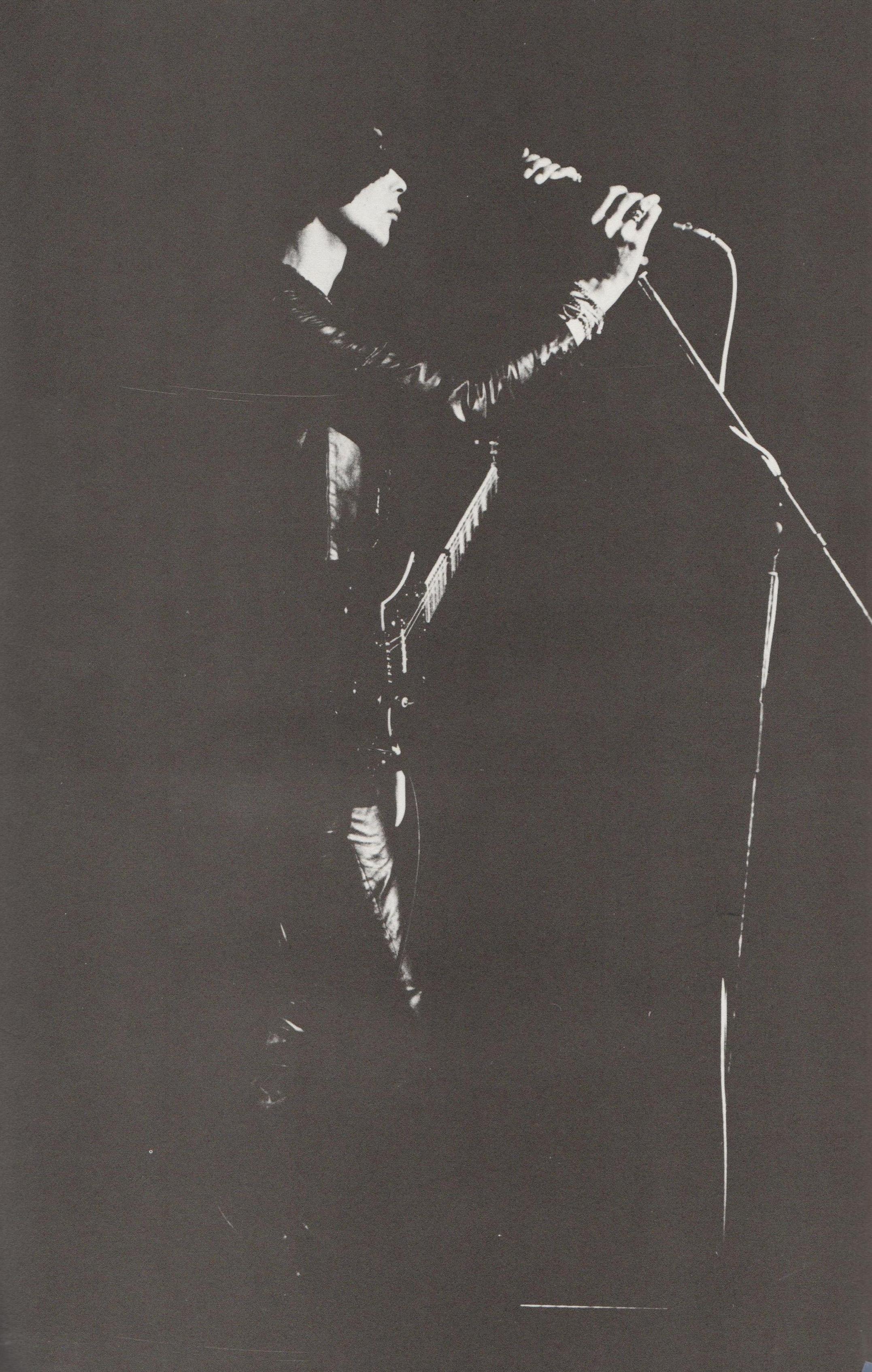
How did you seek to portray the people involved? Was it to show others what was going on or were the photographs for the people inside the scene?
This idea of seeking wasn’t necessary. The musicians were always around. They also knew they had to promote themselves. Then the word ‘indie’ was born. It was no longer necessary for musicians to release their music on a major label. It was now possible to make records from their own sources. Now it was something that could suddenly appear in front of you.
The reason for showing photos was that youth magazines or music magazines used to only follow major label artists. They were beginning to cover the punk scene, so it became possible to show photos in such media. I managed to get some income, and the bands were very happy about the coverage they were getting. Since the late 1980s they started getting interest from the media, and the major labels started to release records from potentially successful punk bands.
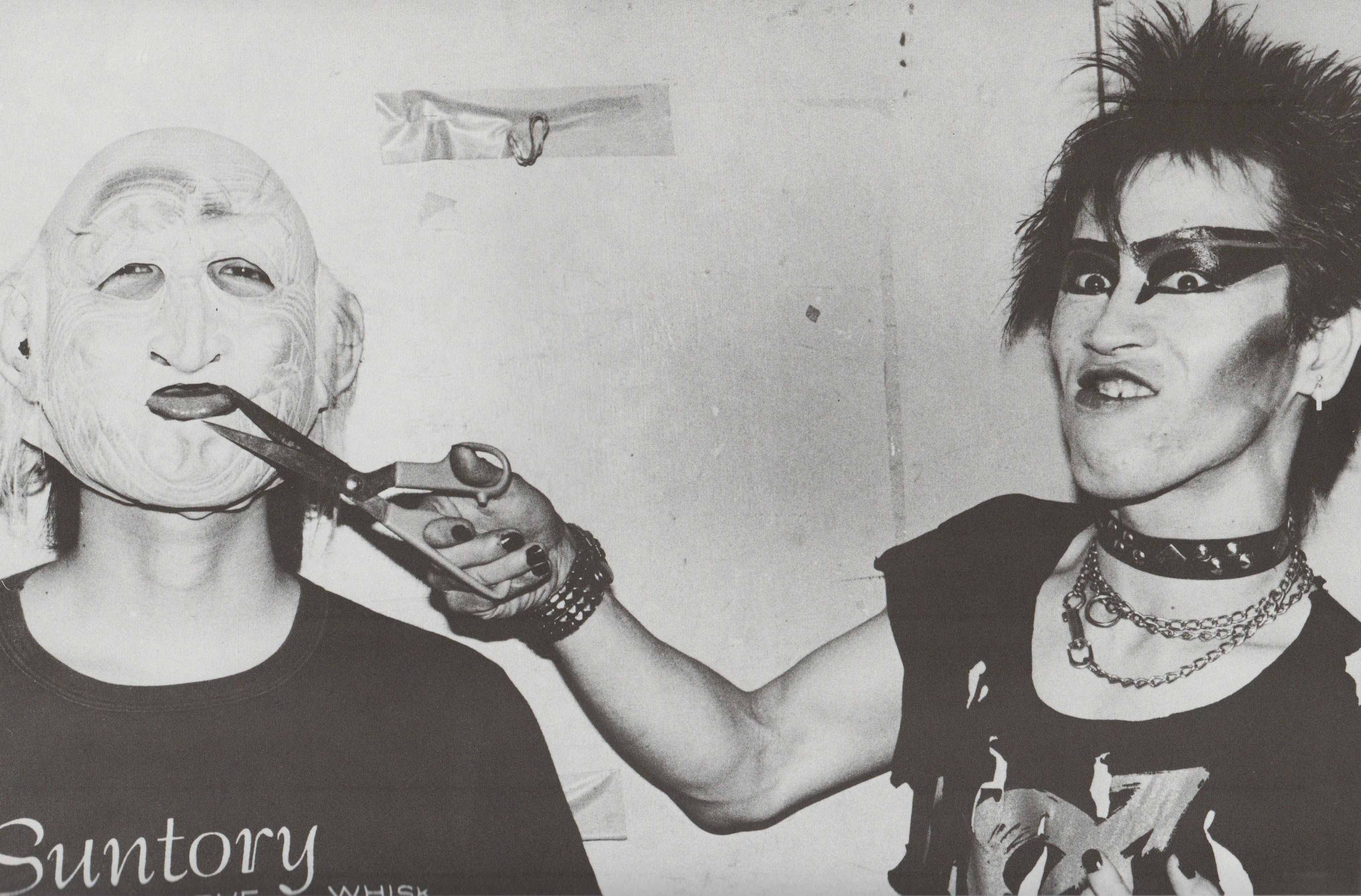
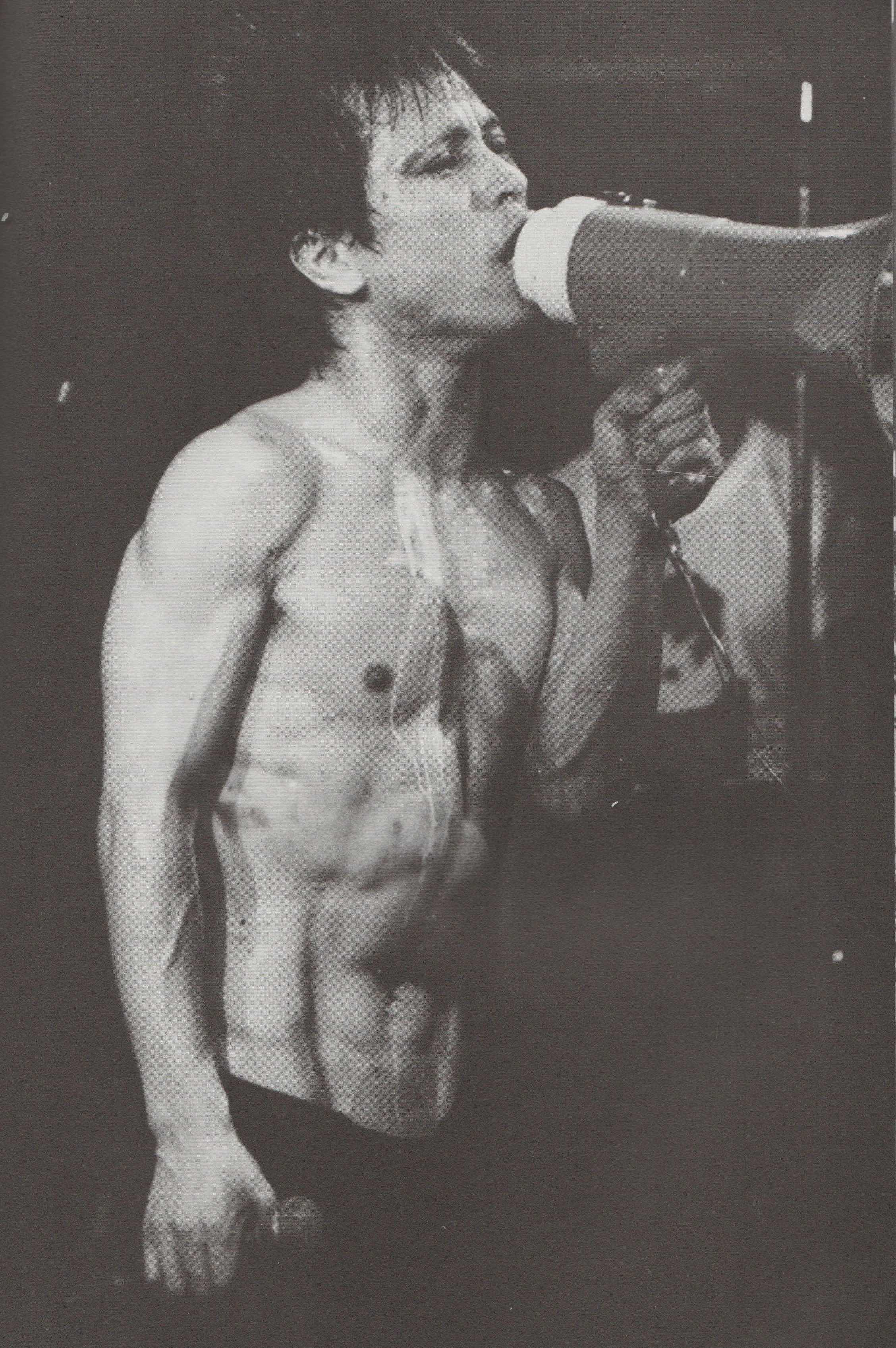
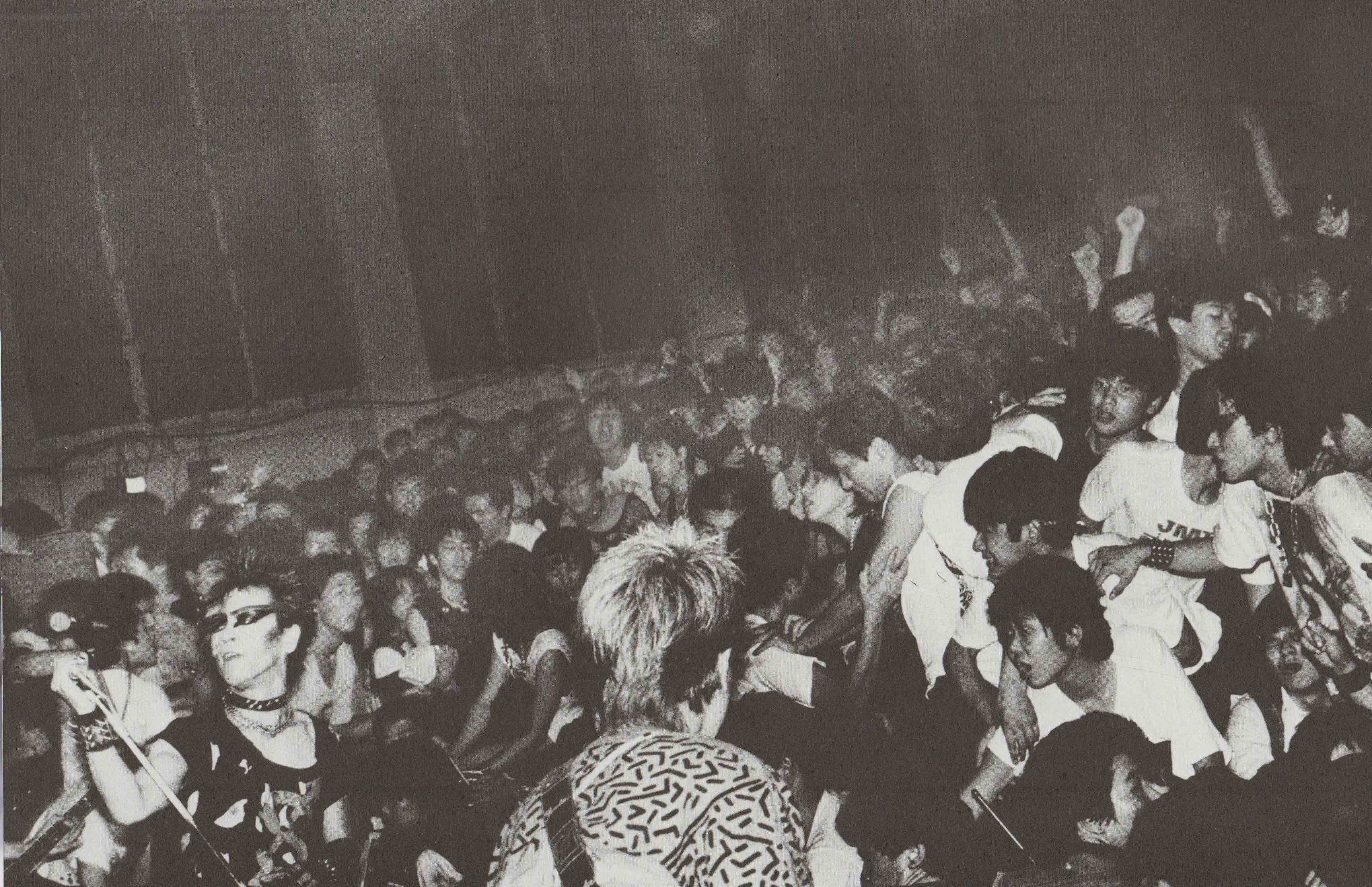
Do you stay up to date with what’s happening now? Is the ‘noise spirit’ still alive?
After 2000, I felt those movements were over. Perhaps, all the movements fell apart but some still continue. Some musicians like noise, treating it as a method of expression. What sounds like noise to some people could be a lullaby for others. When the Beatles were born, some people took one look at them and thought, ‘this is music for bad boys.’ As a result they were not accepted by adults.
1985 Tokyo Underground Revisited is open at Doomed Gallery from 30 June to 3 July 2016, and Café Oto in Dalston from 30 June to 27 July 2016 respectively.
Enjoyed this article? Like Huck on Facebook or follow us on Twitter.
You might like

Jesse Glazzard’s messy portrait of queer friends, lovers and chosen family
The Sound of Dirt and Beauty — The photographer’s debut monograph explores tender, unpolished moments shaped by the people who he surrounds himself with, while offering a window into the UK’s working-class LGBTQ+ community.
Written by: Sunny Sunday

Behind the curtain at Alternative Miss World 1981
Olympia glamour — Running a subversive take on the traditional beauty pageant, the Andrew Logan organised event prioritised underground creativity and invention. Photographer David Corio went behind the scenes at its biggest edition.
Written by: Miss Rosen

What life on the Strait of Hormuz is really like
Southern Winds — Bandar Abbas based photographer Morteza Niknahad has been capturing the diverse communities and stories of his local region since he first picked up a camera. His new series highlights the human impact of war.
Written by: Isaac Muk

Nick Haymes’s intimate portrait of his family’s life
Chronograph — Over 25 years, the photographer documented his son’s lives as they grew into adults. The resulting photobook is an exploration of the passage of time, as well as the optimism of youth.
Written by: Miss Rosen

Kristina Rozhkova’s scatty, confronting portrait of captivity
Gut Feeling — The Russian artist’s 2024 arrest and subsequent detention opened her eye towards the omnipresent dynamics of power and control. Her new photobook is a stark exploration of being trapped.
Written by: Isaac Muk

UK’s first ever Latino film festival is coming to London
LoLaFF — Taking place between October 2-6, it will feature 55 filmmakers from Latin America, with an opening night at the Barbican.
Written by: Isaac Muk


