Snapshots of London life one train stop at a time
- Text by Isaac Muk
- Photography by Simon Wheatley

In 1994, a young Simon Wheatley had just graduated from his studies at Manchester University when he took a trip to Prague. He’d never quite felt that he fitted in at school, trapped among its rungs of social cliques and hierarchies, and was yet to set himself free. Just before he was due to head home, he had flash of understanding.
“I was travelling with my dad’s camera and that night I had this tremendous feeling of realisation,” says Wheatley. “Hang on a minute, I don’t need to be anywhere. I don’t need to be at university, I don’t need to do anything that anyone expects of me. I get goosebumps just thinking about that moment of liberation.”
Energised by this epiphany, he threw the ticket for his return flight into the nearest bin and travelled as far as possible in the opposite direction – reaching Mexico after winning a photography competition from Time Out Magazine, which landed him a round the world plane ticket. When he eventually returned to the UK he settled in London, hoping to establish himself as a professional photographer having formed the embryonic stages of a career.
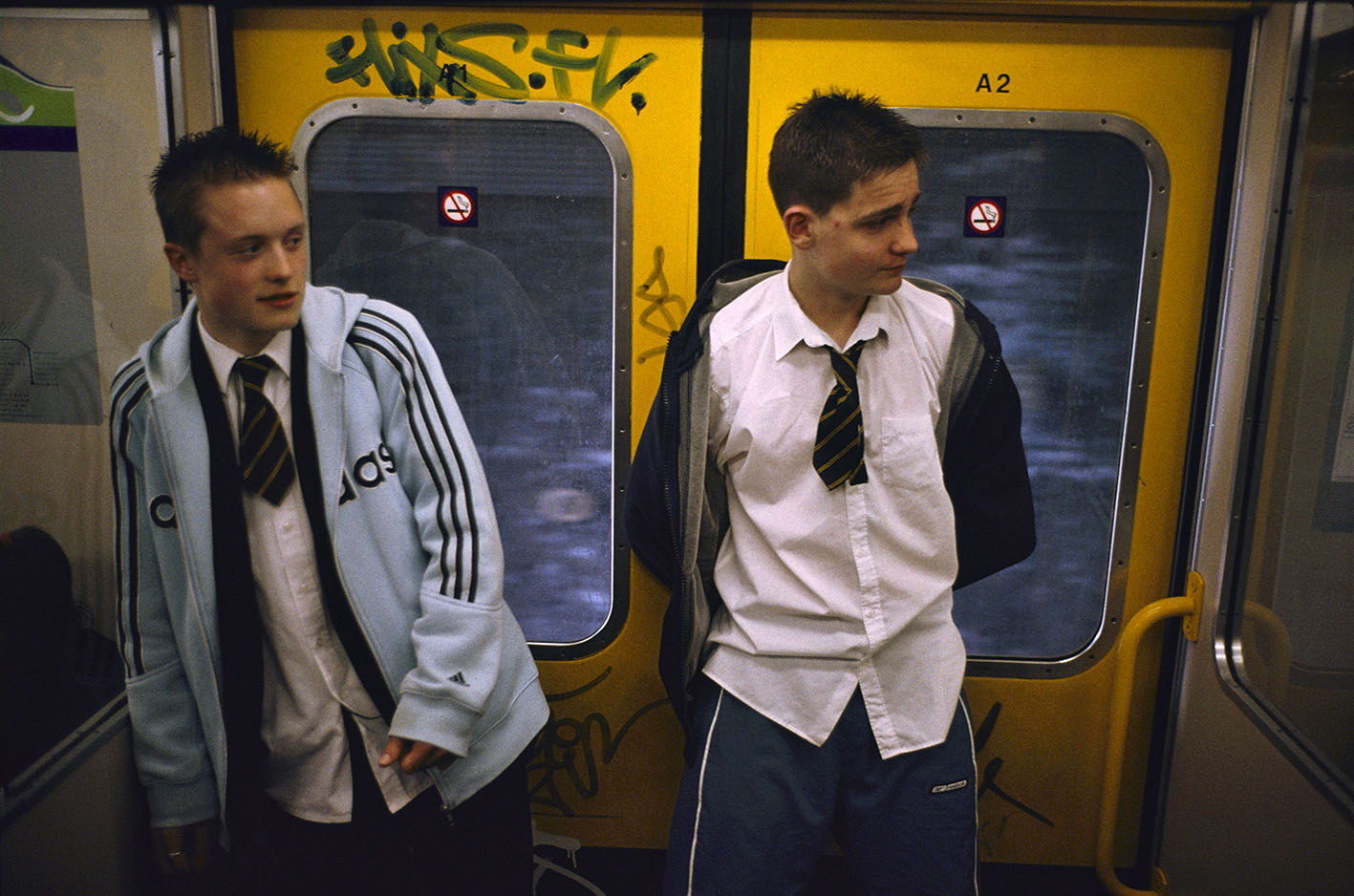
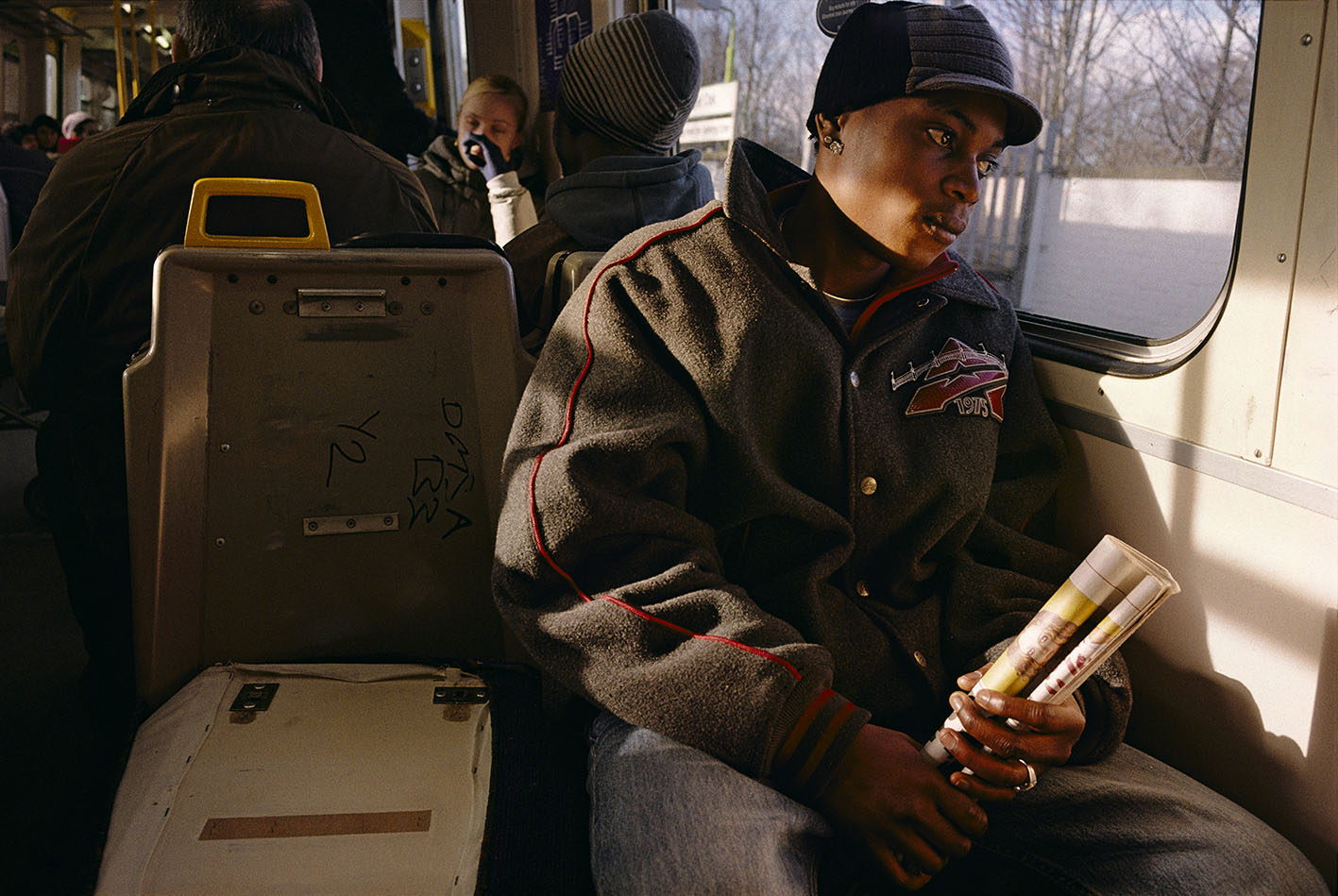
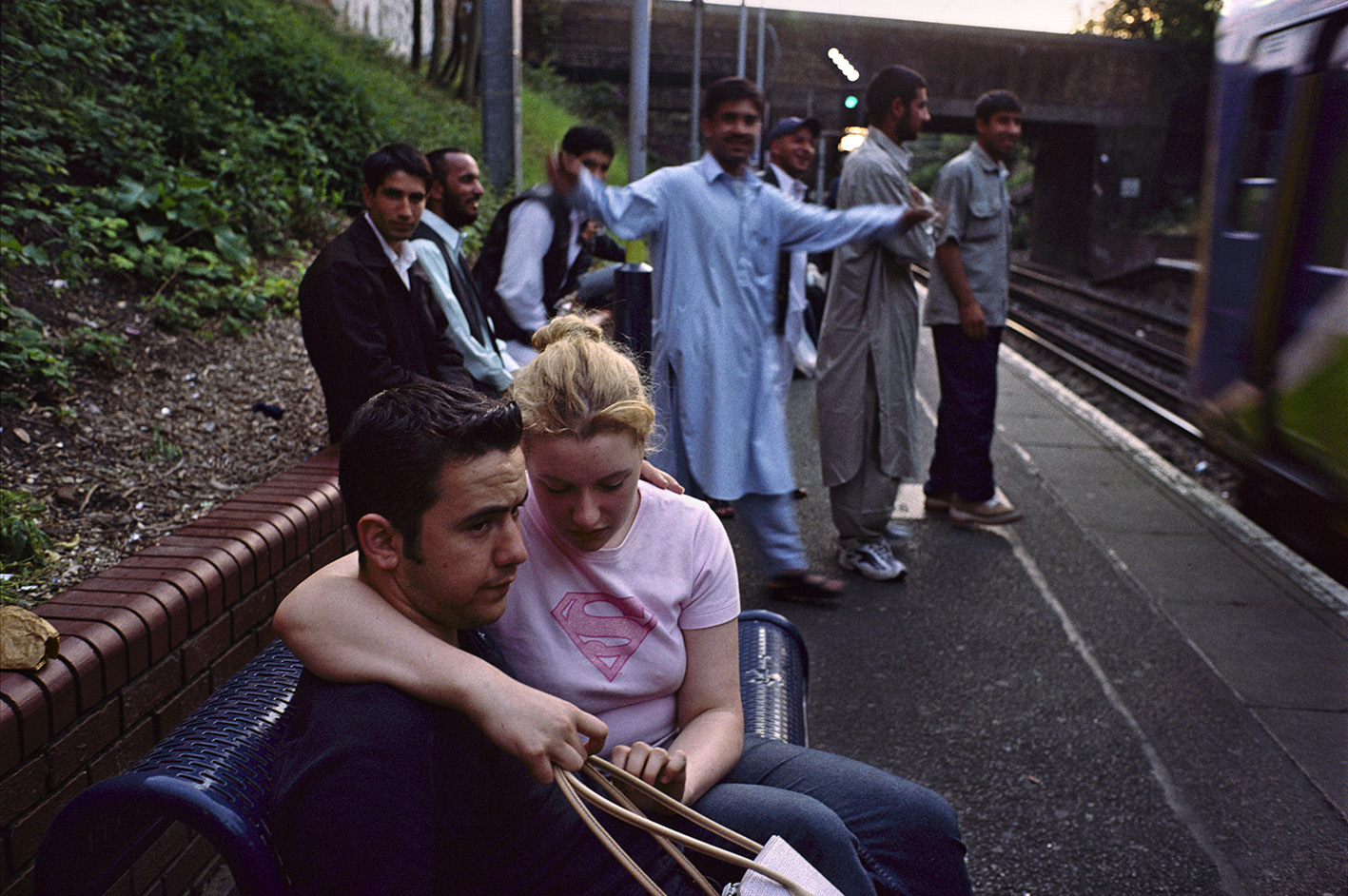
But what Wheatley found was a cutthroat publishing industry, where establishing yourself required connections, brazen confidence and a whole lot of luck. He quickly began searching for a creative outlet. “Out of having nothing to do I started Silverlink,” he says. “I’d be looking at the London rail map and there was this clear white line, the North London Line, and thought: ‘Wow that looks interesting.’ It seemed like a way to make a travel story within a city I didn’t really know well.”
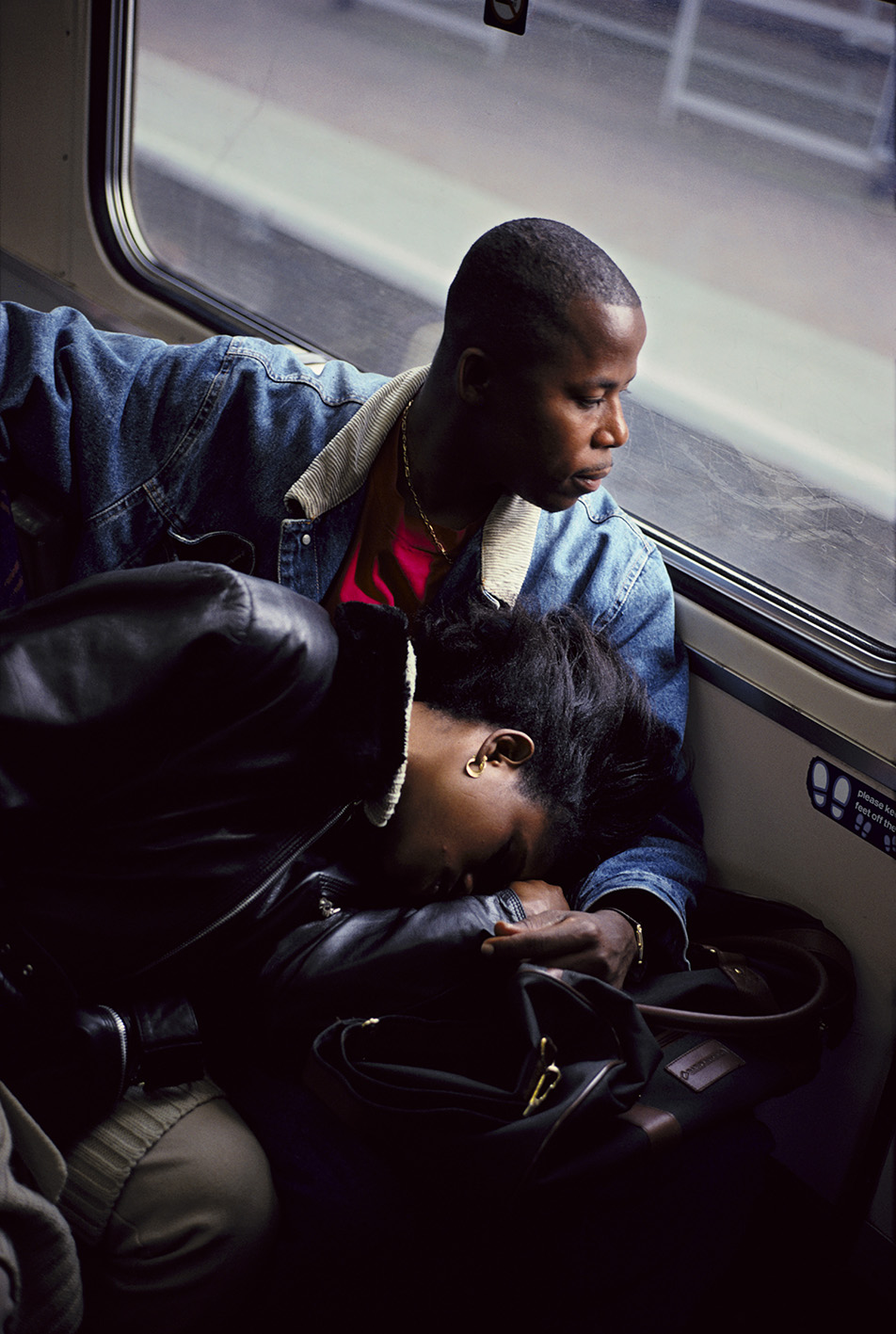
Having travelled for years and spending his childhood years in Malaysia, Wheatley had developed a wanderlust not easily fulfilled by the grind of city life. To scratch the itch, he began riding the North London Line (soon renamed Silverlink after rail privatisation) from East to West, North to South, armed with bags of cheap, out-of-date film he stored in his freezer. He would do this for years – from 1998 to 2010 – taking pictures of the communities serviced by the stations, the trains he rode and the people he met.
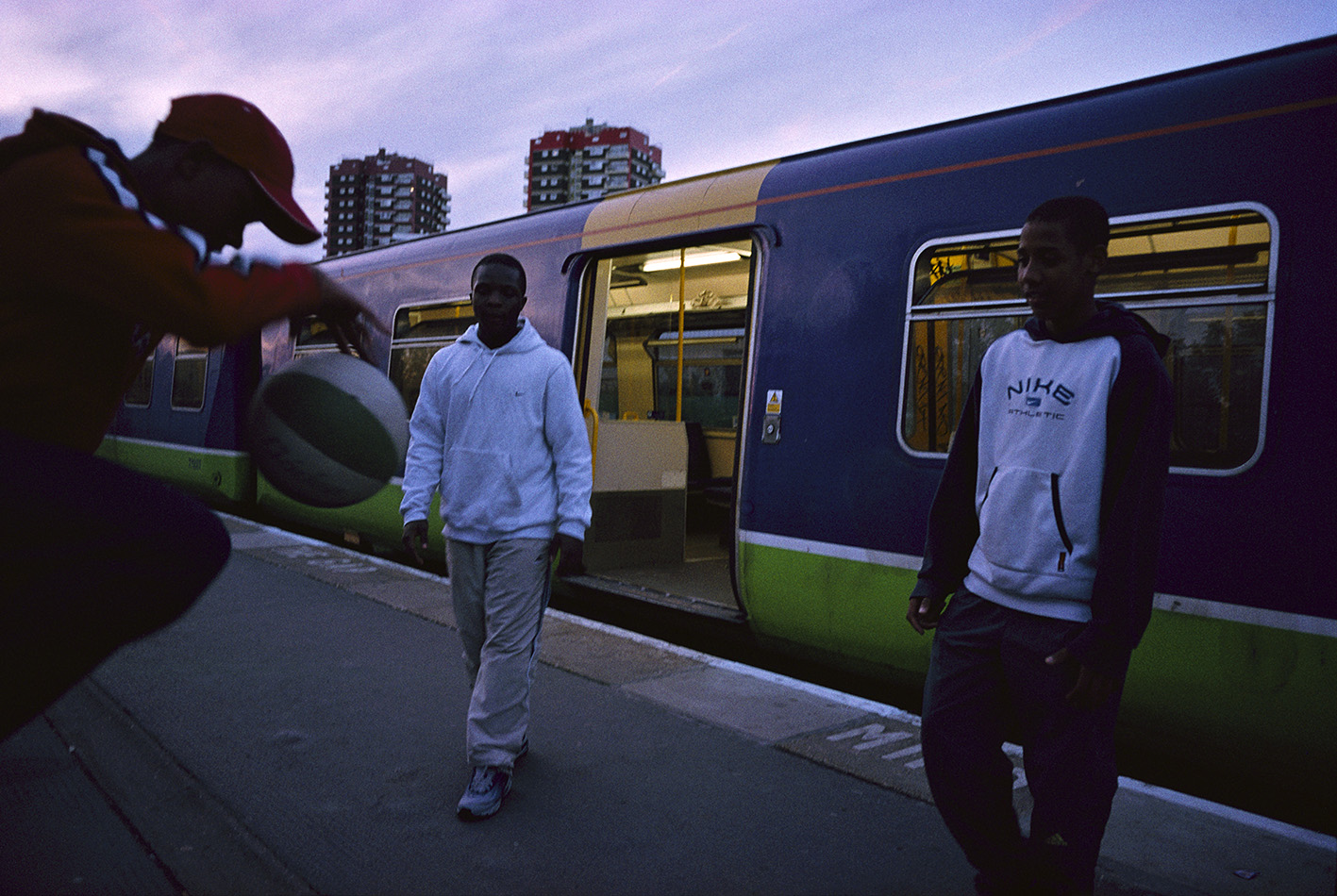
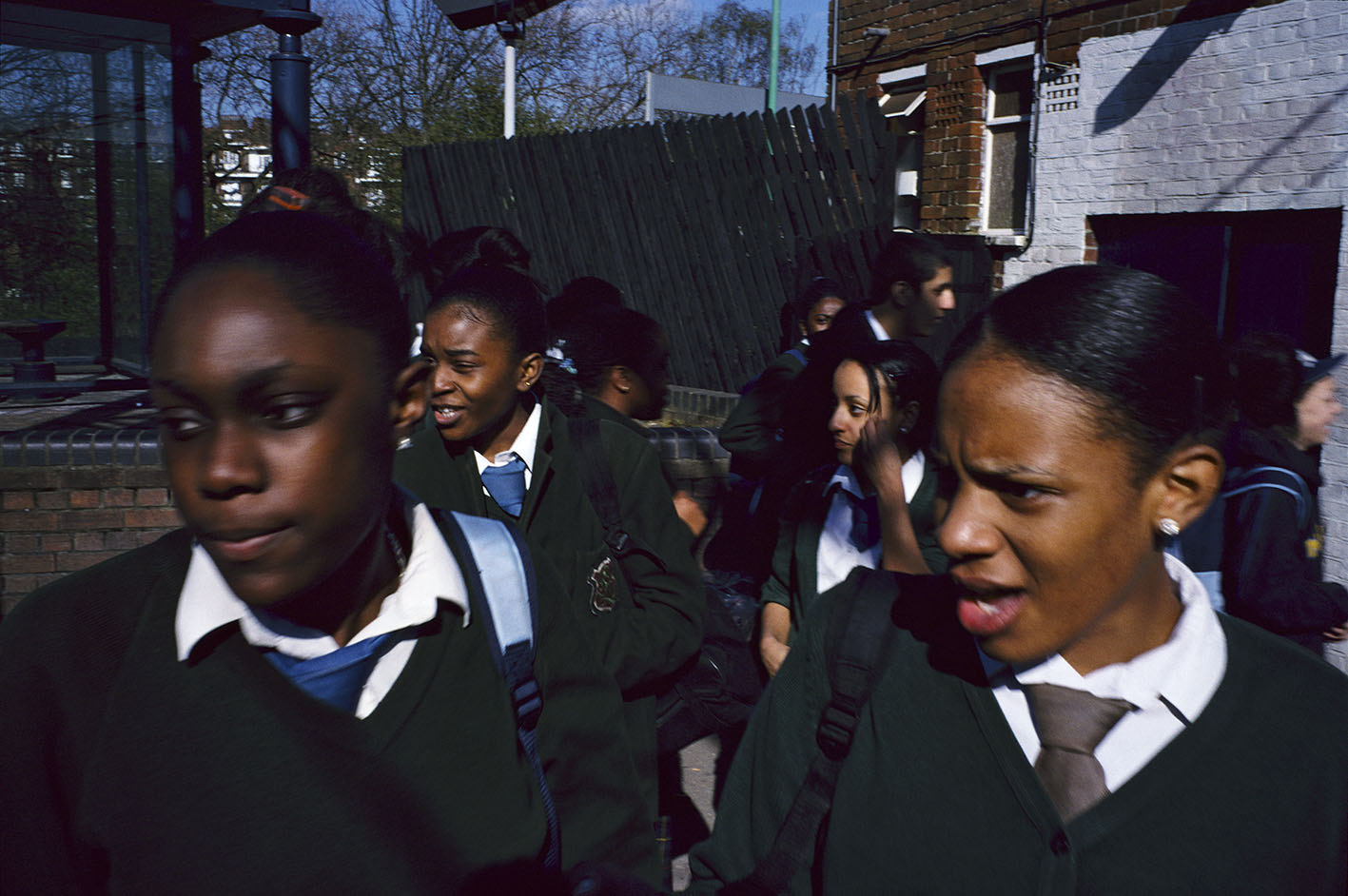
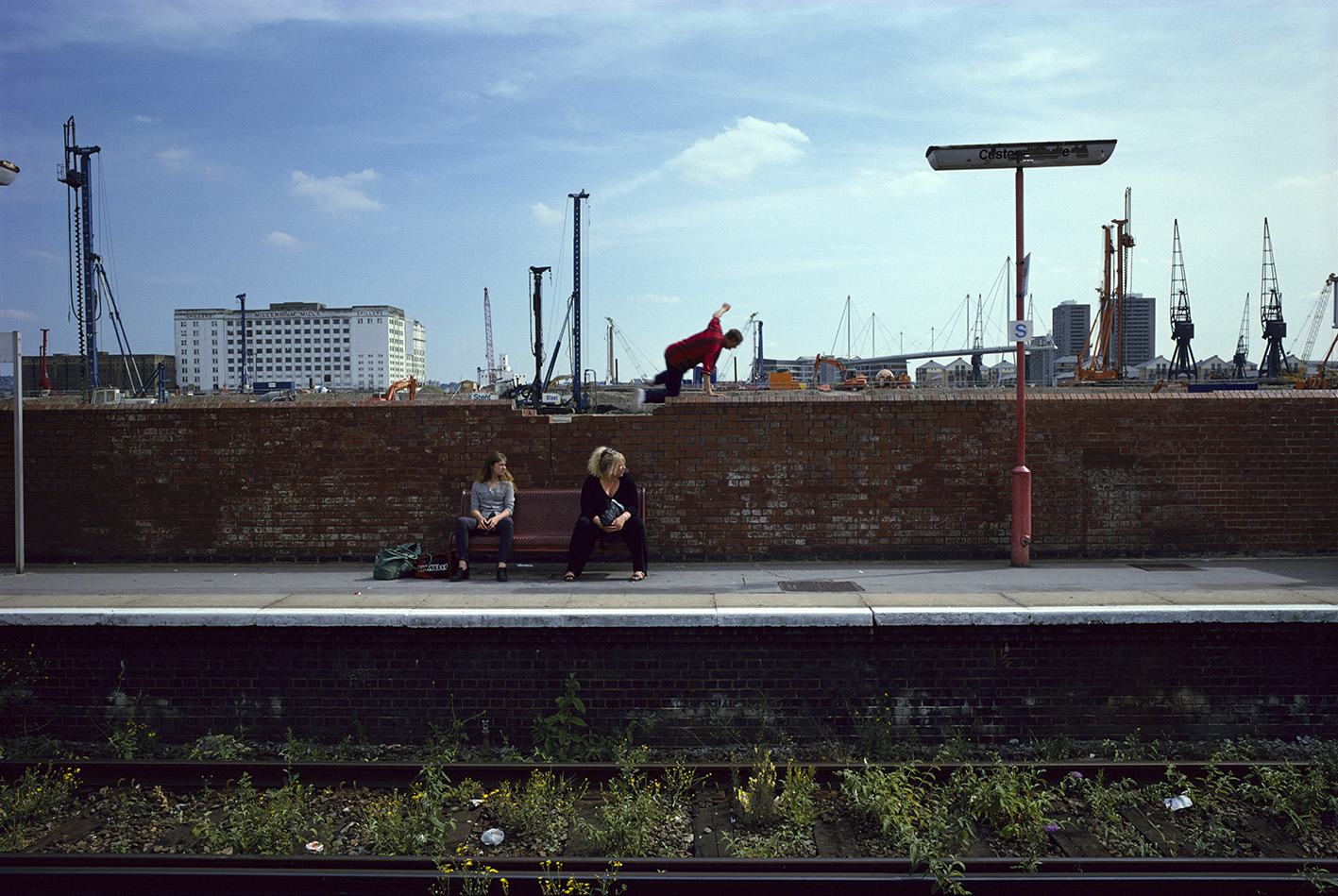
A number of these pictures are now collated in his new book Silverlink. Moving through neighbourhoods including wealthy Richmond, industrial Silvertown, pre-gentrification Hackney, multicultural Newham and new-moneyed Highbury and Islington, they capture London’s inequality and diversity – but also closeness. Rich and poor live minutes away from each other, as do people of an array of cultures and backgrounds.
It’s also a document of the failure of rail privatisation – a policy introduced in 1993 that sold off the trains to various private investors, which the Labour Party had promised to repeal but failed to do so when it came into power in 1997. “That line was so frustrating,” he says. “Trains would come every 20 minutes, and you’d be on a crowded platform at rush hour at Highbury and Islington, and all of a sudden you’d a sign saying: ‘Train cancelled.’ You’d see this collective sigh – it was terrible.”
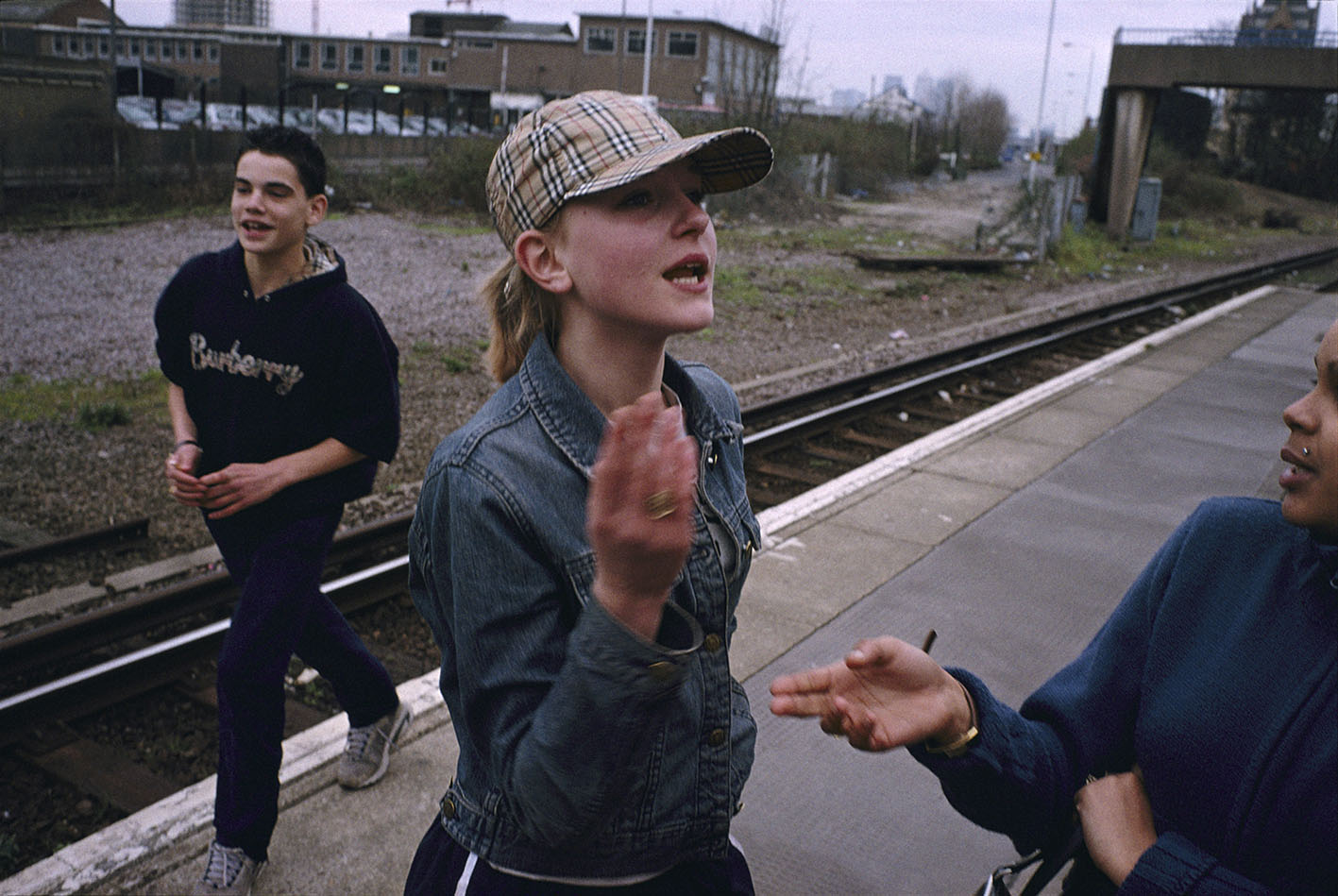
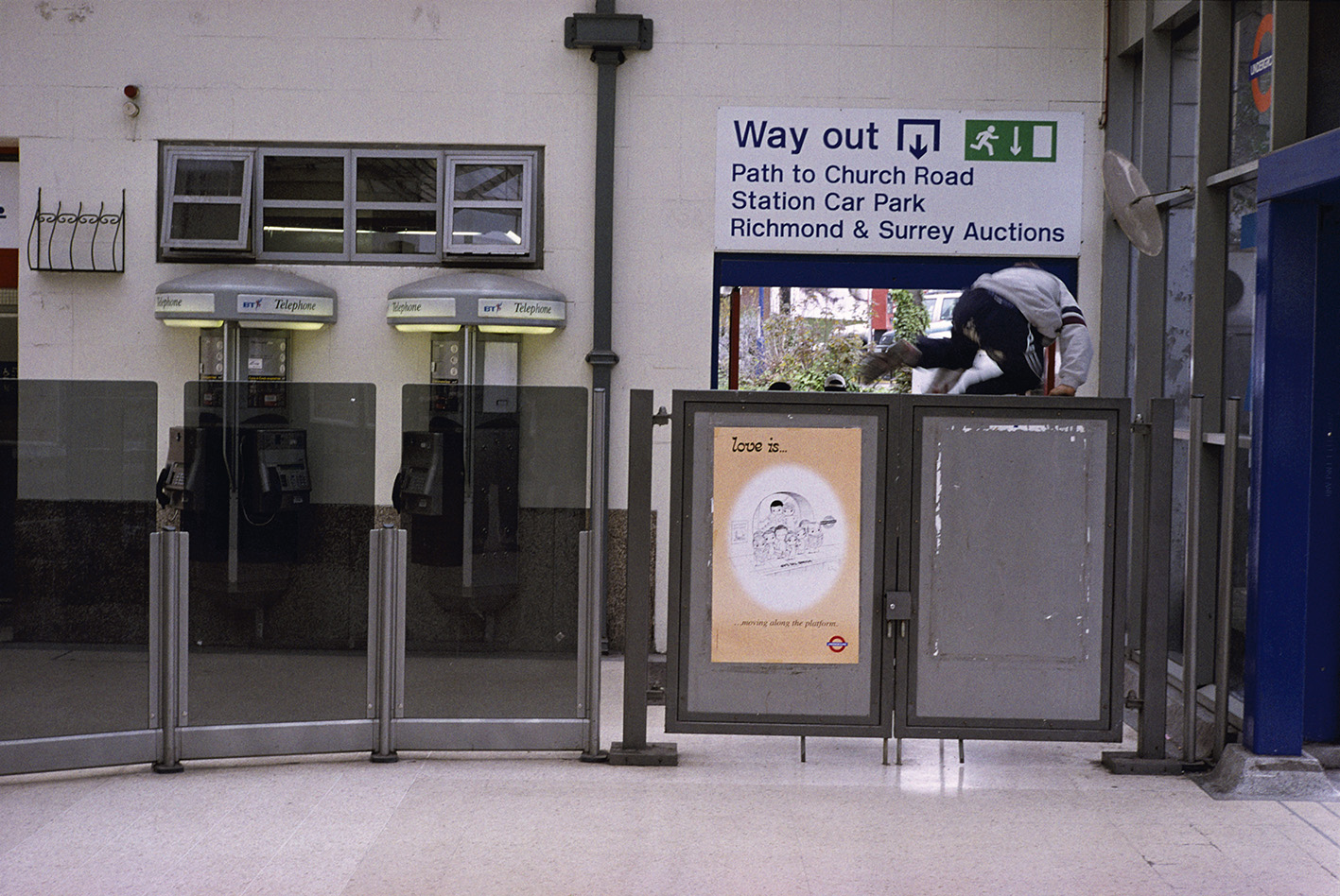
The first trips Wheatley took on the line saw him ride to its eastern terminus at North Woolwich – a less-wealthy industrial area situated by the River Thames. Sitting on a station bench, he found a man named Barry who had once owned an antiques store on Portobello Road, before losing his shop when new landlords priced him out as property prices soared in the 1980s. He’d turned to alcohol as a result and, as he sat in front of an array of beverages, he tucked into a diverse spread of food.
The shot perhaps sums up the story of Silverlink more than any other picture from the project. “A big part of my London existence is the theme of gentrification, so Barry is perhaps the most poignant encounter,” Wheatley says. “The whole surreality of seeing this guy having this elaborate picnic on a bench, with these tower blocks in the background where you’ve got Somalian refugees [living] – it’s like what?
“But all of the encounters were important,” he adds. “They all tell a story of London at that time.”
Silverlink by Simon Wheatley is published by Backdoor Editions.
Follow Isaac on Twitter.
Enjoyed this article? Like Huck on Facebook or follow us on Twitter.
You might like

Landmark new exhibition is celebrating 50 years of female punk
God Save the Queens – The Museum of Youth Culture is bringing together rare photography, archive material and a one-night-only supergroup featuring members of X-Ray Spex, The Slits and The Raincoats.
Written by: Ella Glossop

Halcyon, end of summer days in ’80s Massachusetts
Bell Pond — Stephen DiRado’s new photobook is a nostalgic look at blissed out moments of young love, family and coming of age at a swimming pond in Worcester, Massachusetts.
Written by: Miss Rosen

Photographing America’s 20th century rebels
Rebels With a Cause — A new monograph looks back at Jean-Pierre Laffont’s extensive archive documenting counterculture, art, activism and more, shaping the country as it is today.
Written by: Isaac Muk

The groundbreaking photography of Gordon Parks
Voices in the Mirror — A new exhibition dives deep into the legendary lensman’s archive, who captured the Civil Rights Movement and Black America like no other.
Written by: Miss Rosen

A chaotic portrait of an ’80s American farming family
Holy Cow! — Melonie Bennett grew up on a farm in Maine in the ’80s, and documented her family’s idiosyncratic daily life. She presents those humorous, everyday memories in a new exhibition and photobook.
Written by: Miss Rosen

Nick Danziger’s striking vision of everyday British life in the ’90s
The British 1994-1999 — The renowned photojournalist returned to his birth country on the cusp of the Millennium, capturing its contradictions with humour and wit.
Written by: Miss Rosen


